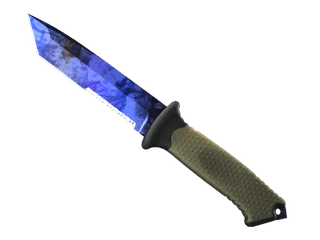
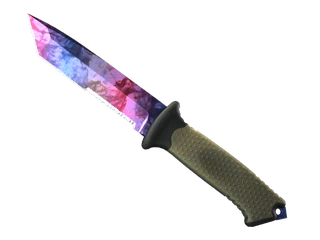
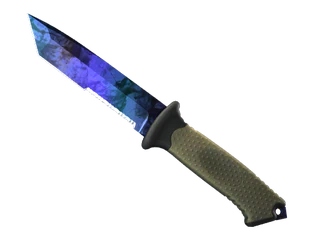
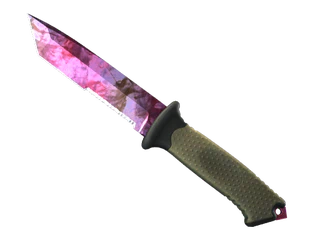
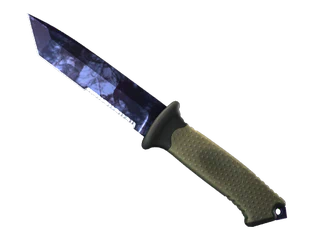
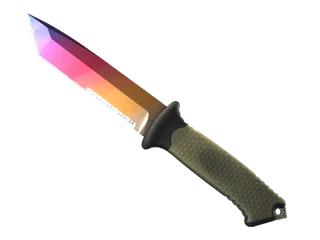
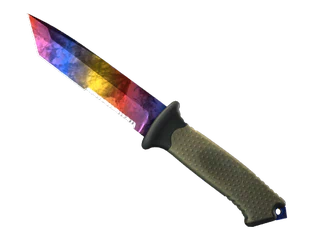
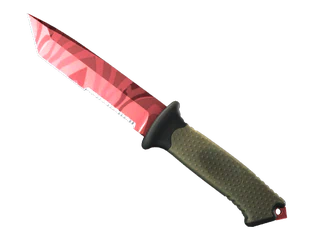
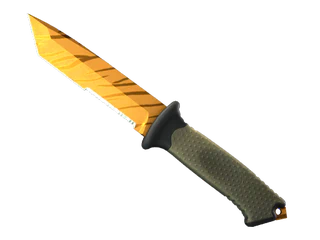
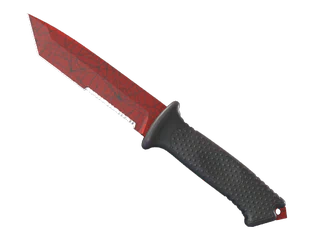
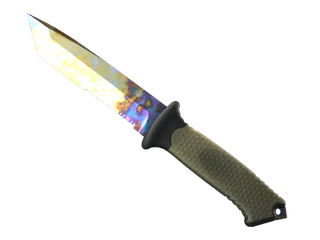
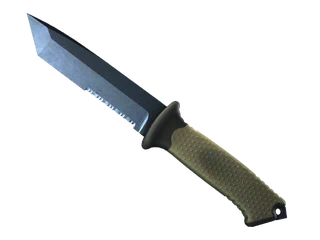
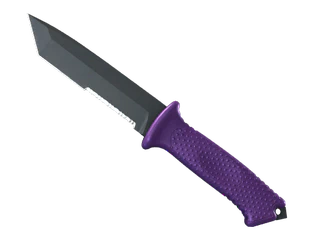
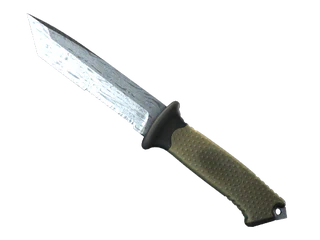
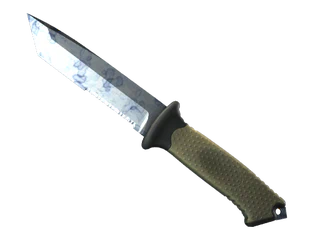
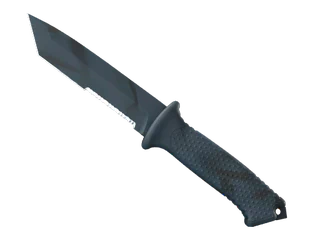
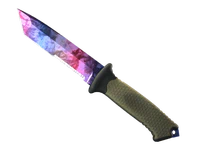
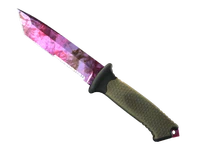
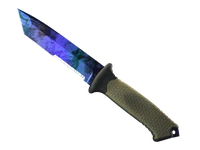
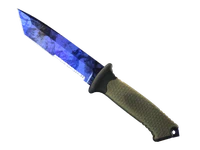
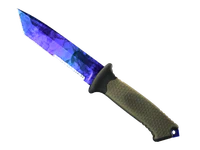
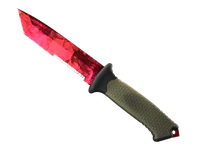
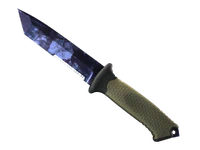
A mainstream Ursus Knife with a capped Doppler float profile that concentrates interest at the cleaner end. History has been wide and the trend has been drifting down, so buyers are selective; clean-phase copies and the right seed are where the cashout comes from.
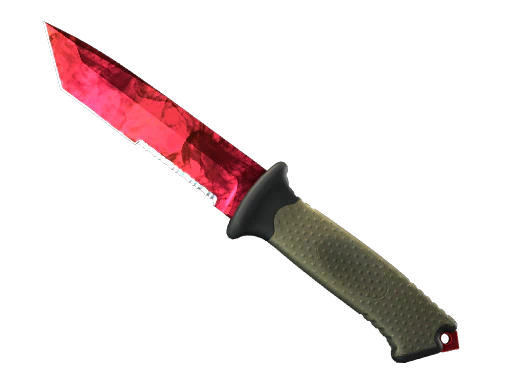
A mainstream Ursus Knife with a capped Doppler float profile that concentrates interest at the cleaner end. History has been wide and the trend has been drifting down, so buyers are selective; clean-phase copies and the right seed are where the cashout comes from.
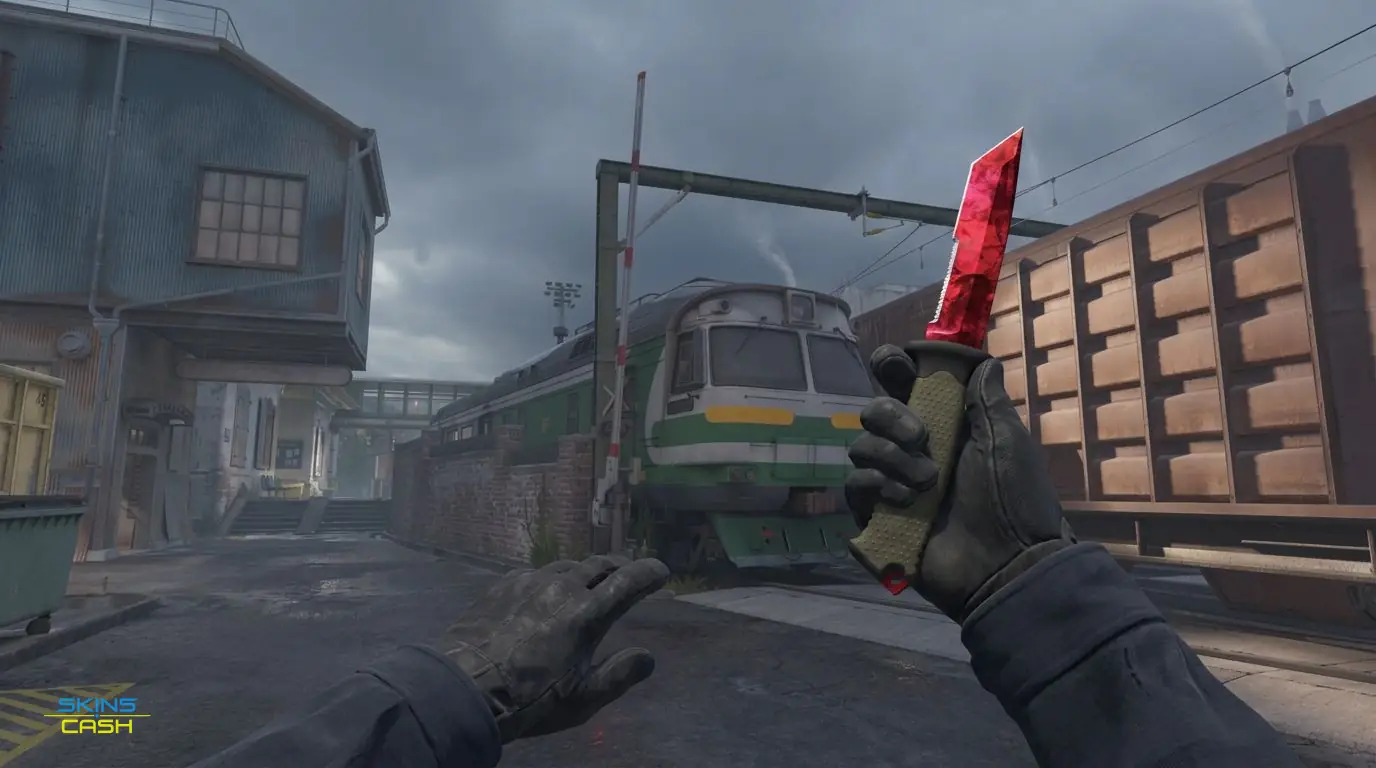
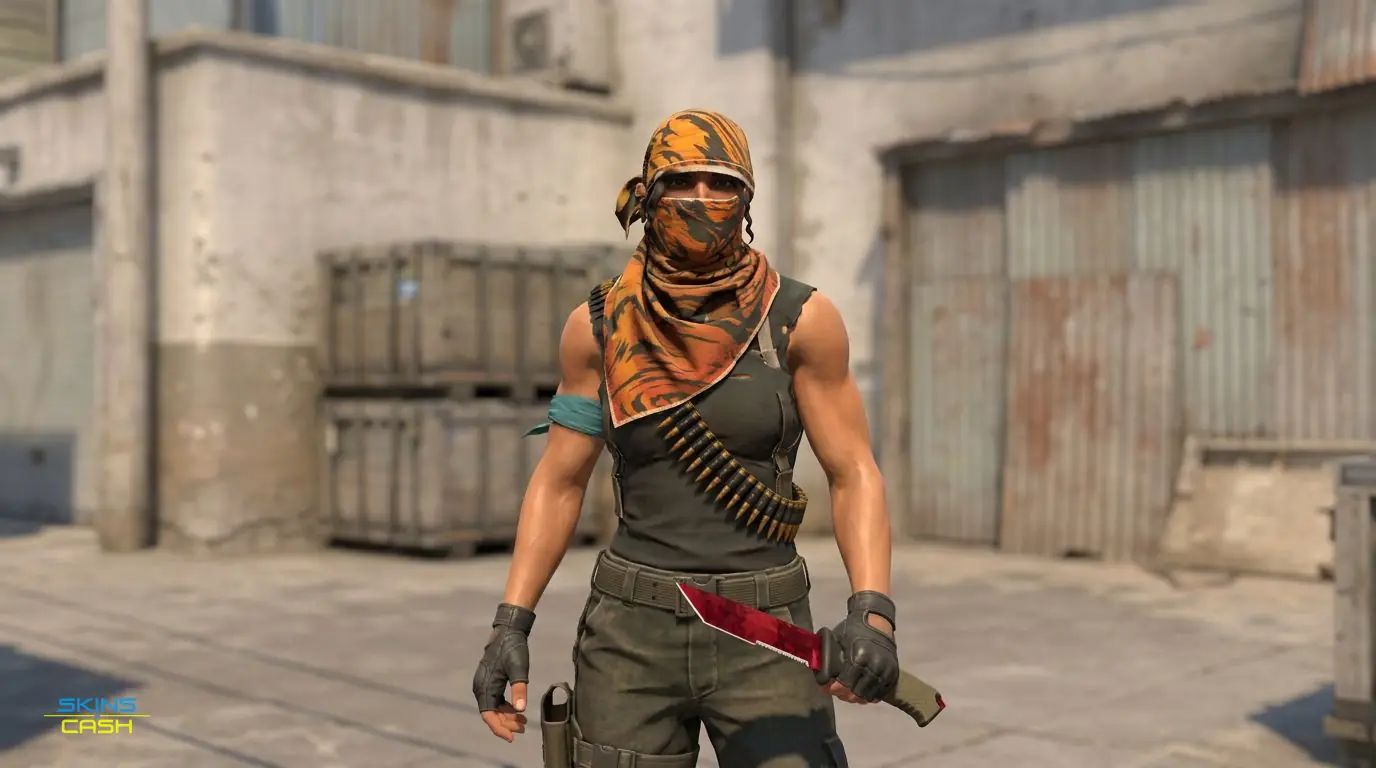
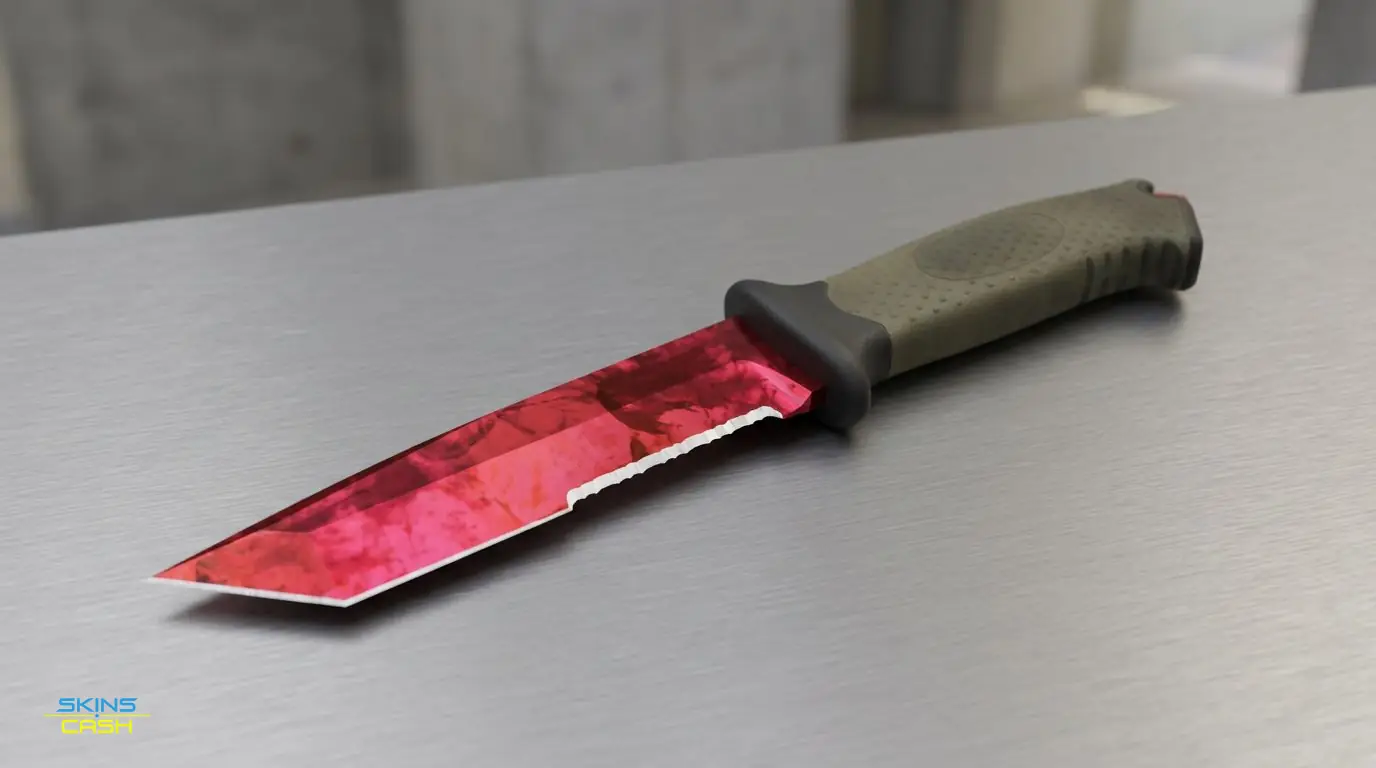
This is a mainstream market skin rather than a niche grail or an experiment for collectors; expect routine buyer behavior and regular listing activity rather than exotic demand spikes. The Valve-designed Ursus Knife sits with other covert knives from the Prisma Case and trades like a tactical play for users who know their finishes, so sellers should price it to move inside a familiar buyer set.
The ladder shows a clean-end concentration with a marked step from the freshest phases into the rest of the grades, not a gentle, even slope. That means most of the premium lives in the very clean phase copies while the mid and lower wears compress together.
Listing stickers will often sit higher than the cashout you see posted; buyers use the spread to filter for instant deals and sellers lose a sliver when they hit the quick-cash route. Keep that gap in mind when you set your payout expectation versus public asks on the market.
Value per dollar skews to the mid-to-clean end where appearance improves noticeably without needing the absolute top phase. Once you cross into the clean-phase territory the extra payout climbs steeply and stops being an efficient upgrade for many buyers.
Because the Doppler finish on this knife lives in a capped float band, the so-called worst copies are cleaner than a full-range finish would allow and the bottom rung does not sink as far as other knives. This compresses the lower ladder and shifts seller focus to phase and seed rather than chasing an ultra-low float that does not exist here.
Phases matter more than raw wear for this Doppler Ruby - certain phase orientations read redder or flatter and those seeds command visible premiums. Always call out the phase and, if relevant, a desirable seed when you list; buyers look for that nuance first.
There is no StatTrak or Souvenir split here, so pricing lives on one clean line with fewer cross-product distortions to check. That simplicity makes it easier to read comparable listings and to match a live cashout without juggling variants.
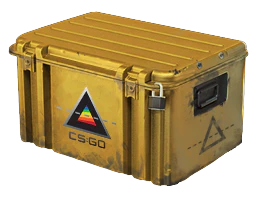
Originating from the Prisma Case gives the skin a predictable supply path tied to that container rather than festival or event drops. That link keeps new influxes steady and makes historical supply easier to read for anyone tracking availability.
The red-forward palette punches through the Anodized Multicolored finish and the Valve design emphasizes the contrast between deep ruby and tempered highlights. In-game the blade reads warm and aggressive, a look that appeals to players wanting a standout knife silhouette.
All-time price movement for this knife has been wide, giving sellers a broad band to work within when timing a sale. With that wide range comes opportunity to wait for better demand bands, but also the reality that prices have swung across a large spectrum.
The usual errors are treating the market like a uniform ladder and ignoring the capped float reality or phase premium; both lead to overpricing mid-wear copies or underpricing clean phases. Check float profile and seed, then align your ask with how the market currently values the clean-phase spread.
The association with fer gives the knife a faint pro-scene tail; it won't move markets alone, but it nudges visibility on streams and highlights. That small spotlight helps the clean, well-seeded copies find buyers faster than otherwise comparable covert knives.