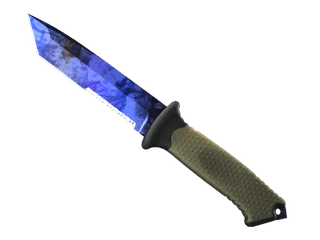
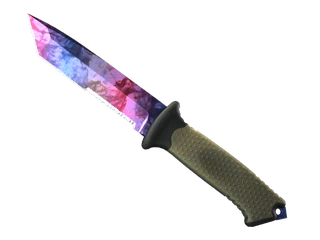
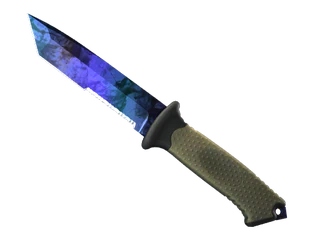
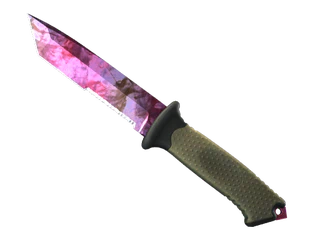
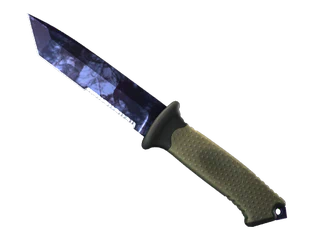
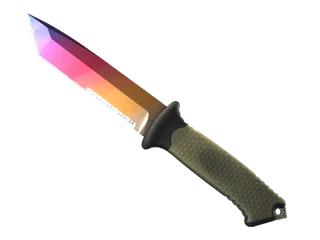
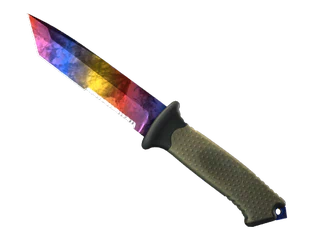
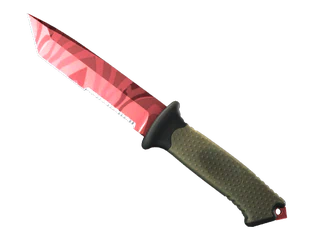
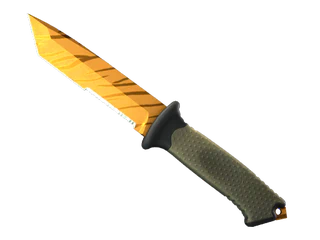
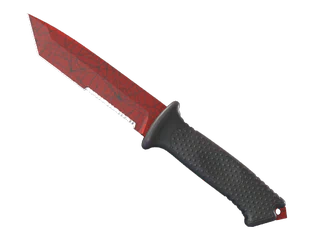
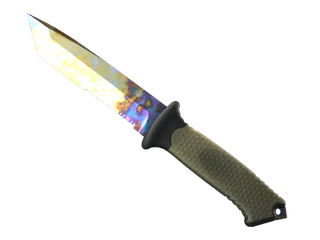
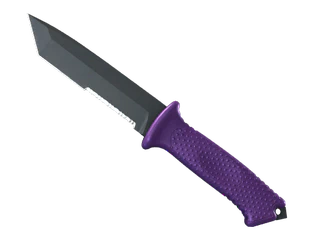
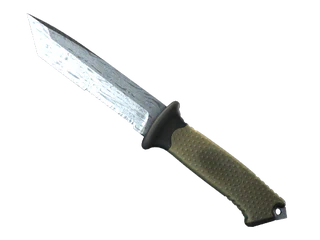
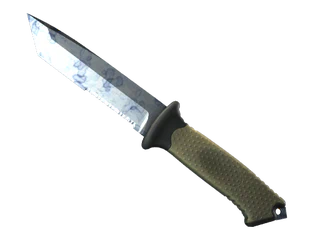
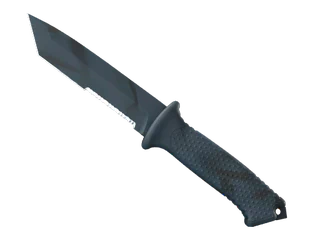
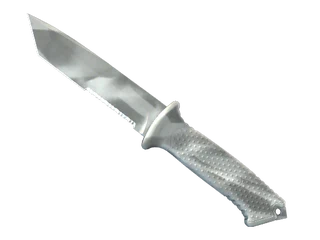
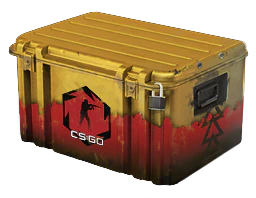
Mid-tier demand with a clear split between the cleaner Blue Steel faces and the beaten Patina looks. Buyers prize the near-clean Ursus Knife for its steel-blue sheen and Valve styling, while worn copies trade in a tighter band and move slower. If you plan to cash, watch the clean-end liquidity first.
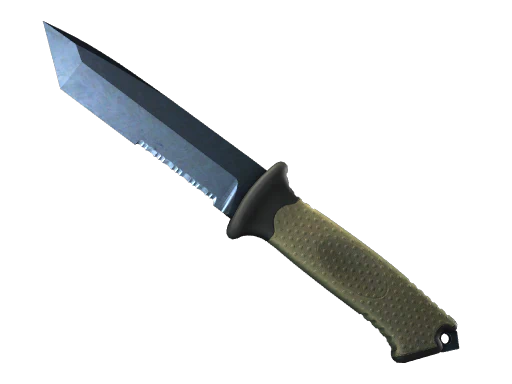
Mid-tier demand with a clear split between the cleaner Blue Steel faces and the beaten Patina looks. Buyers prize the near-clean Ursus Knife for its steel-blue sheen and Valve styling, while worn copies trade in a tighter band and move slower. If you plan to cash, watch the clean-end liquidity first.
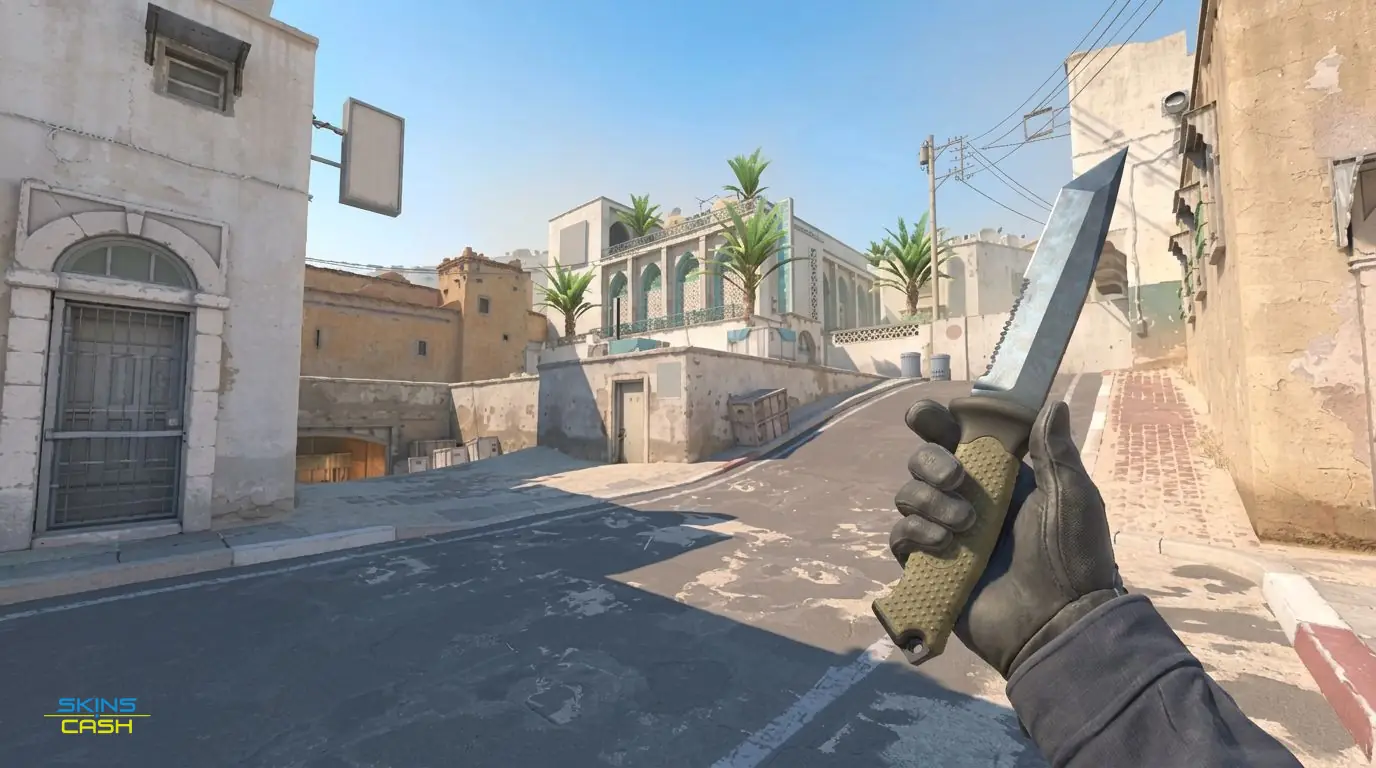
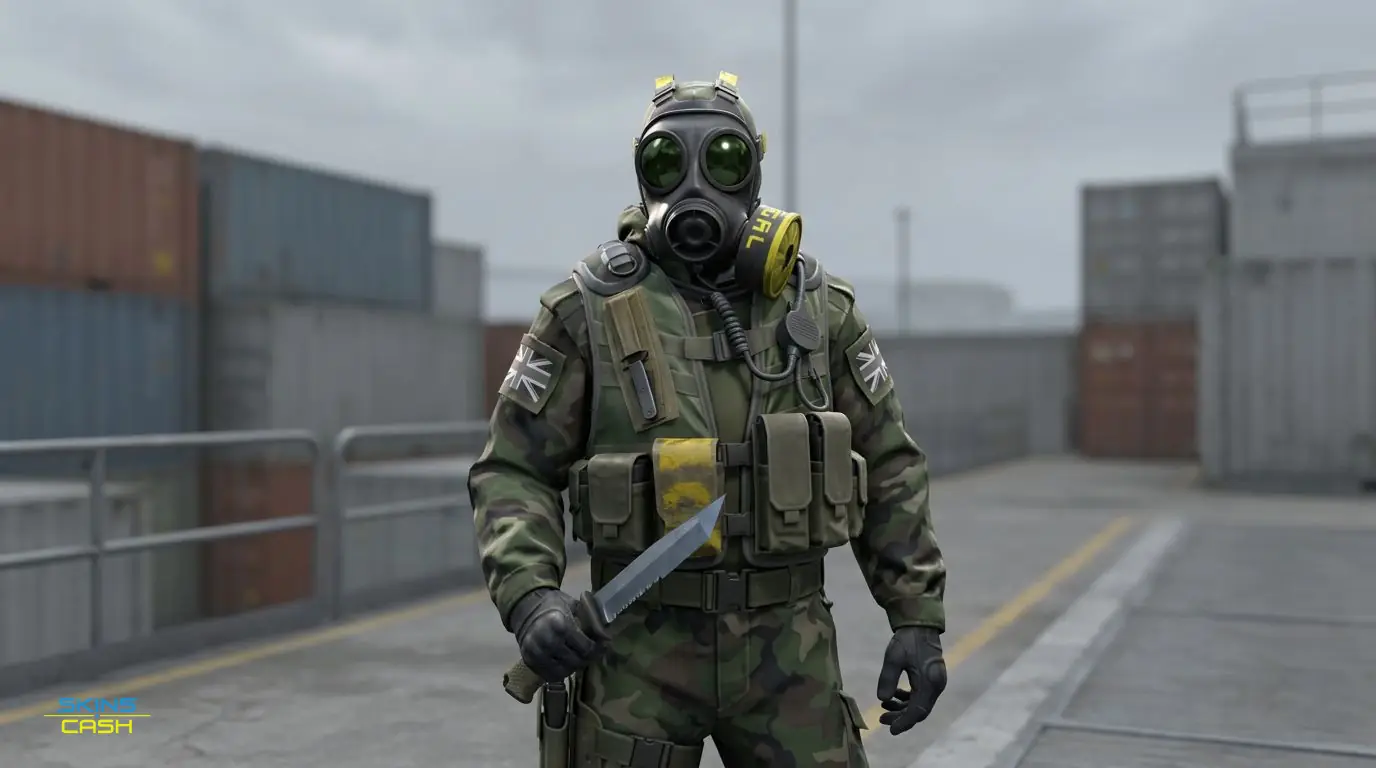
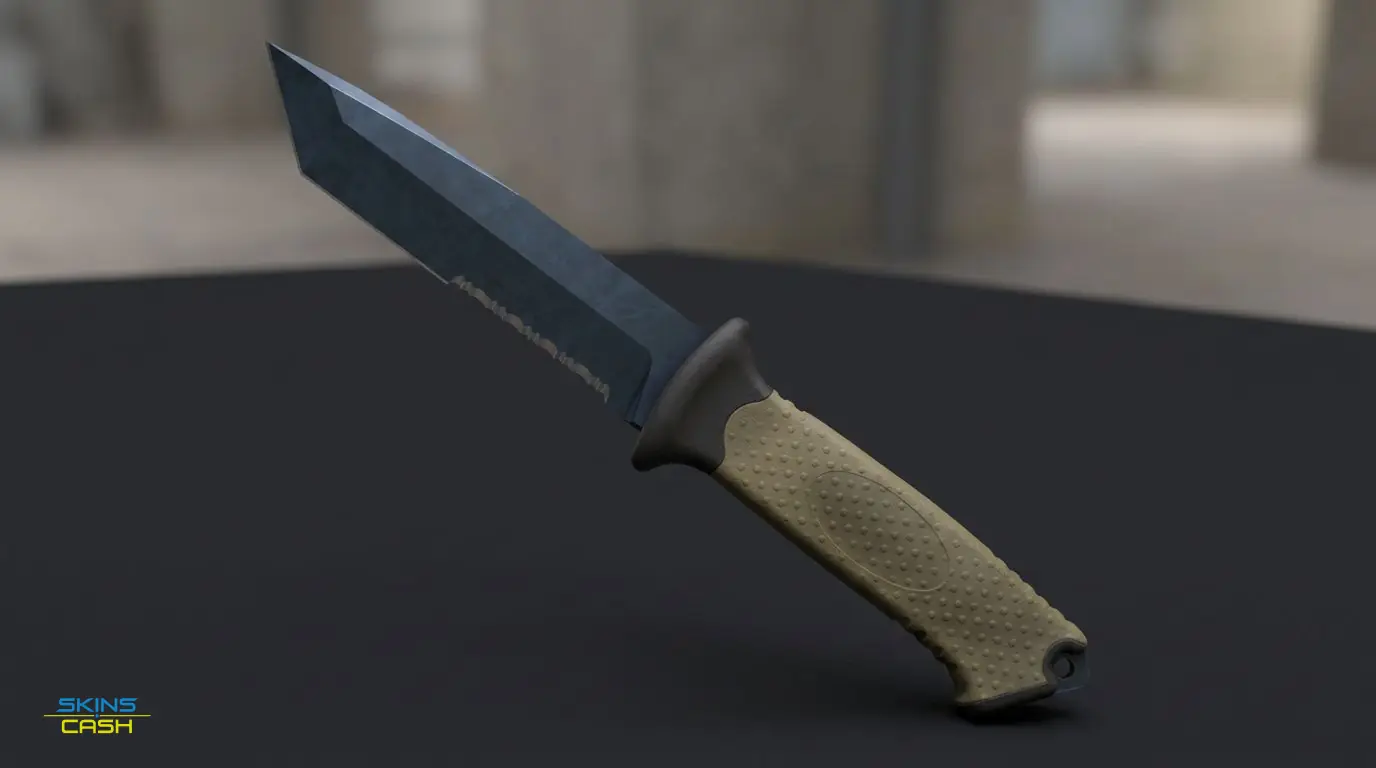
This sits squarely in the mid bracket among covert knives: not grail money, not budget fodder. The Horizon Case origin and Valve design keep it visible to collectors, but overall demand plays at a steady, mainstream level rather than a hype-driven spike, so sellers should expect patient buyers rather than frenzied turnover.
The payout curve is a steep fall from the clean face into the rest of the ladder, with strong separation at the top and a long plateau across heavier wears. Clean Blue Steel surfaces command the premium; beyond that the curve flattens and listings cluster together.
Lower wears live in a compact band where float barely moves the payout, so a worn Patina copy rarely underperforms peers by much. If you hold a high-wear Ursus Knife, the lack of spread down there means faster sell-through but little upside from marginal float improvements.
Listings often show a headline price that buyers are not matching, so the cashout you see will be distinctly lower than sticker asks. That gap is the marketplace friction: takers are scarce at the clean top, and the wider headline invites walkaways, which sinks what sellers actually collect.
The finish reacts visibly: the Blue Steel face loses that tight bluish-gray luster as wear increases and Patina texture dominates. Buyers do pay up for a clean blade with minimal wear; beyond the clean band, sensitivity drops and visual differences become less valuable.
StatTrak copies exist and follow their own demand curve, pulling a steady premium versus non-StatTrak but mirroring the same clean-end concentration. For a seller, StatTrak moves faster among collectors, but it still suffers the same liquidity pinch at the top.
There is no pattern noise to chase here; price drivers are float and finish alone, so you do not need to hunt for rare pattern indexes. That simplifies valuation: focus on the blade condition and StatTrak status, not obscure seed quirks.
The skin reads cold and industrial: a gray-steel face with a bluish tint under the Patina finish that reads clean in most lighting. The muted palette pairs well with darker gloves and makes the blade pop in first-person without being flashy.
It is sourced from the Horizon Case, which keeps supply steady but not overflowing. That origin makes fresh drops predictable rather than rare-event driven, so supply pressure is constant and reflected in the mid-tier positioning.
The yearly picture shows a bleed rather than a re-rate up; what was firmer has softened over time and the skin now trades from a lower plateau. Recent activity is flat, signalling no sudden rebound; it's a slow-moving product rather than a breakout play.
Post listings at realistic levels and lean into the live cashout block when buyers are thin at the clean top; avoid slashing the sticker just to close a sale. Use the StatTrak tag when relevant and stage listings so you do not become the top undercut in a flat market.
Collectors respect the Blue Steel look and Valve pedigree, but the community treats it as a practical collector piece rather than a trophy. Sentiment is steady: admired in screenshots, traded patiently in market threads, and considered a reliable mid-tier knife by regulars.