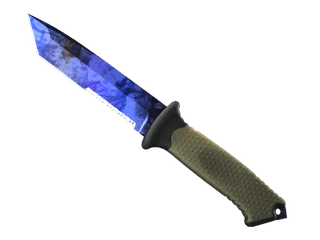
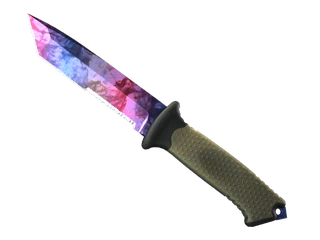
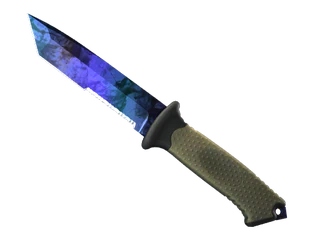
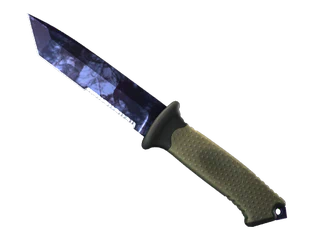
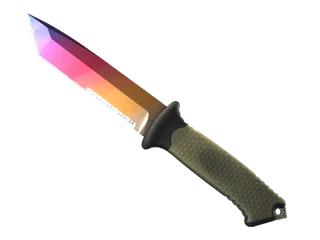
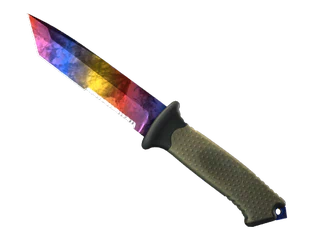
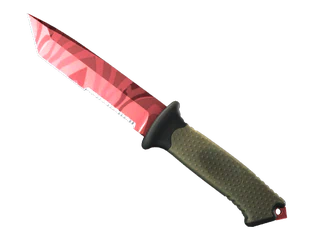
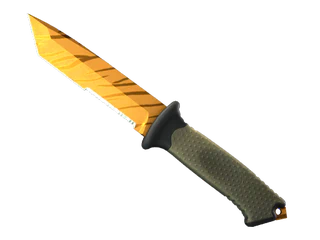
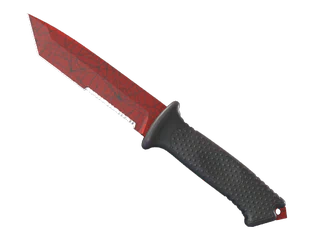
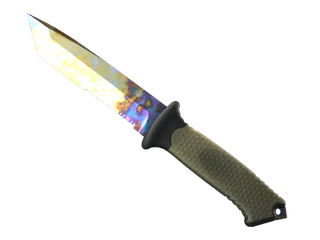
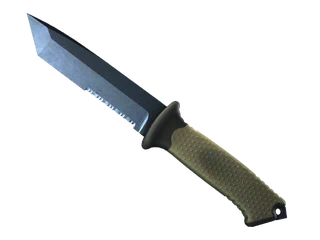
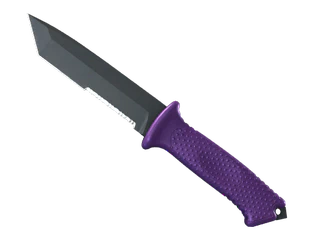
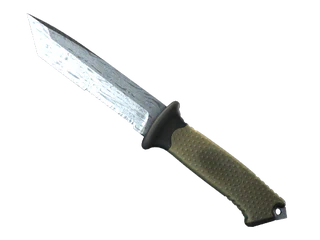
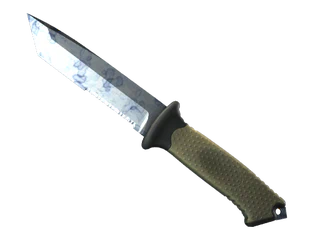
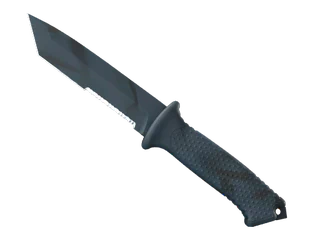
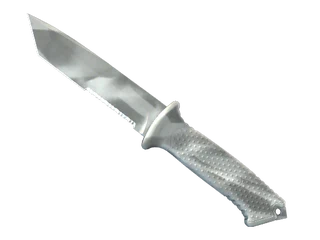
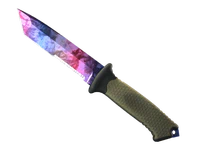
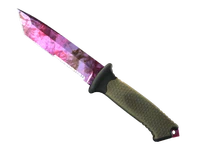
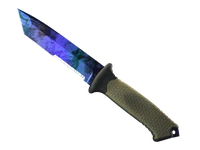
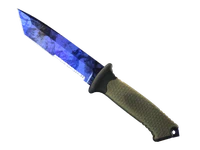
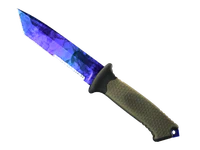
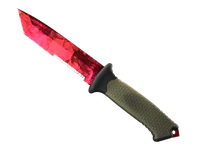
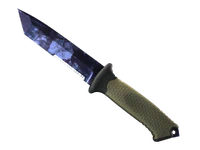
Premium demand and a firm floor define this Ursus Knife | Doppler Phase 2. Buyers prize the anodized multicolored pink shift and Valve pedigree, so clean-phase copies move to serious bidders while mid and dirtier floats sit longer.
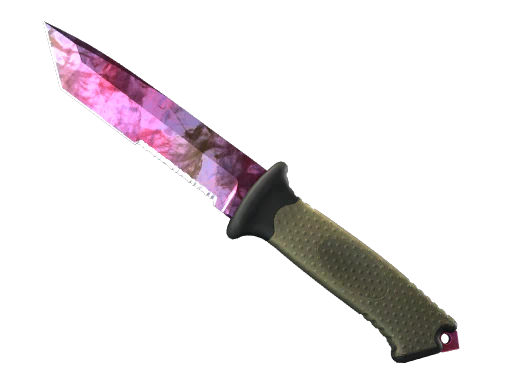
Premium demand and a firm floor define this Ursus Knife | Doppler Phase 2. Buyers prize the anodized multicolored pink shift and Valve pedigree, so clean-phase copies move to serious bidders while mid and dirtier floats sit longer.
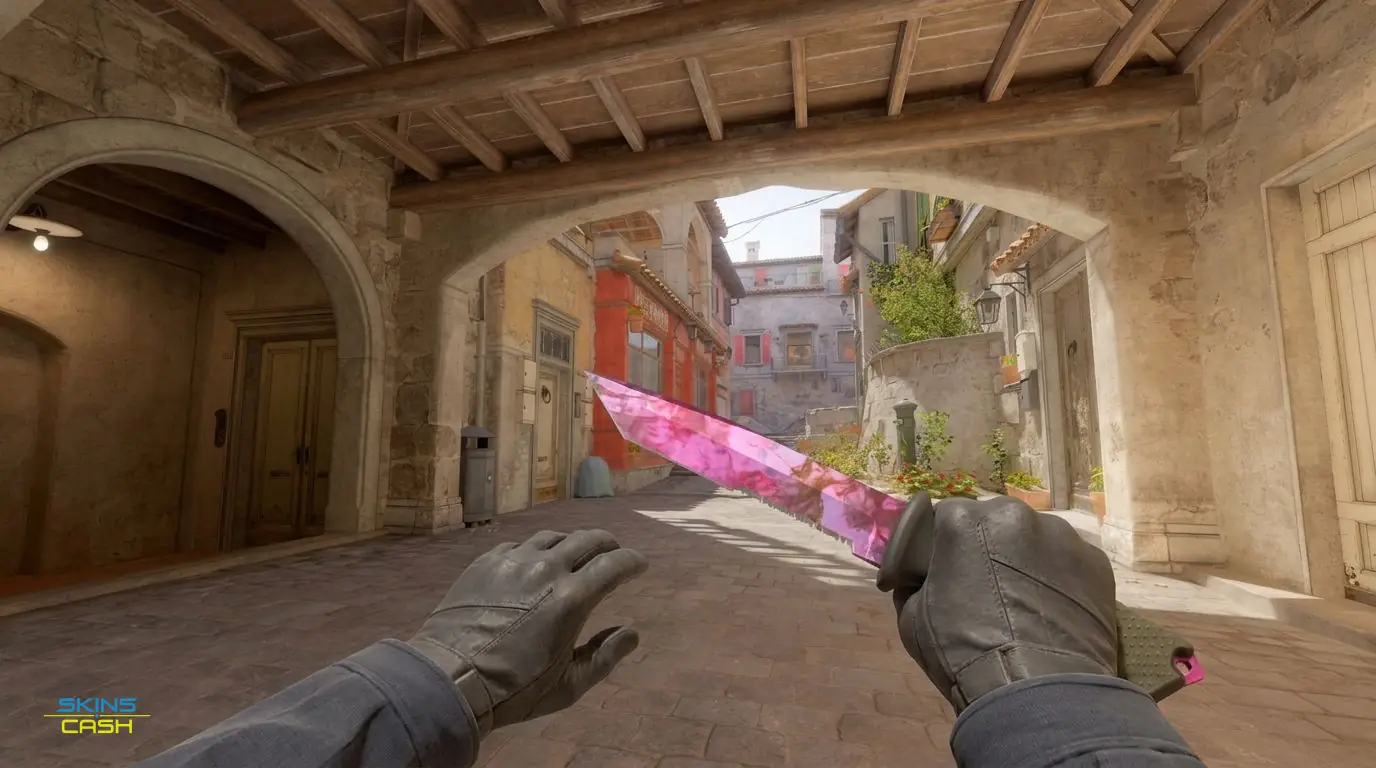

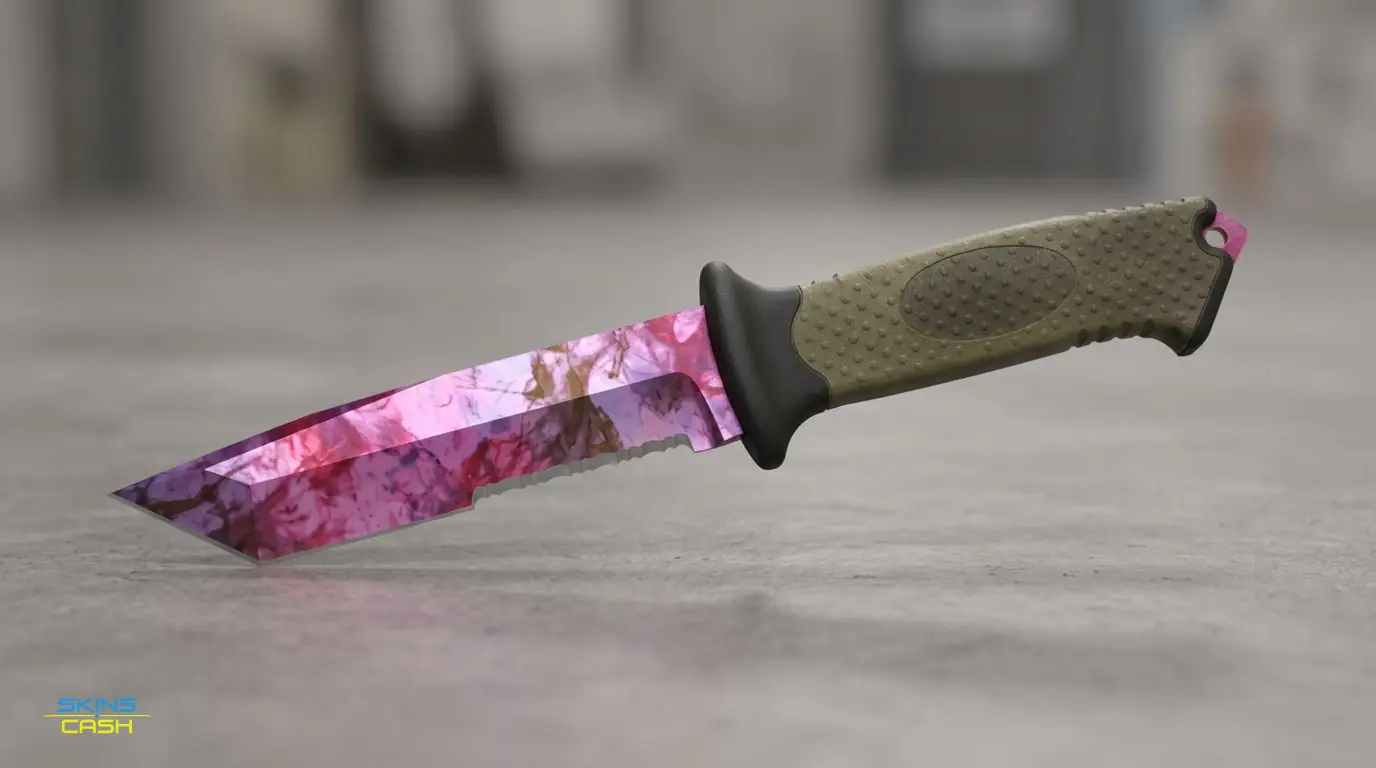
This sits in the premium bracket among covert knives; it trades with high-value intent rather than impulse buys. For a seller that means fewer, more determined buyers and listings that need patience and discipline instead of a fire sale.
The payout curve favors the clean end but is not a cliff; think of a capped ladder with stepped graduations rather than a smooth slide. The capped float profile concentrates value near the top wears and creates visible gaps as you step down.
Expect a notable gap between sticker and cashout: buyers on the platform buy into a buffer while sellers feel platform fees and spread compression. That spread widens around the rare phases and tightens toward well-represented mid wears, so net receipts differ from public asks.
Mid-clean copies tend to deliver the best skin-for-money ratio before the premium stops paying for incremental cleanliness. Sellers harvesting quickly should favour the point on the ladder where float still reads good but the buyer pool is larger.
Because the Doppler finish is capped, the so-called worst copies retain a cleaner baseline than many other knives; the bottom of the ladder is cleaner than usual. That compresses downside risk but also flattens the low end, changing how you price items that would otherwise be pure junk.
Phase two is the driver here: the pink shift and the way the anodized multicolored finish lays out on the blade create phase-specific premiums. Check the phase and seed closely - the right pattern moves past float into a separate buyer subset.
StatTrak copies can invert the usual wear order, with a visibly dirtier ST sometimes commanding more than a cleaner non-ST or even a cleaner ST. That happens when StatTrak demand collides with a sought-after phase; always compare ST and non-ST listings across the same phase before pricing.
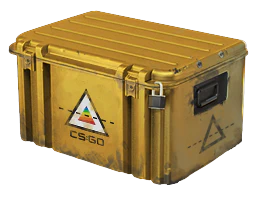
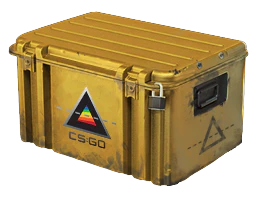
It originates from the Prisma Case, which keeps supply steady but focused; cases like this feed a recurring stream rather than single-shot drops. That steady origin matters for how listings replenish and how quickly buyers can find alternatives.
The knife reads strongly in pink with an anodized multicolored finish that throws warm shifts across the blade; Valve's design language shows in the clean reflective sections. In-game it stands out at distance and holds up on common maps where pink contrasts with popular backdrops.
Short-term movement has been flat; listings and trades have shown little directional push in the last month. That means recent trades offer a reasonable guide to current expectations rather than a rapidly changing market.
The all-time band has been wide, giving sellers both opportunities and headaches depending on timing. Current levels sit somewhere inside that broad band, so patient sellers can wait for clean-phase interest while urgent sellers still find acceptable bids.
List with spread discipline and avoid chasing top asks; set a staggered ladder that respects the stepped lower-tier spread and the capped float quirks. Hold clean-phase STs tighter, widen for mid wears, and let the platform bids come to you rather than collapsing into the spread.