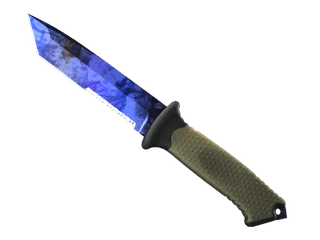
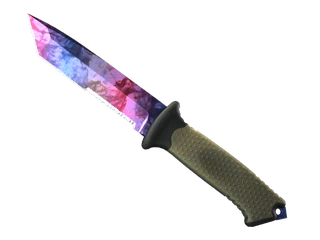
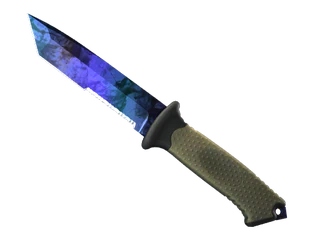
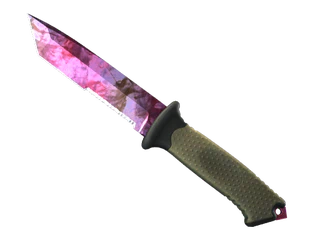
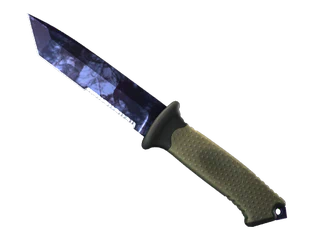
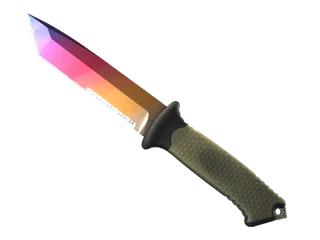
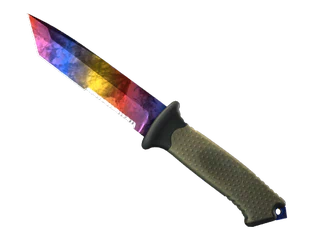
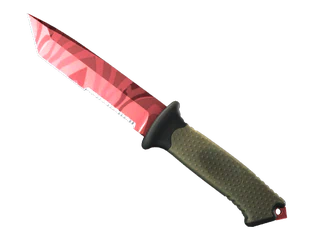
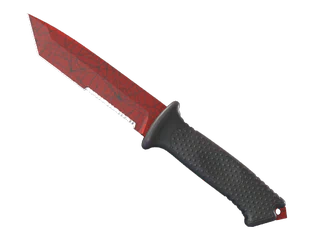
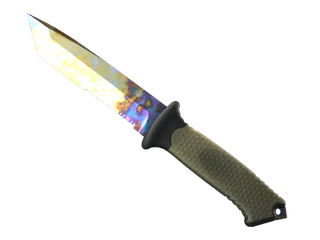
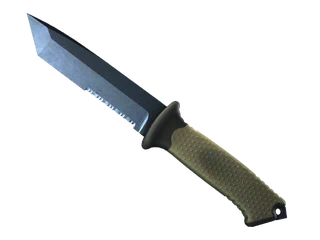
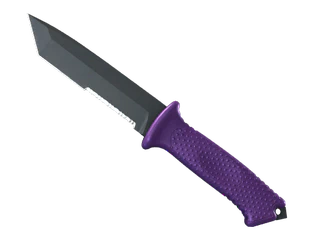
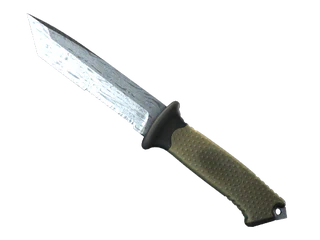
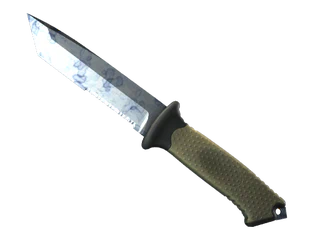
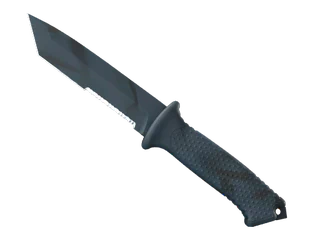
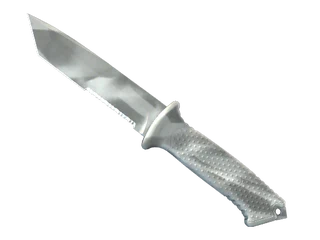
Mid-tier demand with a firm mid-level floor and a capped float profile makes the Ursus Knife | Tiger Tooth a pragmatic cashout candidate rather than a speculative hold. Clean faces attract attention, StatTrak copies behave differently, and the long-term trend has softened, so watch where your copy sits on the ladder before listing.
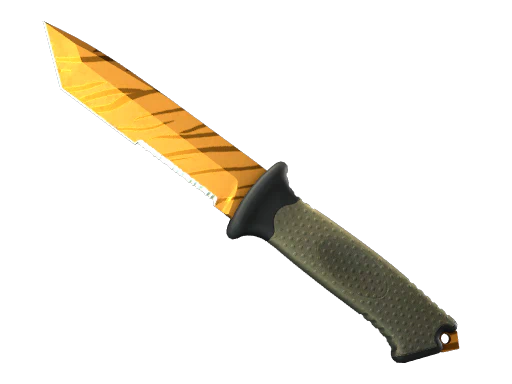
Mid-tier demand with a firm mid-level floor and a capped float profile makes the Ursus Knife | Tiger Tooth a pragmatic cashout candidate rather than a speculative hold. Clean faces attract attention, StatTrak copies behave differently, and the long-term trend has softened, so watch where your copy sits on the ladder before listing.
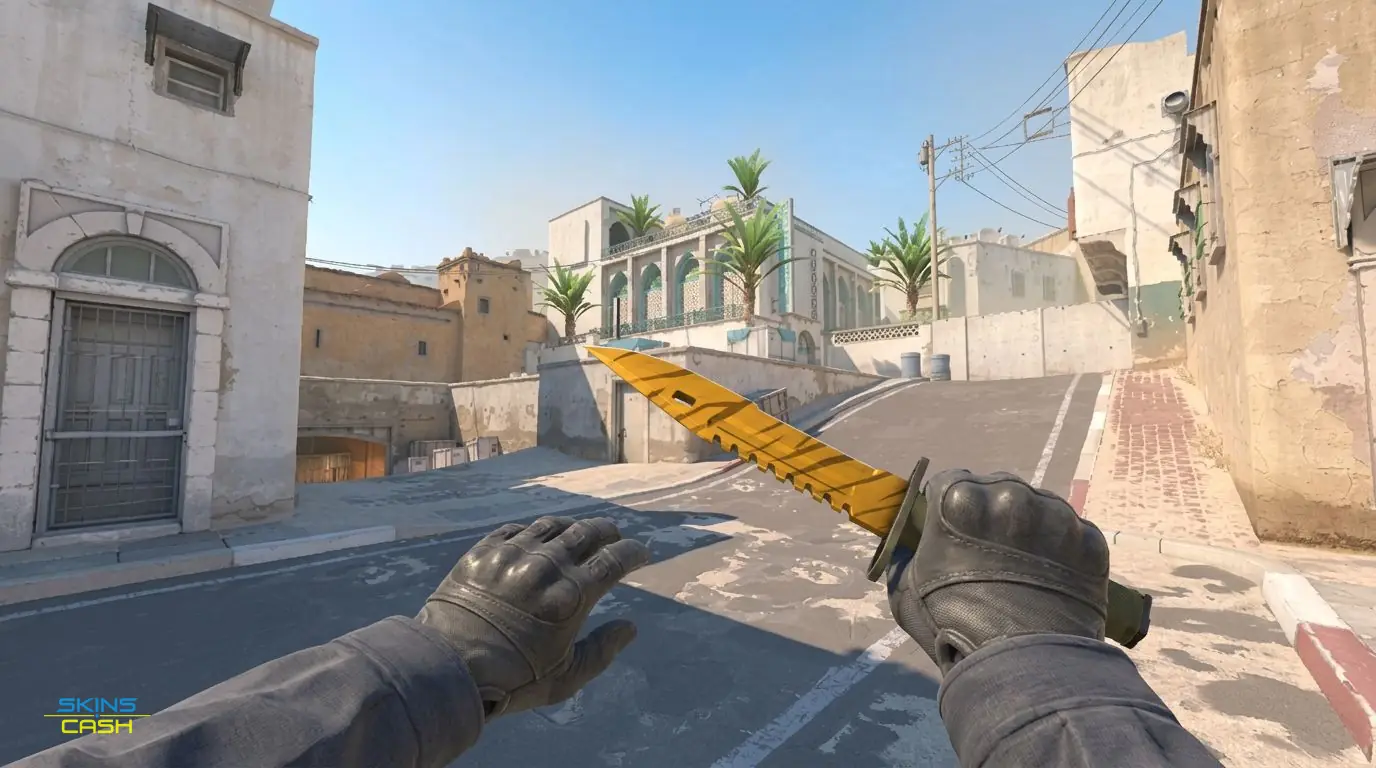
Mid-tier money. The Ursus Knife | Tiger Tooth sits in the middle band of collector interest: not a grail, not a budget throwaway. That means decent bid depth for standard copies and selective buyers for standout floats, so sellers can liquidate without chasing hype but should price to suit mid-level demand.
The payout curve tilts toward the clean end with a capped top profile, producing a visible premium for pristine faces while the rest of the ladder declines more gently. There is no separate extreme premium for factory-new, so the ladder reads like a slope with a defined cap rather than a cliff.
Worn copies sit close together on payout because lower-tier spread is compressed, so float variance down there hardly moves cashout. If you hold a dirtier Tiger Tooth, expect a tight cluster of bids rather than a big jump for marginally better wear.
Expect a conventional seller gap between listing sticker and what you actually net; the mid price tier and mainstream profile keep bids disciplined and patient. Listings will show aspirational asks, and the cashout figure reflects the market bite after spread and fees are taken into account.
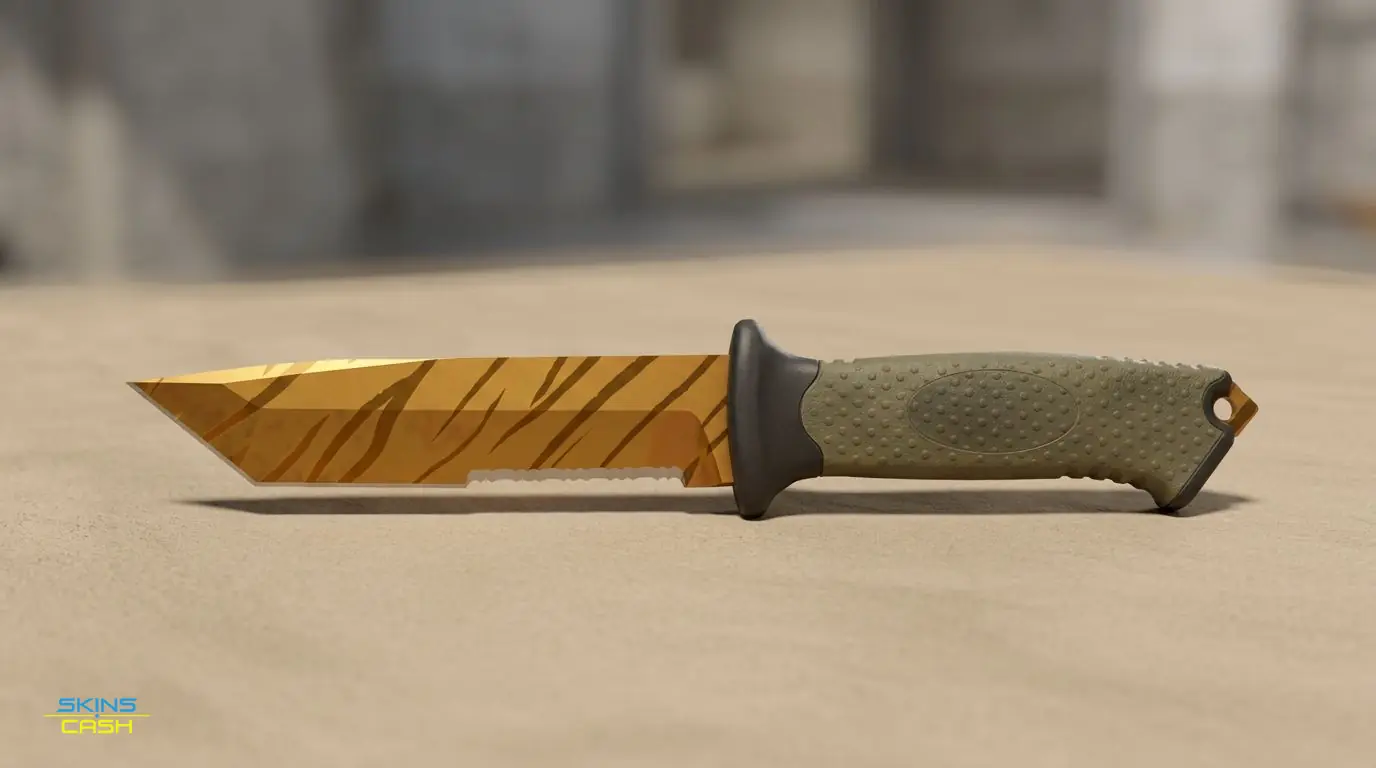
The anodized multicolored finish keeps the pattern readable as it ages, but buyers still prize the clean mirror face; visible degradation cuts perceived value. In practice, wear sensitivity is meaningful at the high end and muted lower down because the finish hides small tears of wear.
StatTrak copies invert the usual ladder: a dirtier StatTrak can sometimes out-price a cleaner non-StatTrak or even a cleaner StatTrak because demand is driven by the counter and availability rather than pure float. Watch recent ST sales and don't assume better float equals higher payout in the StatTrak line.
As a covert knife, rarity underpins a respectable low end even on worn specimens, keeping downside limited compared with lower rarity items. That covert tag props the floor and makes even worn Ursus Knife copies tradeable rather than dead weight.
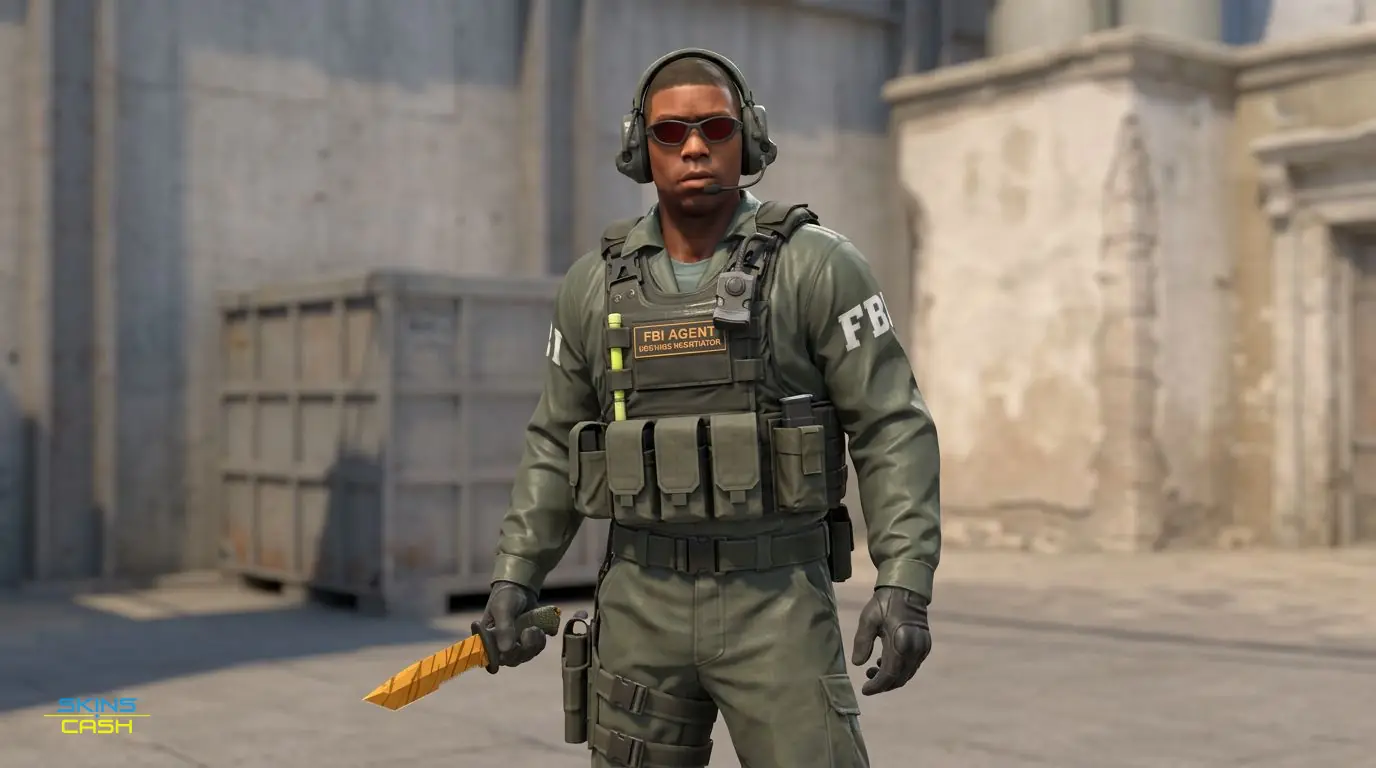
Yellow accents ride over the anodized multicolored finish and read bright in-game without being garish; Valve's design keeps the tiger-tooth sheen as the focal point. The palette contrasts well with darker player models, which is why the pattern still turns heads despite being mid-tier.
This knife originates from the Prisma Case, so supply is tied to that container's circulation and case-open dynamics. That provenance explains the steady baseline supply rather than sudden scarcity-driven spikes.
History shows a wide range and a long-term downshift while short-term movement has flattened, so prices can wobble but are less likely to spike upward quickly. For sellers that translates to a market where timing matters if you want to avoid catching a falling knife.
Sell into the spread deliberately: set a competitive ask and be ready to lift lower bids rather than slashing price to chase immediacy. Skins.Cash mechanics reward staging listings and respecting the mid-tier demand curve so you don't erode value by undercutting.
Players respect the skin for its look and Valve pedigree, and a named pro association keeps it visible in highlight reels. That steady sentiment translates to ongoing, if moderate, buyer interest rather than fad-driven shopping.