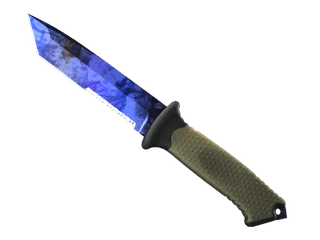
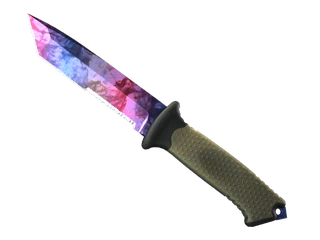
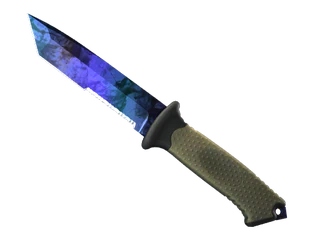
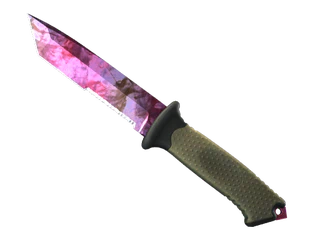
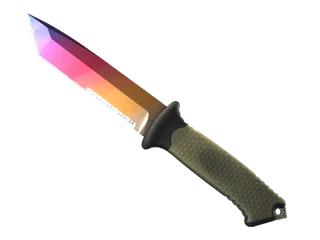
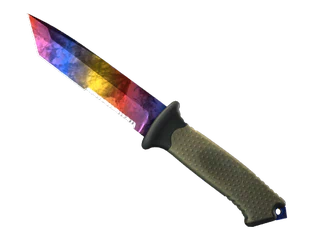
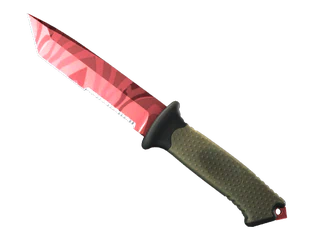
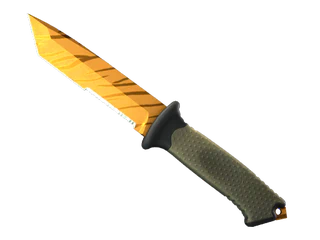
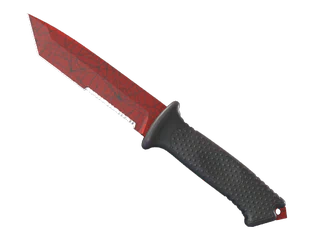
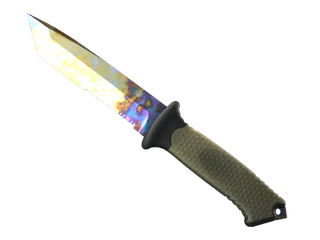
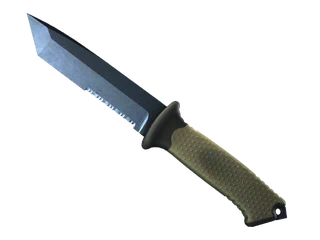
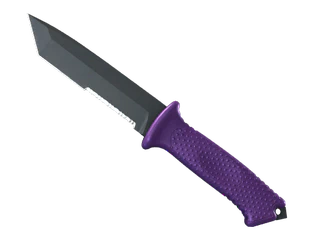
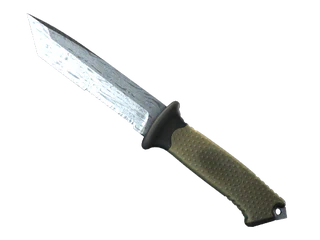
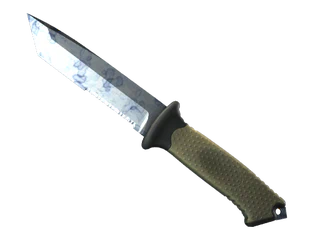
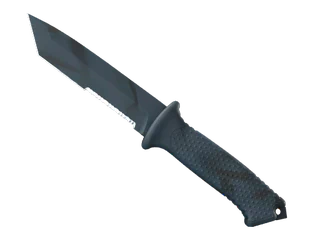
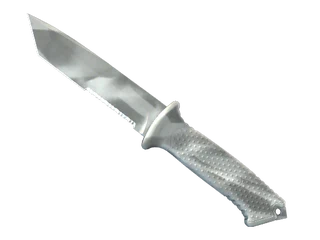
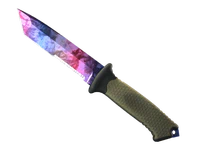
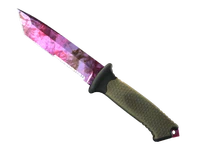
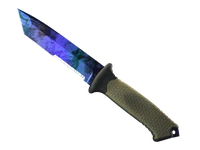
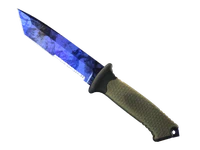
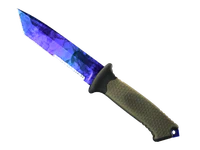
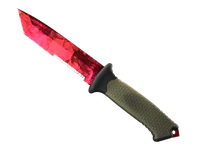
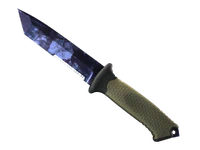
A premium, high-value Ursus knife with an anodized multicolored Doppler finish that lives at the top of the case ladder. Demand is concentrated on clean, collectible copies and Stattrak variants, so sellers need to price with the clean-end band and Stattrak inversion in mind.
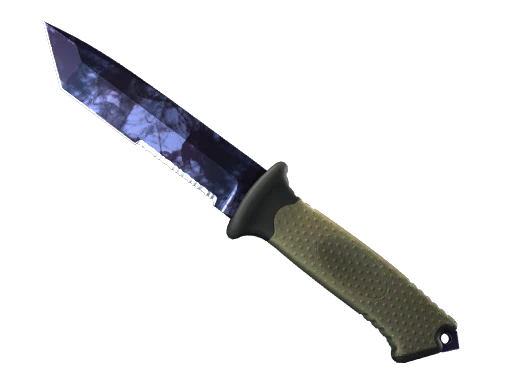
A premium, high-value Ursus knife with an anodized multicolored Doppler finish that lives at the top of the case ladder. Demand is concentrated on clean, collectible copies and Stattrak variants, so sellers need to price with the clean-end band and Stattrak inversion in mind.
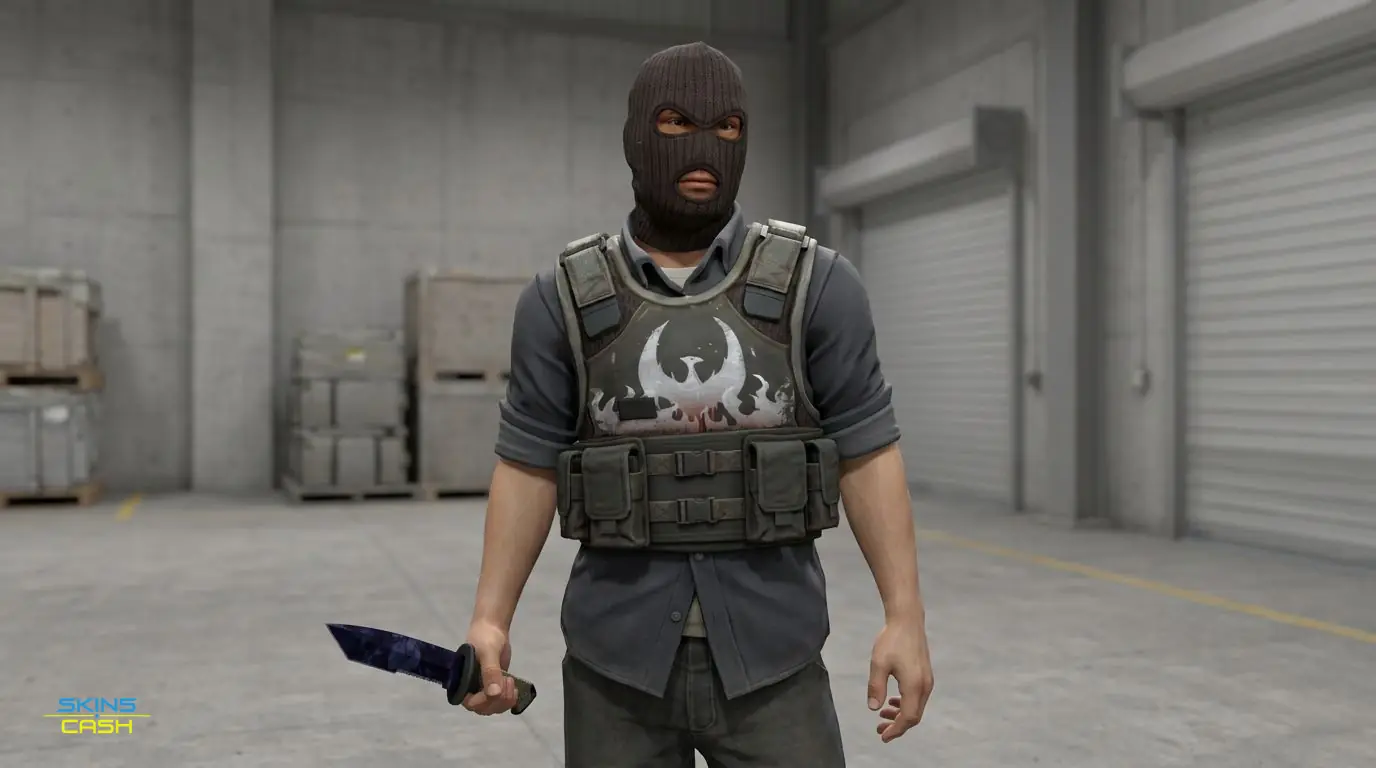
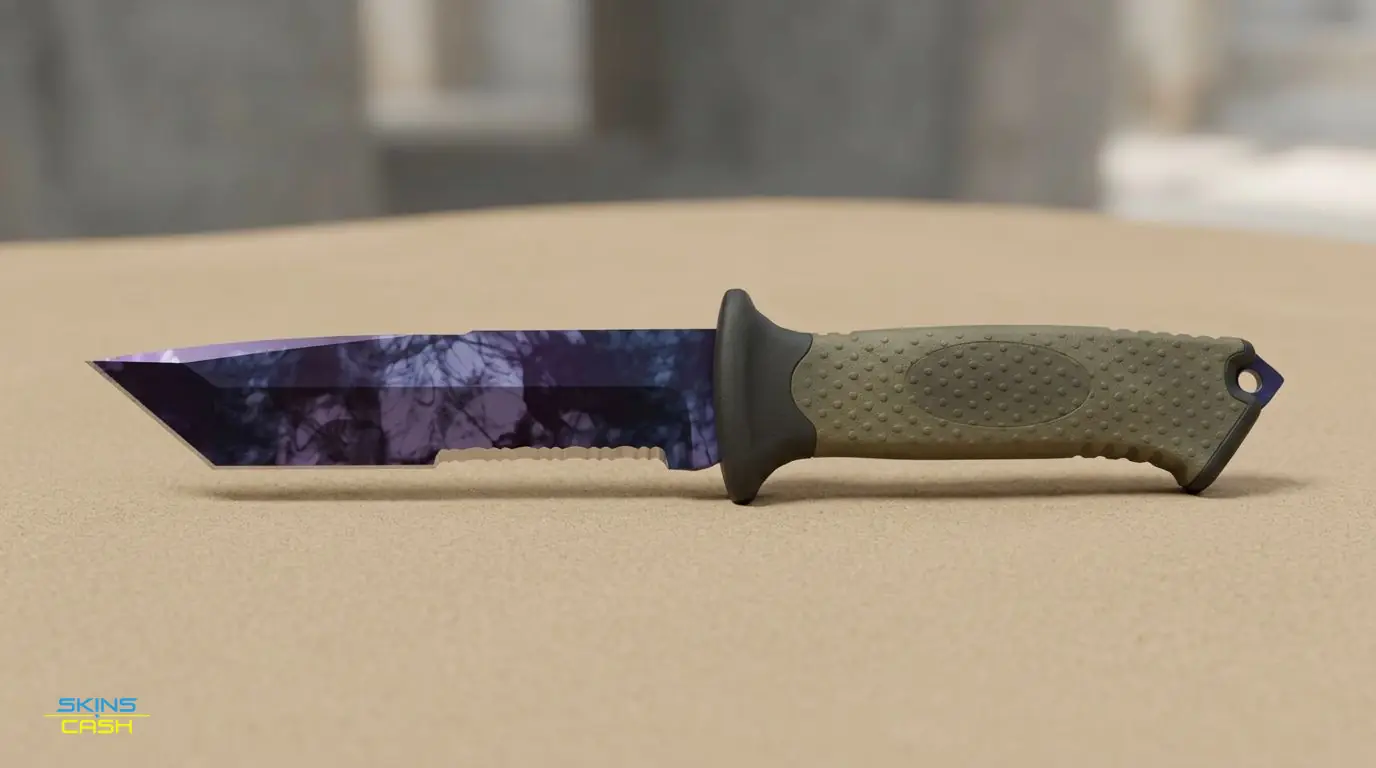
This sits squarely in the premium bracket among knives from the Prisma Case; not a budget flip and not a grail-level oddity. For a seller that means a narrower pool of serious buyers and a market that rewards condition, designer pedigree, and the multicolored finish over mass-market churn.
The payout curve is capped and tight near the best wears then steps down the ladder; the top end holds most of the value while lower wears fall into a stepped band. That capped profile makes the clean copies distinctly more liquid than the worn tail.
Mid-clean copies are where you get the most skin-for-money before premiums thin out toward the absolute clean end. If you want to maximize proceeds with minimal holding time, avoid chasing the very top float unless you can secure the rare phase buyers.
Expect a stepped gap between what buyers are bidding and what listings show, amplified by the Stattrak inversion and the premium tag. The difference is mostly the market structure: buyers price by realized demand and sellers list by perceived top-of-ladder value.
The anodized multicolored finish shows visible change across float bands, and buyers pay up for a clean face more readily than for marginal improvements. Because the profile is capped, small moves toward the clean end can matter; away from it, wear hurts value faster.
Phases carry a clear premium on this Doppler style; some phases read dramatically different under the multicolored finish and draw collectors. Check the phase and seed before you price - an uncommon phase lifts a copy beyond standard float distinctions.
Being Covert gives the low end a dependable base even for worn copies, so the worn tail doesn't collapse into dust. That rarity support keeps sellers from having to accept rock-bottom bids when liquidity dries.
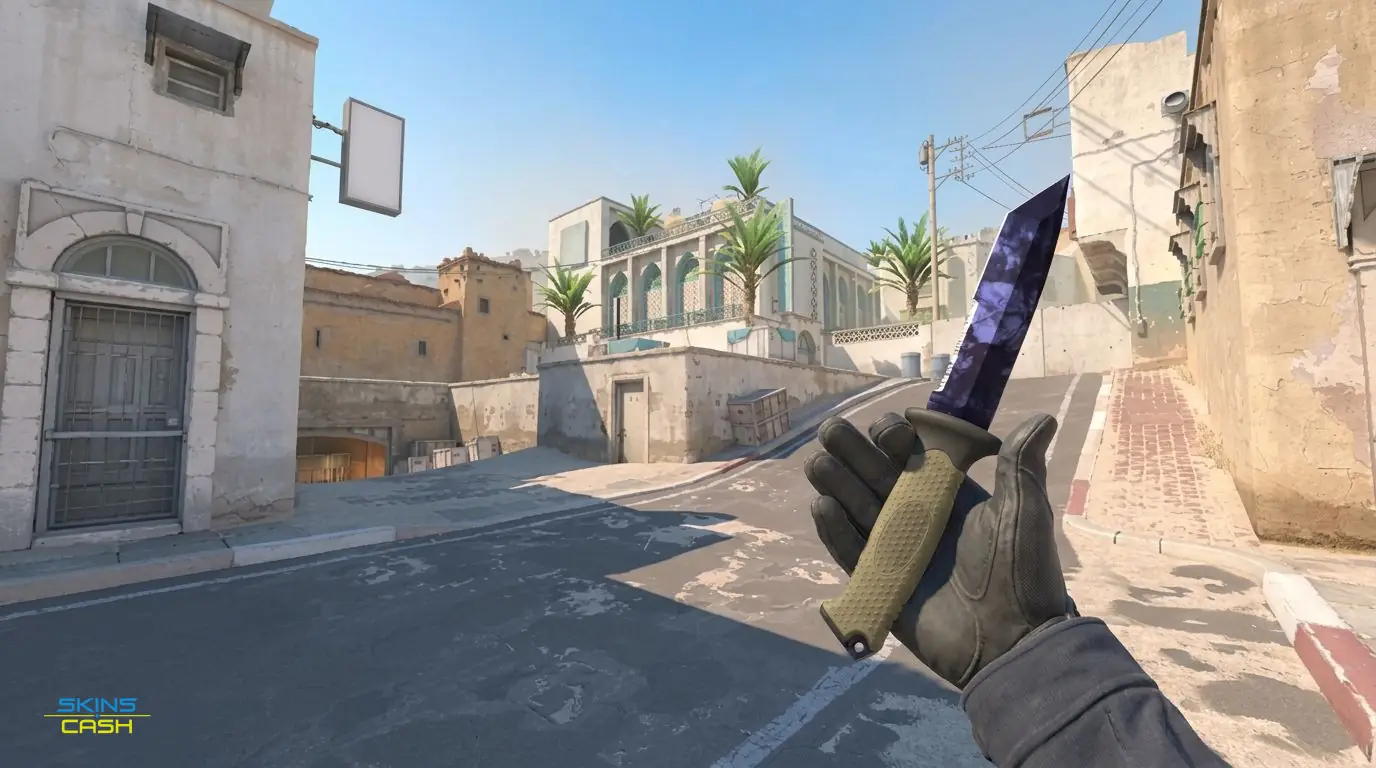
The finish is Anodized Multicolored, which paints the blade in shifting hues that pop against dark hands and in highlight screenshots. Valve's minimalist designer touch keeps the palette readable in-game rather than a noisy overload, which helps when you list for screenshots and buyers scroll quickly.
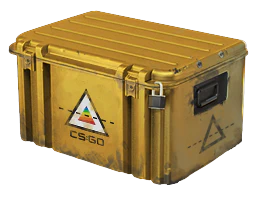
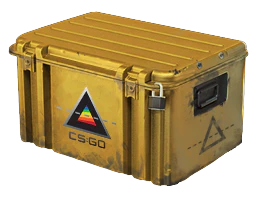
It originates from the Prisma Case, so supply is tied to that container's circulation rather than older legacy cases. That origin influences how many clean copies surface and how quickly phases come through the market.
The all-time band for this knife has been massive, so sellers should expect listings to live across a wide spread over time. Current activity sits somewhere inside that broad band rather than at a compressed, stable level.
Given the massive range and a downhard longer-term trend combined with recent flat short-term movement, price action is jumpy when a rare phase or Stattrak copy hits listings. If you prefer steadier exits, aim for windows with multiple comparable sells rather than lone bids.
The usual errors are treating all Doppler phases as equal, ignoring the Stattrak inversion, and listing by sticker instead of net expected payout. Confirm phase, variant, and the live spread before you commit a price to avoid being stuck on an overambitious listing.