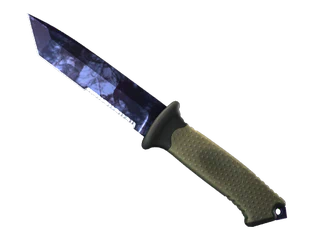
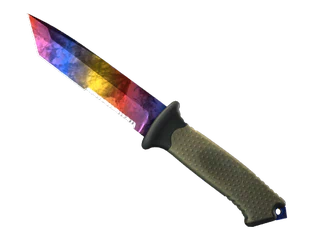
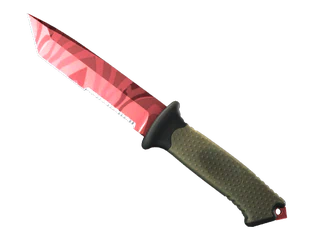
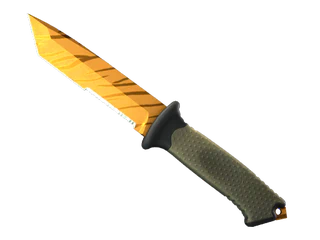
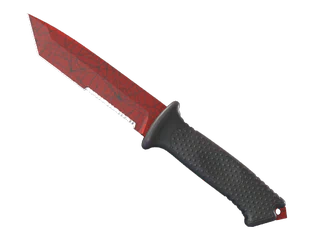
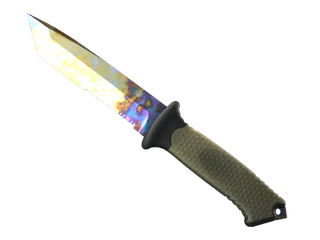
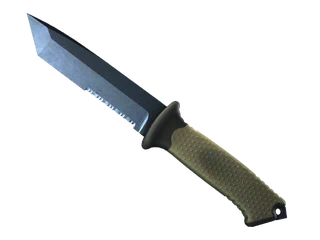
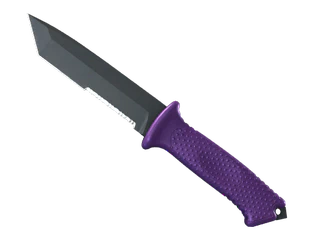
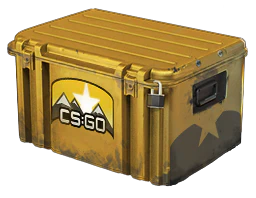
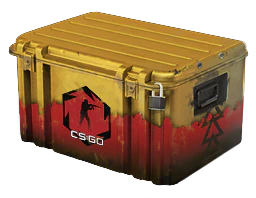
Mid-tier demand meets a high floor here: the Ursus Knife | Fade trades like a solid midcase grail with little room for tiny float micro-edges. The float profile is capped, the long term has been sloping down, and recent action is quiet - good for sellers who want a staged exit rather than a one-shot flip.
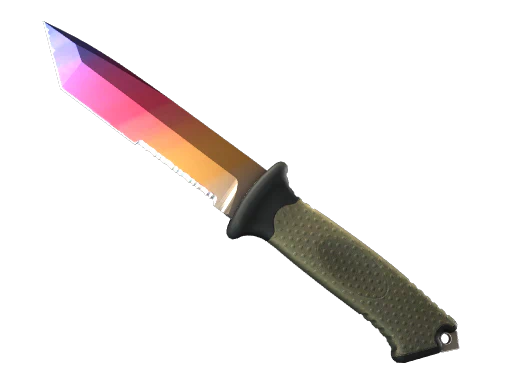
Mid-tier demand meets a high floor here: the Ursus Knife | Fade trades like a solid midcase grail with little room for tiny float micro-edges. The float profile is capped, the long term has been sloping down, and recent action is quiet - good for sellers who want a staged exit rather than a one-shot flip.
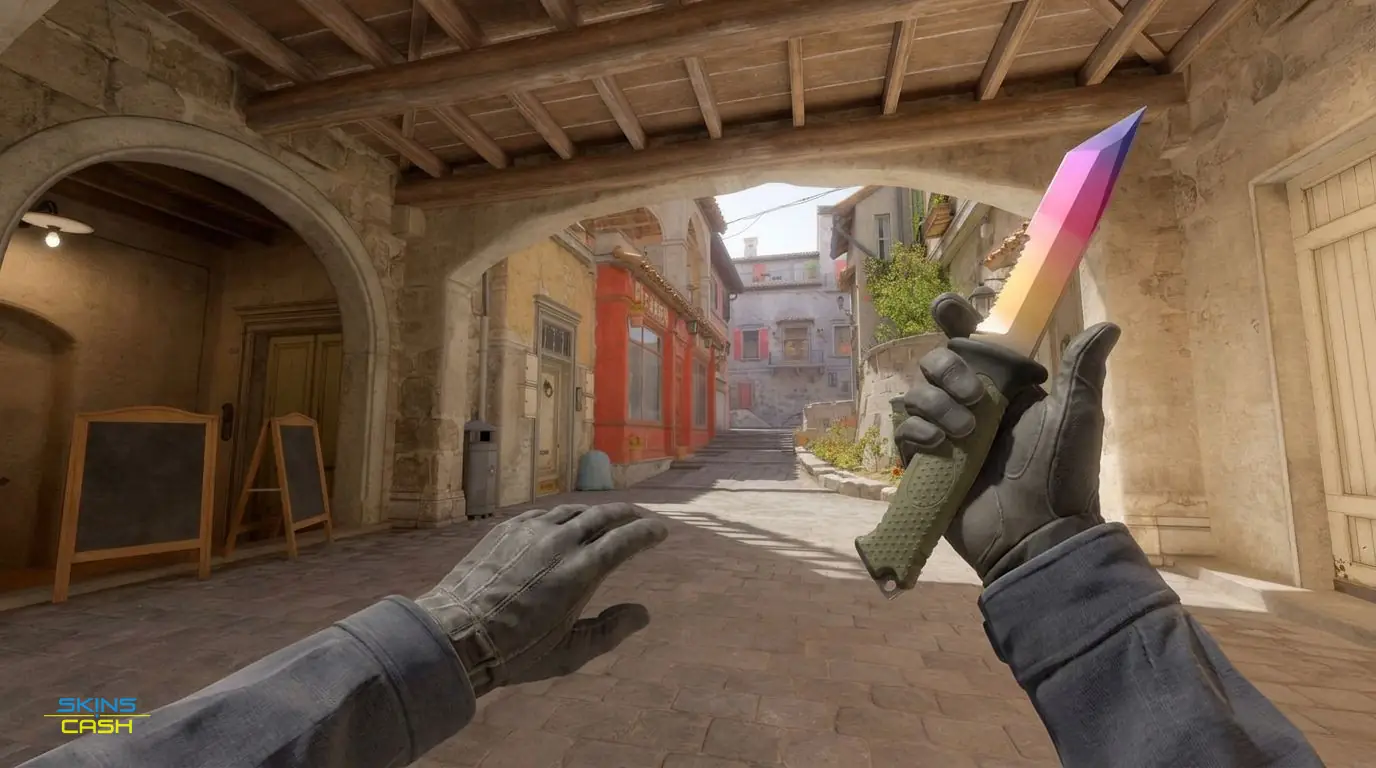
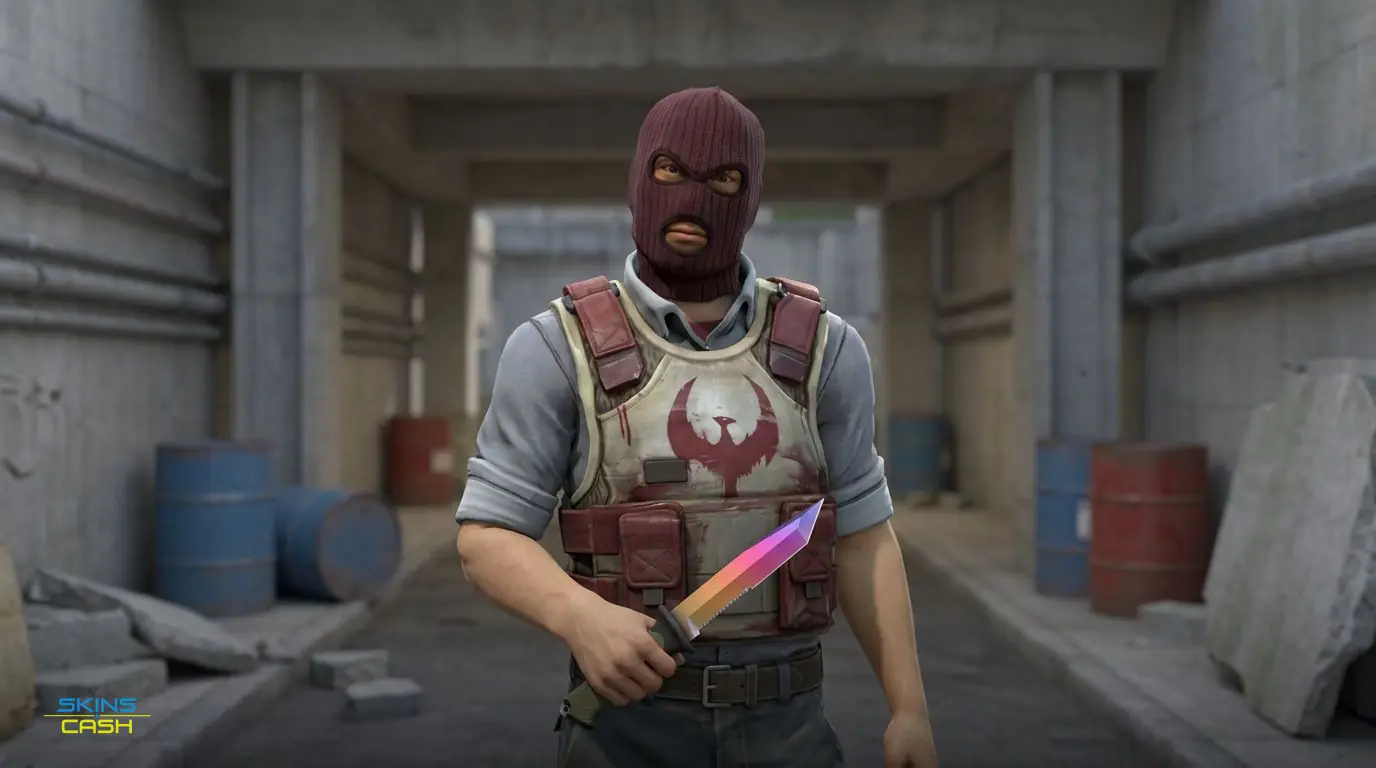
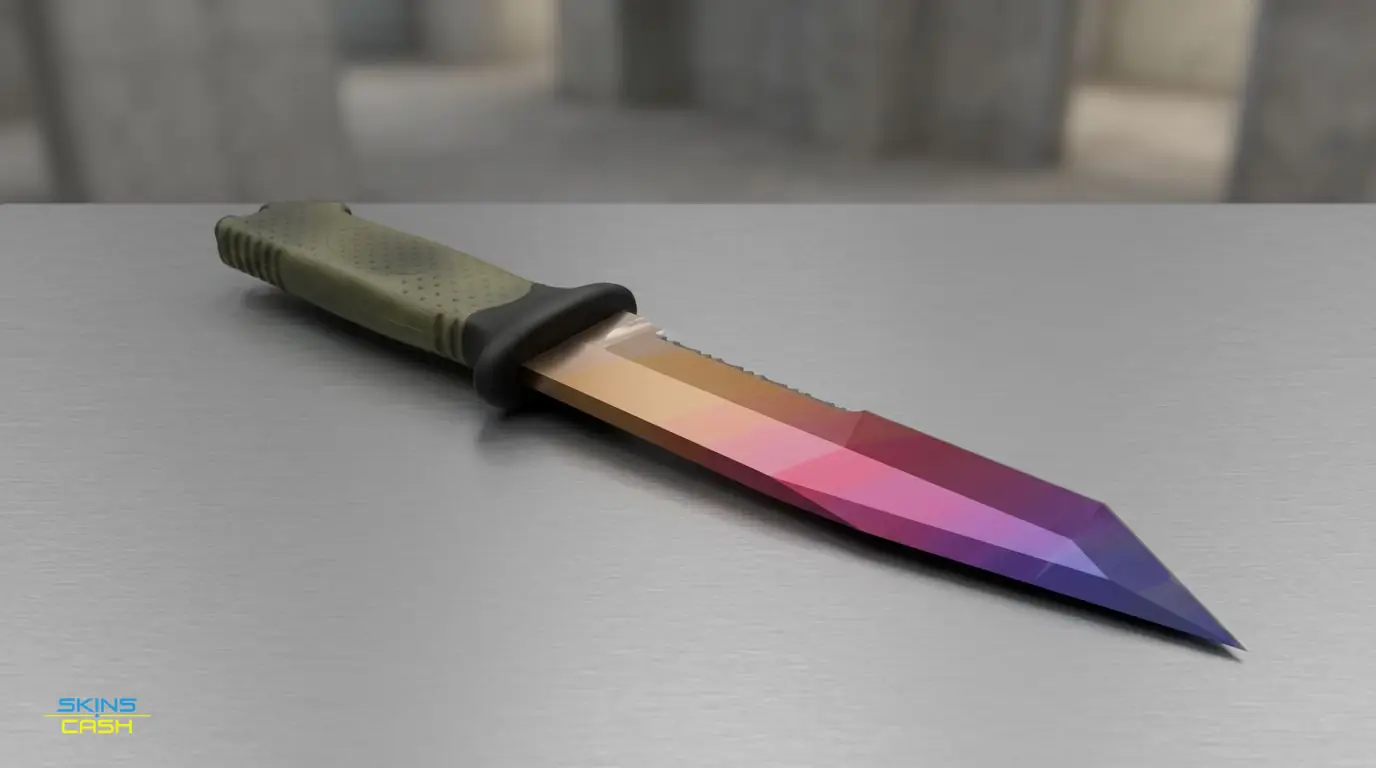
This sits squarely in the mid bracket and behaves like a mainstream collector pick rather than a speculative grail. Sellers find steady interest but no manic bidding wars; you get reliable takers at the established band rather than lottery buyers hunting massive spikes.
The ladder is tight at the top then steps down in clear tiers - not a smooth glide but a capped profile that compresses value up high. The absence of an extra clean-end premium for flawless copies flattens the absolute top, while lower rungs fall in stepped increments.
The sweet spot for skin-for-money sits below the ultra-clean face; buyers reward a well-balanced copy more than chasing the final micro-clean stage. Because flawless finishes do not grab extra premium here, moving stock from the upper mid wear into the near-clean tier usually nets the most efficient return.
Expect a stepped spread between listed asks and what you actually pocket, with wider gaps on the lower tiers and tighter bands nearer the clean end. The case origin and mainstream profile mean buyers post conservative asks; your cashout will reflect that practical gap rather than the sticker headline.
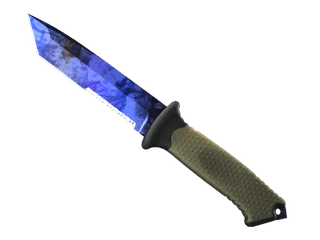
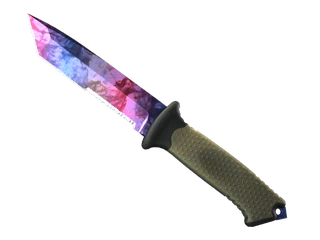
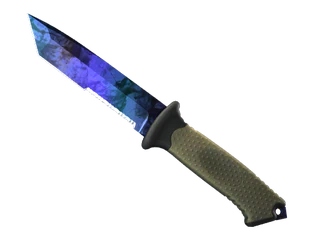
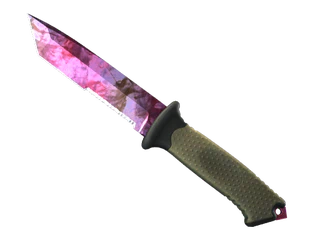
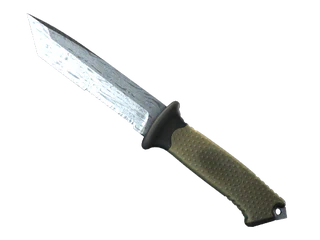
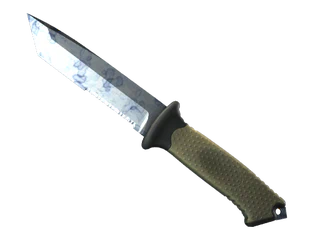
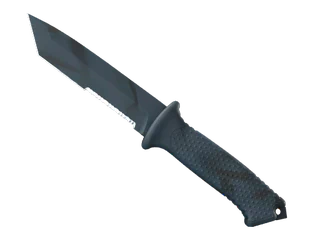
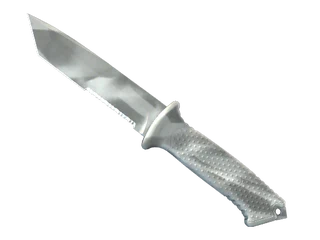
Fade and the anodized airbrushed finish are seed-sensitive, so visual tilt across float is obvious on inspection. Buyers will pay noticeably more for faces that show the fade's full gradient and clean transitions; worn abrasions dull that effect and push a copy down the ladder.
Being a Covert knife underpins a sturdy low end, so even beaten copies keep a respectable baseline. That rarity support keeps the bottom from collapsing, which is useful when the wider historical range has proven volatile.
StatTrak exists and carries its own demand curve that does not always mirror the non-StatTrak line; the ST asks can invert around particular wear points. For a seller that means ST copies clear differently - sometimes slower, sometimes cleaner buyers - so treat them as a separate stack when listing.
The finish reads as a warm fade across anodized airbrushed surfaces, with smooth transitions that play well under different lighting. Valve's designer framing gives it a mainstream silhouette and the color sweep is what sells in-game: clean, readable, and instant in demos.
This comes out of the Horizon Case, and that origin keeps a steady drip into supply rather than a sudden glut or permanent lock. The case pedigree supports continual circulation, which is why you see a consistent population across wear bands.
Historical range is massive while recent movement is quiet, so price jumps are possible but not the norm right now. That pattern makes timing important: if you need out, staged exits capture the band; if you wait for a spike you may be chasing past splits.
On the ask side, look for conservative listings that match the stepped lower-tier spread and avoid paying for the very top unless you need perfection. Seed sensitivity means inspect screenshots and float closely; a tiny visual difference can be the line between resale friction and quick turnover.
The community treats it as a solid, familiar blade - respected more for its look and maker than as a hype play. That steady sentiment keeps demand mainstream and predictable, with collectors and regulars doing most of the buying rather than trend-driven speculators.