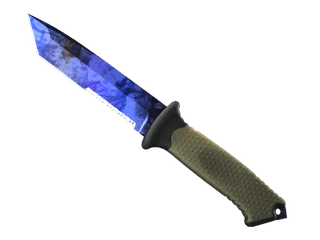
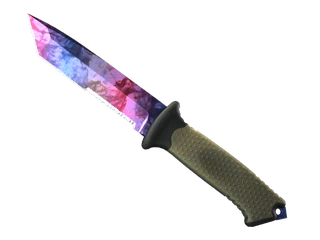
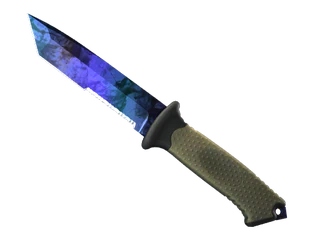
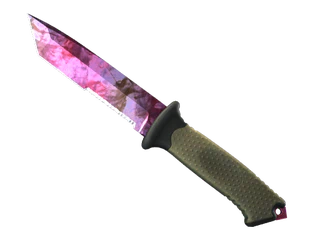
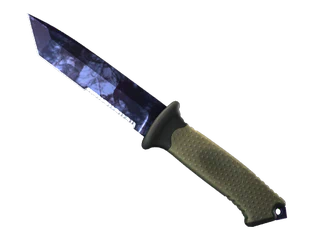
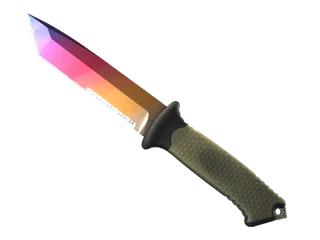
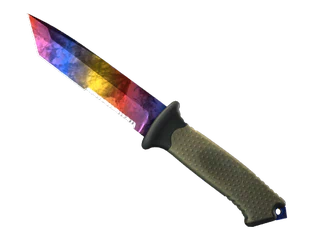
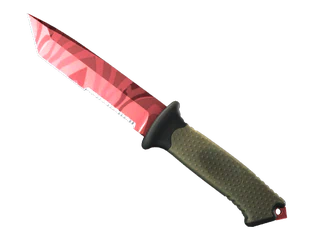
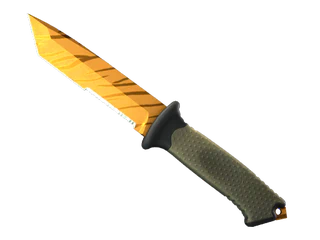
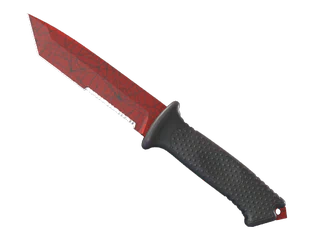
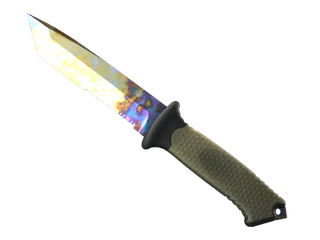
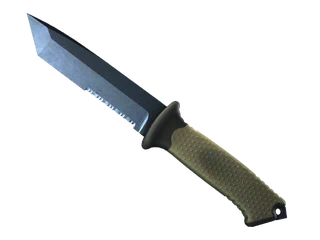
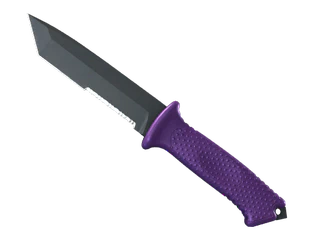
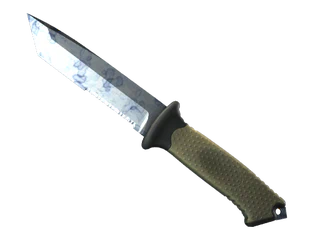
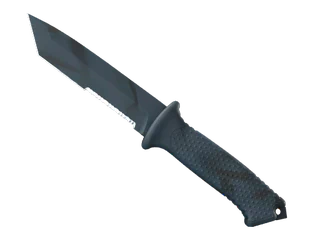
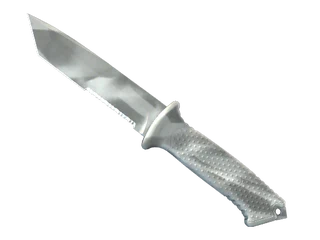
This Ursus Knife sits squarely in the mid tier and trades like a mainstream mainstay rather than a grail. Demand is muted and the market has been slipping; sellers should watch the clean end and Stattrak copies for the only real uptick in attention.
This Ursus Knife sits squarely in the mid tier and trades like a mainstream mainstay rather than a grail. Demand is muted and the market has been slipping; sellers should watch the clean end and Stattrak copies for the only real uptick in attention.
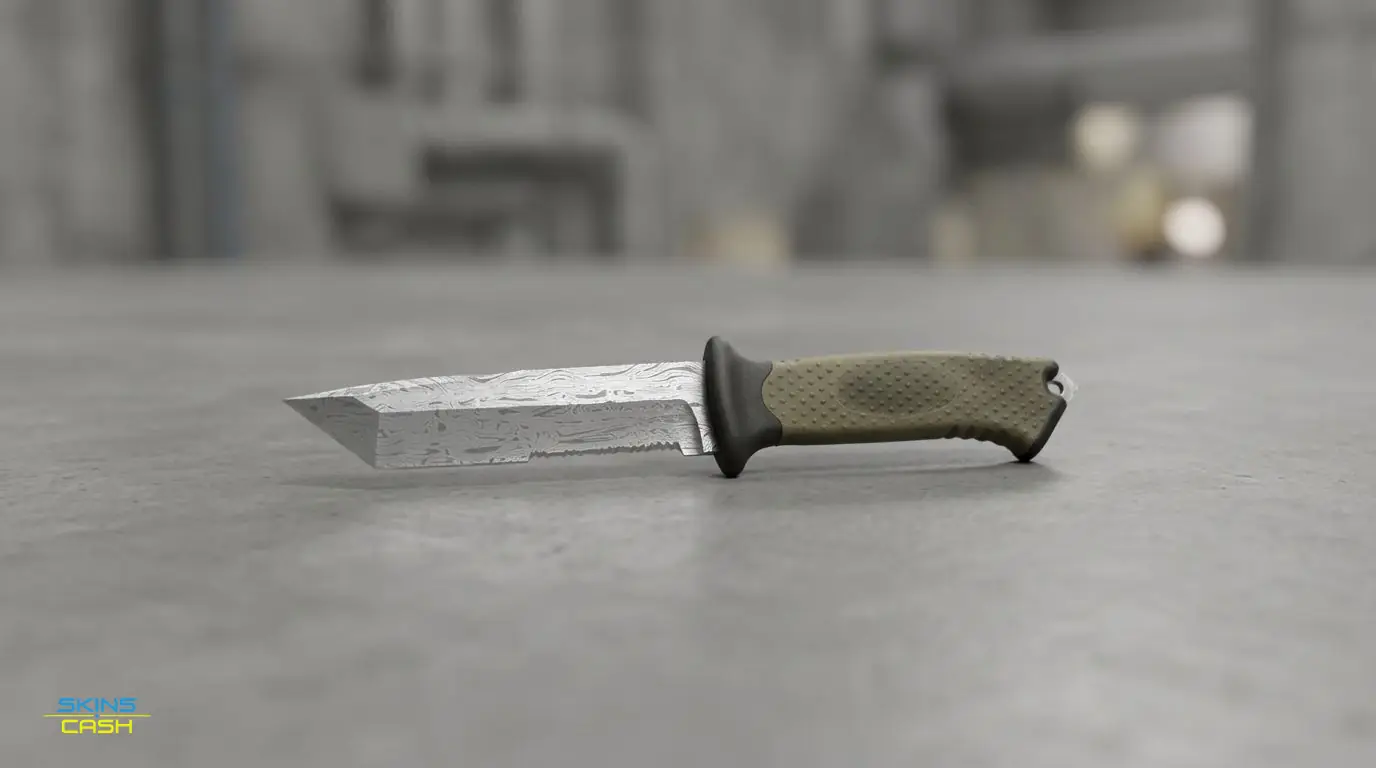
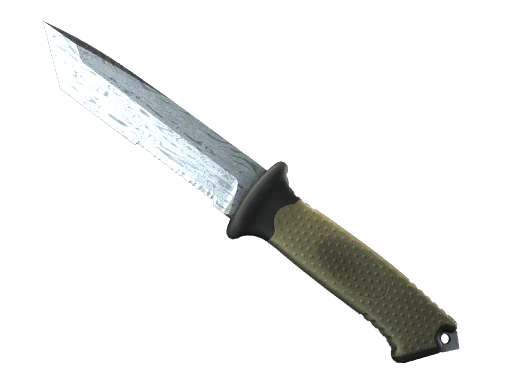
The Ursus Knife | Damascus Steel lives in a mid bracket where buyers are price conscious and listings move slowly compared with premium collectibles. Its status as a Covert keeps it relevant to collectors, but overall demand reads as mainstream rather than heat-driven; expect patient listings and selective takers rather than a feeding frenzy.
The ladder is capped and leans on the cleaner end for any meaningful separation, but the drop from the very clean to the rest is modest rather than explosive. There is a defined premium band at the top, then a broad, flatter stretch through mid and high wear where payouts compress and momentum fades.
Down the ladder, worn copies cluster closely together and the market treats those wears as interchangeable. If you hold a beaten copy, it rarely gains traction from marginal float differences - sell into the compressed mass or hold for a cleaner specimen instead.
Mid-clean wears deliver the most skin-for-money until the ladder begins to reward a visibly cleaner face; that top band is where buyers pay up, but the point of diminishing return arrives sooner than with flashier finishes. For someone seeking bang for buck, the middle of the ladder is the sensible entry while the very clean examples are the only ones that justify chasing extra payout.
The Patina finish softens visibly but not brutally; small float improvements improve presentation, yet only the cleanest faces move the needle for buyers. In plain terms: wear matters, but you need a noticeably cleaner surface before buyers re-rate the piece.
There is no pattern index game here - the Damascus motif and Patina finish do not create seed-driven premiums, so price hinges on float and the presence of Stattrak alone. That simplifies pricing: you read float and variant and leave seed talk out of the spreadsheet.
Being Covert gives the knife a baseline presence in inventories, but the floor pressure is still weak and vulnerable to downward moves. The rarity helps ensure worn copies find a seat at market rather than vanishing, yet it does not prop the bottom in the way a stronger floor would.
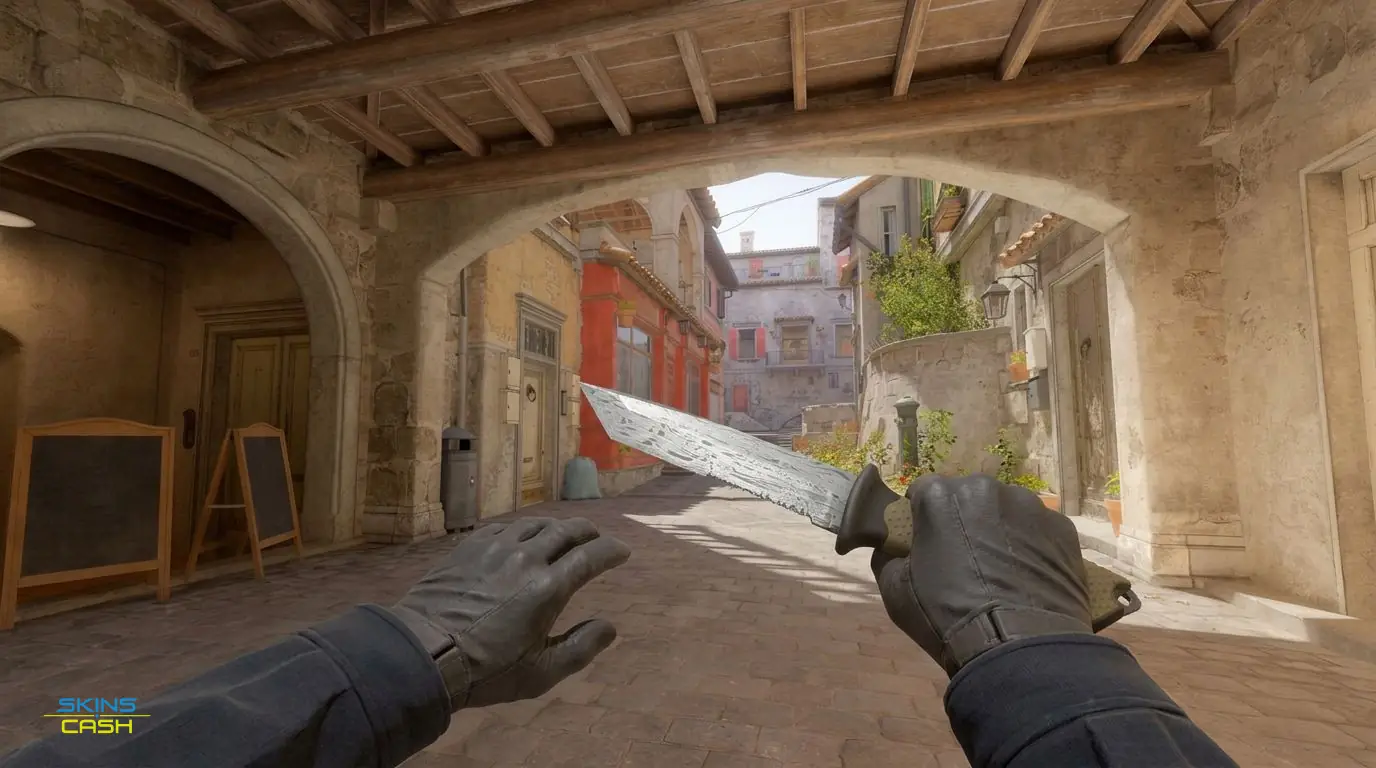
White highlights and the Patina finish give the blade a muted, worn elegance that reads clean in-game under a range of lighting. Valve's designer choices favor subtle contrast over flash, so this knife plays well for buyers who want a restrained Damascus appearance rather than loud coloration.
It drops from the Prisma Case, which feeds the supply stream steadily rather than in spurts tied to special events. That steady origin contributes to a wide availability profile and reinforces the mid-tier, mainstream trading dynamics you see on listings.
The historical band for this knife is massive, so prices have swung broadly in the past and can again. Current placement sits somewhere within that wide band, meaning there is precedent for both cheaper and pricier moves but also a lot of room to accept volatility.
Use tight spread discipline when you list: the market rewards sellers who stage incrementally and avoid desperate undercuts. Place listings to capture the thin premium at the clean end and match the compressed lower band when offloading worn copies, then lift off as matching bids firm up.
The community respects the model and the pro connection, but sentiment is lukewarm compared with trendier blades. Collectors nod to the design and some players like the look in rounds, yet overall chatter is steady rather than hyped; that signals slow, considered demand rather than impulsive buying.