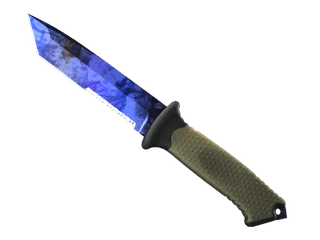
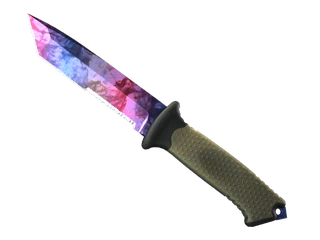
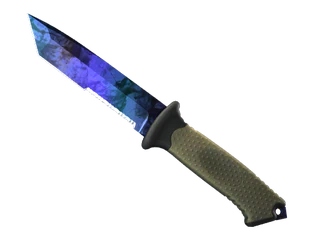
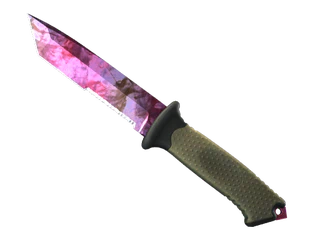
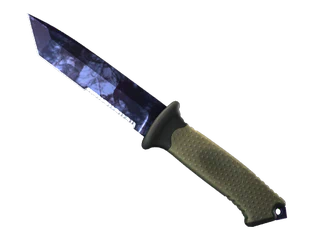
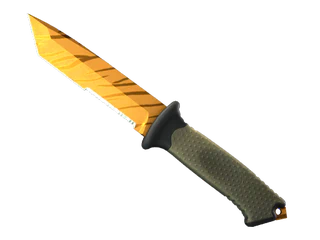
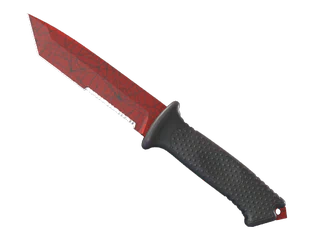
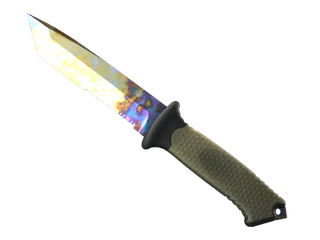
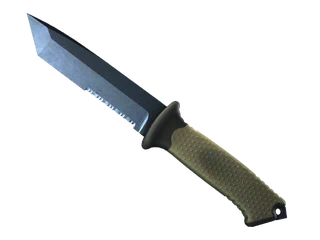
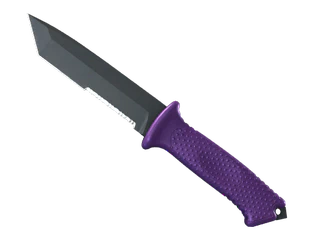
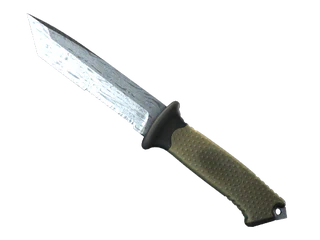
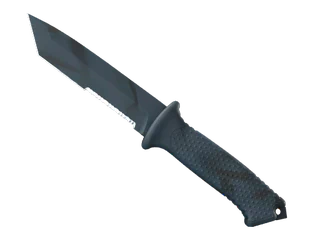
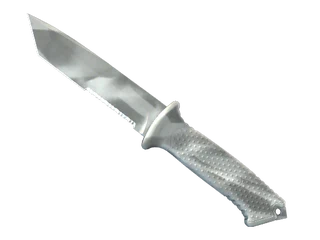
A mid-tier covert with an uneven market: buyers are selective and clean copies pull noticeably more attention. The Ursus Knife | Stained trades in a wide historical band and shows real float sensitivity, so pick your exit point by wear and whether it's StatTrak or not.
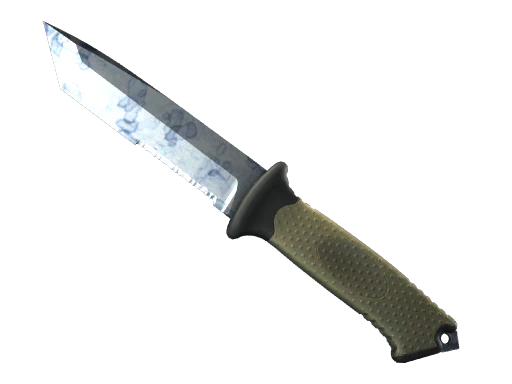
A mid-tier covert with an uneven market: buyers are selective and clean copies pull noticeably more attention. The Ursus Knife | Stained trades in a wide historical band and shows real float sensitivity, so pick your exit point by wear and whether it's StatTrak or not.
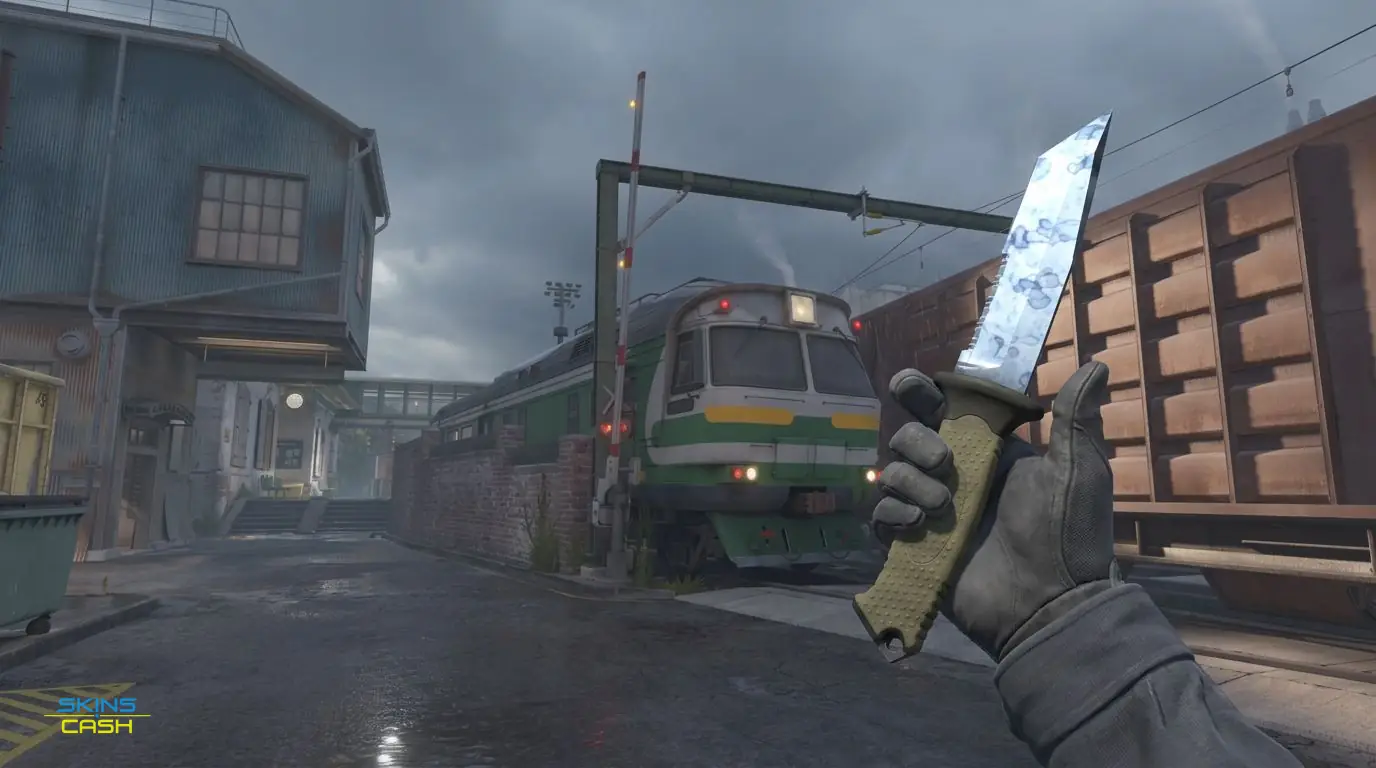
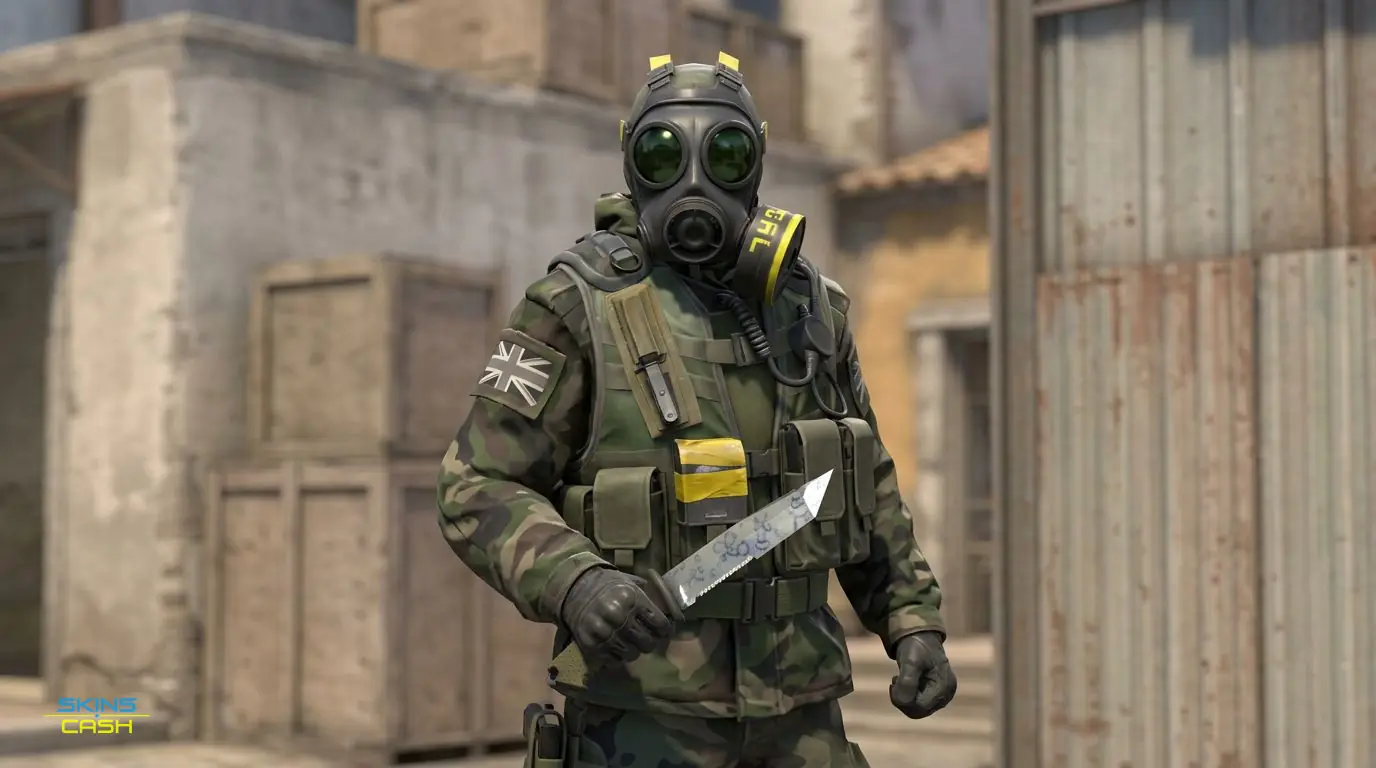
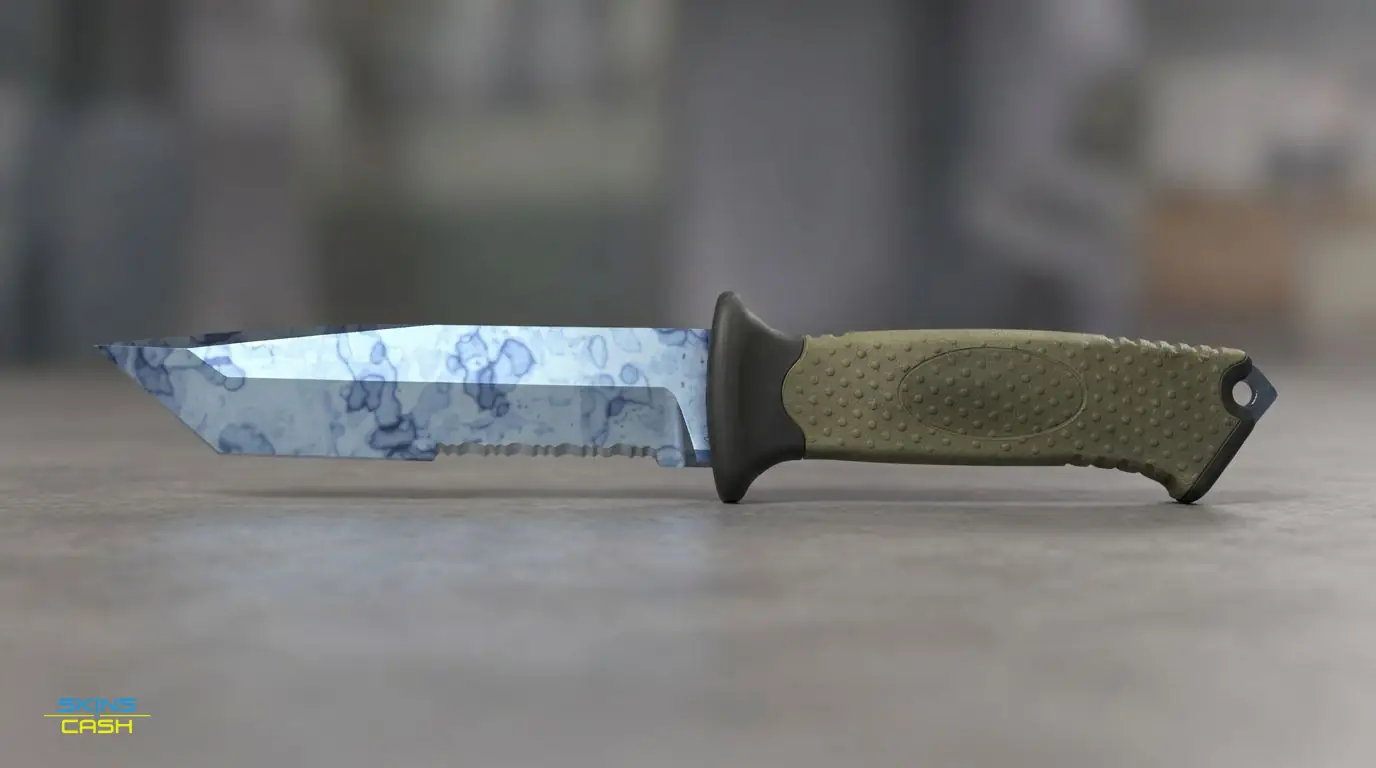
This is a mid bracket covert that sits below grail knives but above the budget blade crowd; demand is steady among collectors who want a patina finish without chasing ultra-rare patterns. For a seller that means you can expect patient buyers rather than impulse bids, and quick moves only on standout clean or StatTrak examples.
Payout curves here are a full-range ladder with a clear bend toward the clean end rather than a flat plane; the cleanest copies enjoy a pronounced lift while the mid and worn rungs compress into a gentler slope. If you're watching listings, look for that break where prices stop marching downward and start to spike upward.
The best skin-for-money lives in the mid-to-low wear segment where the patina reads well and buyers get a usable aesthetic without stretching for the top-tier clean premium. Once a copy crosses into the near-clean zone the payout growth accelerates and the marginal return on cleaner float drops off for most resellers.
Worn copies bunch together; the white-gray patina and scuffed surfaces make small float differences irrelevant at the dirty end. Holding a worn Ursus Knife | Stained usually means listings will compete on extras like quick delivery or StatTrak rather than small float edges.
This knife spans the entire float spectrum, so literal float discipline matters when selecting stock to move later - you will see everything from heavily worn to near-perfect in the same listing pool. That spread creates opportunity: pick clean copies for outsized pickup and reserve worn pieces for quicker turnover.
StatTrak variants exist and live on a separate demand curve; buyers who want kill counters are a narrower crowd but often less price-sensitive about small wear differences. StatTrak listings trade on the counter and condition together, and they usually clear slower unless the float is eye-catching.
On StatTrak the usual order can flip: a dirtier counter-bearing knife can out-price a cleaner non-counter or even a cleaner StatTrak when the visual appeal of the patina matches buyer tastes. Watch recent solds for that inversion and don't assume cleaner equals higher money in the ST pool.
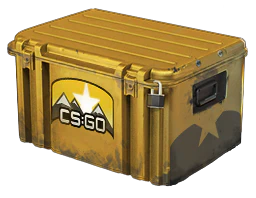
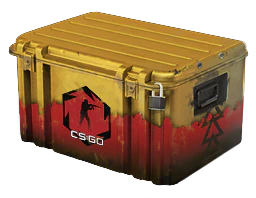
This comes from the Horizon Case, so supply is tied to that container's distribution rather than special events or promos. Expect the usual case-driven trickle rather than sudden injections tied to tournament drops.
Gray and white tones sit over a patina finish, giving the blade a muted industrial look that reads well in most lighting and maps; the Valve design language keeps it conservative rather than flashy. That palette helps mid wears stay attractive while letting clean examples stand out without garish color clashes.
Short-term movement is gently upward, a soft recovery off a longer pulled-back trend that still shows a much lower trajectory over the bigger picture. The near-term interest is real but cautious.
Buyers should be picky on float and variant before committing - entry asks can look tempting until you factor StatTrak status and where the wear sits on the ladder. Tighten your buy rules around clean floats or accept compressed returns if you're buying toward the worn end.
Players respect the look and Valve pedigree; community sentiment is pragmatic rather than ecstatic, with collectors liking the patina but not elevating it into grail territory. That steady, niche approval supports consistent secondary demand without speculative spikes.