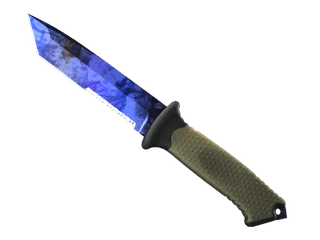
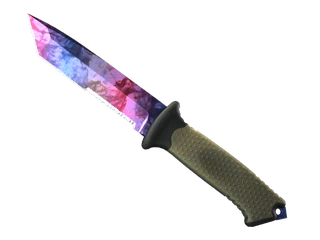
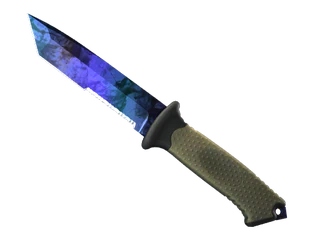
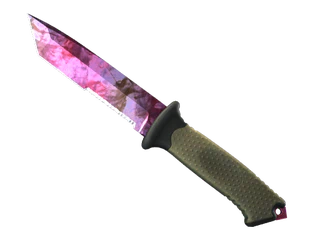
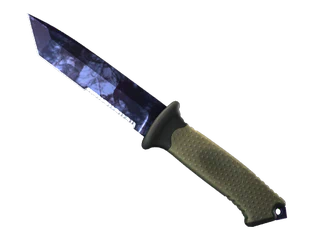
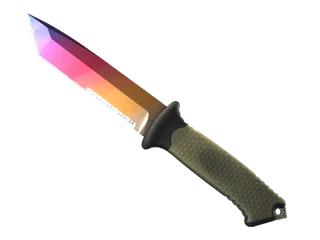
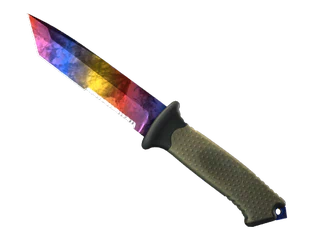
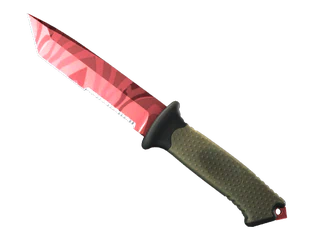
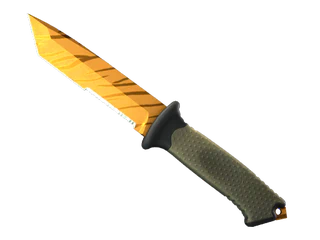
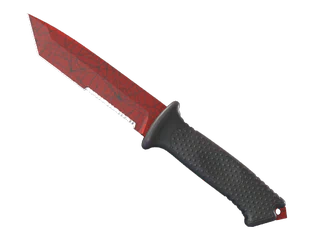
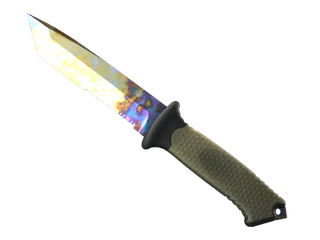
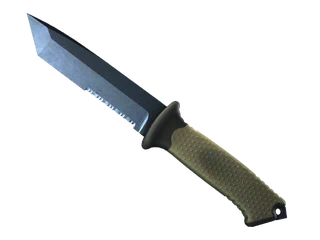
Mid-tier covert interest with a weak floor and a tight bottom band where most supply sits. Float is capped, so true beat-up copies never show up; that keeps the lower rung compressed while the cleaner knives still attract the few serious buyers left in a down market.
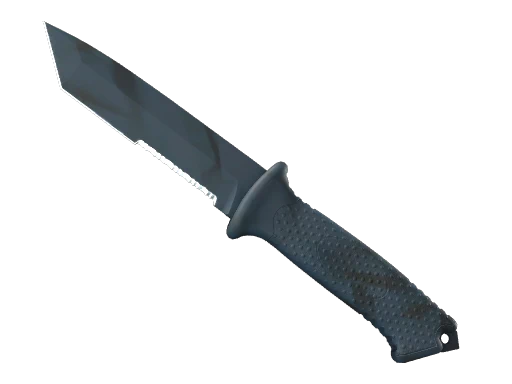
Mid-tier covert interest with a weak floor and a tight bottom band where most supply sits. Float is capped, so true beat-up copies never show up; that keeps the lower rung compressed while the cleaner knives still attract the few serious buyers left in a down market.
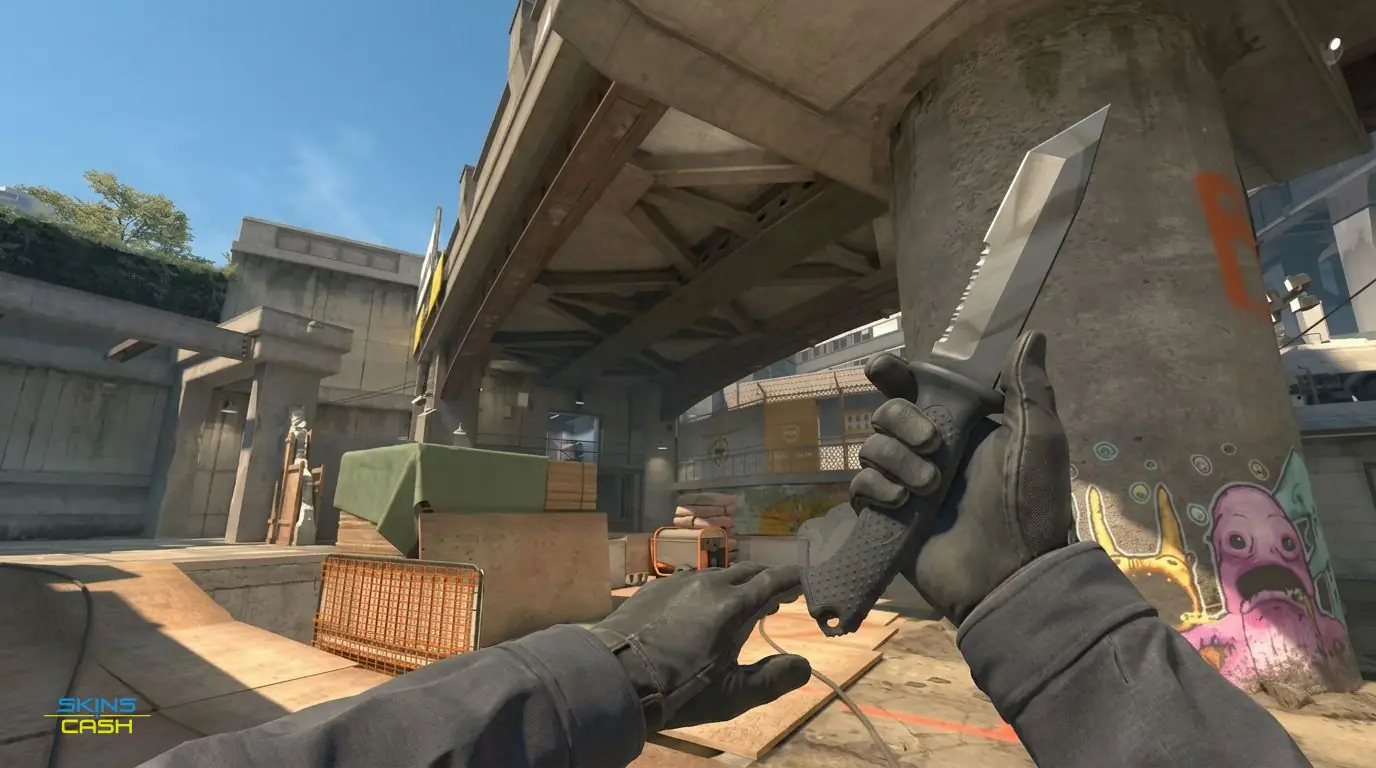
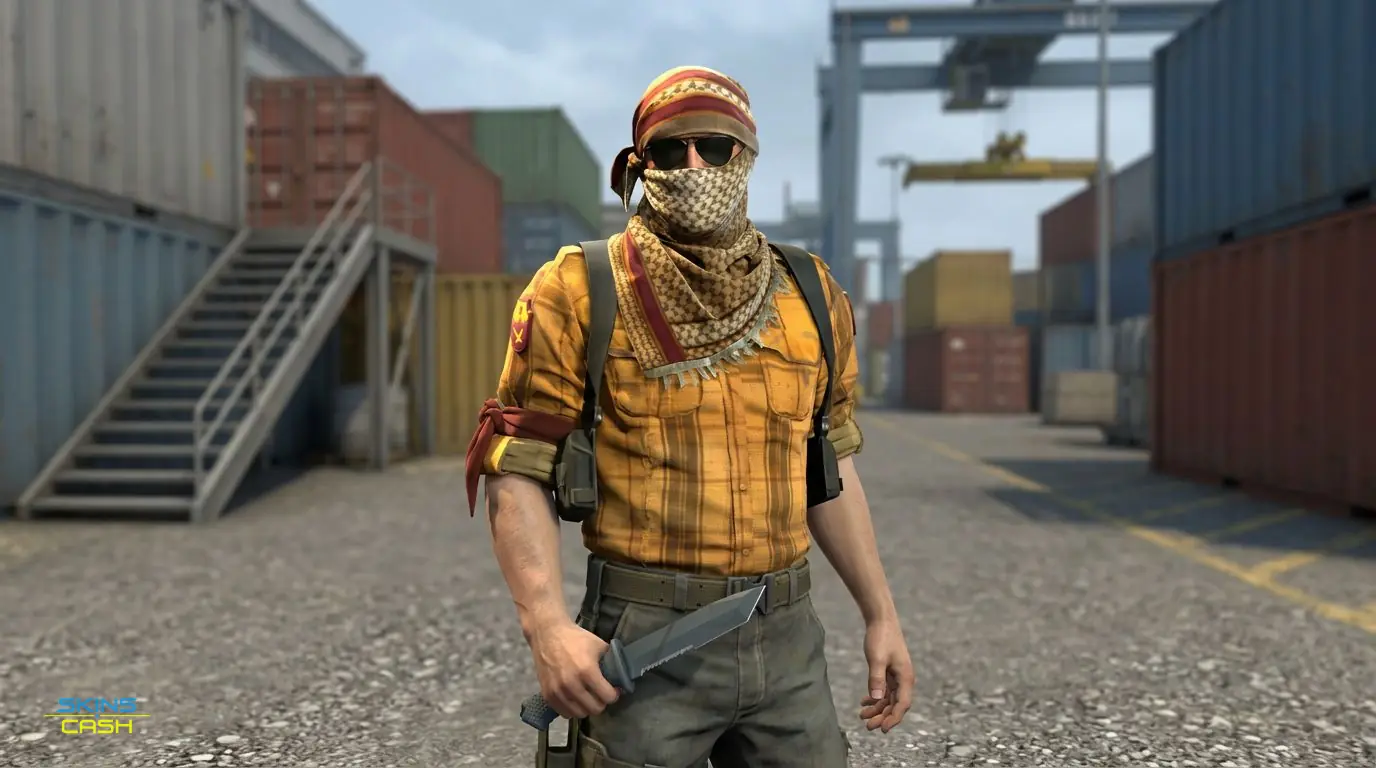
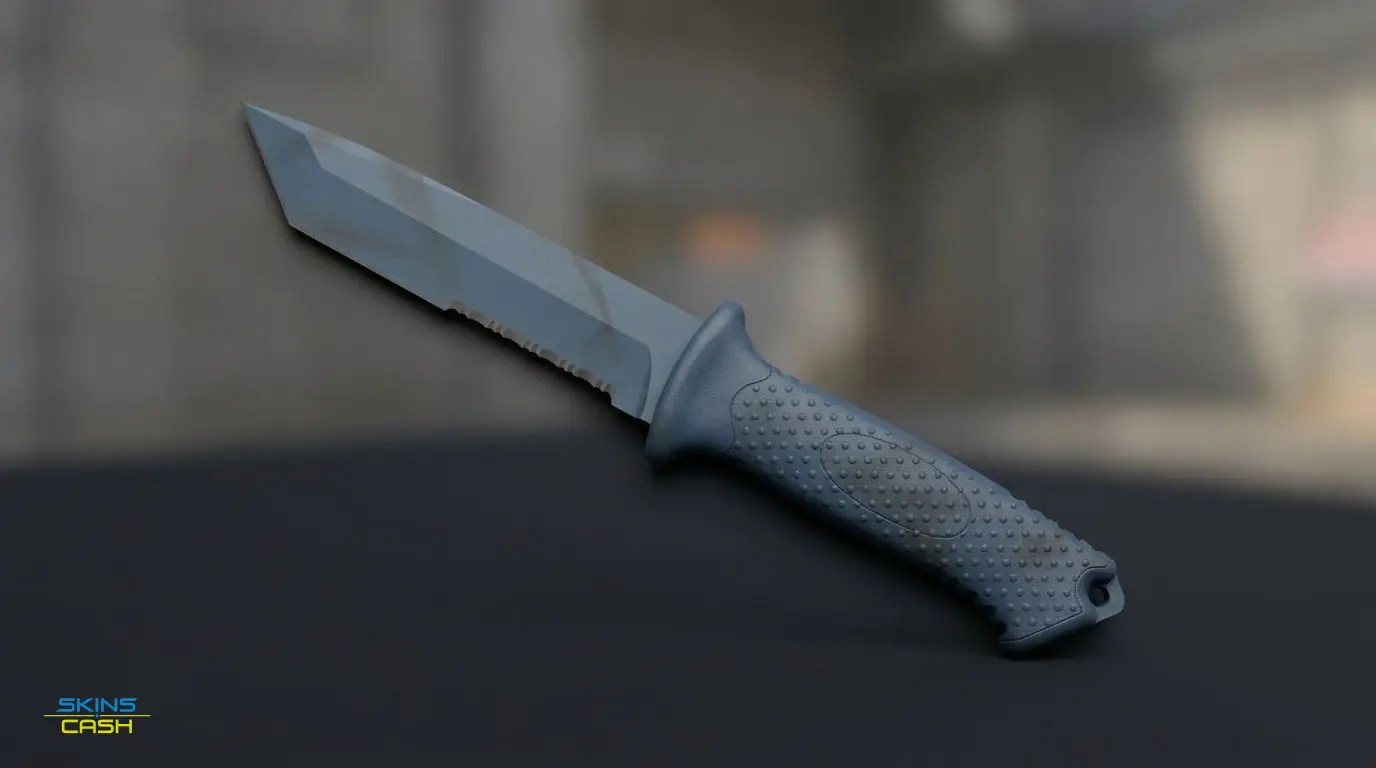
This sits squarely in the mid bracket for covert knives - not grail money but not budget either. For a seller that means steady attention from mainstream traders rather than collectors; expect demand to come from players who want the Valve-designed spray-paint look without chasing trophy pieces.
The ladder is shallow at the low end and then takes a noticeable drop toward the clean end, creating a capped profile where the top wears command clear separation. Because factory-new premium is absent, the jump into the very clean zone is what matters rather than an extra premium for pristine factory finishes.
Listing tags will sit above what you actually walk away with; the gap widens when buyers factor marketplace fees and unwillingness to chase in a falling trend. When you price, use the live buy block as your reference and expect buyers to anchor lower than sticker - that delta is your negotiation room.
The most skin-for-money sits in the mid-to-dull segment where the capped float keeps wear readable but not precious. Past a certain clean point the payout curve stops rewarding improved float meaningfully, so target the mid wear for a better tradeoff of looks versus cash returned.
This finish doesn't span full float extremes, so the "worst" copies look cleaner than typical beat-up knives. That compresses the lower tier spread and prevents deep discounting at the bottom; trash-tier noise is largely absent because the float floor is higher than a full-range blade.
StatTrak examples exist and behave on a separate plane; they can move independently of the standard line and sometimes invert expected premiums. If you sell an ST knife expect a distinct buyer set and a separate demand curve that needs to be priced on its own merits.
Pattern doesn't matter here - there is no seed story to chase or avoid, so price is float-driven and clean to list. That simplifies market work: check float and ST status, then list; you won't lose buyers over rare pattern surprises.
Comes from the Horizon Case, which keeps supply steady but not overwhelming. That origin means refreshes of supply are tied to that case's circulation rather than odd drops from tournaments or events.
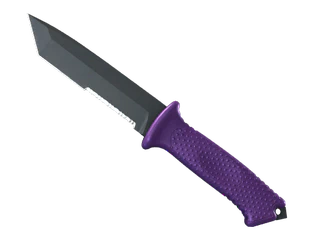
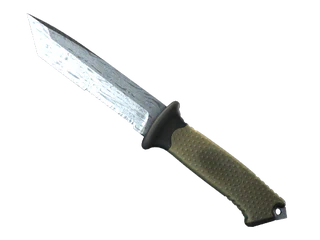
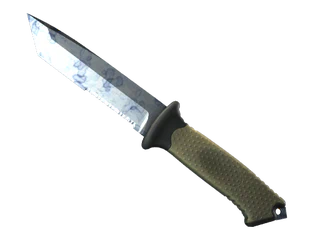
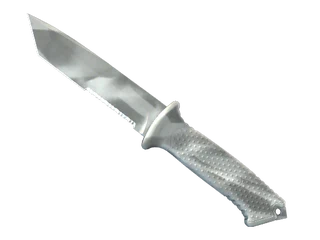
A gray palette with a spray-paint finish gives the knife a muted, utilitarian look that reads clean on most maps. Valve's designer stamp and the Night Stripe motif make it a straightforward, no-flash choice that still stands out in play when light hits the stripe.
The skin has been moving down hard in the short window, and the longer arc matches that slide. Momentum is negative, so buyers are more cautious and waits are common unless a cleaner specimen appears.
Traders often ignore the capped float and treat the lower end as if it could hit full wear, which drags listings too low. Also watch for mixing StatTrak and non-StatTrak comps on the same ask; separate the lines and price by float to avoid wasted re-lists.
Juanflatroo is the named pro tied to this model, which gives occasional headline relevance without turning it into a collector chase. That kind of visibility keeps baseline interest steady among fans and players who follow pro gear, but it does not create outsized spikes.