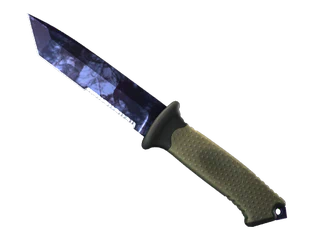
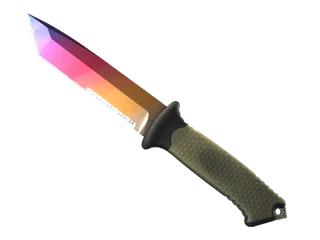
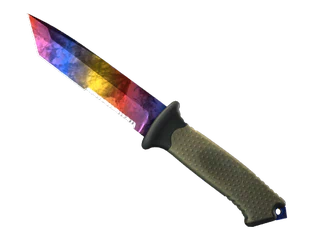
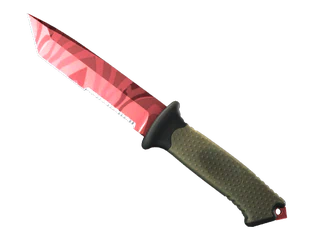
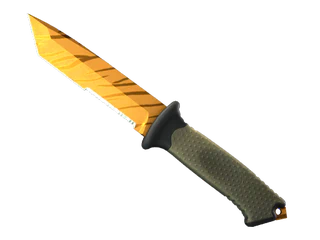
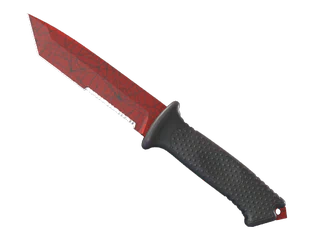
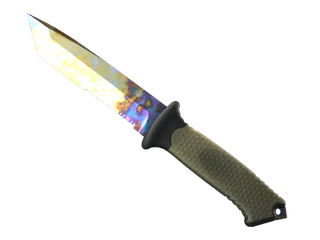
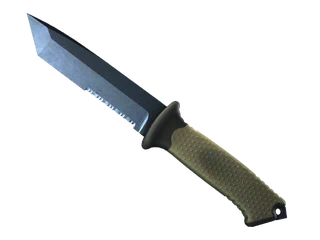
Demand is soft and drifting lower across the chain, with listings clustering and few aggressive buys. Clean floats still attract attention but Factory New carries no extra premium, so the market is driven by wearable copies and headline condition rather than rarity alone.
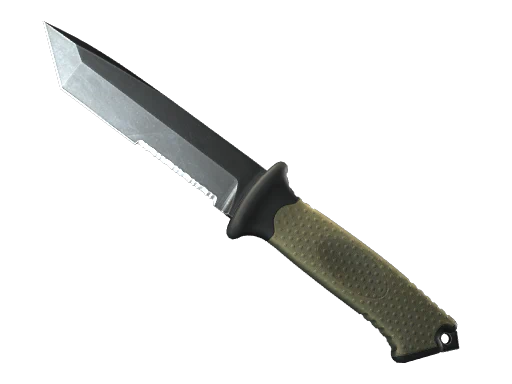
Demand is soft and drifting lower across the chain, with listings clustering and few aggressive buys. Clean floats still attract attention but Factory New carries no extra premium, so the market is driven by wearable copies and headline condition rather than rarity alone.
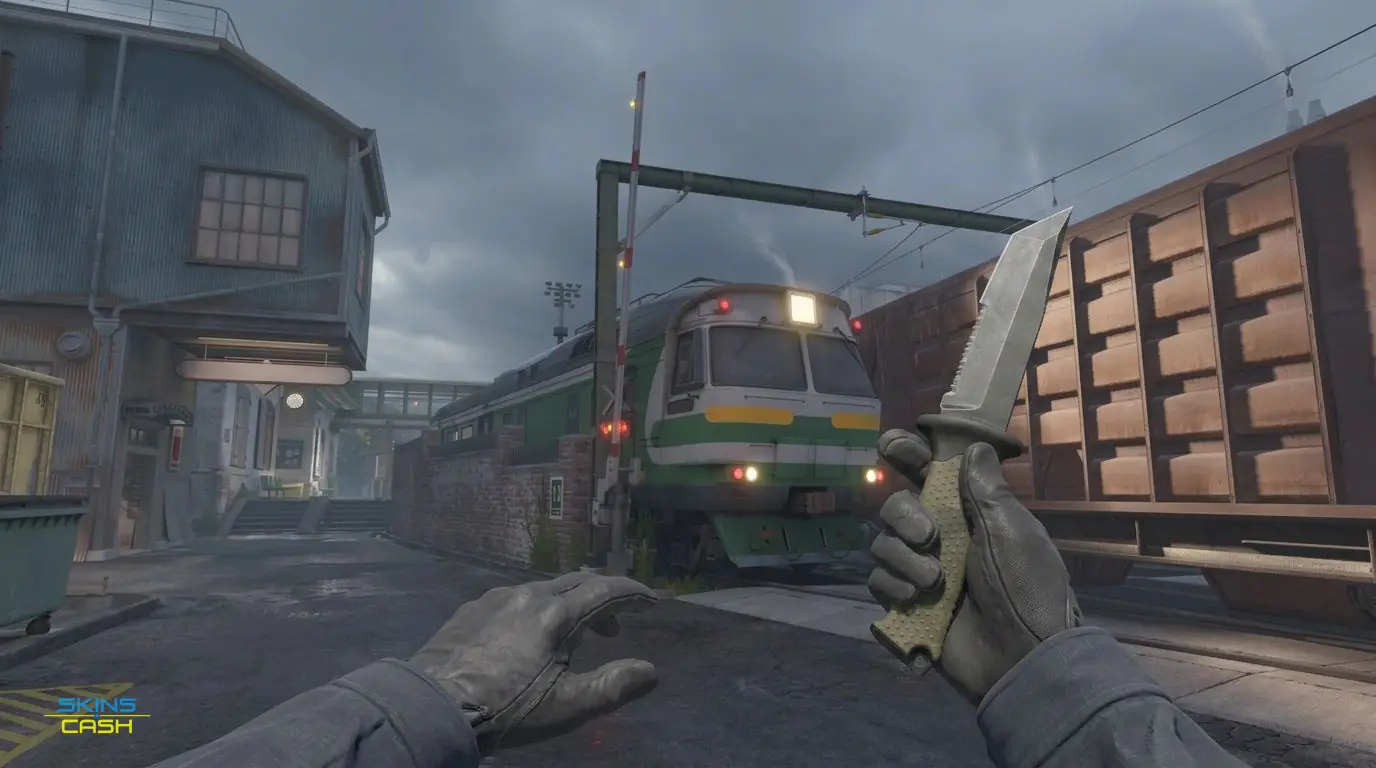
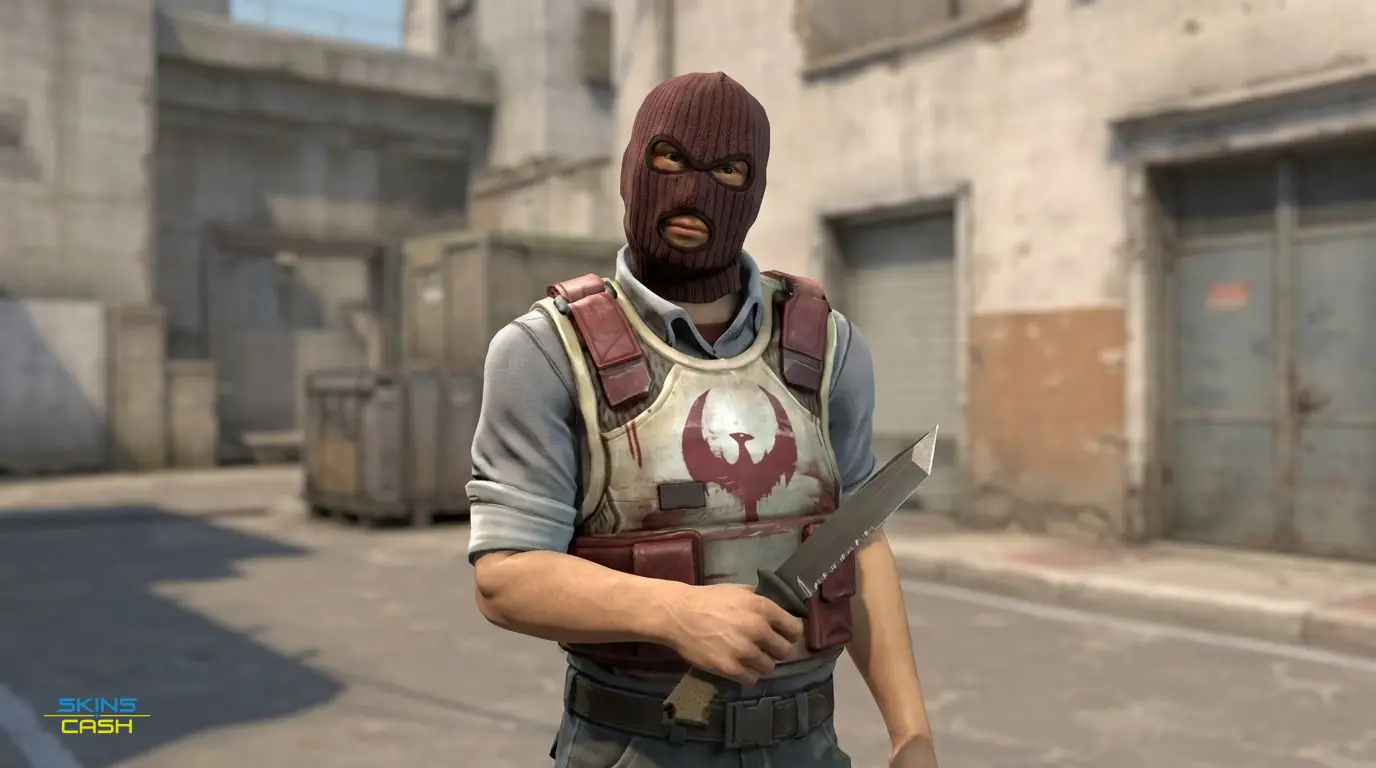
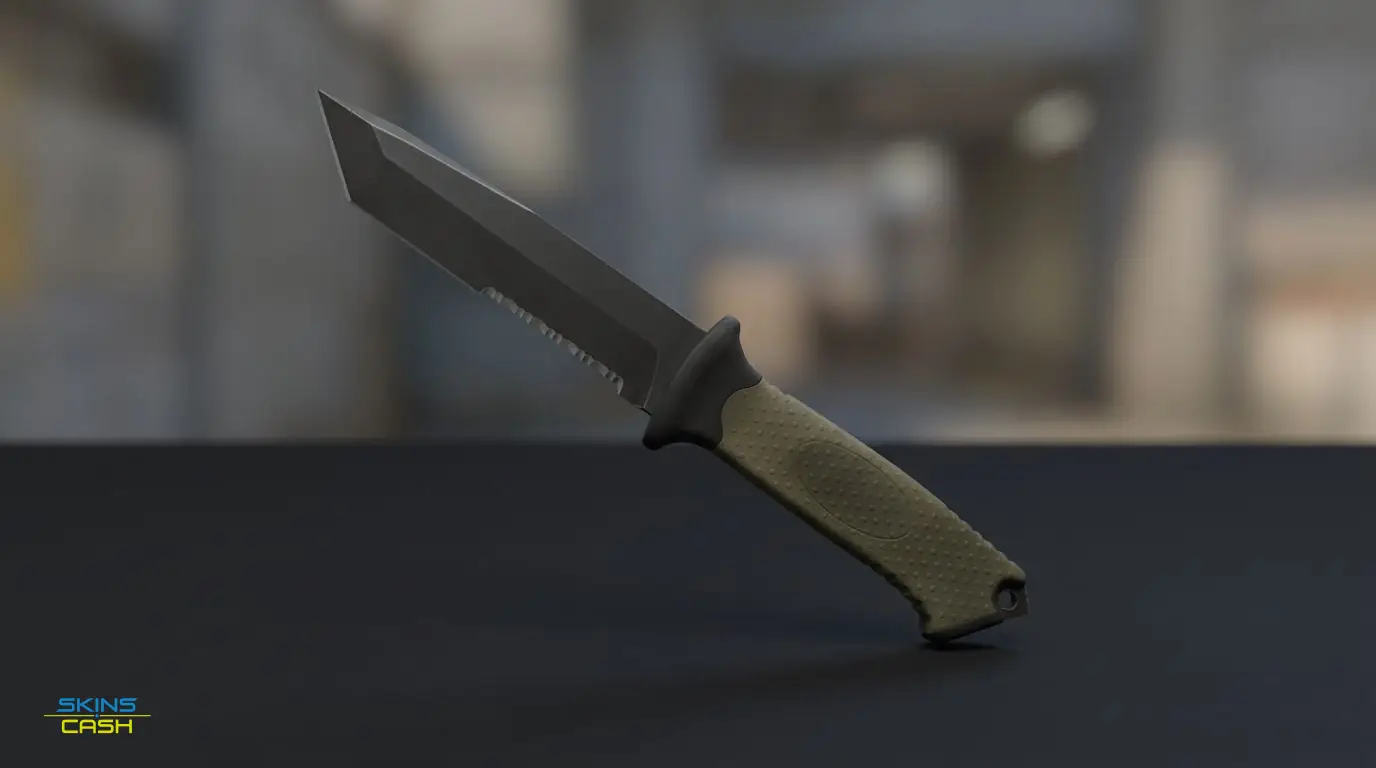
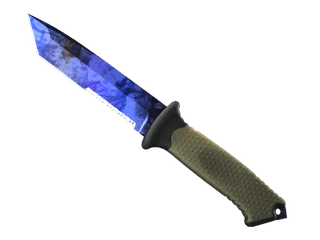
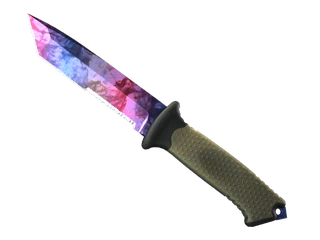
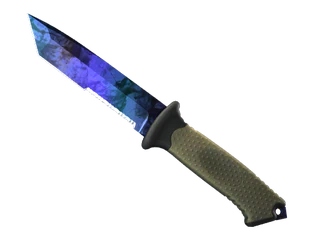
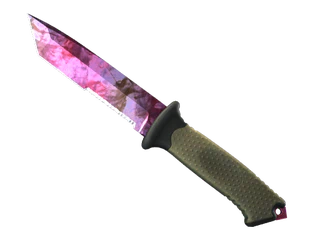
The Ursus Knife sits as a collectible Covert with mainstream visibility rather than a speculative grail; it trades like a case rare that players recognise and some traders hold for a clean copy. Sellers should expect demand to be focused and picky, not broad, with movement coming from condition-conscious buyers and the occasional pro-linked interest because of the EliGE and hampus connection.
The ladder is a full-range profile with value spread across the spectrum and a clear drop as wear worsens; the top wear is not specially inflated. With no Factory New premium, the curve is flatter at the very clean end and then falls more noticeably toward high wear, creating a usable but not extreme differential between fresh and beaten copies.
For someone looking for the most visual bang per spend, the lightly worn to minimally worn region gives the strongest appearance relative to cost before the ladder stops rewarding cleaner floats. Sellers should prioritise how the gray Raw finish holds up at lower wear when deciding whether to list as a premium clean or a practical sale.
Expect a spread where asking prices reflect optimistic clean copies while cashouts factor in swift liquidity and commissions; that gap widens while markets slide. When the trend is down hard, sticker asks hang above what quick sellers will net, so plan entry and exit around where buyers actually meet offers, not the headline price.
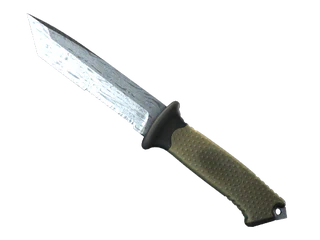
The Raw finish shows wear in a straightforward way: the gray palette loses the sharper contrasts as float increases and buyers notice it. That sensitivity means neat, low-wear faces still move ahead of more worn examples, but the absence of FN premium keeps the top tier from being absurdly prized.
There is no StatTrak or Souvenir split here and no variants to juggle, so pricing is a single market line driven by float and demand. That simplicity makes valuation blunt: check float, check spread, and there are no alternate lines to undercut or arbitrage against.
Pattern index does not enter the picture for this finish, so you are not pricing around secret patterns or rare placements. With pattern noise absent, float is the primary variable that movers and buyers will use to judge value.
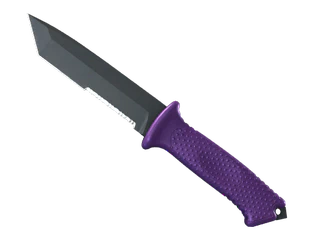
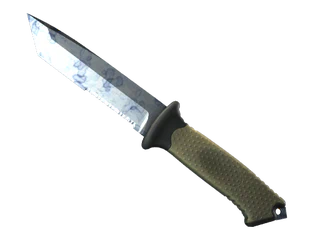
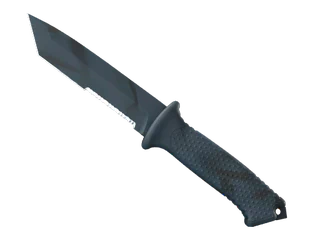
The Raw gray palette reads utilitarian and aggressive in play, fading cleanly as wear increases and keeping silhouettes readable at distance. Valve's handling of the finish leaves the knife looking like a purpose tool rather than a flashy showpiece, which helps it stay relevant across player tastes.
This knife appears from the Horizon Case, so supply is tied to that container rather than a later reissue or exotic source. That origin sets the baseline of available copies and how frequently fresh supply returns to market.
The historical band is wide, with past trading showing meaningful movement between peaks and troughs rather than a tight stable price. Given the current down hard trend, the skin sits closer to the softer end of its historical swing compared with moments of stronger demand.
List smart: price expecting a gap between the sticker and a fast cashout, and set your lowest acceptable net before you confirm the sale. On Skins.Cash, patience and small step-downs through the spread will often outperform dumping at the top ask when markets are moving down.
Players and traders recognise the Ursus Knife as a solid Covert with pro associations and a practical aesthetic; sentiment is neutral-to-cool rather than frenzied. That steady recognition helps keep trades predictable even as short-term momentum fades.