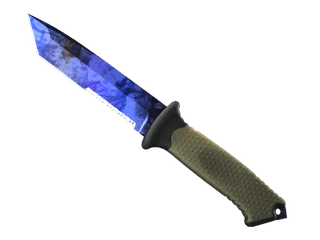
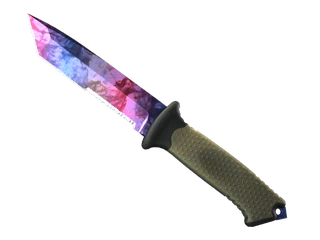
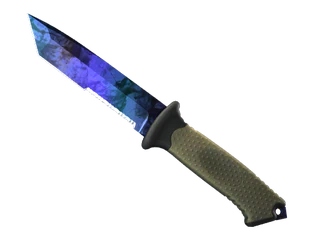
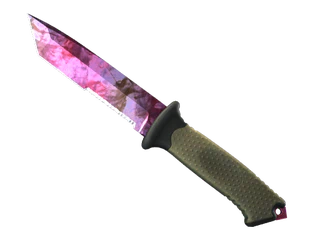
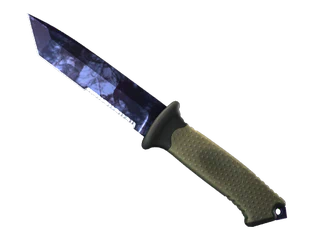
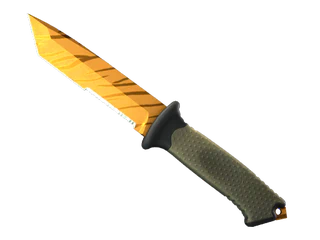
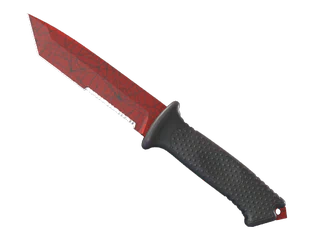
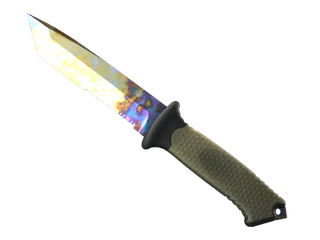
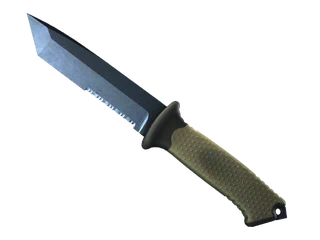
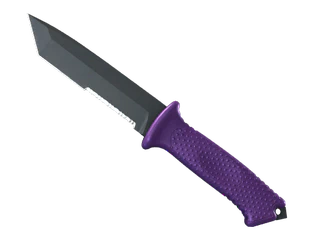
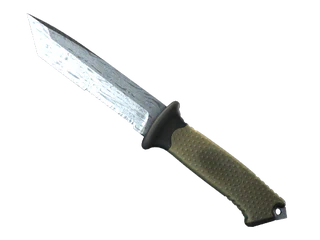
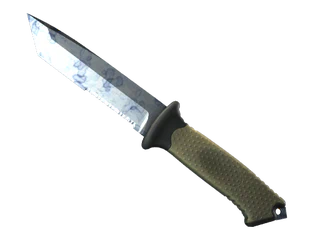
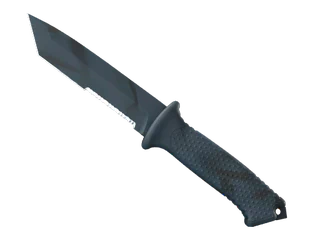
Mid-tier demand with a soft floor: the Ursus Knife | Safari Mesh sits where collectors and budget grail hunters cross paths, but liquidity is thin and price action feels fragile. If you plan to sell, watch float and StatTrak placement - those two variables dictate whether a listing attracts attention or sits.
Mid-tier demand with a soft floor: the Ursus Knife | Safari Mesh sits where collectors and budget grail hunters cross paths, but liquidity is thin and price action feels fragile. If you plan to sell, watch float and StatTrak placement - those two variables dictate whether a listing attracts attention or sits.
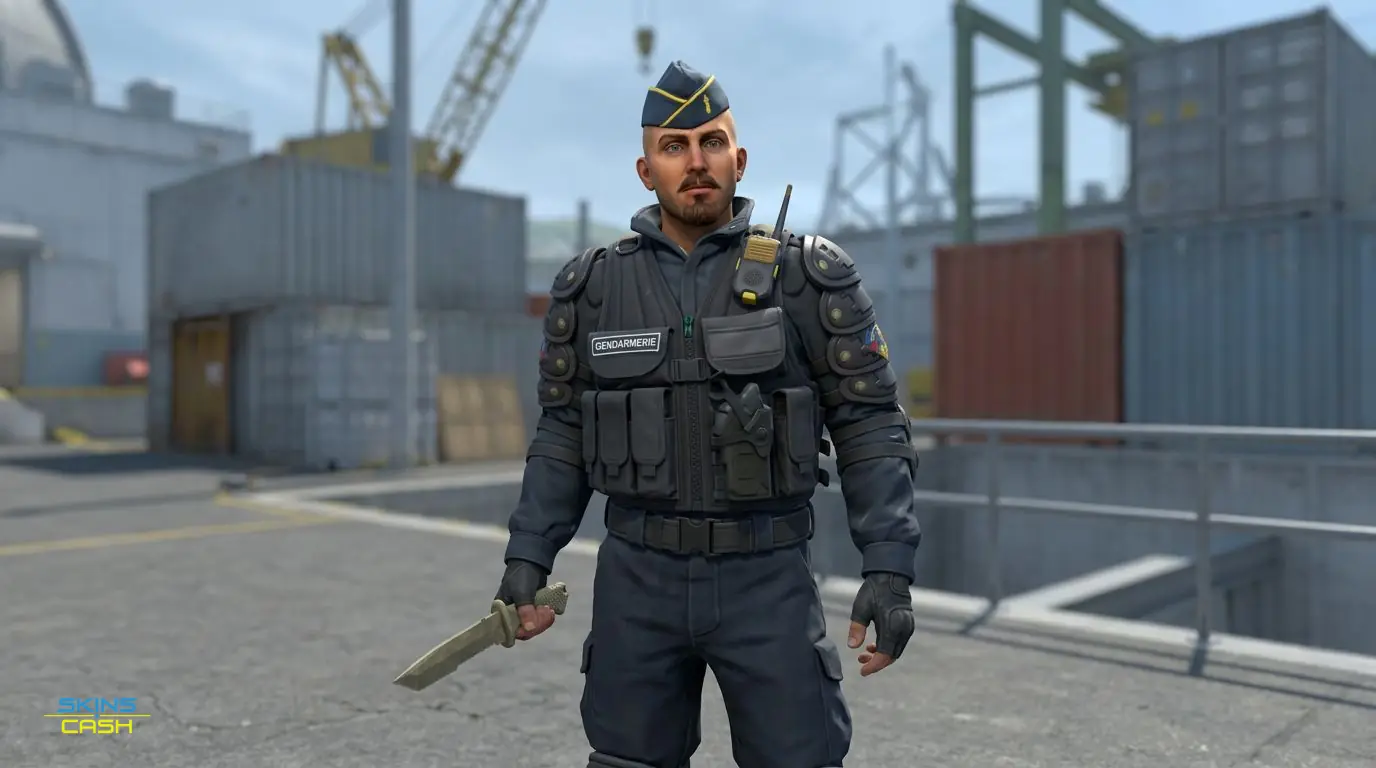
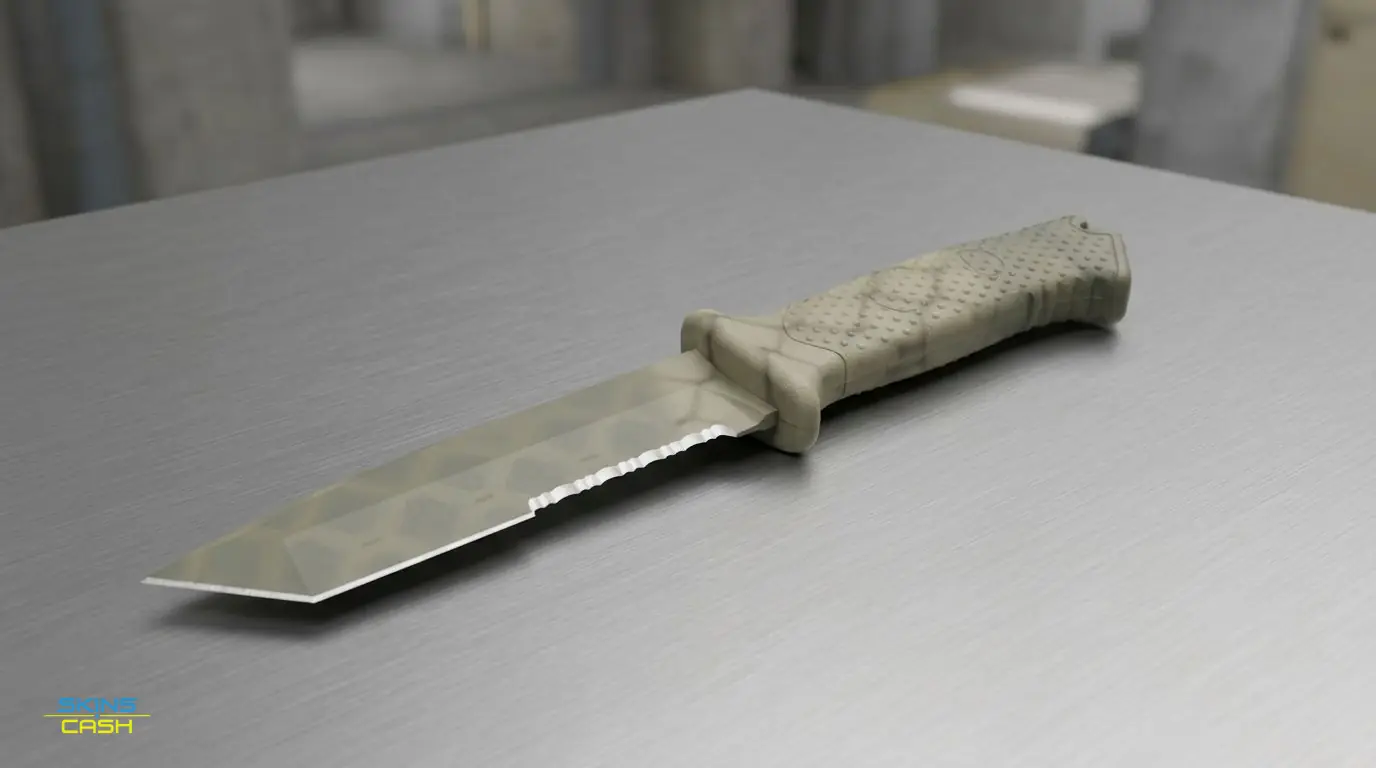
This is a mid-tier Covert knife that trades in a mainstream profile rather than as a grail or pure investment piece. Interest comes from players who want a recognizable, muted blade without chasing rare patterns; expect sporadic bids and selective buyers rather than a steady queue. For a seller that means patient listings beat panic drops.
The wear ladder is capped and leans toward a clean-end premium with a sharp gap between the very clean copies and the rest. After that clean band, pricing compresses quickly into a wide middle range that barely moves as wear deteriorates. Sellers should price the clean end distinctly above the rest; the ladder does not devolve into a gentle slope.
Ask prices often live higher than what sellers actually receive because buyers factor in liquidity and ease of trade; the sticker rarely equals the cashout. Listings that try to straddle the clean-end premium get eaten by lower offers, and fees plus platform spreads widen the gap further. Expect to see a clear difference between what someone lists it for and what gets accepted.
The best skin-for-money sits in the mid-to-upper wear band where visual appeal is solid but the clean-end premium has not yet kicked in. Once you cross into the narrow clean band, additional float improvements stop returning proportionate payout for most buyers. Sellers whose copies are just shy of the clean threshold often get the best risk-adjusted exit.
Because the finish is capped, the "worst" copies are cleaner than typical knives, which compresses the lower end of the ladder and reduces cheap outliers. That cap lifts the baseline look but also flattens the lower-tier spread, so the bottom wear does not act like a beaten-up bargain. Treat bottom-of-ladder listings as baseline rather than dramatic discounts.
StatTrak exists and flips the usual dynamics: the ST line trades separately and can invert expectations when buyers prefer the tracked counter over a cleaner non-tracked copy. The StatTrak premium is real but not runaway; it reads as a separate band that attracts a smaller, committed buyer set. For sellers, StatTrak copies move on intent rather than impulse.
There is no pattern index story here, so price moves are driven by float and StatTrak status alone. That removes the seed noise and makes valuations repeatable between listings. You do not need to hunt pattern screenshots; float tells the tale.
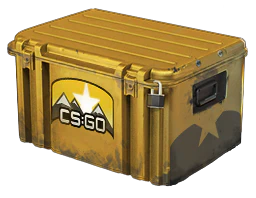
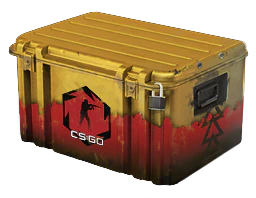
This blade comes from the Horizon Case, which explains the steady but not scarce supply profile and why listings appear with some regularity. Case origin keeps rejects and mid-tier copies circulating rather than vanishing into private hands. Expect supply to be present when demand loosens.
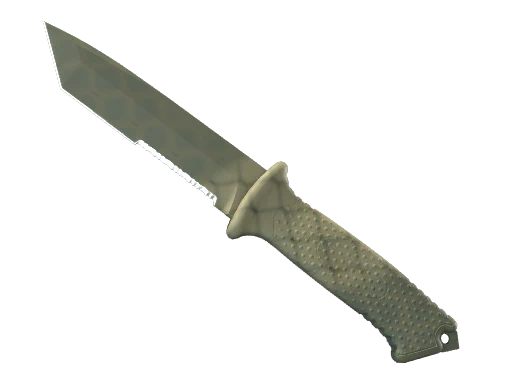
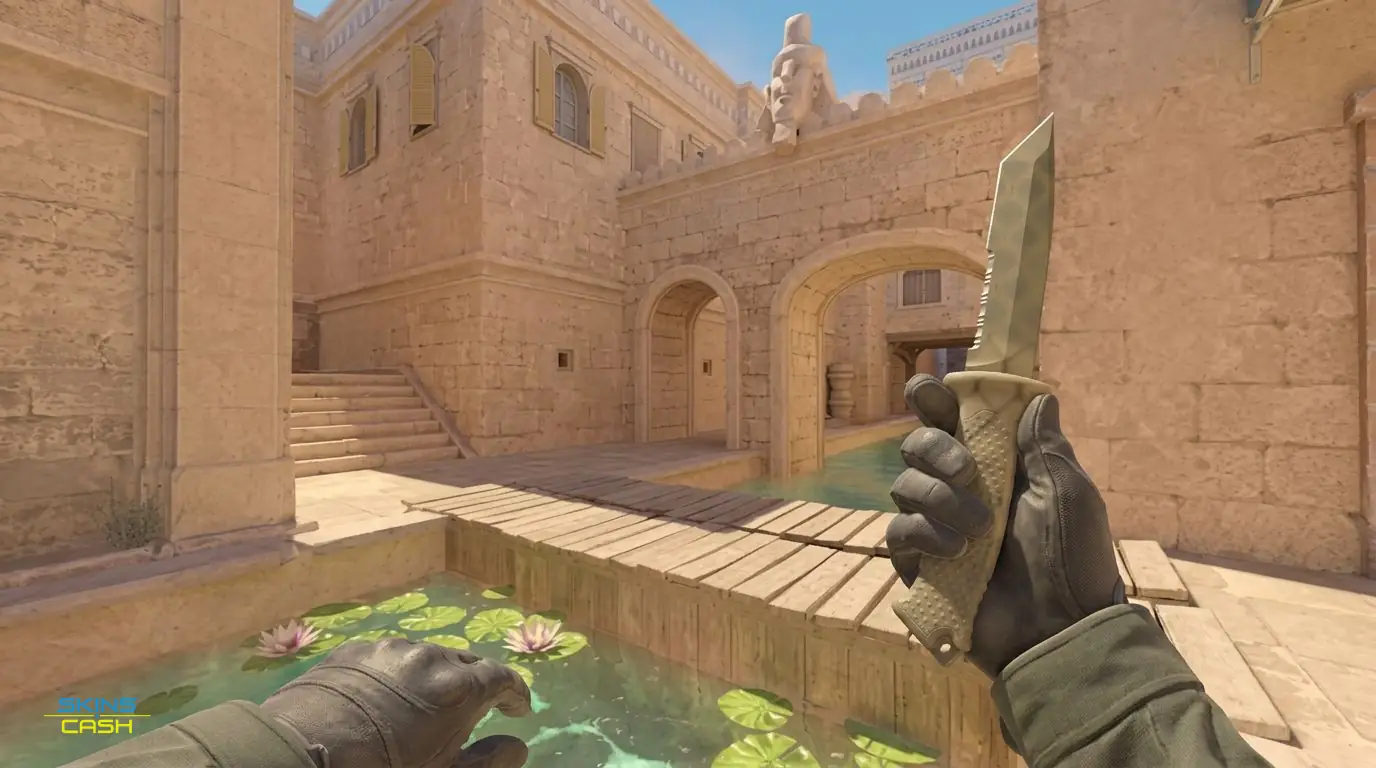
Gray spray-paint finish reads clean in-game and the muted palette is workmanlike rather than flashy, so it photographs well and fits many loadouts. Valve's finish treatment keeps the texture readable at distance, which helps the knife avoid visual noise despite its plain colors. That restrained look is why some buyers prefer it over louder alternatives.
Short-term momentum is decisively down, with bids drifting lower and fewer lifts on the clean end. Activity has cooled and listings tend to pile up unless someone steps in wanting a tracked example or a standout clean copy. Selling into this drift will pressure your realized proceeds.
Sellers commonly ignore the capped float and try to price mid-wear copies as if the ladder were continuous, which leads to stale listings. Another frequent error is conflating StatTrak ask logic with non-tracked pricing; they belong on different threads. Check float first, then pick the matching StatTrak lane and price accordingly.
The community treats this as a functional, respectable knife without cult following; it sits in conversations as a safe, gray option rather than a headline grabber. That steady sentiment supports occasional interest from collectors and practical players, but it does not create frantic bidding. The net effect is steady attention when market breathes, quiet when it tightens.