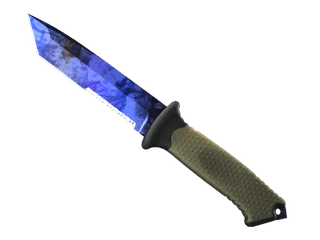
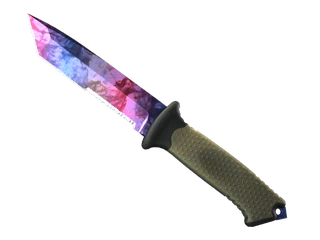
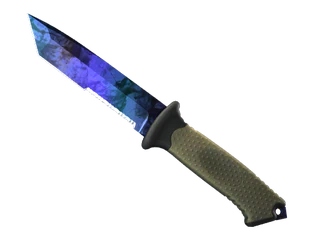
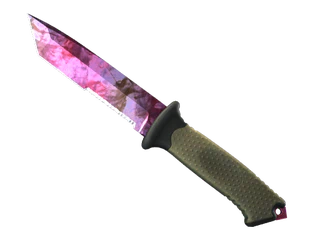
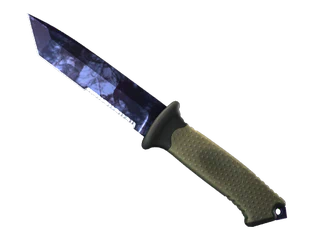
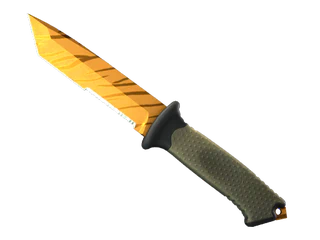
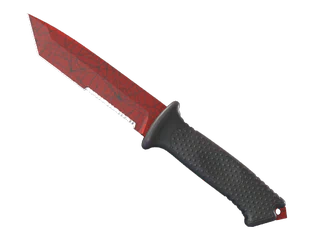
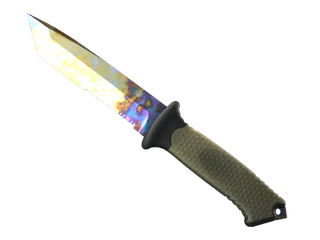
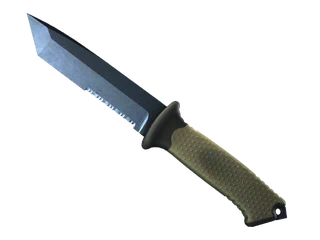
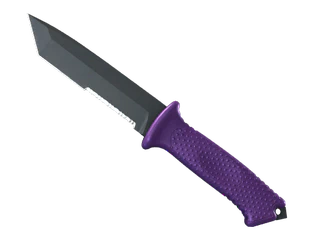
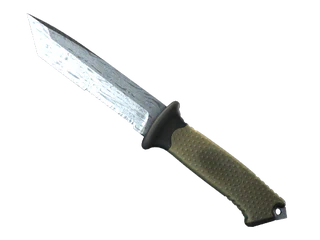
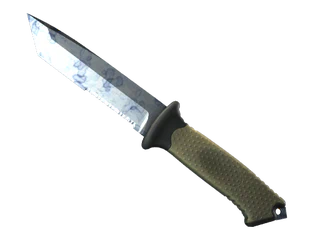
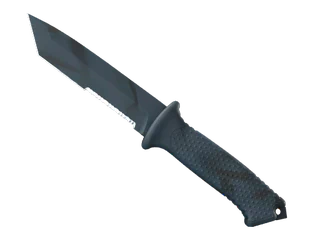
Ursus Knife | Forest DDPAT sits in the mid market: steady buyer interest but no flash premiums to push listings wildly higher. Demand concentrates on clean, capped floats and StatTrak copies, so if you hold a top-condition knife you can expect selective, patient buyers rather than a flood of fast offers.
Ursus Knife | Forest DDPAT sits in the mid market: steady buyer interest but no flash premiums to push listings wildly higher. Demand concentrates on clean, capped floats and StatTrak copies, so if you hold a top-condition knife you can expect selective, patient buyers rather than a flood of fast offers.
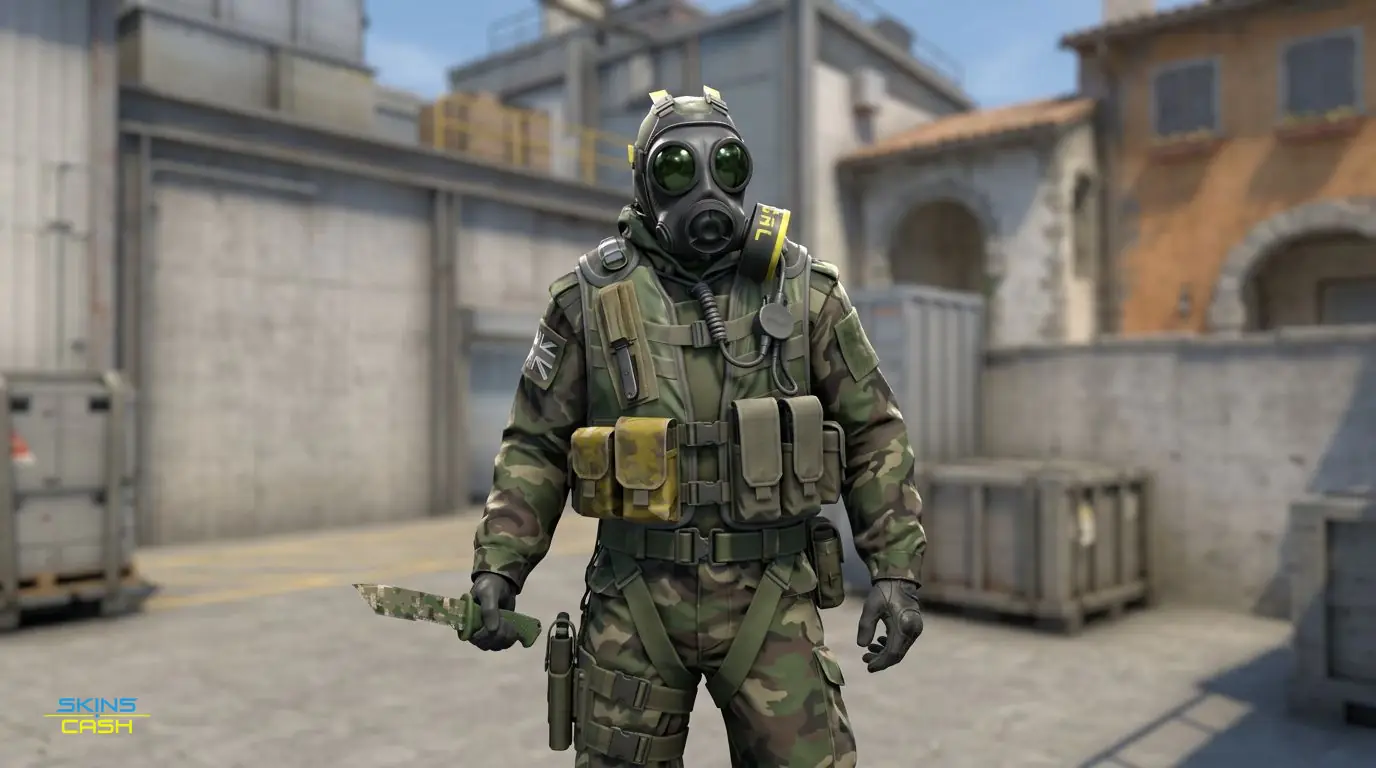
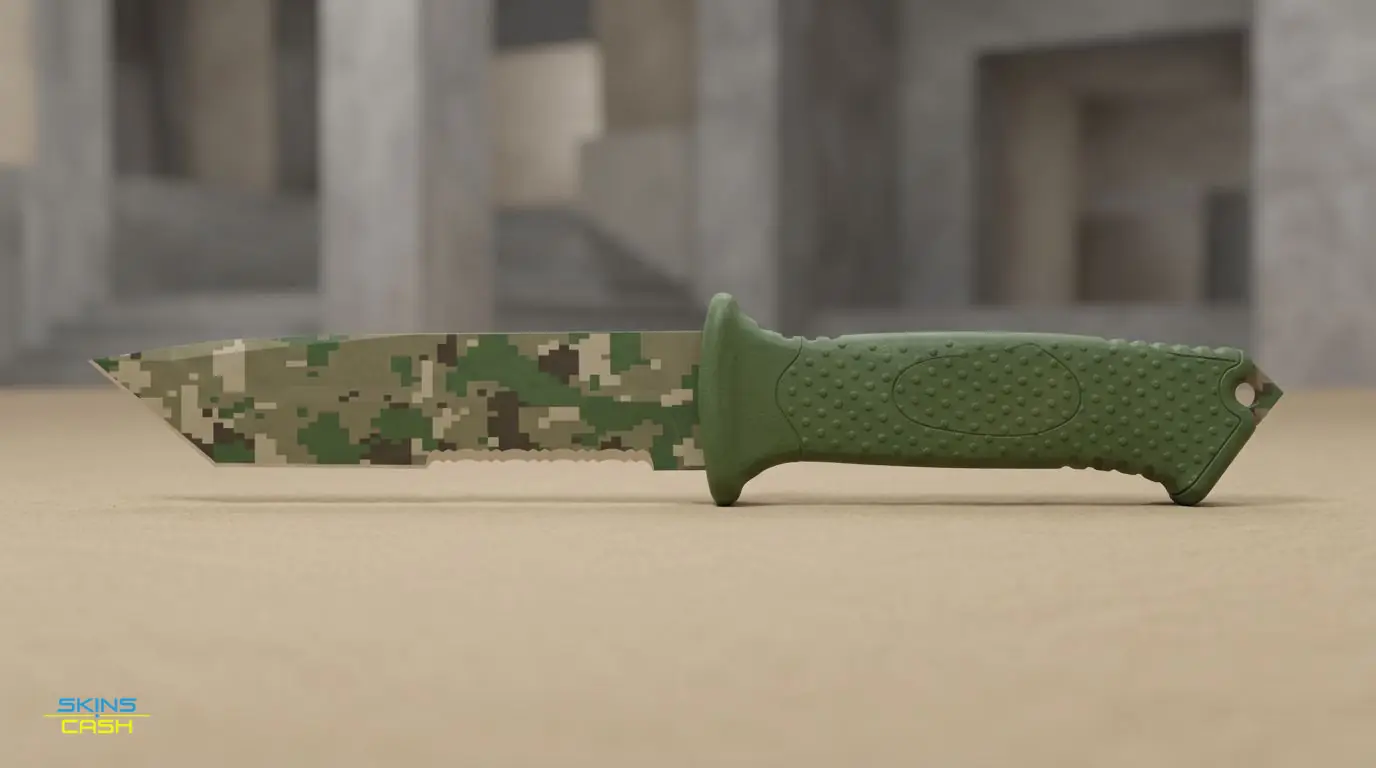
Mid-tier covert knife with mainstream profile and limited upside from factory-new premiums. It trades like a practical play: not grail money, but not a budget drop either, so sellers should expect regular interest from collectors and players who want a reliable green hydrographic blade without chasing a trophy piece.
The ladder is concentrated toward the cleaner end with a clear kink where value thins out; think a strong headroom for clean copies and then a much shallower slope through the common wears. That shape rewards clean capped floats disproportionately, while average-ladder copies cluster together in a compressed band.
Listings will show a wider sticker than what lands in your pocket because buyer asks sit above where quick cashouts clear, and fees plus platform spread widen that gap. For this mid-tier knife the spread is noticeable on cleaner copies where buyers name higher asks but actual take-home is pulled back by the market friction.
Mid-to-clean floats give the best skin-for-money balance; you get the Hydrographic look without paying the premium assigned to the very clean caps. Once you pass the cleaner kink, incremental float improvements stop delivering meaningful return - holders of those marginally cleaner copies should be choosier about timing a sale.
Because the finish is capped, the so-called worst copies sit cleaner than typical knives, compressing the bottom end and tightening expectations there. The floor behavior is different: lower wears don't tank value the way they might on an uncapped finish, so deep discounts at the bottom are rare.
There is no pattern play here: price action is determined by float and StatTrak status, not by any seed quirks. That makes pricing straightforward - focus on measurable wear and variant rather than hunting for lucky pattern indexes.
StatTrak versions carry their own demand curve and attract buyers who prioritize the counter over absolute cleanliness. Expect separate stocking and slower-moving interest; StatTrak cleans trade well but require patience to hit the higher asks buyers will sometimes list.
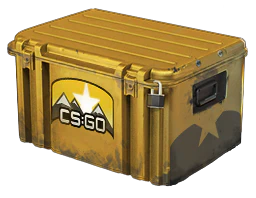
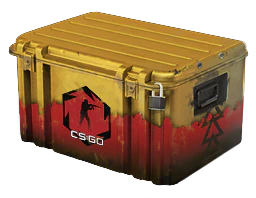
This knife comes from the Horizon Case, so supply is tied to that container's presence and rotation. Origin keeps it familiar to mainstream collectors rather than positioning it as a short-lived rarity burst.
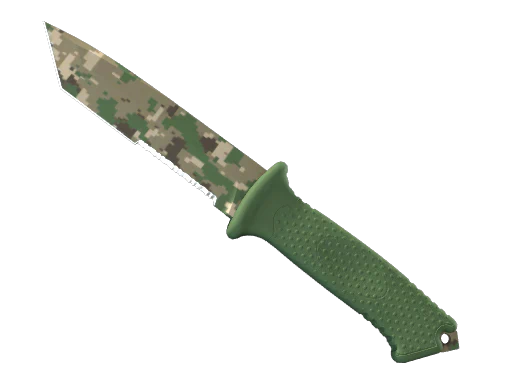
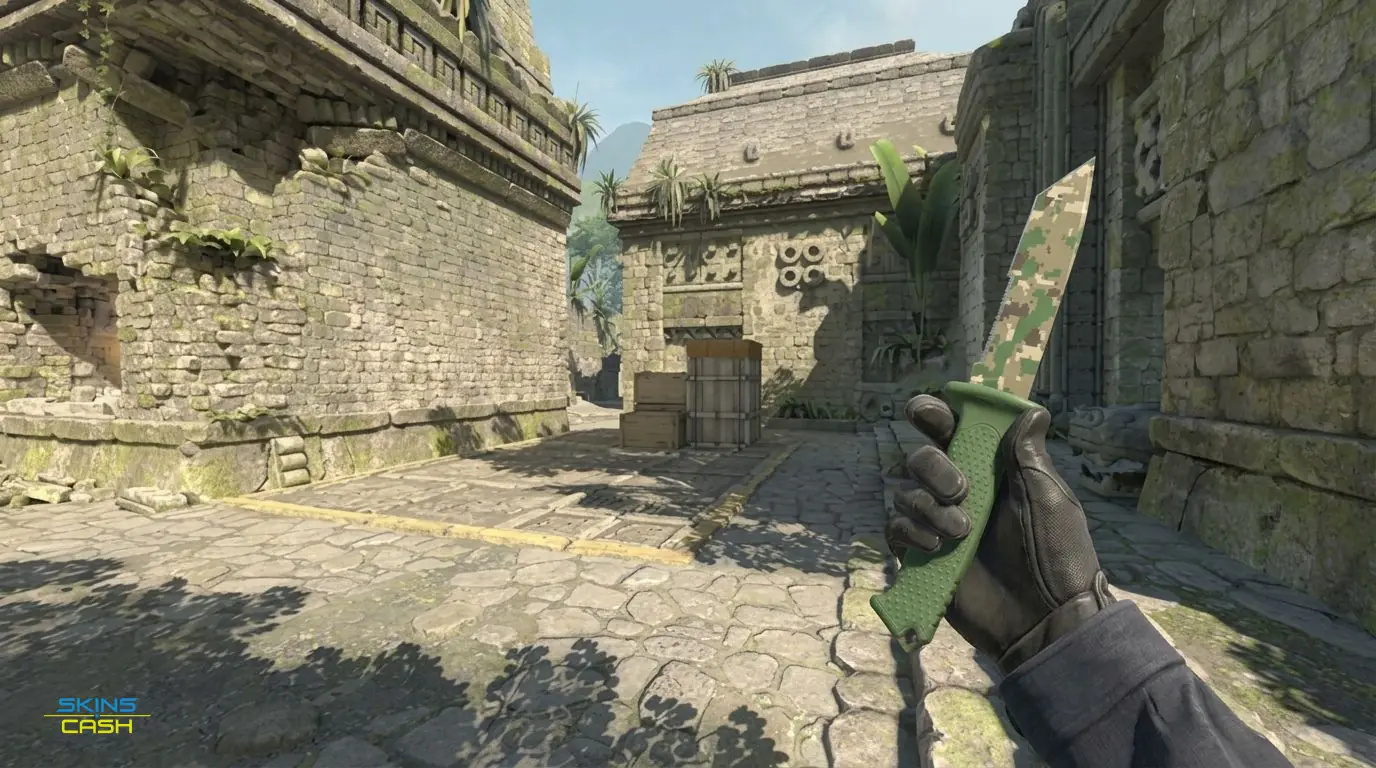
The Hydrographic finish leans green and reads sharply in-game, a utility palette that pops on common maps without being garish. Valve's designer stamp is obvious in the subdued tones and functional sheen, which helps it appeal to players who want a clean, wearable blade.
Price activity has been flat over the short window while the longer trend shows significant pressure downward. That means buyers are patient and listings accumulate rather than spike upward quickly.
Sellers often overquote clean copies based on sticker asks and forget the capped float nuance, or they mix StatTrak and non-StatTrak listings when estimating value. Check float and variant first, then match the live spread; float drives most of the premium here.
The community treats this knife as a solid, mainstream covert: desired for play and modest collection fills but not treated as a speculative grail. That steady sentiment supports consistent liquidity for clean and StatTrak copies, even as broader market pressure holds the line on price.