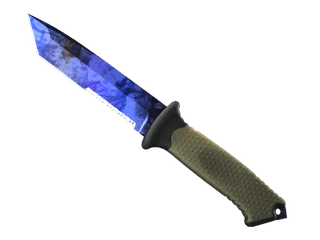
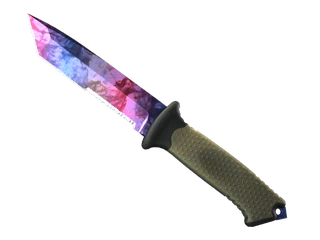
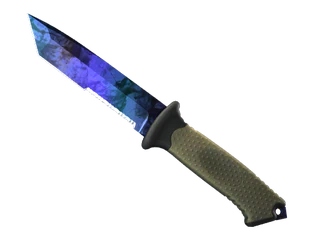
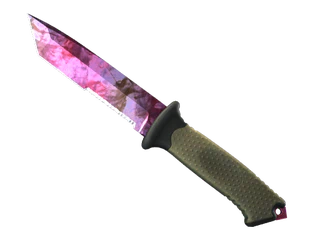
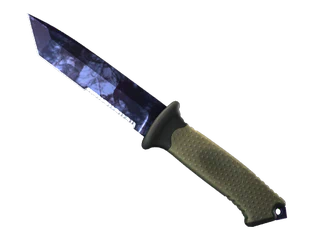
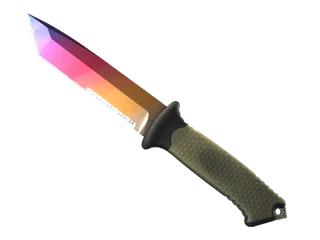
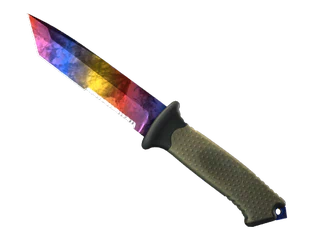
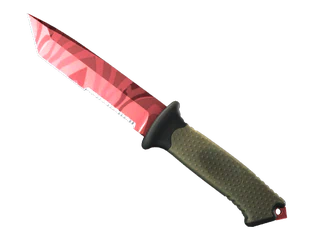
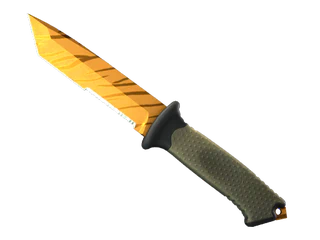
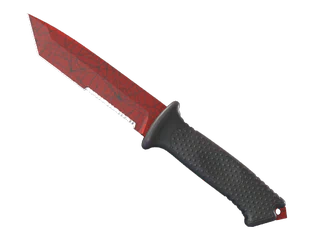
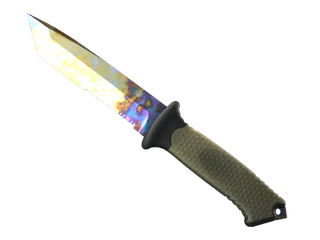
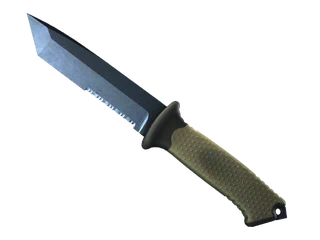
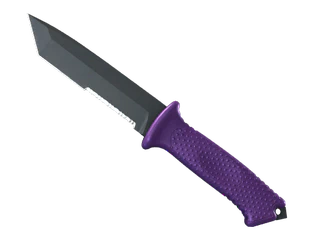
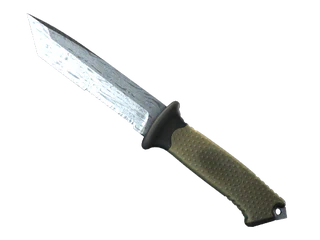
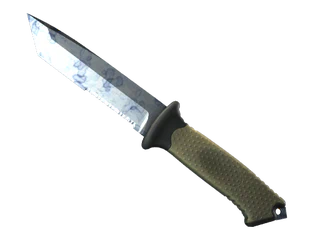
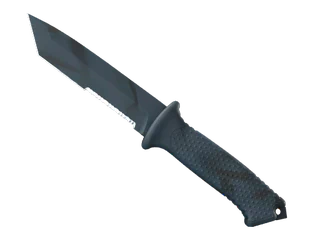
Mid-tier demand for the Ursus Knife | Boreal Forest sits with mainstream buyers rather than collectors, and the market shows a wide historical swing with a weak baseline. Clean faces are capped in premium, while worn copies compress together, so timing and which variant you hold matter more than hoping for a factory-new spike.
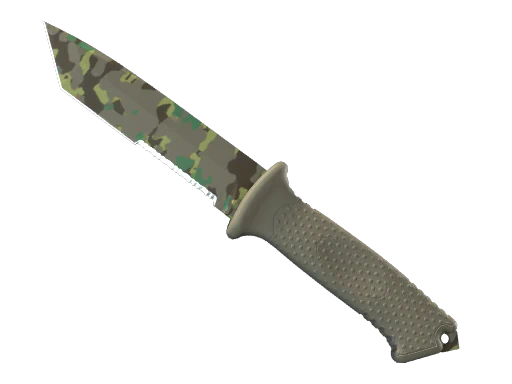
Mid-tier demand for the Ursus Knife | Boreal Forest sits with mainstream buyers rather than collectors, and the market shows a wide historical swing with a weak baseline. Clean faces are capped in premium, while worn copies compress together, so timing and which variant you hold matter more than hoping for a factory-new spike.
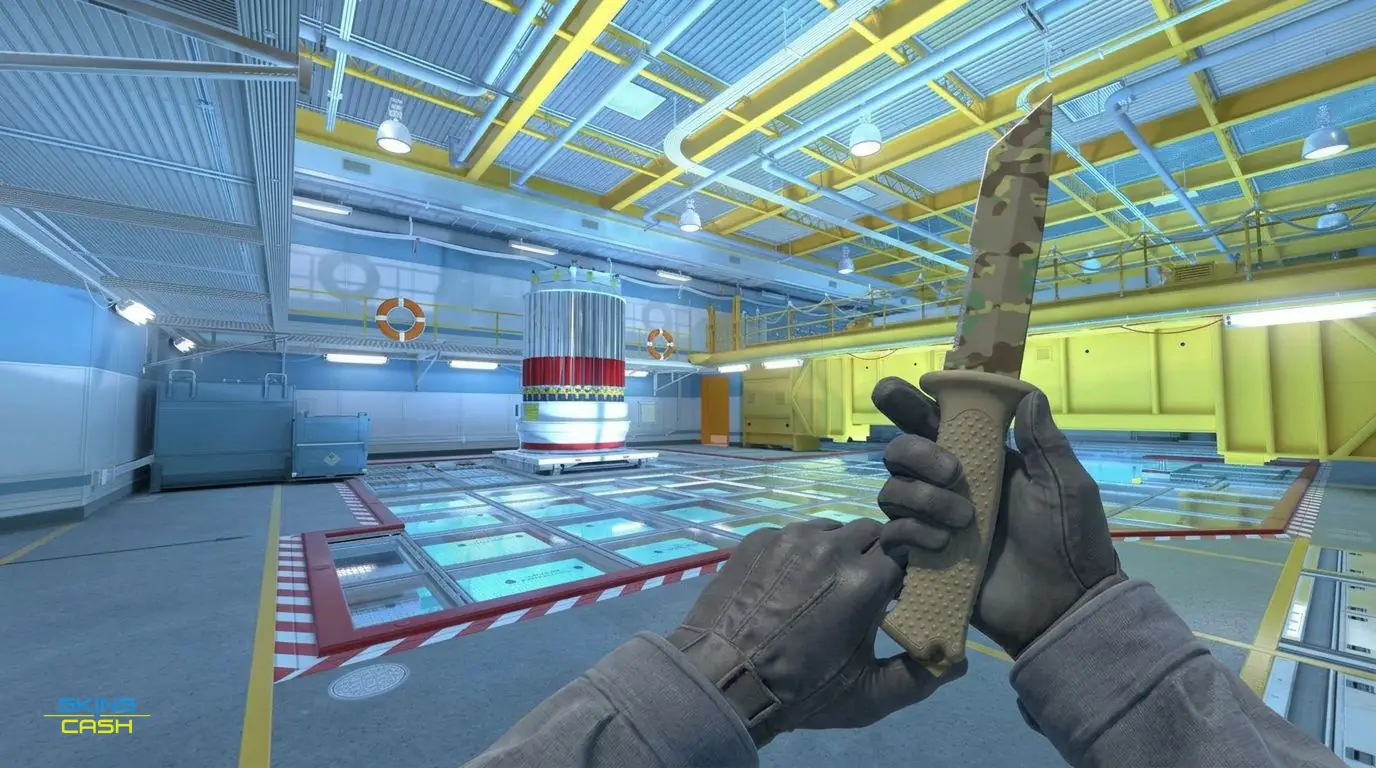
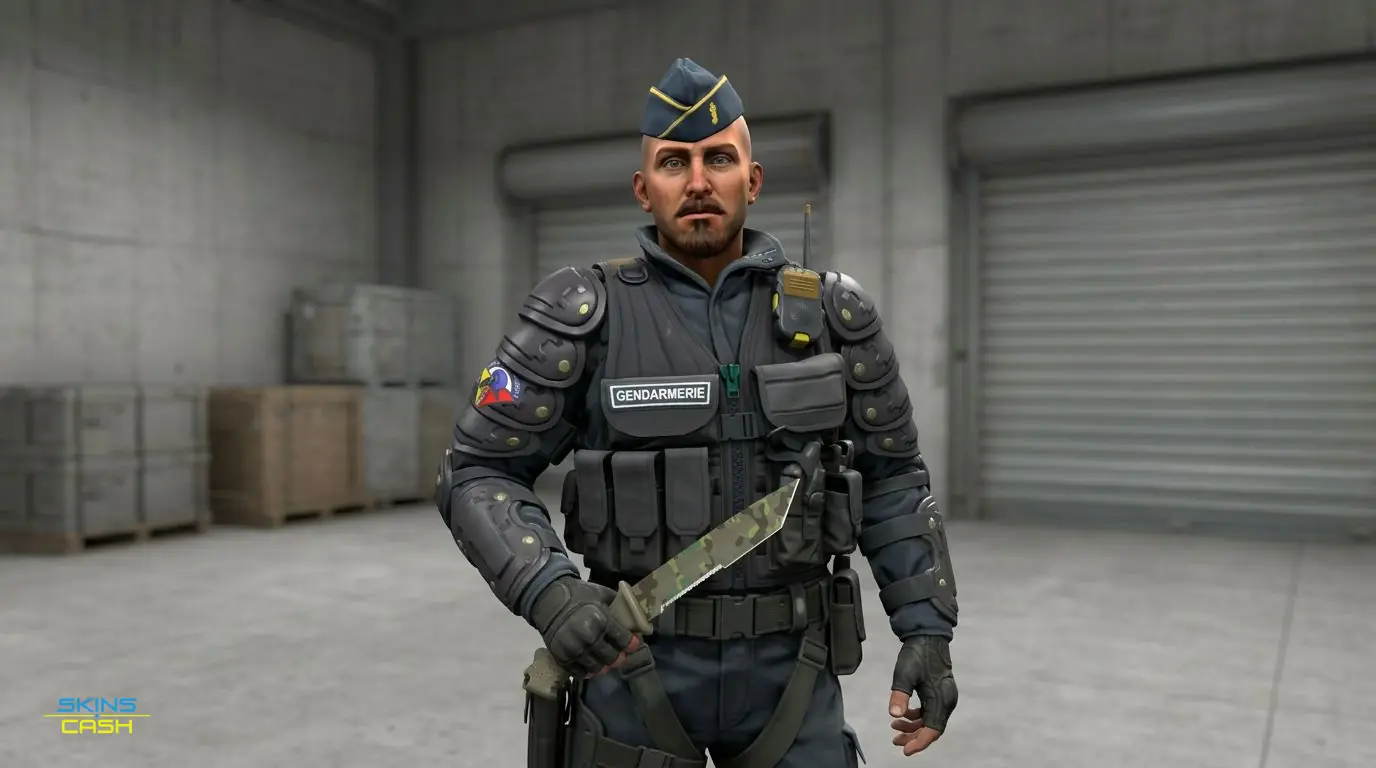
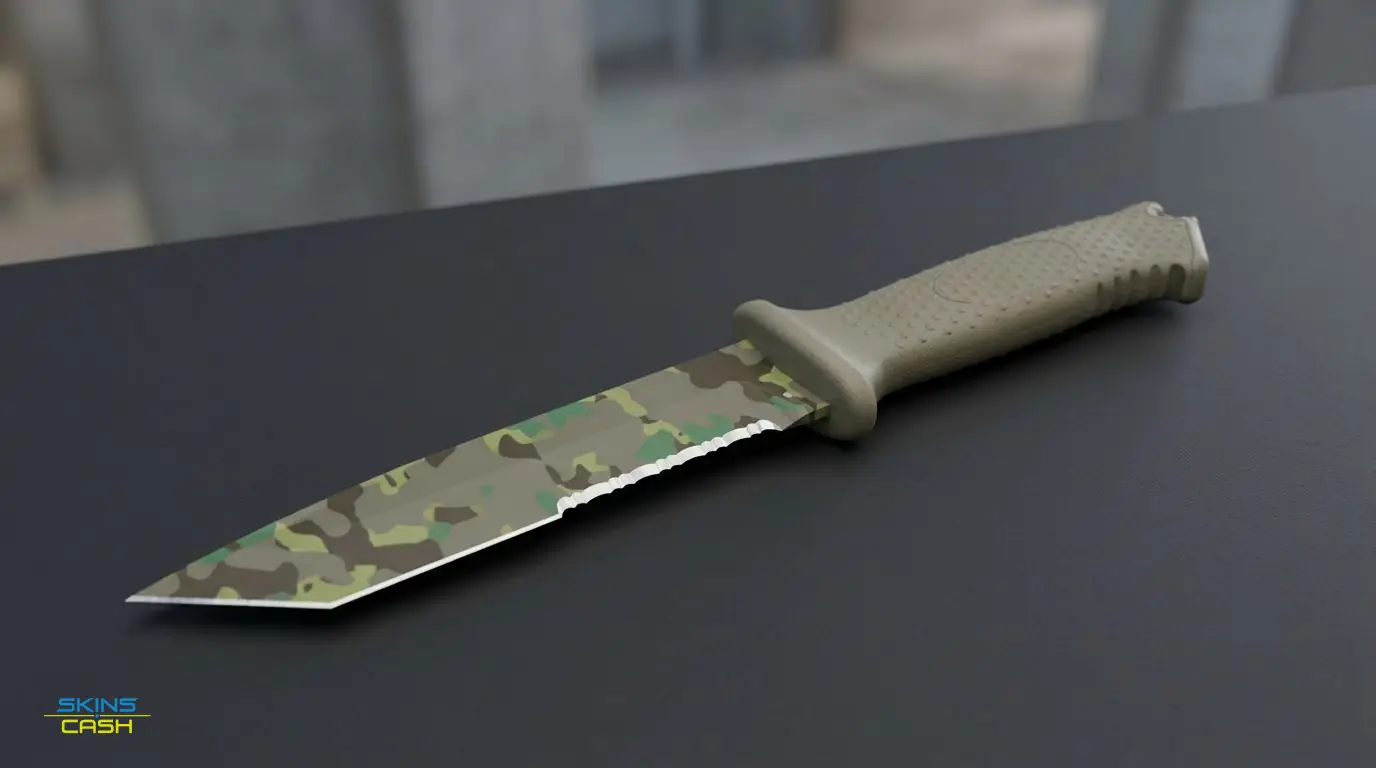
This is a mid bracket covert that lives with mainstream interest rather than grail money; it trades like a usable game knife, attractive to players who want a green hydrographic rather than trophy collectors. For a seller that means listings clear without elite attention but you will not expect a factory-new premium to bail out a stale ask.
The ladder is shaped with a clear cap at the clean end and a steady slope down from there, not a gentle, even gradient across wears. Expect the payout curve to tighten through the mid portion and then step down toward heavy wear rather than trickle evenly.
Lower wears sit bunched together, so a beaten face rarely changes the payout much; worn copies trade in a narrow band. If you hold a worn Ursus Knife, you're selling into a compact market where float differences matter little.
The best skin-for-money sits in the mid-to-clean range where the hydrographic shows off its green palette without paying the capped premium at the very cleanest floats. Upgrading beyond that point stops giving returns proportional to the visual gain, so aim for the middle-clean rung for the best spread of looks versus price.
The hydrographic holds up well visually; small scratches don't wreck the green tone but the finish does show wear progression, especially on edges and the blade face. Buyers pay up for noticeably cleaner faces, but the top premium is limited by the capped clean-end behaviour.
StatTrak copies flip the usual logic here: a dirtier StatTrak example can command more because the StatTrak line trades differently and collectors chase the rarer combination of kill counter and mid wear profile. Watch the StatTrak listings specifically - a higher asked StatTrak with heavier wear is not a mistake but a market quirk you can exploit or fall for.
There are no pattern or seed-driven swings for this finish, so pricing reduces to float and StatTrak status only. You do not have to hunt for special pattern indexes; evaluate the knife by its wear and variant alone.
The green hydrographic reads clean in-game, pairing a muted woodland tone with soft contrasts along the blade edge that play well in firefights. Valve's finish style keeps the colour consistent at mid wears and gives the knife a practical, playable look rather than a loud showpiece.
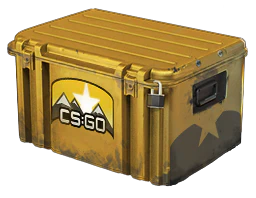
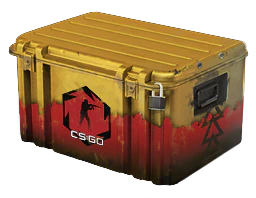
It originates from the Horizon Case, which places supply alongside other case releases rather than a legacy or event container. That origin keeps flow steady and ties its availability to case circulation rather than a limited-run spike.
Expect a wide historical range with bumpy moves: the long horizon has been negative while recent action tilted up softly, so short-term lifts can happen inside a broader downtrend. Volatility is real enough that picking a cashout during soft upswings usually outperforms forcing a sale on the long-term slide.
Buyers should be strict on variant and float: target mid-clean asks where visual returns match the ask, and avoid paying into the capped clean premium. Watch the live asks and be ready to pass - patience beats trying to catch a reversing tick in a market that favors timing.
The knife is respected as a solid playpiece rather than a community trophy; players like the green hydrographic for matches and stream visibility but it does not carry collector cult. That translates into steady, practical demand instead of speculative frenzy.