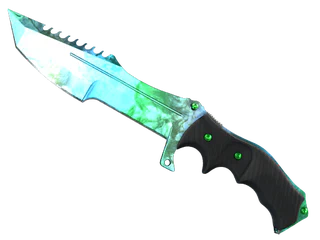
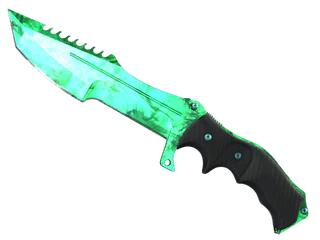
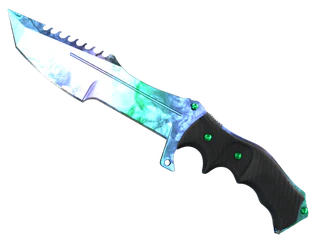
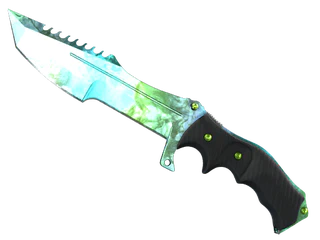
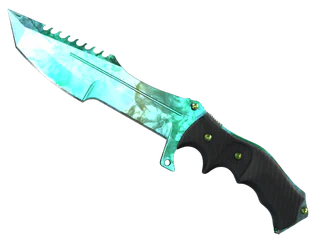
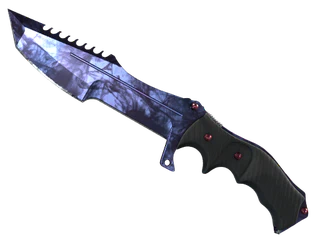
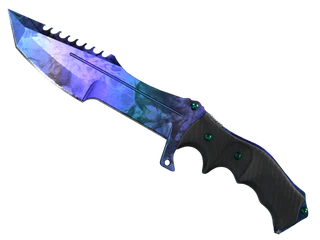
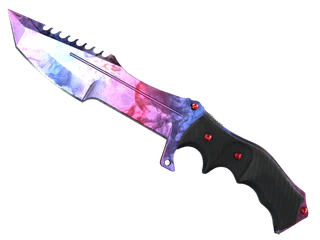
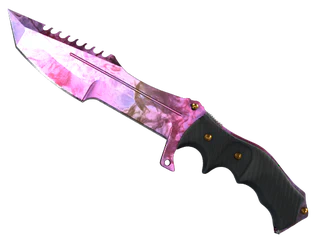
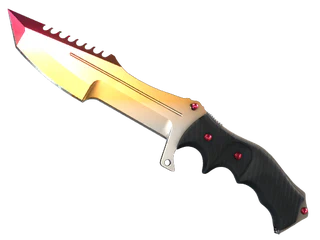
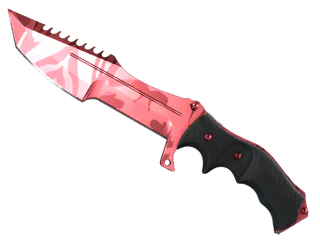
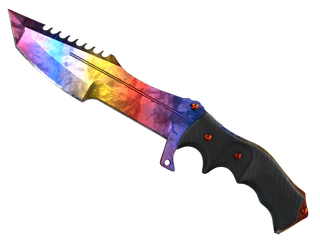
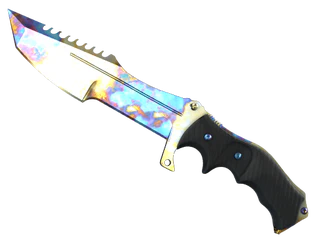
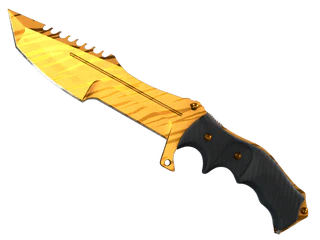
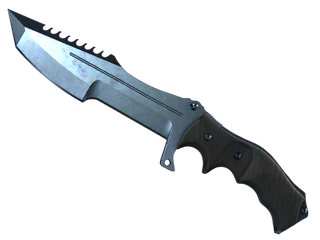
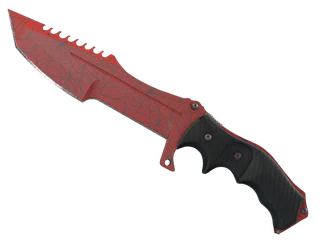
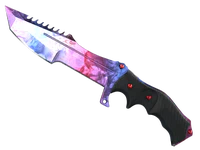
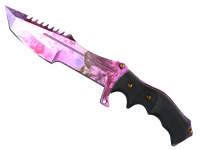
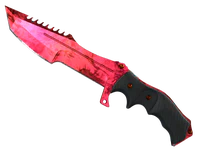
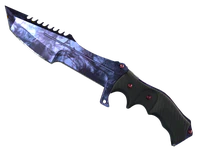
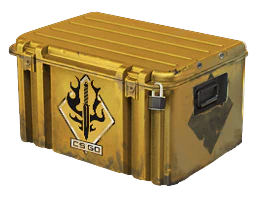
Premium-tier demand, but buyers are selective: clean, Phase Four copies command the attention here while the rest trades quietly. The capped float profile and high rarity keep a firm floor, even as the long-term trend has re-rated from its highs and recent trading sits flat.
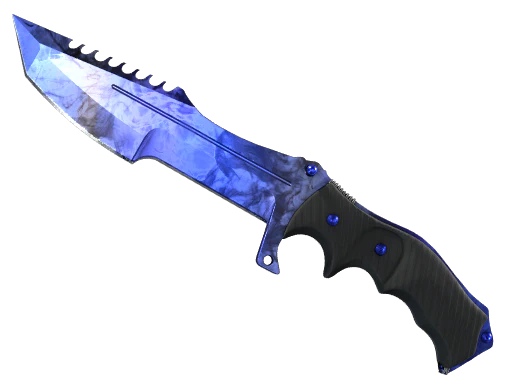
Premium-tier demand, but buyers are selective: clean, Phase Four copies command the attention here while the rest trades quietly. The capped float profile and high rarity keep a firm floor, even as the long-term trend has re-rated from its highs and recent trading sits flat.
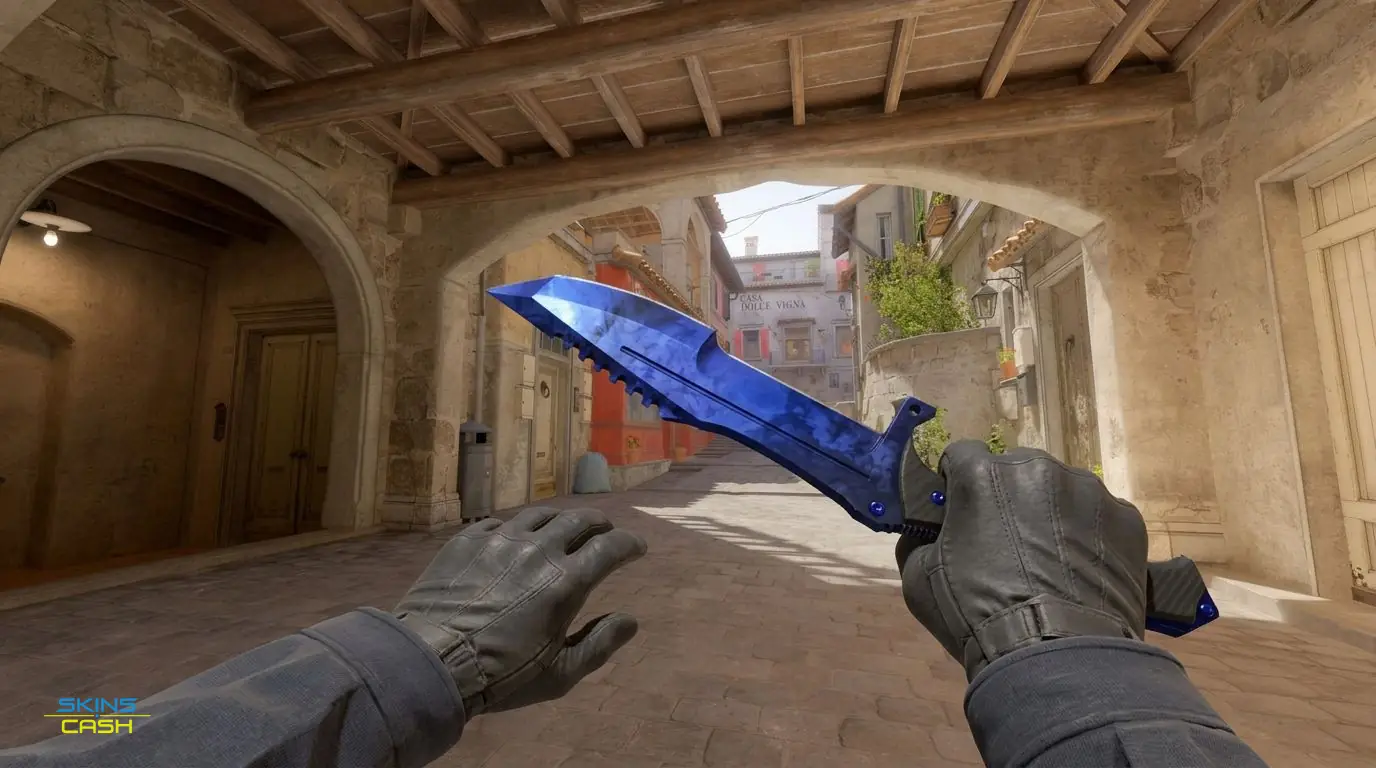

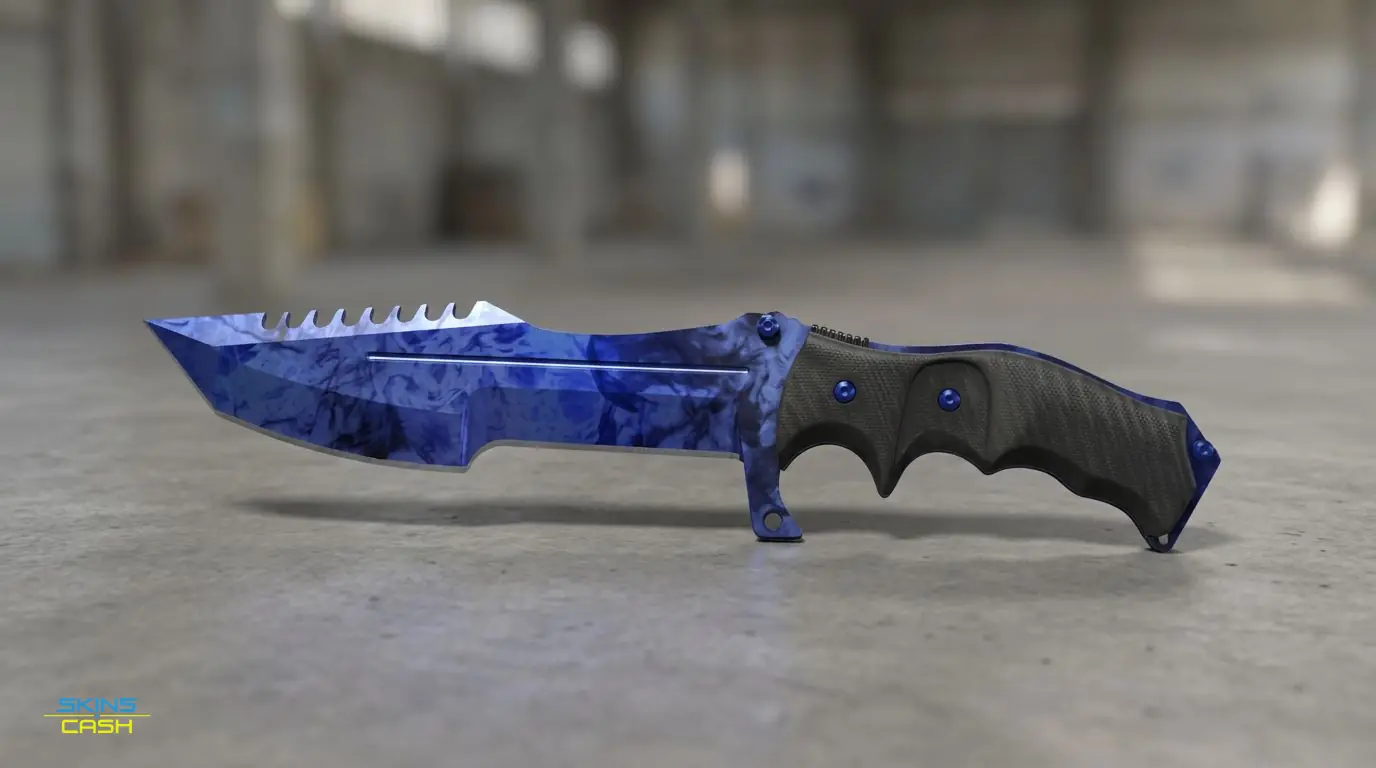
This is a premium grail within the huntsman knife submarket: sought after by collectors and spec buyers more than generic barter traders. Valve's anodized multicolored finish and the Phase Four identity put it in a high-value bracket, so sellers can expect fewer, but deeper, offers rather than quick turnover at budget levels.
The ladder is capped and stepped: the clean end holds a distinct premium then the curve drops through a series of bands before settling at a supported low. Because the profile is high value, those bands are meaningful to pricing decisions rather than a smooth slope.
Mid-to-clean copies often deliver the best skin-for-money because they retain the Phase Four look without paying the clean-end premium. Once a copy moves into the topmost band the payout stops rewarding marginal float improvements; beyond that point you pay steeply for small visual gains.
Expect a typical gap between listing stickers and what you actually net: buyers factor in commission, certainty, and the stepped lower-tier spread when they make offers. For sellers that means sticker price is a directional signal, not the cash you walk away with, especially at premium listing levels.
This anodized multicolored finish is showy on a clean face and loses some of its impact as wear increases; Phase Four shifts in pattern visibility are obvious to the eye. Buyers are sensitive to that drop, so visual degradation translates to a clear payment difference rather than a subtle one.
Being covert underpins a high floor even for the scrappier copies; rarity keeps the low end firm compared with lower-tier knives. That support makes deep discounts less common and gives sellers a defensible base when pricing worn examples.
Phase Four is a real seed play: certain seeds lock in brighter blues and cleaner contrasts that traders pay extra for. Check the phase signature on the blade before you price-some seeds move materially beyond what float alone would suggest.
The knife reads blue in-game with a flash from the anodized multicolored finish that catches light on angles and edges. That blue-forward palette plays well on most maps and keeps demand steady from collectors who care about color cohesion.
This copy originates from the Spectrum Case, which helps explain its supply profile and collector familiarity. Case provenance matters to buyers who track drops and influences how quickly comparable copies reappear on the market.
Trading history shows a wide band between top and bottom prices, so comparable sales have spanned a large spectrum over time. That breadth means there is room to trade within the range, and where a given copy sits in that band determines realistic expectations.
Given the wide historical range and a down re-rating over the long term, prices can still jump when a clean Phase Four surfaces, but day-to-day movement is fairly flat. If you want certainty, lean on recent flatness; if you want upside, target moments when clean seeds rotate back into the market.
The usual errors are treating sticker as net, ignoring the capped float profile, and overlooking phase/seed. Verify Phase Four characteristics and the live spread before you set a buy-it-now; price by the visible qualities buyers will actually pay for, not by optimistic listing comparables.