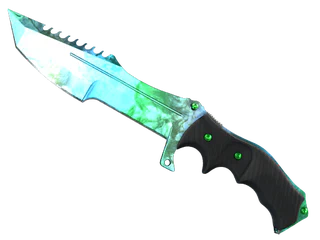
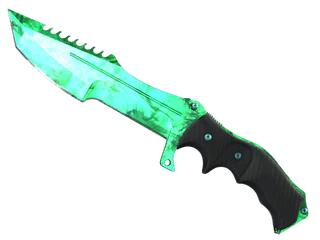
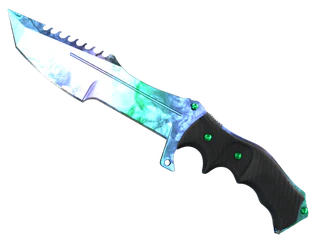
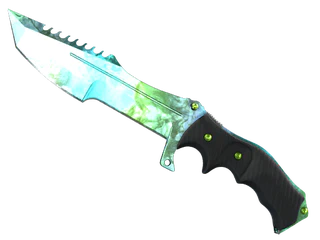
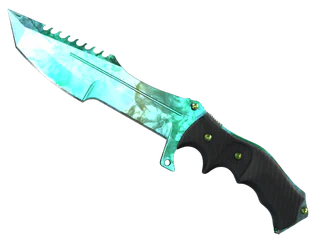
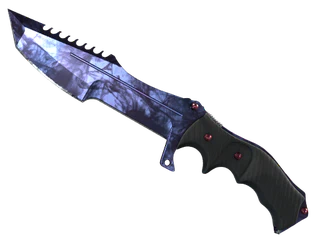
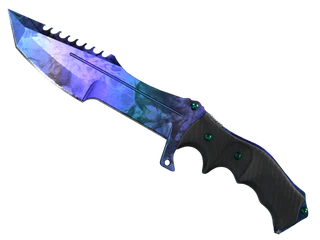
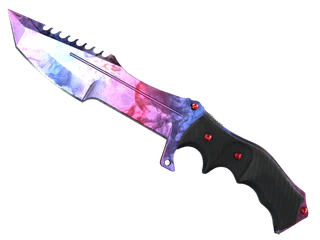
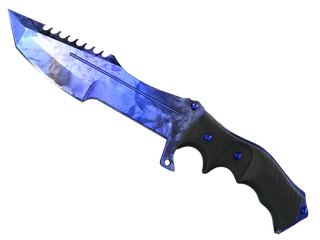
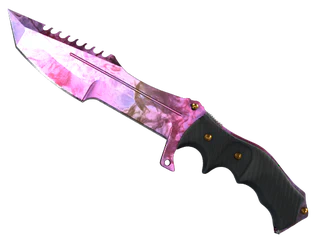
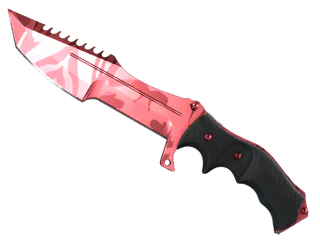
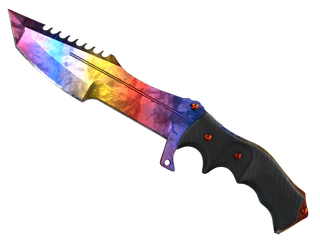
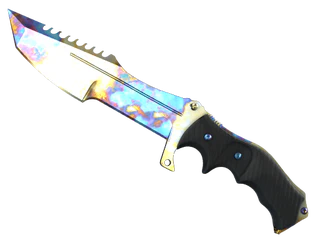
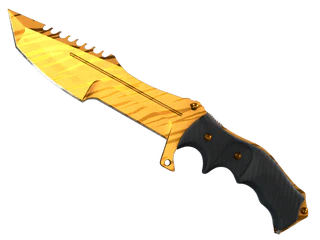
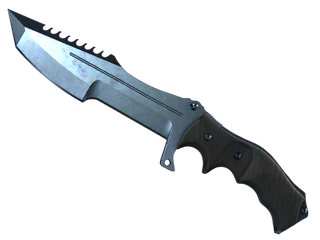
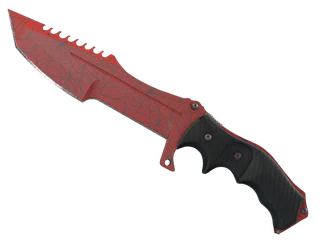
Mid-tier demand with a strong floor - the Huntsman Knife | Fade trades like a mainstream covert that buyers respect but do not chase blindly. Clean ends command focus, while capped floats and seed quirks mean sellers need to check specifics before cashing out.
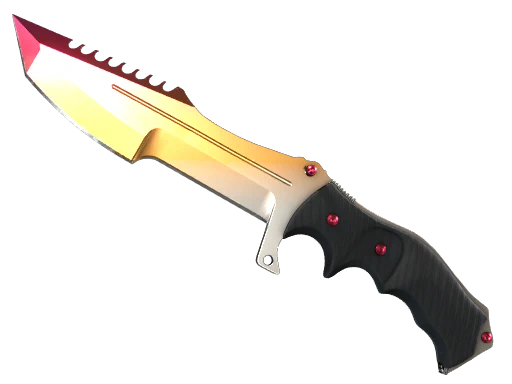
Mid-tier demand with a strong floor - the Huntsman Knife | Fade trades like a mainstream covert that buyers respect but do not chase blindly. Clean ends command focus, while capped floats and seed quirks mean sellers need to check specifics before cashing out.
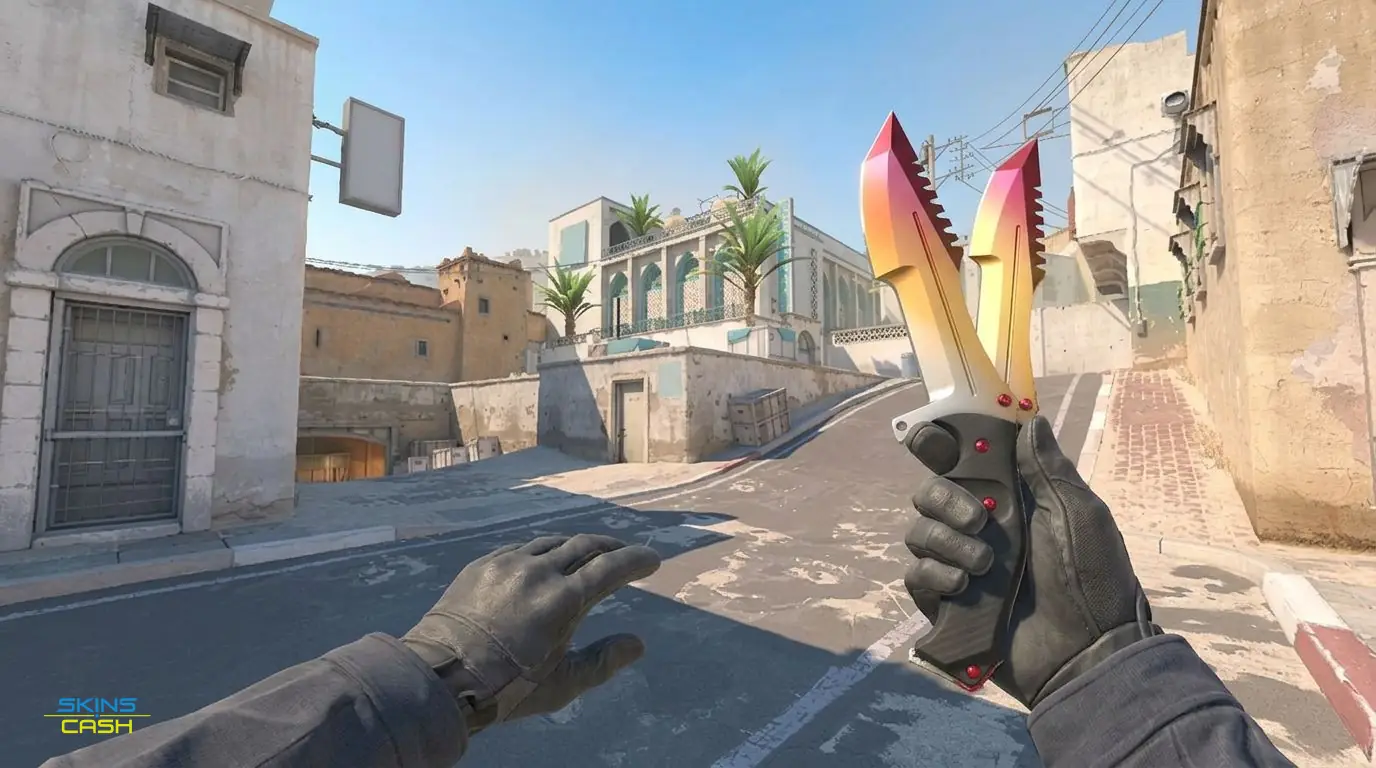
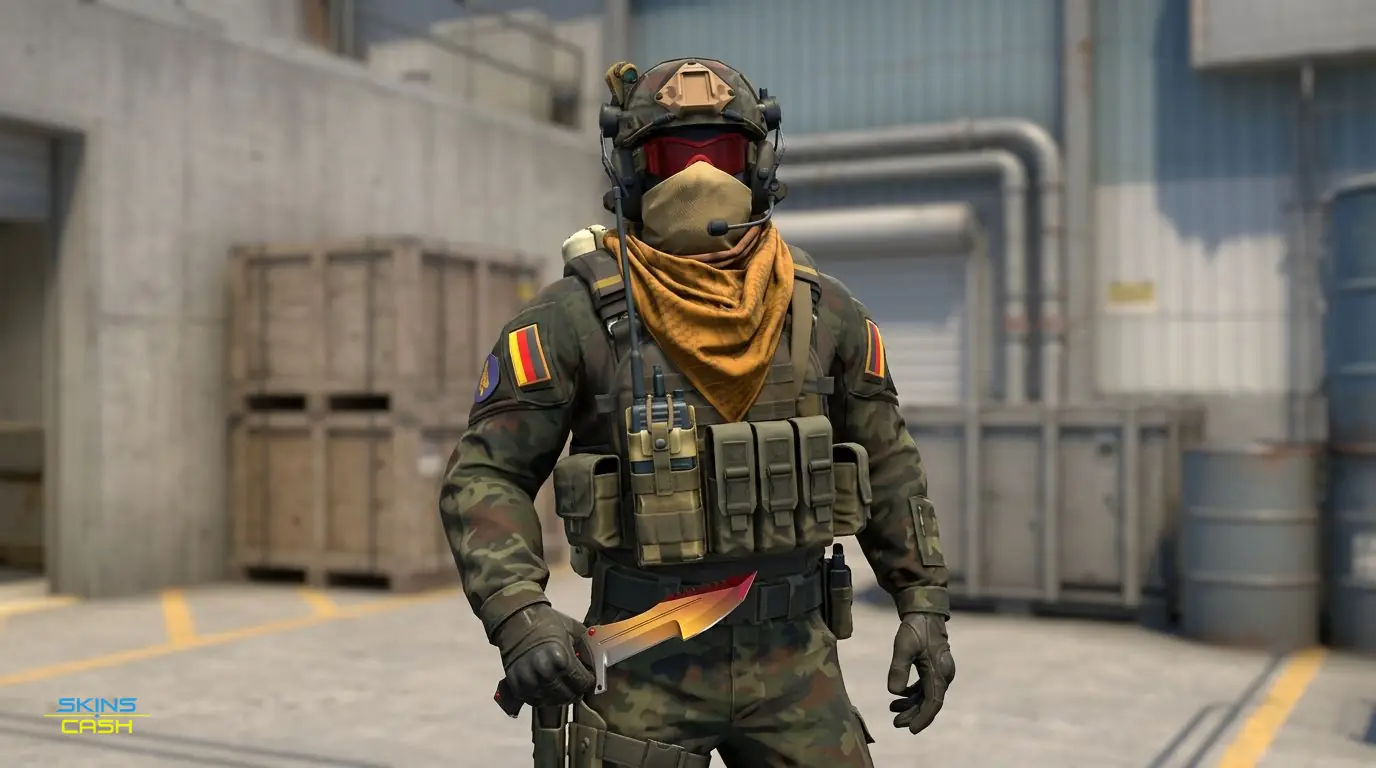
This sits squarely in the mid bracket for knives: not grail money, not budget junk. The Covert rarity and Valve design keep it desirable among mainstream collectors and players, and the market treats it like a reliable hold rather than a quick-flip speculative piece.
The ladder is clearly front-loaded with a sharp premium at the clean end and a stepped descent into the lower wears. Expect a tight cluster of value at the best conditions and then a more pronounced drop as you move away from the top tier of appearance.
Sticker prices on listings often show the clean-market level, but realized cashout is pulled down by taker fees, commissions, and the stepped demand below the top floats. Sellers should price from the net they want to receive, not the headline number, because the market's bid side is narrower than the asking side.
Mid-tier and upper-mid floats usually give the most skin-for-money relative to what you pay; the curve stops rewarding a cleaner float once you pass the capped top range. If you're chasing efficiency, aim where visual appeal meets realistic buyer interest rather than the absolute clean extreme.
This anodized airbrushed finish doesn't reach the theoretical worst wears, so the bottom of the ladder looks cleaner than typical knives. That compression at the dirty end keeps a floor under prices and alters where the sensible cutoffs are for selling versus holding.
Seed sensitivity matters here: certain seeds give a cleaner, more even fade across the blade and those copies pull a premium beyond raw float. Scan the seed for obvious streaks or color blends before you price - small pattern bonuses convert to noticeable bids from collectors.
StatTrak examples can flip the ladder: a heavier-wear StatTrak sometimes out-earns a cleaner non-StatTrak because collectors prize the counter on playable-looking pieces. When listing, cross-check the StatTrak line specifically; the usual float hierarchy doesn't always hold.
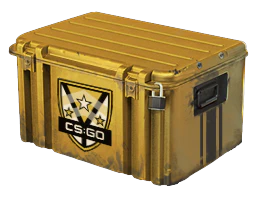
This knife drops from the Huntsman Weapon Case, which keeps supply steady but not flooded. Its case origin means availability behaves like a standard case item rather than a special capsule or event piece.
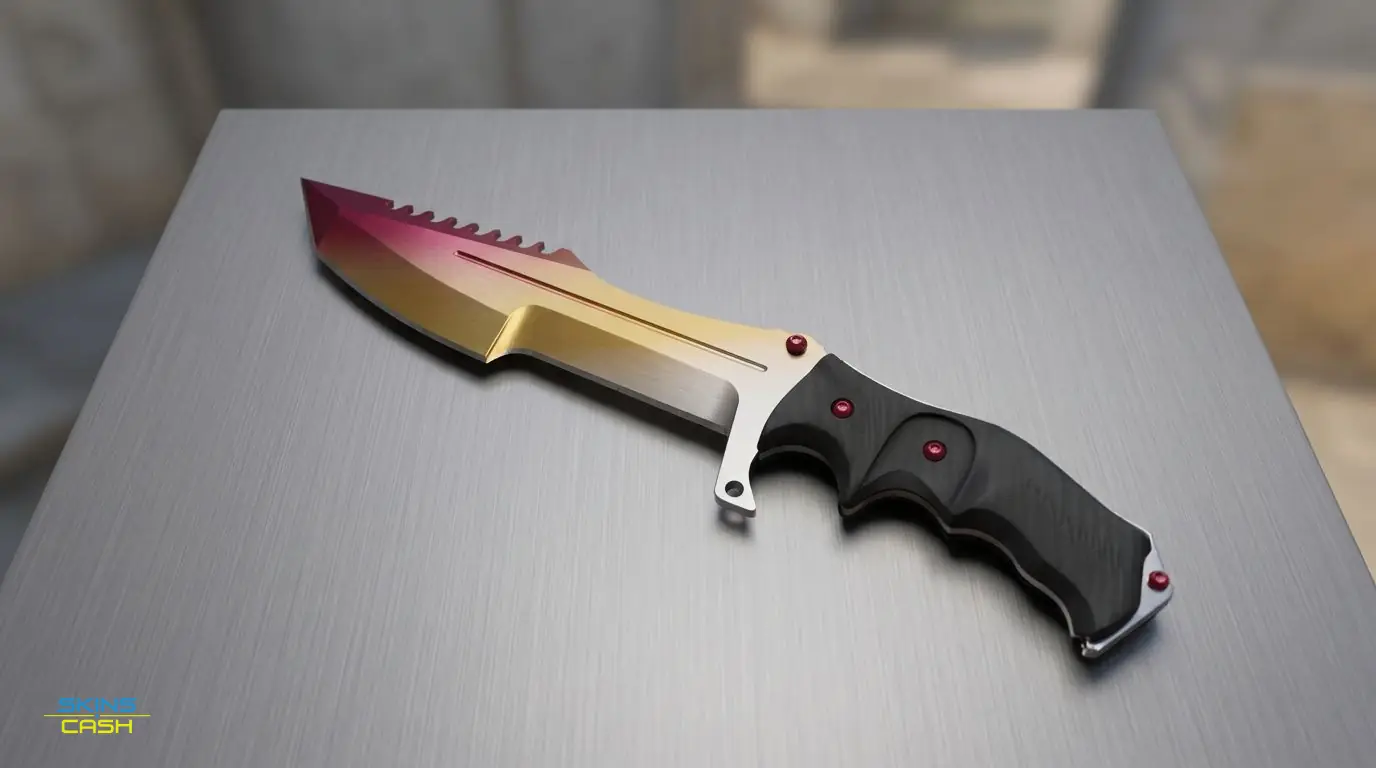
The anodized airbrushed finish lays a warm, blended fade across the blade with bright warm tones shifting into softer gradients, and Valve's touch keeps the transitions clean. It reads well in-game at distance and in first-person, where the color transitions catch light without overpowering the weapon model.
The all-time band for this fade is wide, reflecting swings between collector demand and quieter periods. Currently the market sits somewhere inside that band rather than at an all-time peak or floor, so there is room to time exits if you want to push for the top side.
Sellers often list using the clean-end asking without accounting for the capped float and seed quirks, or they mistake StatTrak inversion for a straight premium. Avoid those traps by confirming float, seed, and StatTrak status, and then pick a net target rather than copying a headline ask.
bondik, friberg, and snatchie are the named pros linked to this piece, and that steady pro visibility keeps casual demand healthier than for unassociated knives. Their presence doesn't make it a must-have, but it does keep listing attention higher than for knives without any pro ties.