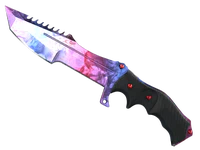
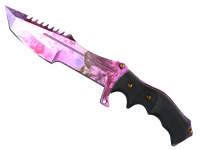
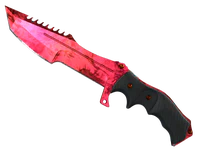
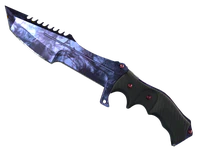
Premium-tier item with a compact, high floor and a long wear spread: the Doppler Phase 1 lives at the premium end and moves when clean copies show. Demand is tighter than name-grade knives but serious; you cash out best by picking your float window and watching StatTrak demand separately.
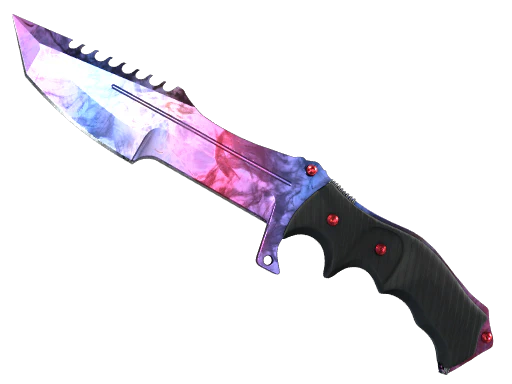
Premium-tier item with a compact, high floor and a long wear spread: the Doppler Phase 1 lives at the premium end and moves when clean copies show. Demand is tighter than name-grade knives but serious; you cash out best by picking your float window and watching StatTrak demand separately.
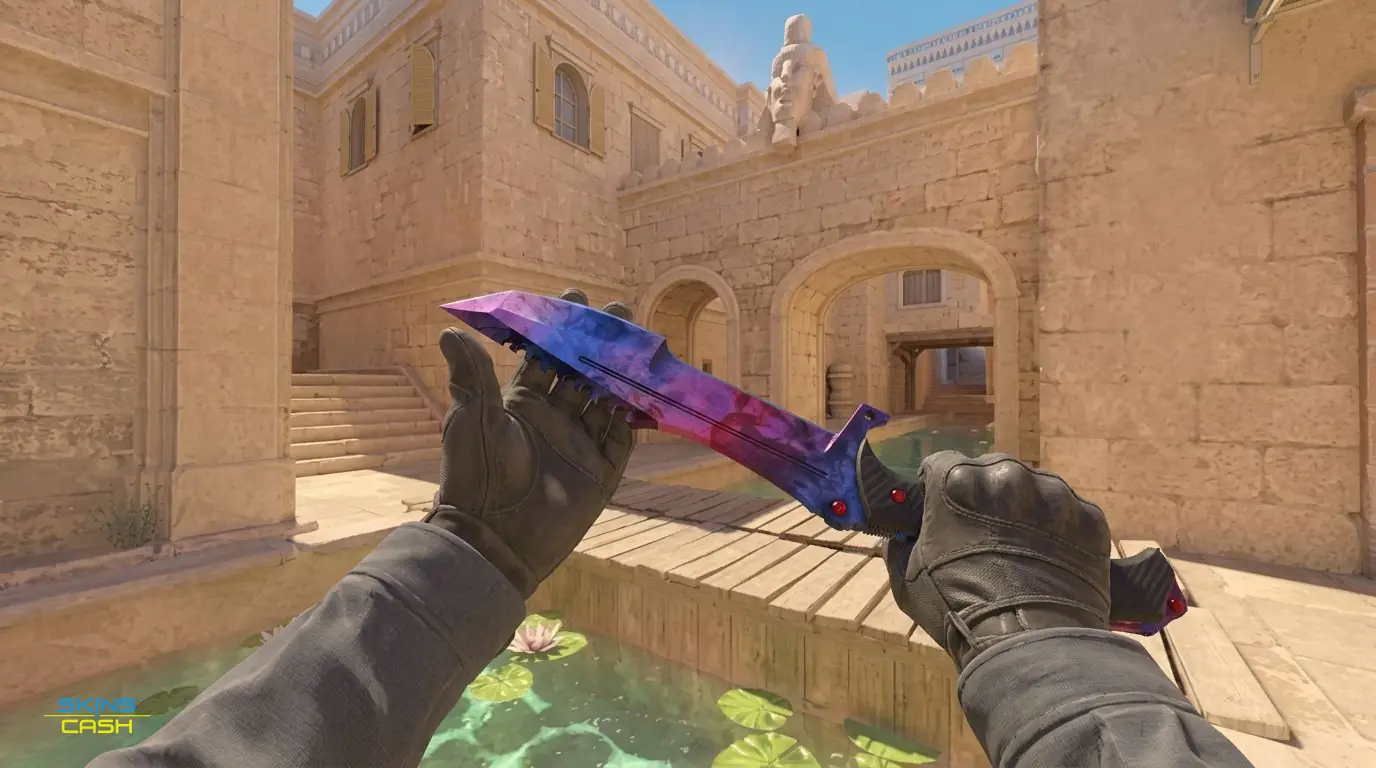
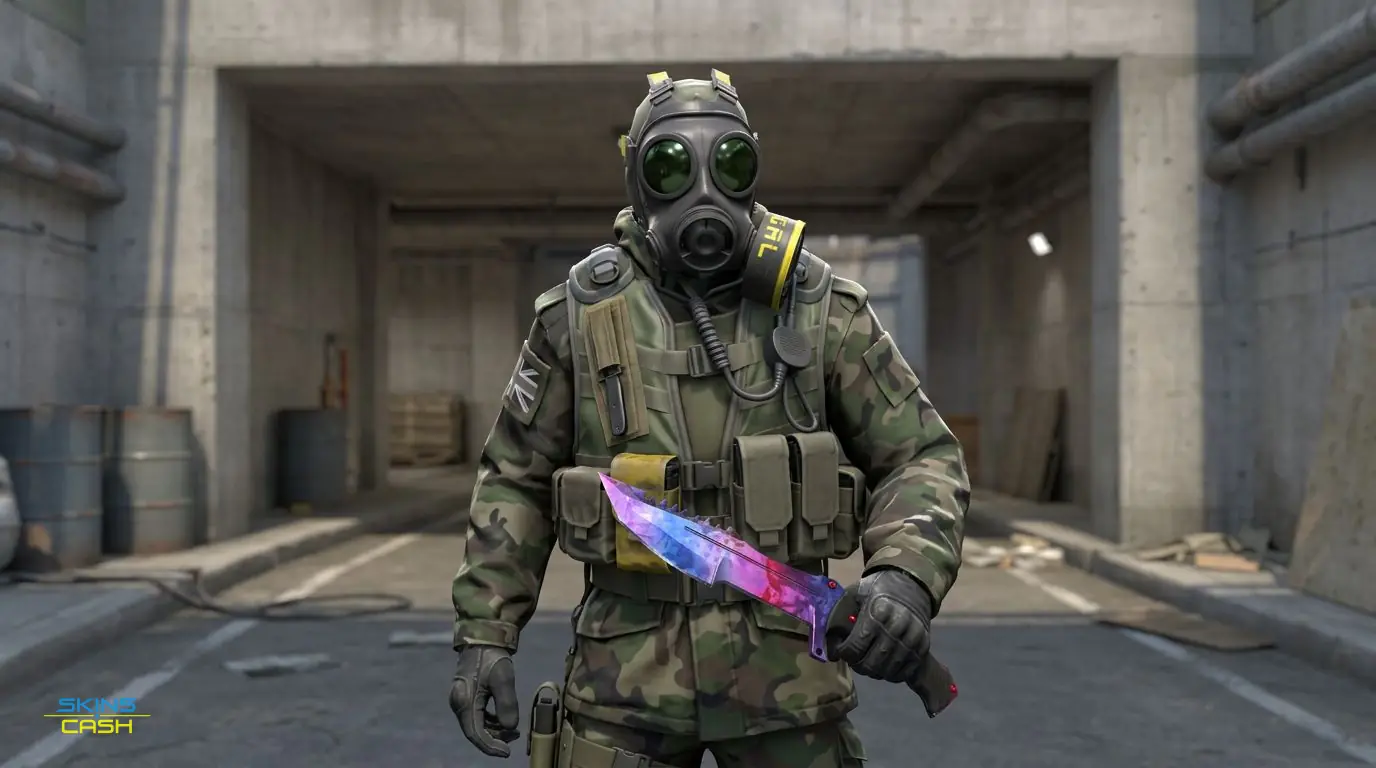
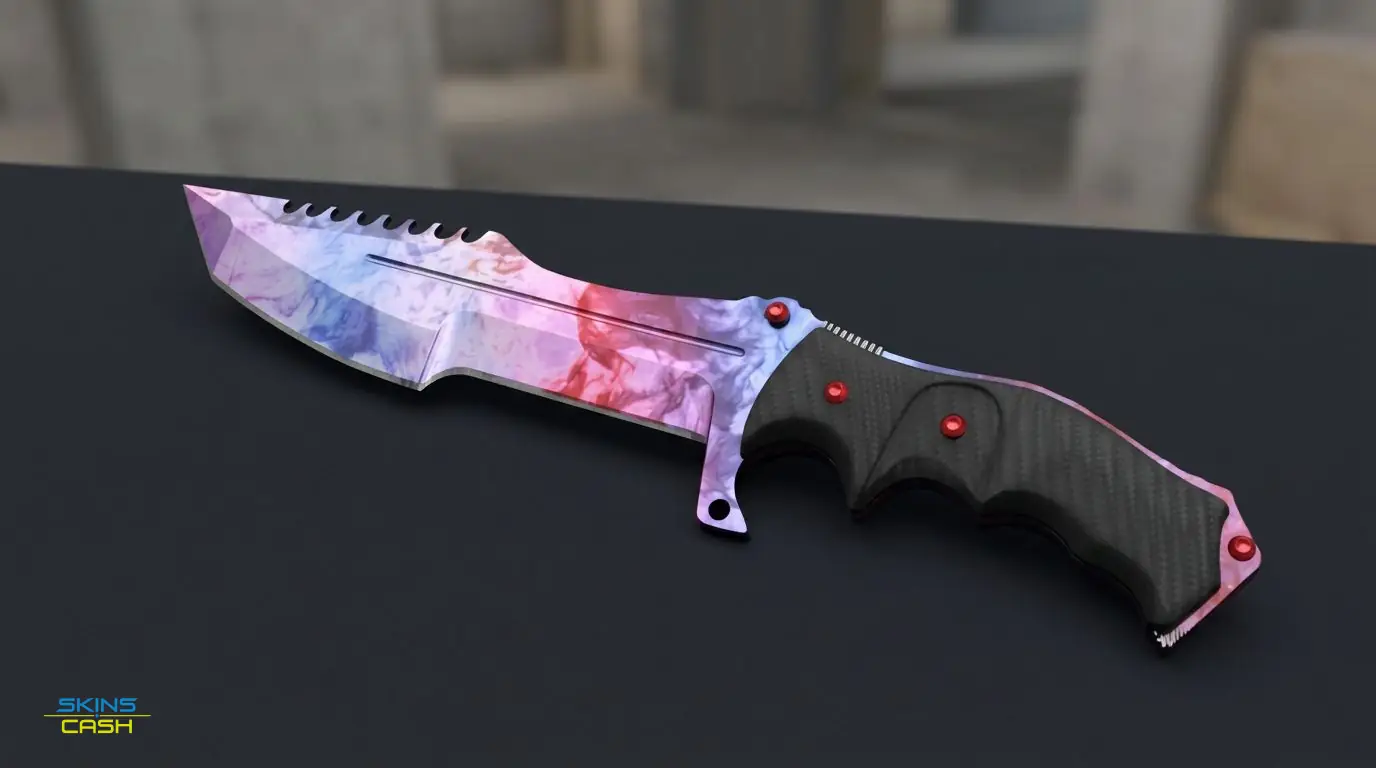
Sits squarely in the premium bracket for knife collectors and players who chase colored finishes. Sellers get thin but deep demand - not everyone looks for a Phase 1, but those who do pay for it; inventory clears slower than budget knives and faster than grail rarities. For listing strategy, that means you price as a premium play and market to buyers who specify Doppler phases.
The ladder is capped and stepped rather than smooth; value concentrates toward the clean end with a clear plateau through usable wears before stepping down into the lower band. Expect a compact top segment and a wider lower band, so the payout curve is tight at the top and stretches out as wear increases. That capped profile keeps clean copies scarce in comparison to the rest of the ladder.
Mid-to-good wears typically give the most skin-for-money if you want utility over collecting a pristine Doppler. The clean premium climbs quickly, so the reward for chasing the very clean floats stops being efficient once you hit the top plateau. Flip strategy: sell the sharp-looking mid-floats to players and hold the very clean ones for a collector bid.
There is a stepped spread between what posters list and what sellers actually net; premium knives attract wider asks, and the market only fills at the lower rung of those asks. The cashout figure you see will routinely sit below the sticker price because buyers prefer certainty and listings carry margin for negotiation. Factor that spread into your price target rather than assuming list equals payout.
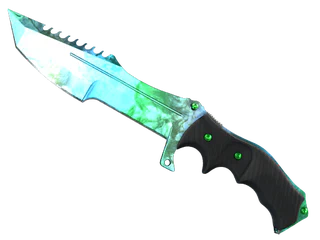
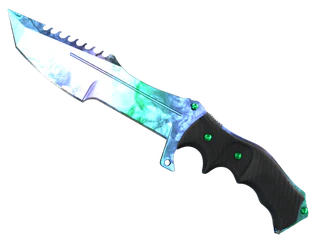
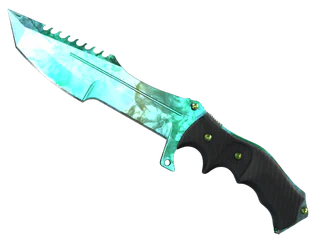
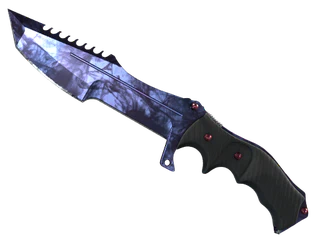
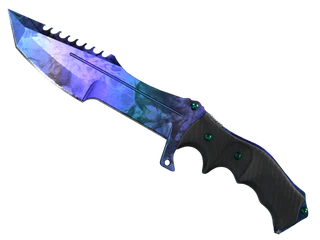
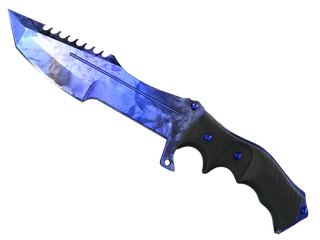
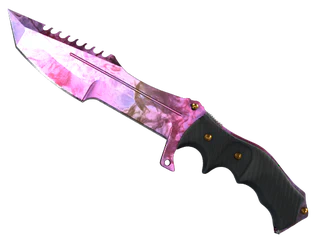
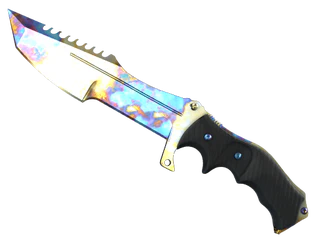
The anodized multicolored finish stays attractive through several wear tiers, but buyers care about the clean face-Phase 1 blues and purples read best with minimal edge wear. Small gains in cleanliness move buyers enough to change where a copy sits in the ladder. Visually, the finish maintains its appeal, but the market is discriminating about the cleanest copies.
StatTrak copies exist and trade on their own curve; volume is lower but the buy-side is willing to pay a premium for tracked kills. For sellers, StatTrak lists find dedicated buyers more reliably, but you should expect a distinct spread compared with non-StatTrak copies. Treat StatTrak as a separate pocket of demand when timing a sale.
Covert rarity props up the bottom of the ladder: even worn copies keep a firm baseline thanks to the knife class and covert status. That floor prevents the extreme collapses you see in more common items, so the lower tier holds value rather than sliding to scrap. It gives sellers confidence when accepting offers near the bottom band.
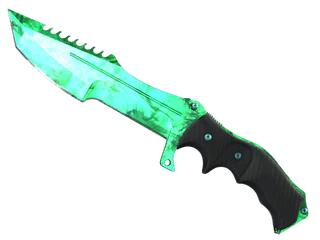
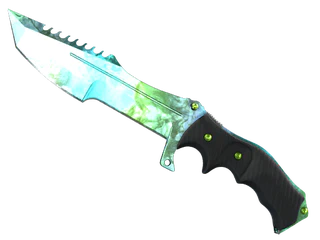
The palette is concentrated in cool tones-Blue and Purple over an anodized multicolored finish-so the blade reads icy in-game and stands out against warmer map skins. Valve's finish work keeps light play and reflections lively, which is why players hunting a distinctive blade pick Phase 1 over plainer finishes. The combination is game-visible and photo-friendly for listings.
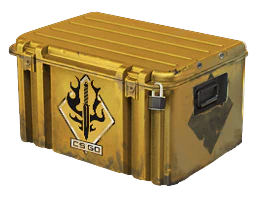
This Huntsman Doppler Phase 1 drops from the Spectrum Case, which channels a steady but not overwhelming supply into the market. Case origin means copies appear often enough to keep listings active, but not so often that the premium erodes quickly. Supply cadence favors patient sellers who list with a clean float.
The year-long arc shows a steady bleed rather than sporadic spikes, with recent softness continuing a downwards motion. That trend pressures quick sellers to accept offers sooner and rewards those who can wait for brief recoveries. Over time, patience and selection have outperformed forcing a quick flip.
The all-time band is wide, reflecting big gaps between the clean top and worn bottom. Current pricing sits well inside that broad band rather than at an extreme, leaving room for both downside and upside depending on float and StatTrak. Traders should expect range volatility rather than a narrow trading ribbon.
On a higher-value piece like this, timing the cashout moves actual returns more than small price tweaks. Holding until the market tightens or until a clean offer surfaces usually beats undercutting early; conversely, when the trend weakens, taking a solid offer can avoid deeper erosion. Know your minimum and be ready to list when a buyer who wants Phase 1 shows up.