Clean-end copies carry the market here; buyers are picky and value the top-tier finishes over midwear. Demand is steady in regular trading but has softened recently, so sellers should watch the live block and target the clean end when cashing out.
Clean-end copies carry the market here; buyers are picky and value the top-tier finishes over midwear. Demand is steady in regular trading but has softened recently, so sellers should watch the live block and target the clean end when cashing out.

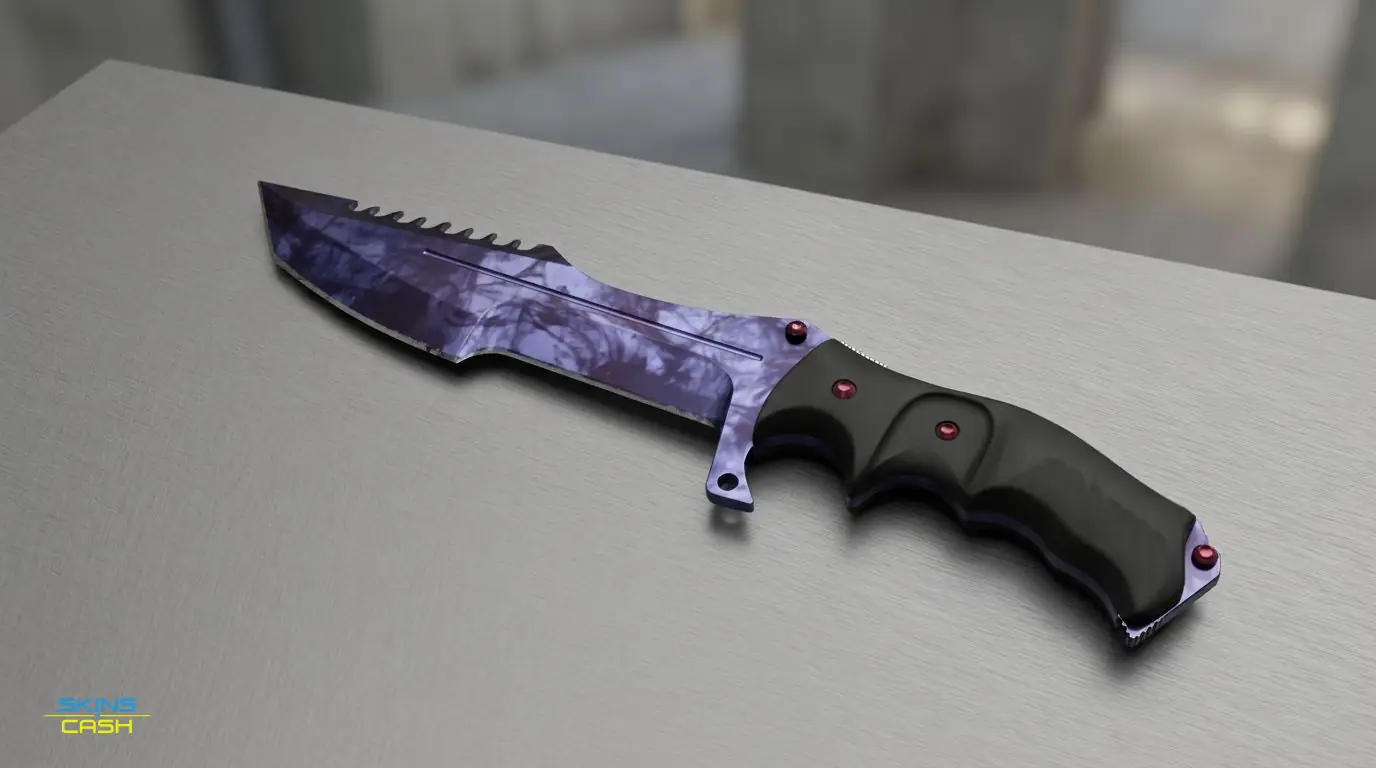
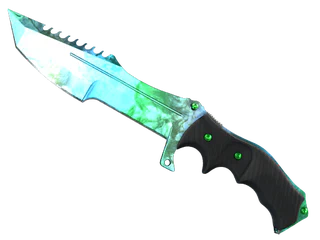
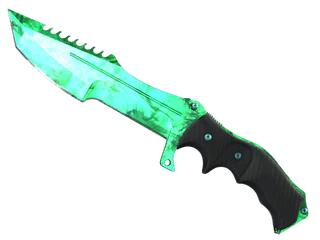
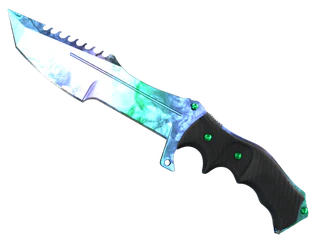
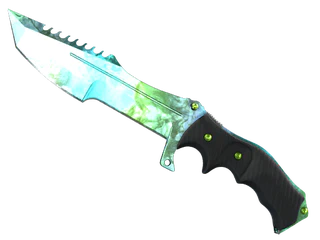
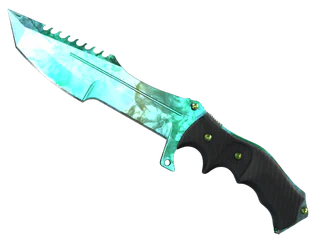
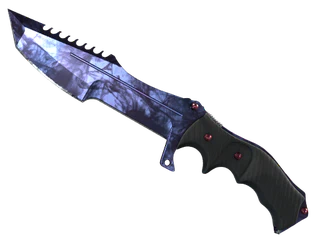
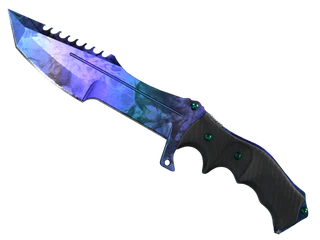
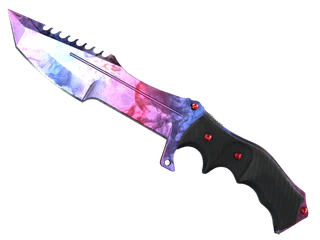
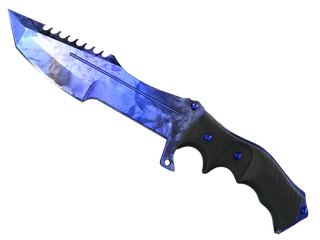
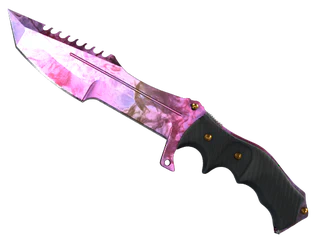
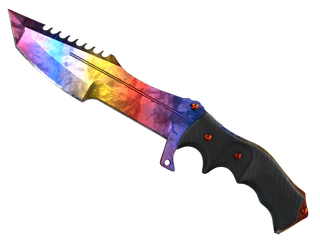
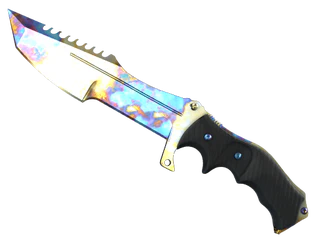
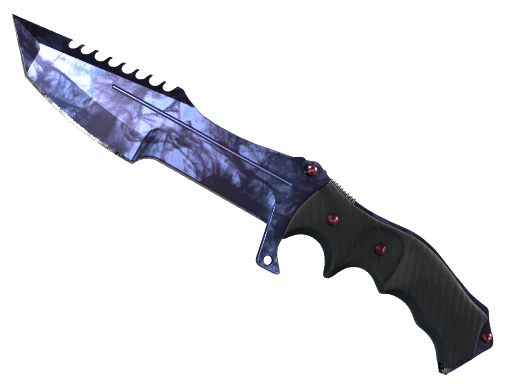
This Huntsman Knife sits in the premium bracket for hunt knives thanks to its covert status and the Black Pearl motif. It trades with serious buyers rather than impulse shoppers, so listings that aim too low often sit while properly priced clean copies move relatively quickly.
The ladder is steep toward the clean end with most of the value concentrated on the very clean copies and a quick drop into the middle rung. Past that mid segment the slope flattens and the lower wears cluster together with less separation between steps.
Expect a healthy gap between sticker and what you actually receive - buyers pay for immediacy and condition, while platforms and offers bake in fees and margin. That spread widens when listings try to push lower-wear expectations on dirtier copies; price to where the market actually trades, not where you wish it would.
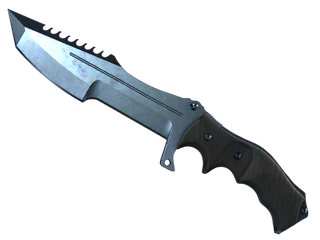
The best skin-for-money is found in the mid-clean region where the look still reads like a top finish but without the clean-end premium. Once you hit the true mirror-like Blacks you stop getting value for the marginal improvement; those are buyer targets only.
This finish occupies a capped float band, so the "worst" copies are cleaner than a typical unrestricted finish and the bottom of the ladder never gets truly beaten-up. That caps downside for sellers but also compresses the lower tier, making midwear less distinctive than on full-range finishes.
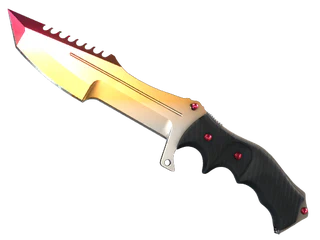
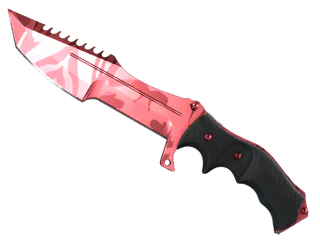
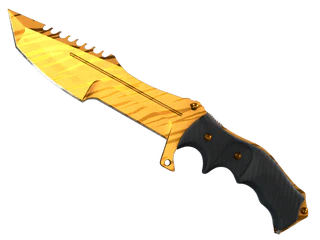
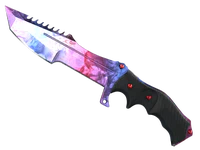
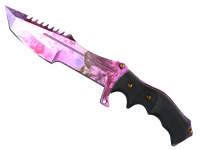
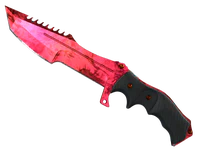
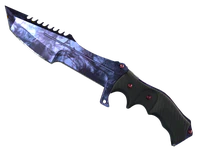
Phased Doppler patterns matter here: certain Black Pearl phases and seeds pull a premium beyond float alone, especially on displays with the right purple flash. Check the phase across listings - two identical floats can list very differently if the phase is the sought-after one.
Covert rarity underpins a baseline of value even for the lower ladder rungs, so the low end doesn't collapse the way cheaper rarities do. That support keeps worn copies tradeable rather than dead inventory.
Coming out of the Spectrum Case gives this blade a clear supply narrative at trade desks; case origin keeps a steady drip of copies into the market. That steady supply, combined with selective buyer taste, is why clean examples command the premium.
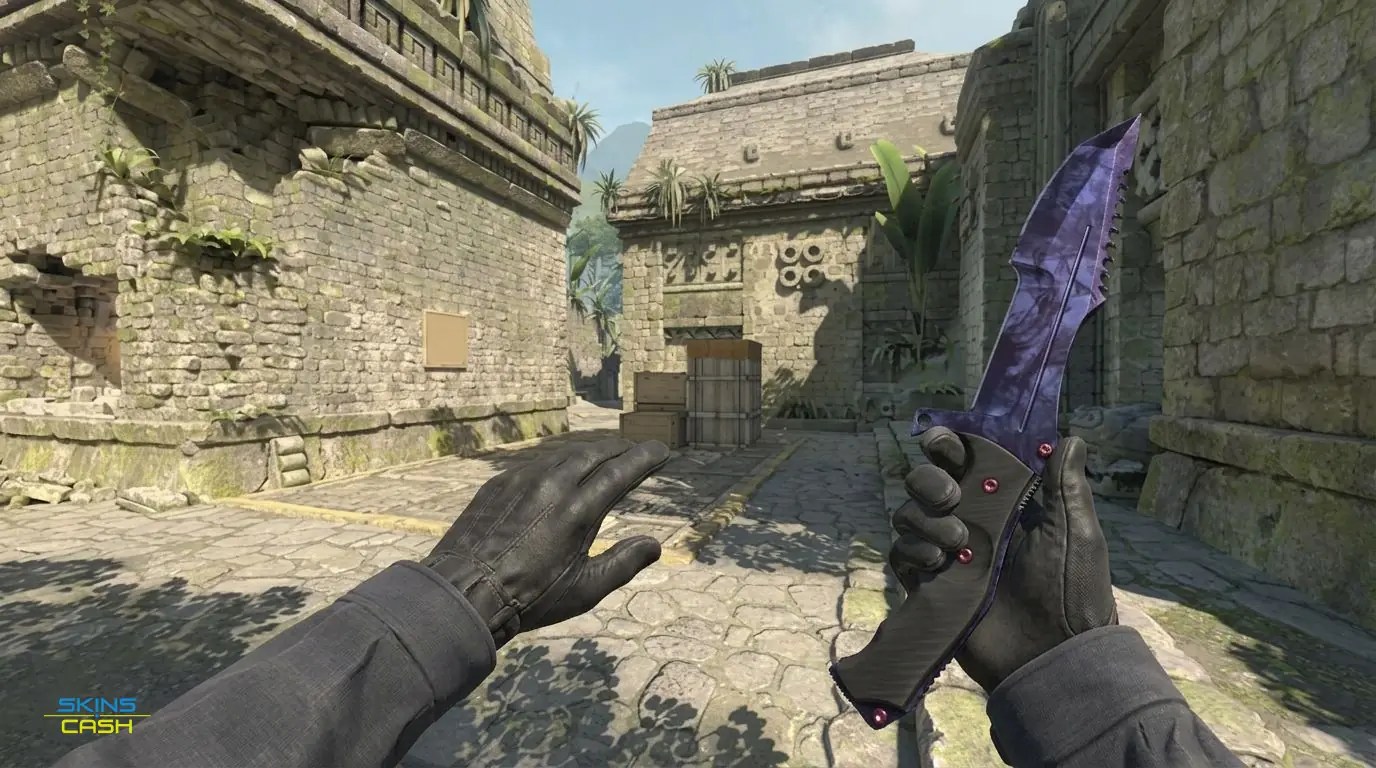
Valve's anodized multicolored finish leans hard on purple notes, and the contrast reads aggressive in-game on the huntsman profile. The blade still catches light cleanly; that purple sheen is what buyers single out when scrolling.
This comp has shown a wide historical trading band, with long stretches of calm punctuated by spikes toward the top end. Current sitting position has softened from earlier peaks, so exits at the clean end remain the least risky route.
The usual errors are listing midwear as if it's a clean and ignoring the capped float when valuing the low end. Also watch for mis-tagged phases; a wrong phase drives browsers away. Verify float and phase, price to the trade, and avoid headline stickering that assumes every buyer chases the mirror finish.
Among traders this knife is respected for its look and the narrow but intense buyer base it attracts. Sentiment is pragmatic: collectors go for the clean end, traders price around mid-clean, and casual buyers rarely drive demand.