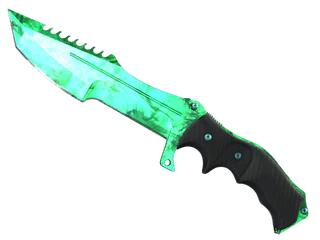
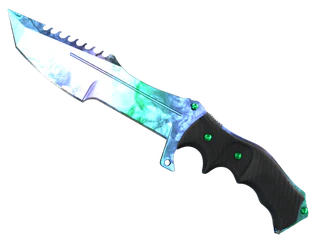
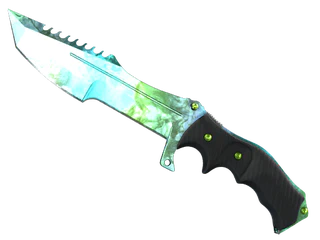
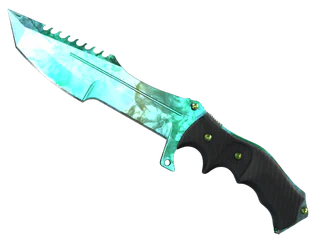
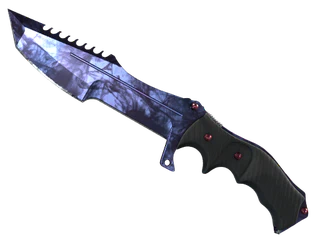
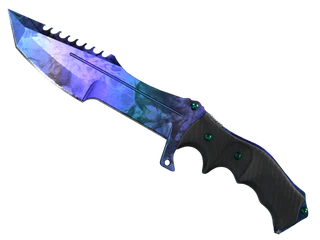
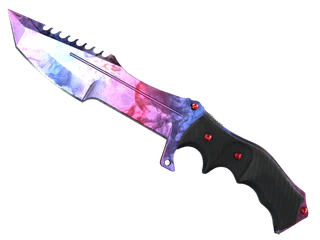
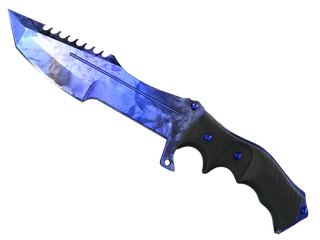
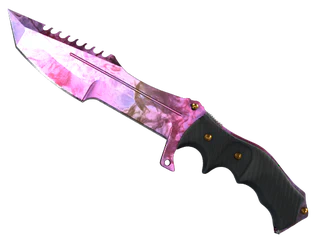
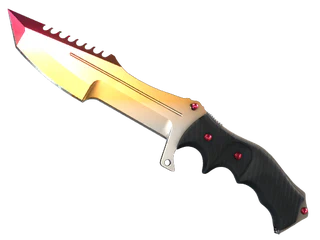
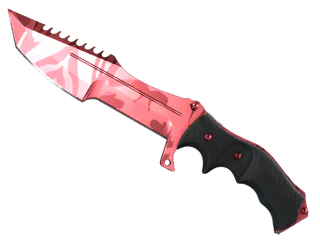
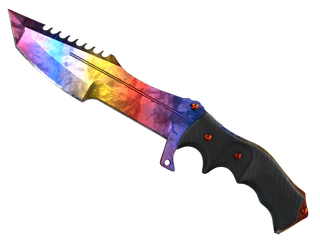
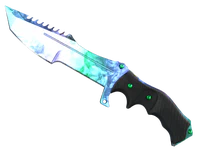
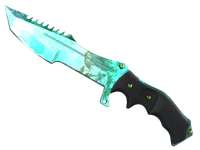
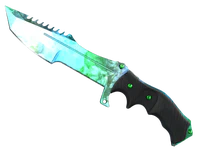
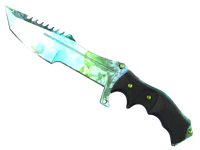
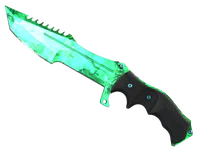
Premium-tier, high-value Huntsman Knife with a capped float profile and a clean-end concentration that traders watch. The floor is solid thanks to rarity and designer cache, but the year-long trend has been weak - this pairs with a wide historic range and gives sellers a timing decision, not a slam dunk.
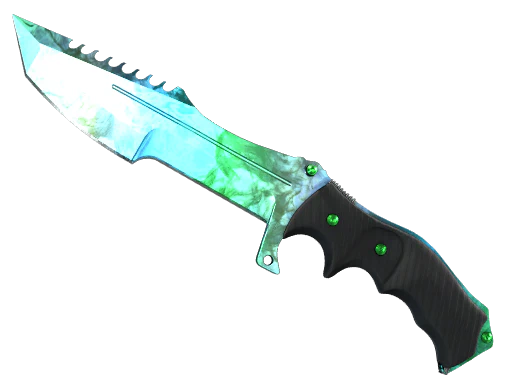
Premium-tier, high-value Huntsman Knife with a capped float profile and a clean-end concentration that traders watch. The floor is solid thanks to rarity and designer cache, but the year-long trend has been weak - this pairs with a wide historic range and gives sellers a timing decision, not a slam dunk.
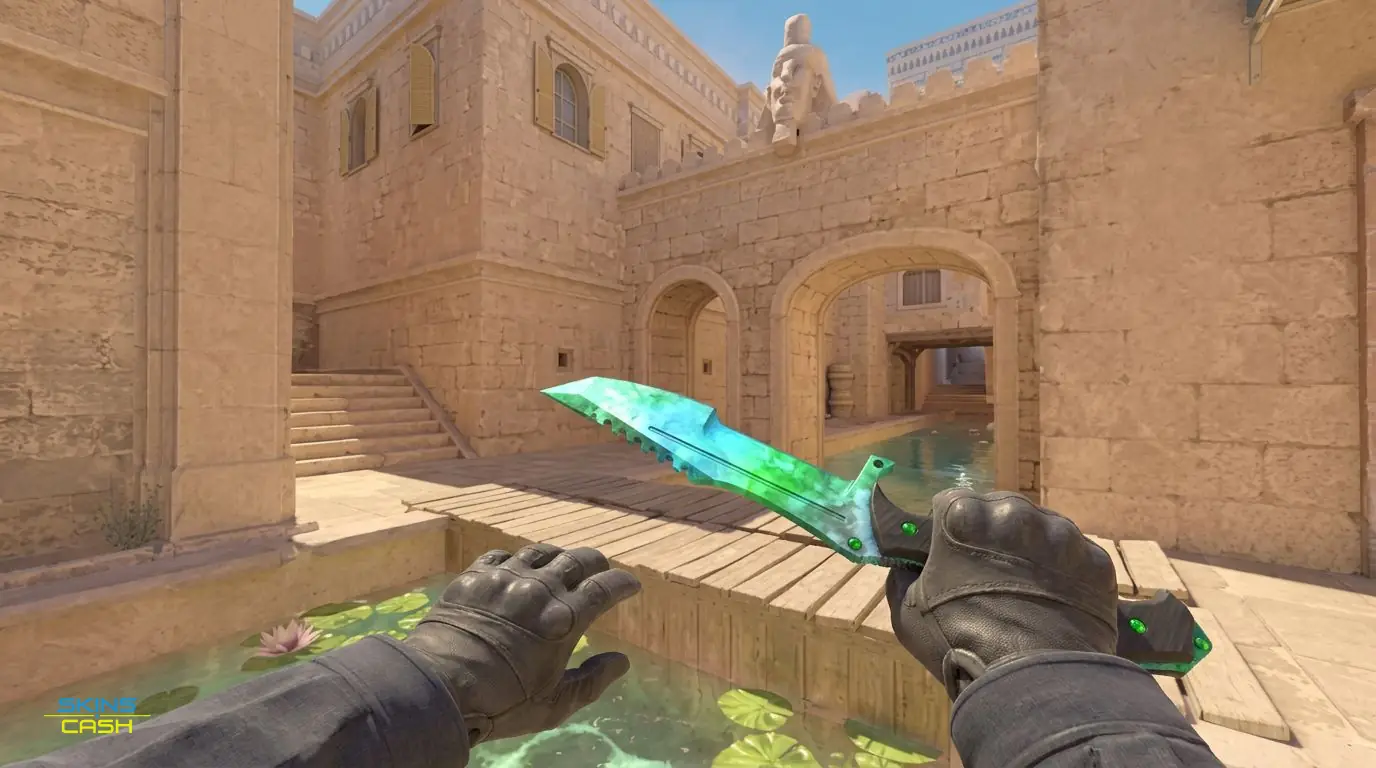
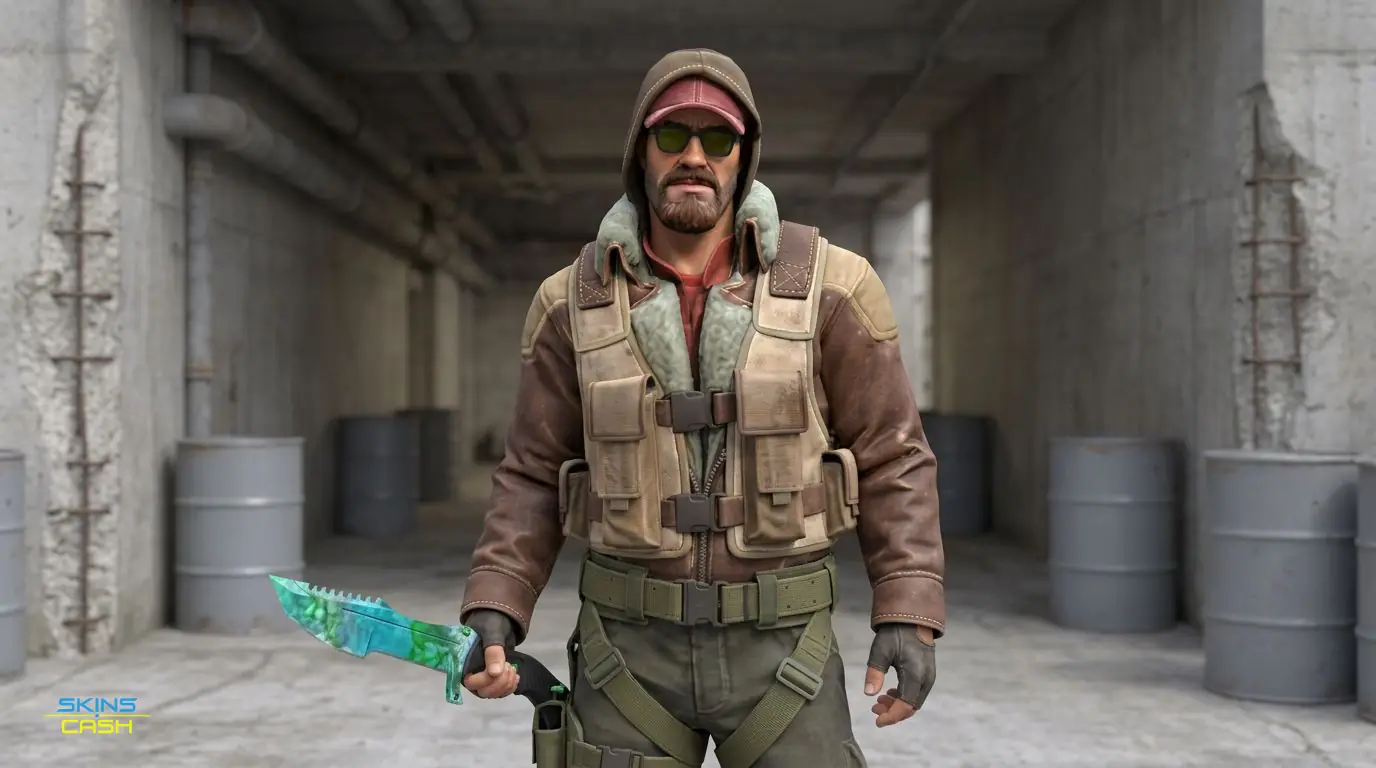
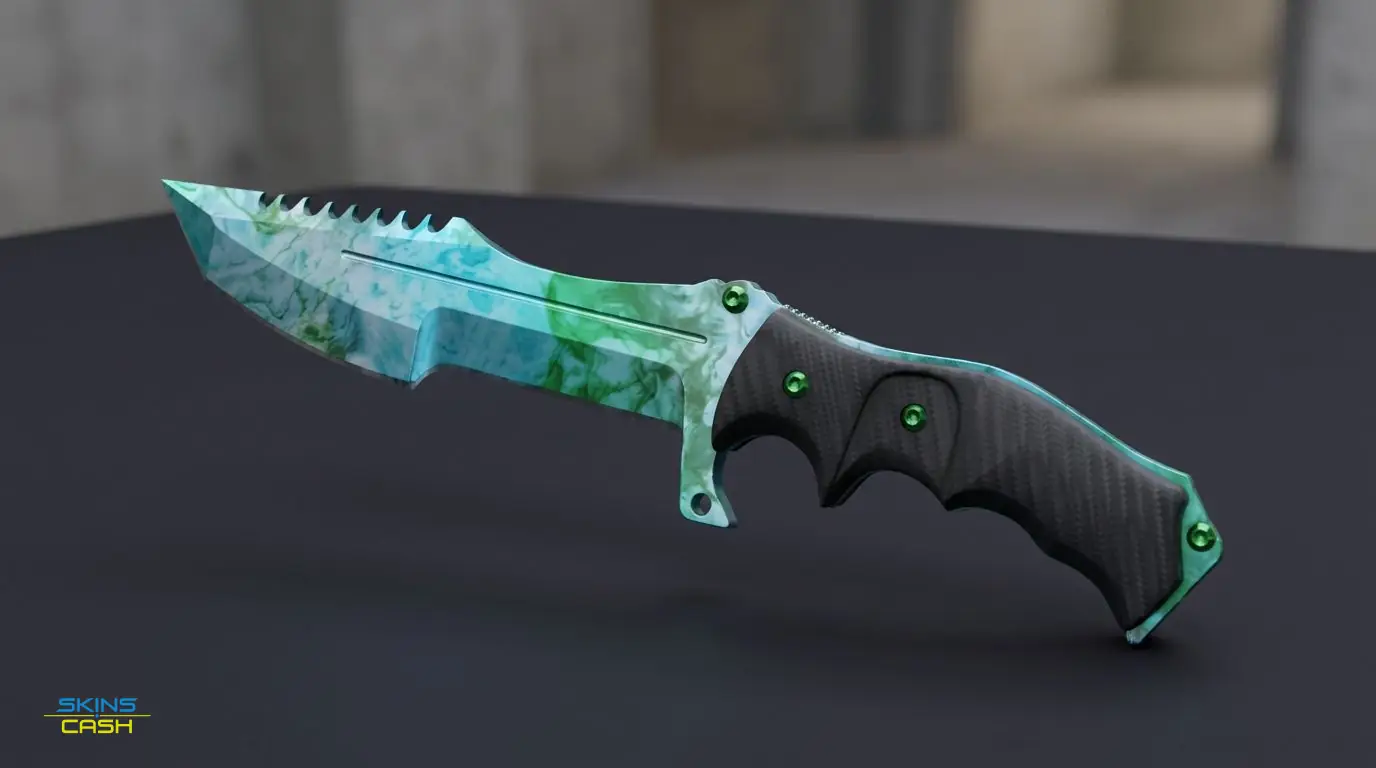
This sits clearly in the premium bracket for knives: not a grail but a high-value piece that attracts serious buyers rather than impulse clicks. With Valve as the designer and Covert rarity, selling moves are deliberate - list tight, expect selective takers who understand the Phase three look.
The payout curve is a capped ladder with most of the value stacked toward cleaner copies and a sharp step down after that clean band. Because the float profile is capped, the top end holds together while lower wears compress into a tighter grouping.
Mid-clean floats tend to offer the best skin-for-money ratio before the premium on the absolute clean end swallows returns. Look for the point where the Phase three pattern still reads vivid but you stop paying that steep clean premium.
Expect a meaningful spread between sticker prices and what you actually net: buyers run cautious on listings and market takers price in immediacy and fees. List aggressively if you need speed, or sit on the clean end to close a smaller spread with a patient buyer.
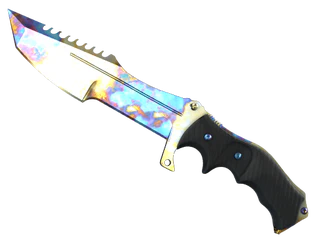
The anodized multicolored finish shows wear visually; a cleaner Phase three keeps the green highlights popping while duller faces lose contrast. Buyers will pay noticeably more for that punch in the blade and bevel - it matters for perception.
In StatTrak copies you see inversion where a mechanically dirtier float can outsell a cleaner one because the counter and variant desirability override small wear differences. Watch for StatTrak demand surges and compare exact pattern placement before assuming cleaner equals higher net.
Covert tier underpins the low end so worn copies do not drop into bargain territory like lower rarities. That floor gives sellers cover when the market softens; even the compressed lower-tier band stays viable because of rarity scarcity.
The dominant green over an anodized multicolored field reads clean in-game, especially on darker maps where the blade catches light. Phase three tends to keep those green accents central, making the knife pop without garish contrast.
Being from the Operation Riptide Case constrains fresh supply to that container stream, which affects how quickly new examples enter circulation. That case origin also ties market attention to any activity around Operation Riptide drops and rotations.
Wide historical range plus a hard downtrend over the year produces choppy headline moves but short-window calm; this is a volatile asset over long horizons and relatively stable in short windows. Pick entry and exit around event schedules, not daily noise.
The last thirty-day picture is flat: no momentum to force quick decisions, but the longer-term direction has been weaker. That flat short window gives sellers a chance to stage listings rather than panic.
Traders often misprice by ignoring the capped float and Phase three visuals or by treating StatTrak and non-StatTrak as interchangeable. Check variant, float cap, and pattern placement - mislabeling any of those is the fastest way to miss real bids.