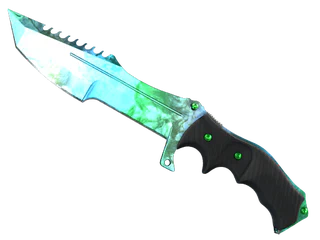
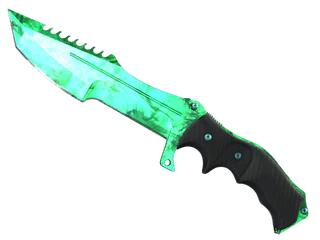
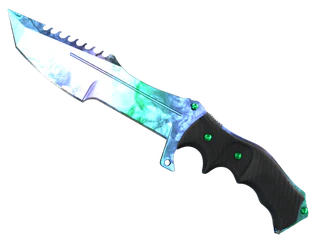
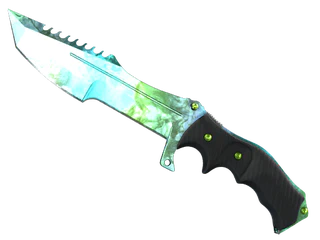
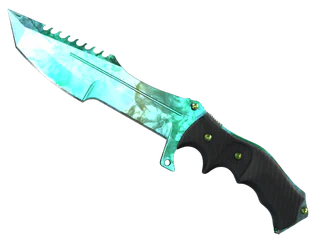
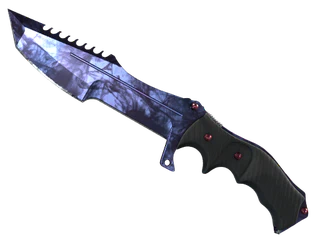
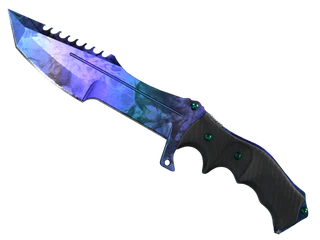
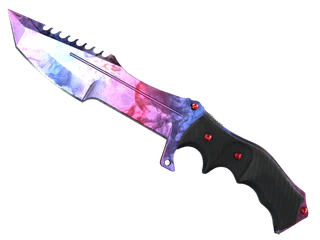
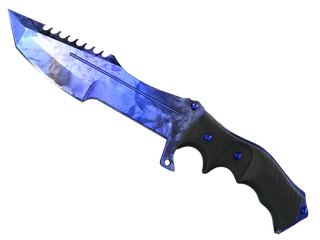
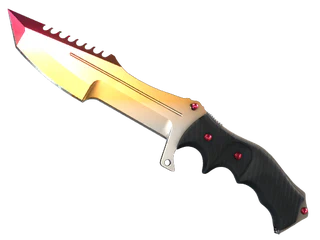
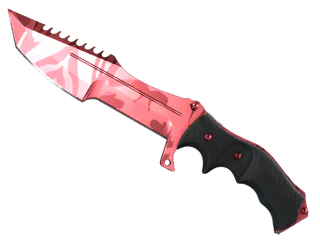
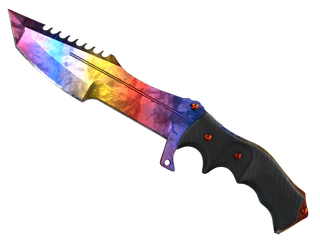
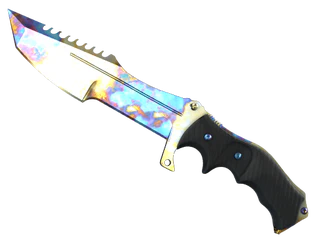
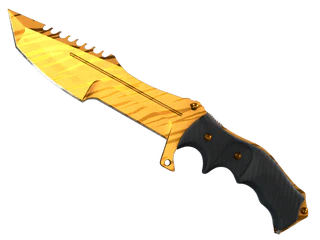
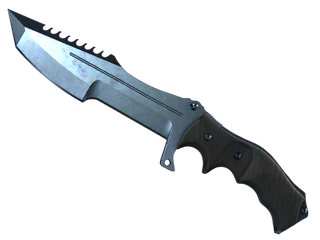
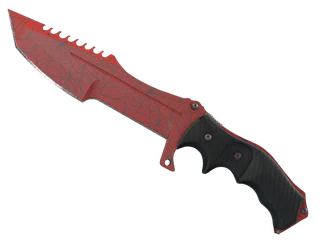
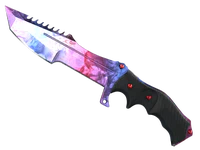
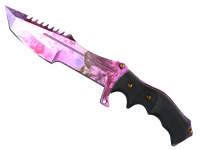
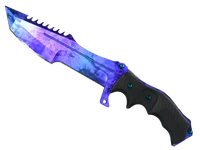
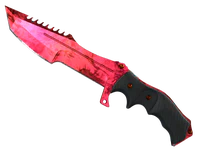
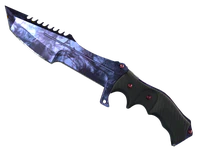
This is a premium covert huntsman with a capped float profile and a high floor, so demand clusters at the cleaner copies while worn examples still hold real value. If you own a clean Phase 2, you're dealing with serious buyer attention; sellers of faded copies can still expect reliable bids compared with lower-tier knives.
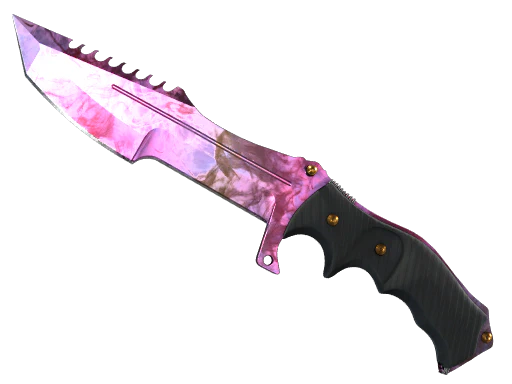
This is a premium covert huntsman with a capped float profile and a high floor, so demand clusters at the cleaner copies while worn examples still hold real value. If you own a clean Phase 2, you're dealing with serious buyer attention; sellers of faded copies can still expect reliable bids compared with lower-tier knives.
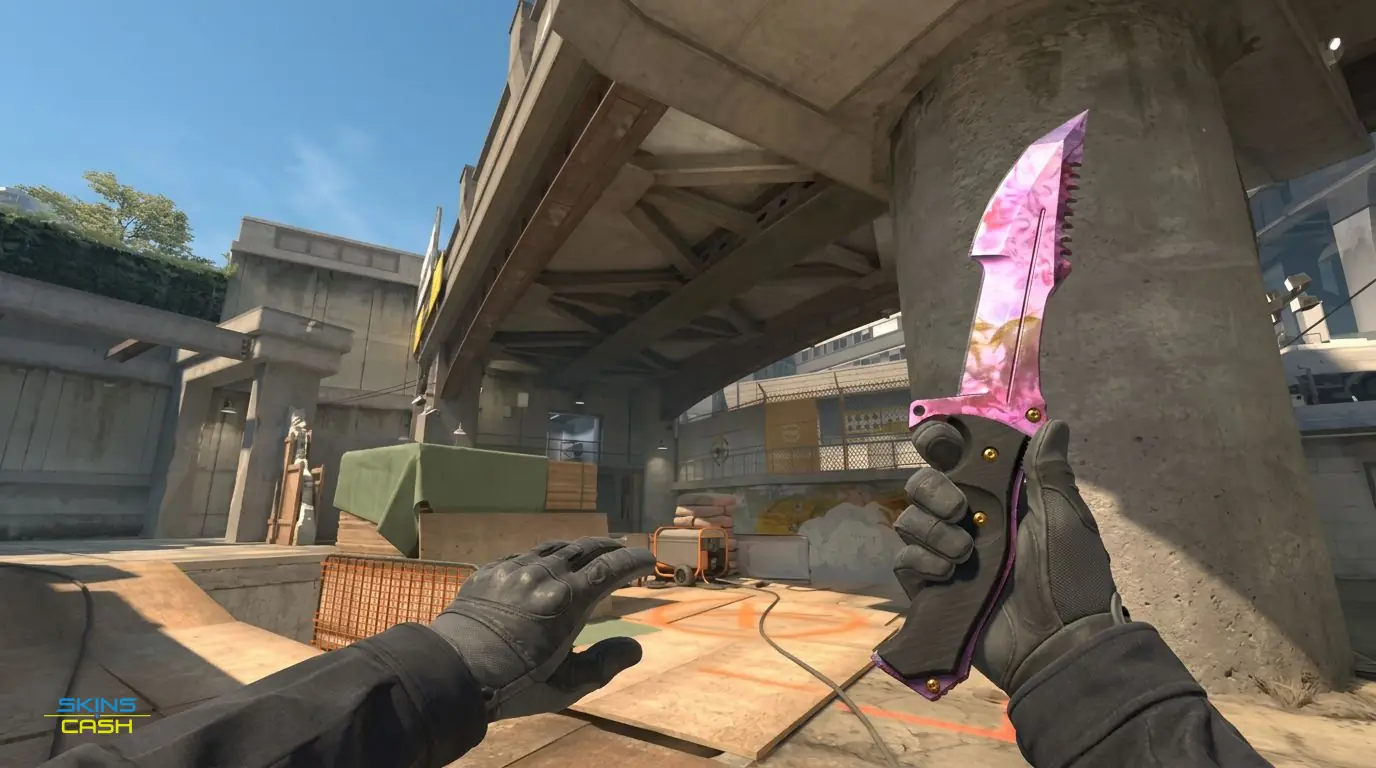
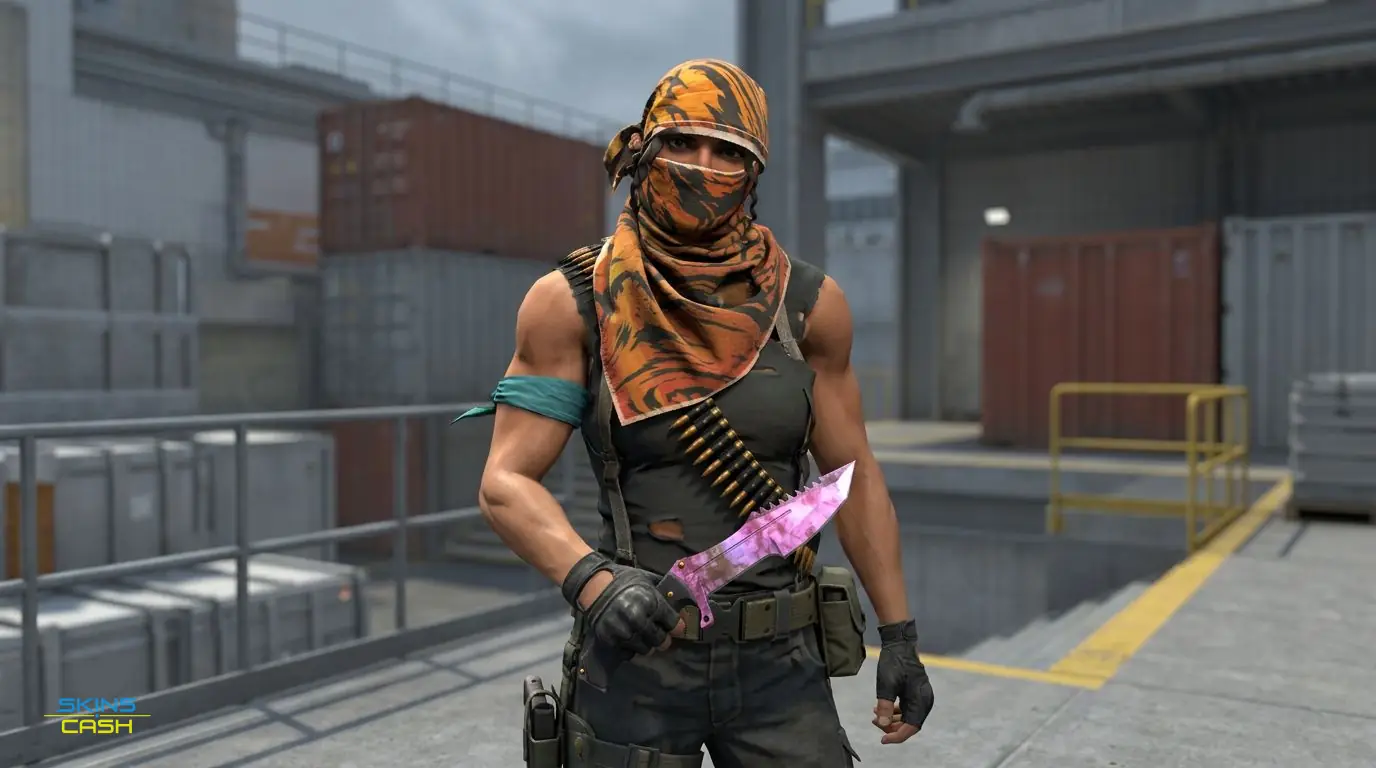
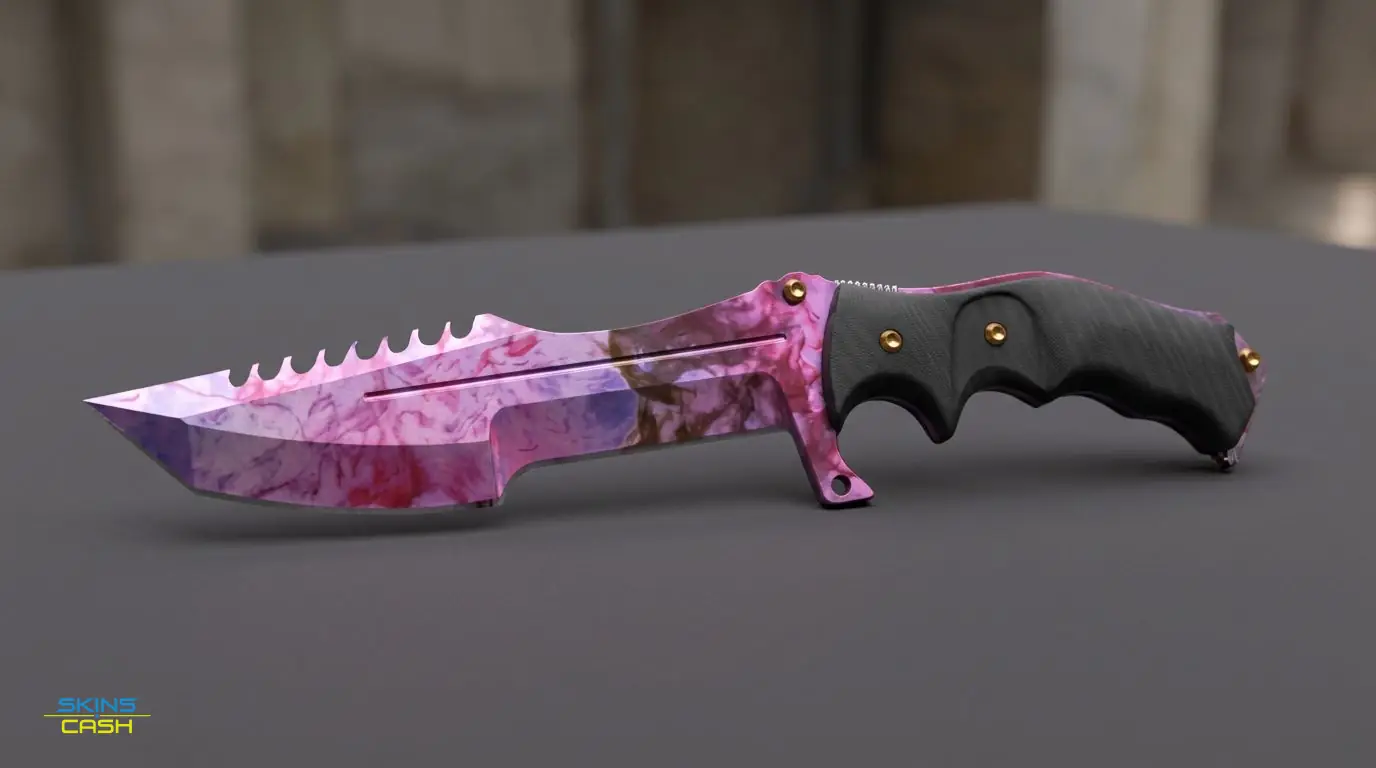
This sits squarely in the premium bracket for knives, a step above mid-tier blades and below grail-level outliers. For a seller that translates to selective demand: listings move when they hit the clean ladder and slower when they sit deeper into worn territory. Expect buyers who know what they want rather than impulse clicks.
The ladder is a capped profile with a stepped lower-tier spread, so the payout curve has a firm plateau at the clean end and a visible step down as wear degrades. There is a wide historic range beneath that plateau, not a gentle continuous slope, which creates discrete pricing bands rather than a single smooth decline.
Most skin-for-money lives just past the razor clean zone where the look still reads Phase 2 without commanding the headline premium. Beyond that point the extra you pay for cleaner float stops giving proportional returns, so buyers hunting value tend to focus on that middle-clean band. Sellers should spot that hinge and price accordingly rather than chasing the top clean premium for marginal float gains.
The spread between listed stickers and net cash tends to be wide and stepped; buyer bids sit below listing psychology while active sellers price toward the clean plateau. Market friction comes from that stepped lower-tier spread and from the premium expectations around Phase 2 copies. Expect to trim listings to the live bid band if you want a quick sale.
This anodized multicolored finish shows its change with float in ways buyers notice: small increases in wear dull the pink highlights and shift how the color shifts under light. Clean faces command attention; once the finish softens the visual drop is obvious and so is the price reaction. In short: visible sensitivity, and buyers price with that sensitivity in mind.
Being covert underpins a strong low end even for worn copies, so the bottom of the ladder is supported more than with lower rarity knifes. That rarity floor keeps worn Huntsman copies desirable to collectors and players who want a solid blade without chasing perfect float. Sellers should remember the covert tag stabilizes downside risk.
Phase 2 patterns carry a distinct premium over anonymous phases, and seed placement can further separate similar-float copies. Check the phase signature on the blade face and the seed coverage around the edge before you price; buyers pay extra for the right Phase 2 look. If your seed gives a rare face, you can price above the baseline for that float band.
Pink pops through the anodized multicolored finish and the result is a blade that reads aggressive in game while keeping that reflective sheen at cleaner floats. Valve's designer language here favors contrast, so the Phase 2 arrangement emphasizes those pink tones against darker patches. In play it catches attention without being garish.
This knife originates from the Spectrum Case, which shapes supply expectations and keeps primary drops tied to that container. Case origin is a consistent reference for supply flows and listing behavior, especially when traders compare this knife to other Spectrum yields. Supply rhythm follows that source more than generic case chatter.
Wide historical range combined with a down-hard longer trend makes prices jumpier than a flat steady market, but the capped float and high floor mute the worst swings. You'll see sharper moves around the clean plateau and more stability deeper on the ladder. For cashout timing, treat this as a market that can gap but has defined support.
Short window action is drifting down softly, so listings have nudged lower rather than collapsing. That gentle movement affects bidding psychology more than it rewrites the long-term shape; clean pieces still hold attention even as mid-range bids thin. Watch the live block for entry points.
The usual errors are treating all Phase 2 copies like identical items and ignoring the seed or the stepped spread between cleaner and worn bands. Another frequent slip is pricing by sticker rather than the live bid band, which overstates what you'll net. Check the phase, float cap, and current spread before you list to avoid overpricing.