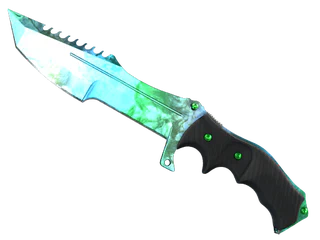
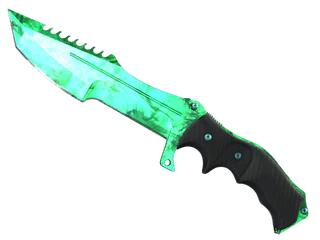
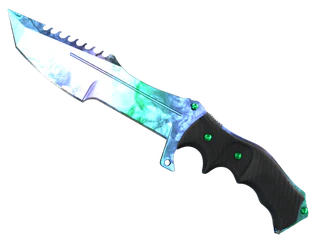
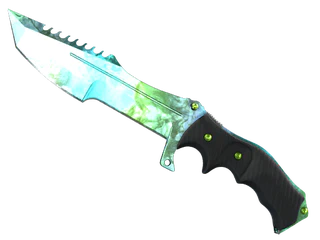
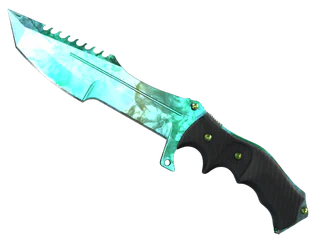
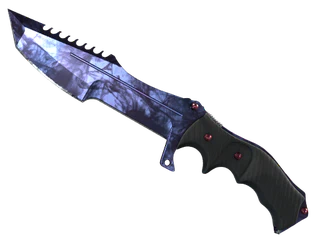
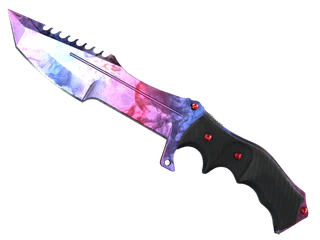
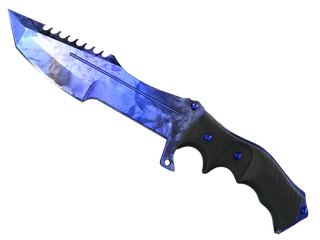
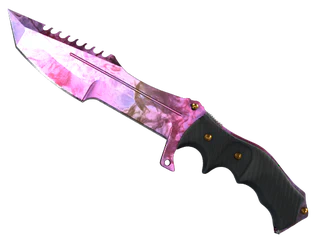
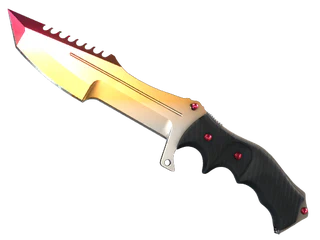
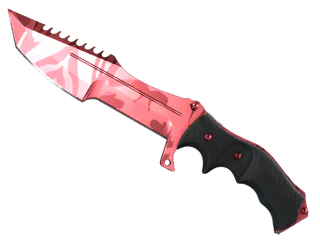
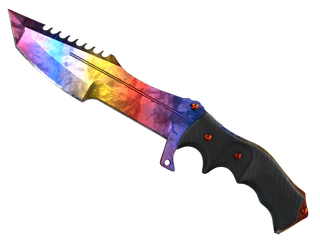
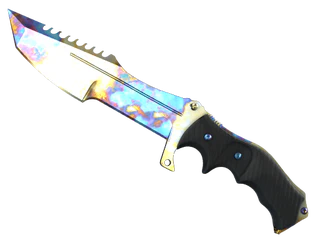
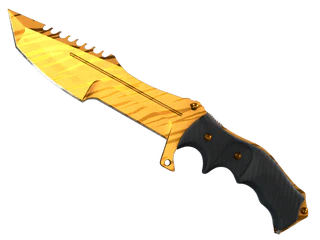
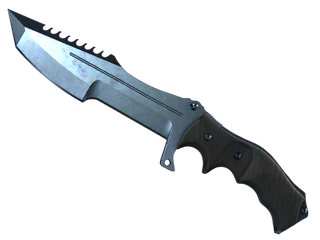
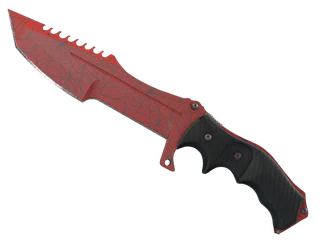
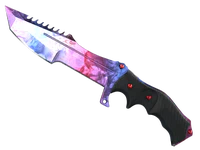
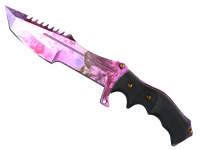
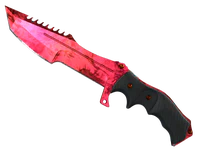
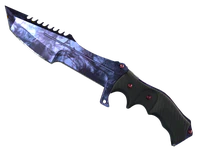
Premium demand lives at the clean end for this Valve-designed Anodized Multicolored huntsman knife, with a firm floor thanks to its Covert tag and Spectrum Case origin. Expect a tight market that rewards top-phase copies, while the broader band shows a wide historical spread and recent downward repricing pressure.
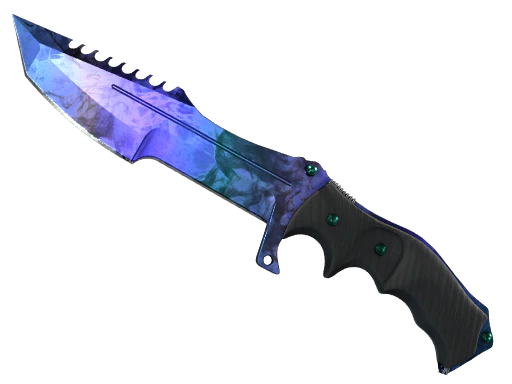
Premium demand lives at the clean end for this Valve-designed Anodized Multicolored huntsman knife, with a firm floor thanks to its Covert tag and Spectrum Case origin. Expect a tight market that rewards top-phase copies, while the broader band shows a wide historical spread and recent downward repricing pressure.
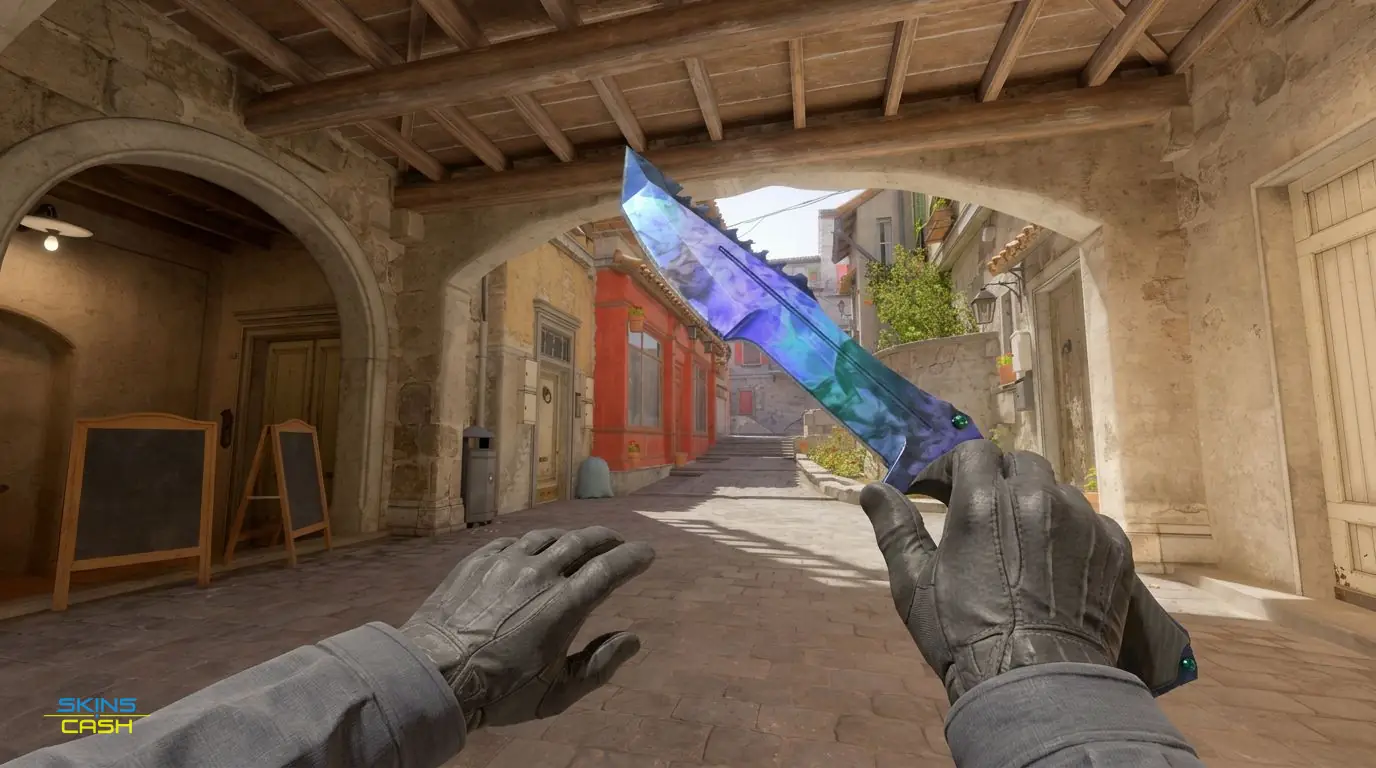

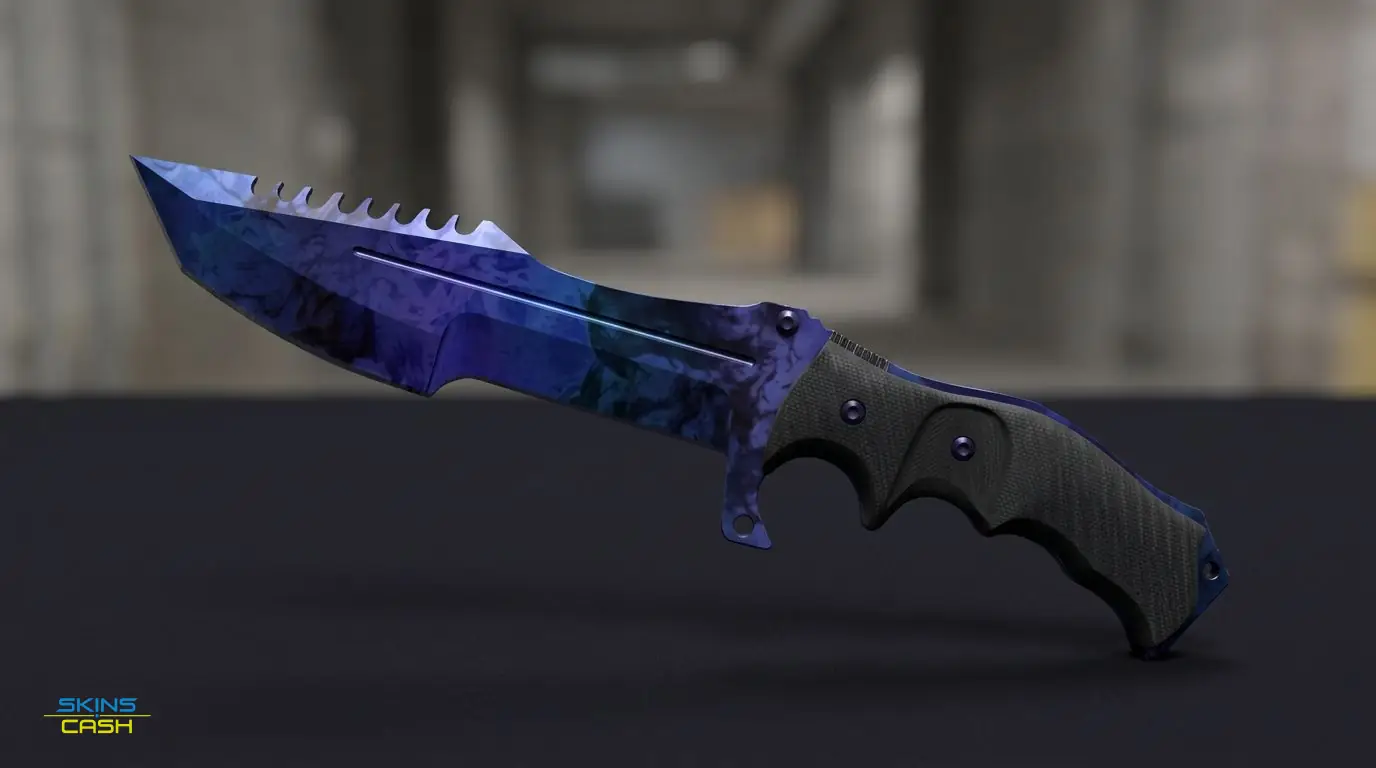
This sits squarely in the premium bracket among knives; buyers treat it like a high-value piece rather than a quick-rotate flip. For a seller that means fewer casual taps and more selective bidders who prize the Phase 3 face and the Blue-dominated palette over mass liquidity.
The ladder is capped and tilted toward a sharp premium at the clean end, with a clear step down through the mid wears into the lower rungs. Capped float compresses the bottom edge, but the payout curve still leaves most value concentrated where the Phase 3 look reads freshest.
If you want skin-for-money, the mid-clean band often gives the best tradeoff before the clean-face premium begins to outrun practical resale appeal. Sellers who hold into the very top floats see disproportionate payoff, but the reward stops once the Phase 3 signature blue loses dominance.
Expect a noticeable gap between listing sticker and cash that lands in hand; premium blades attract higher asks but also wider friction on sale. That stepped spread is most visible between the clean end and the worn rungs, where buyer willingness falls away faster than list prices.
This finish degrades visibly; the blue sheen and anodized multicolored flashes shift with float and catch the eye of buyers hunting a pristine Phase 3 face. Clean examples get paid for that intact look, while small changes in visible wear translate into meaningful buyer hesitation.
Covert rarity supports a solid floor even for beaten copies, keeping the low end from collapsing entirely during softer markets. High floor strength paired with a premium price tier means even the lower ladder holds value relative to more common blades.
Phase identification matters here: certain Phase 3 faces and seeds sell noticeably better than generic copies. Check the seed carefully; Phase alignment and how the blue sits on the edge will outstrip small float differences when buyers decide between competing listings.
The Blue-dominant palette reads clean in-game against most maps, and the anodized multicolored finish throws subtle flashes that reward viewing angles. Valve's design language shows through: it keeps the knife readable at distance while offering that pop up close.
This blade originates from the Spectrum Case, which shapes its supply profile and ties it to case rotation dynamics rather than a weapon-specific chain. That origin helps explain an enduring but concentrated collector base rather than broad market churn.
Over the longer term the skin has bled down from prior highs, giving the market a more cautious tone even as the short window has flattened. Historical range is wide, so the present level looks like a re-rating from an earlier premium peak.
Wide historical swings plus recent downward drift make this a jumpy premium; spikes happen around rare clean-phase finds, but the broader market shows periods of flatness. Sellers should expect bursts of activity centered on standout seeds and then quieter stretches.
With a high-value profile, patience can extract extra return on a clean Phase 3 face; timing when collectors re-emerge matters more than forcing a quick sale. If you can hold for moments when clean examples surface and demand tightens, you convert patience into better net cash.