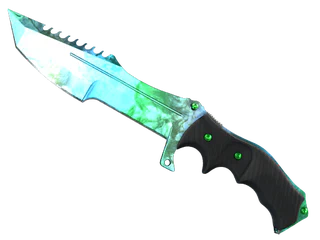
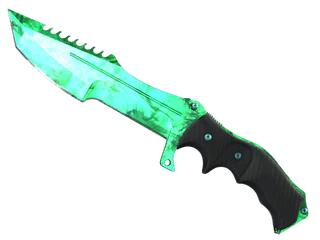
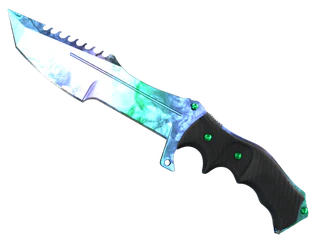
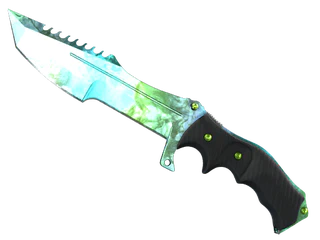
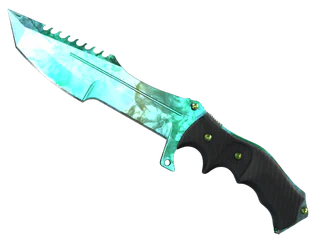
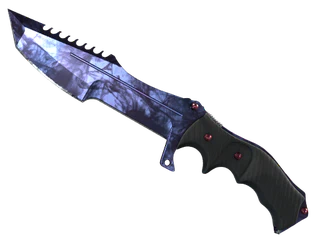
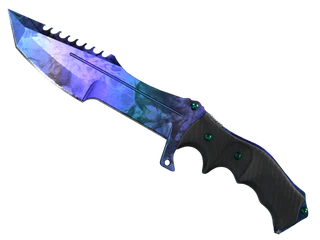
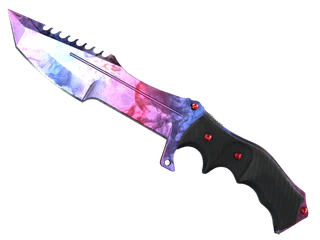
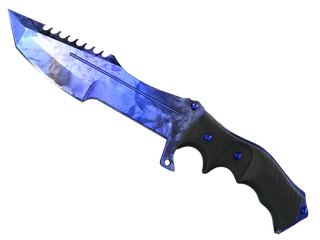
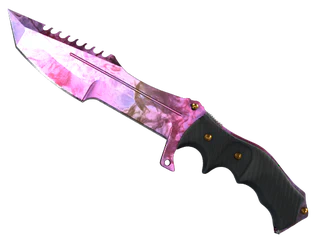
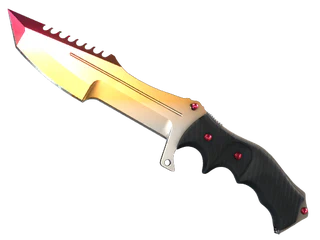
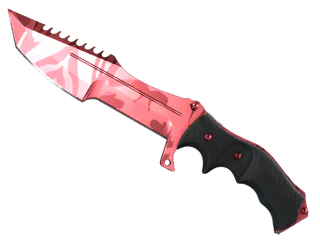
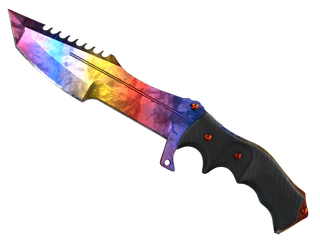
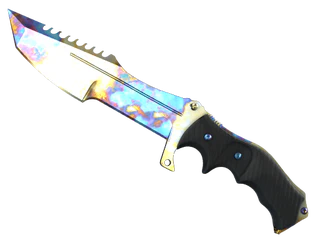
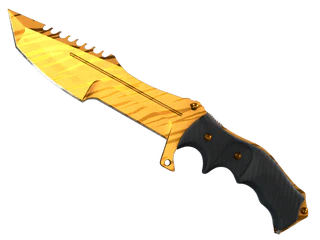
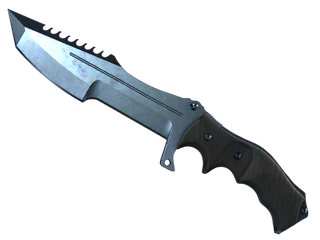
A mid-tier covert that trades like a mainstream utility blade: demand is steady but buyers are picky, and the effective floor is soft. Clean copies do most of the work in market moves, while the capped float profile keeps the cheap end tighter than you might expect.
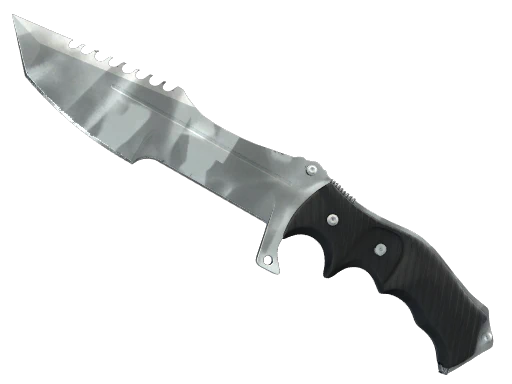
A mid-tier covert that trades like a mainstream utility blade: demand is steady but buyers are picky, and the effective floor is soft. Clean copies do most of the work in market moves, while the capped float profile keeps the cheap end tighter than you might expect.
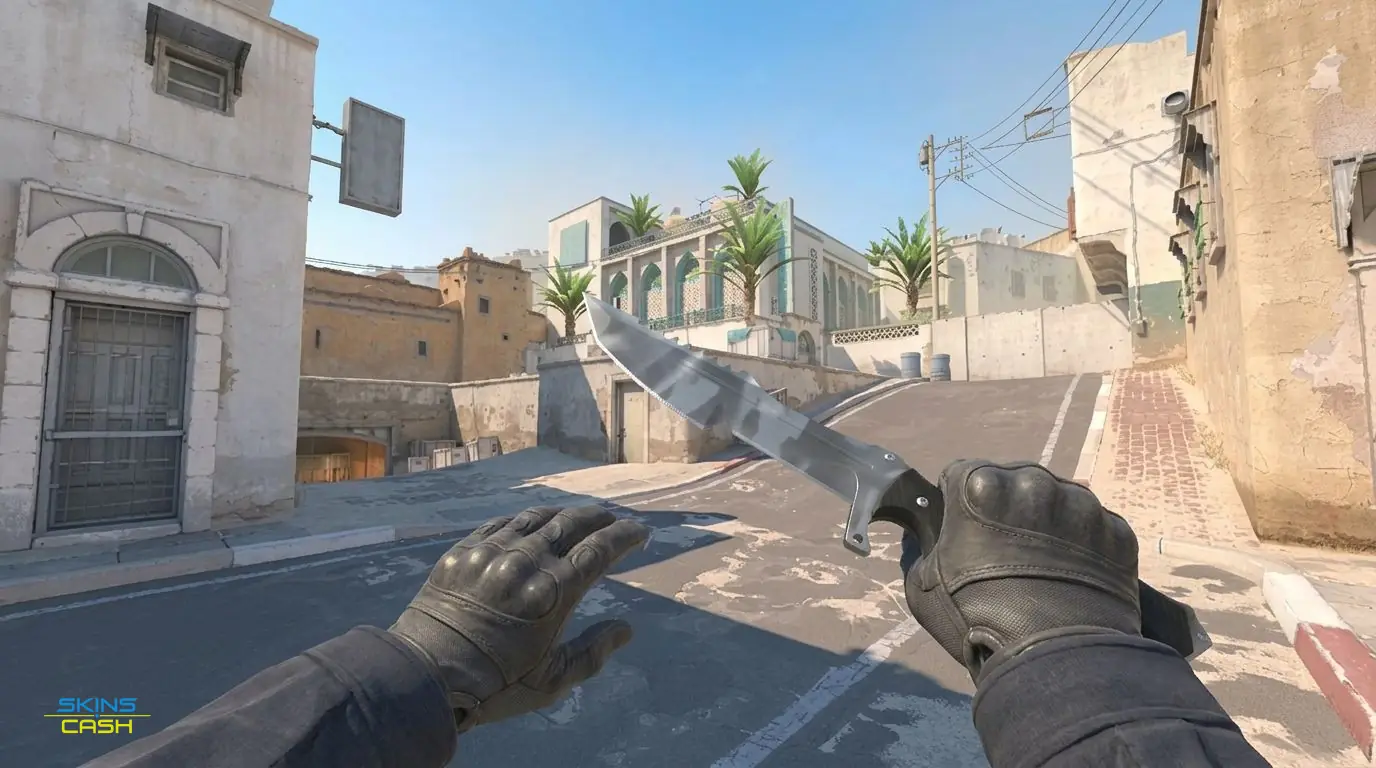
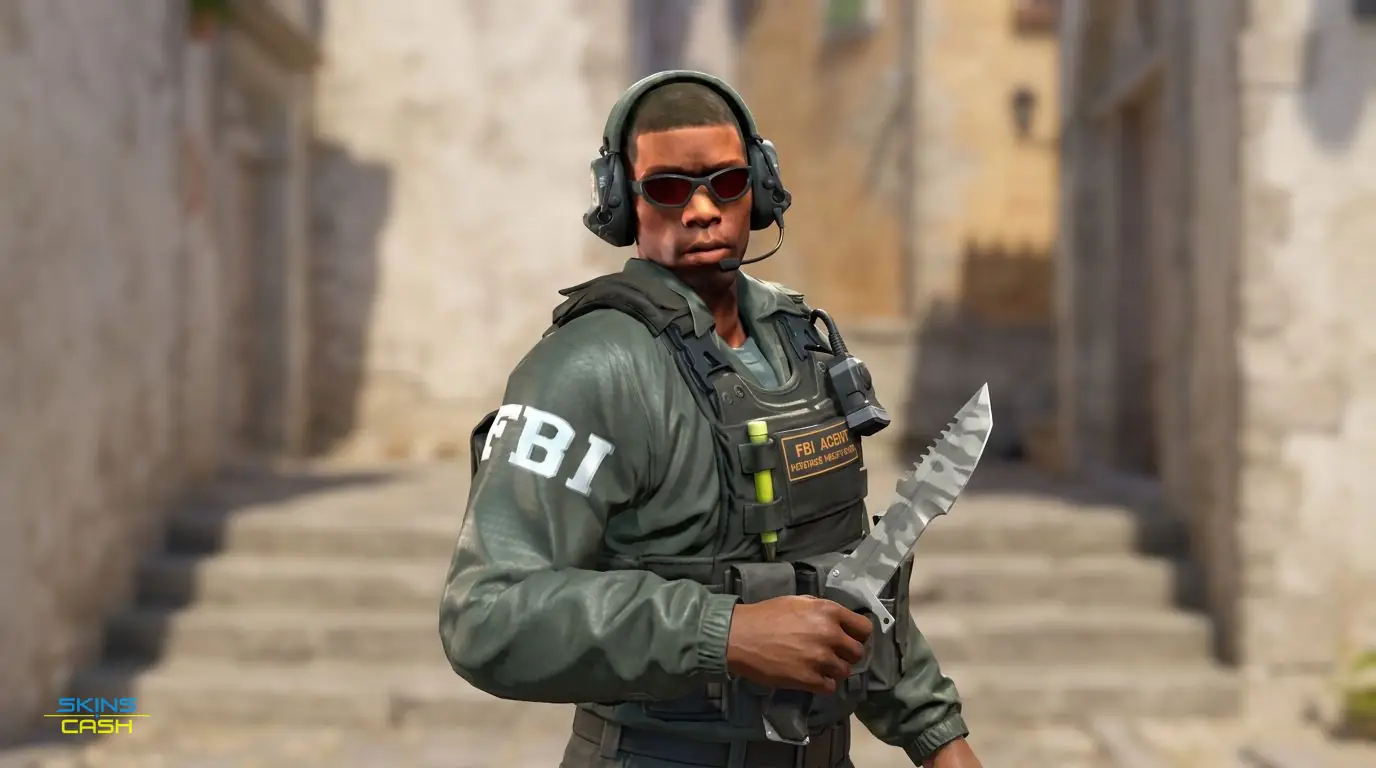
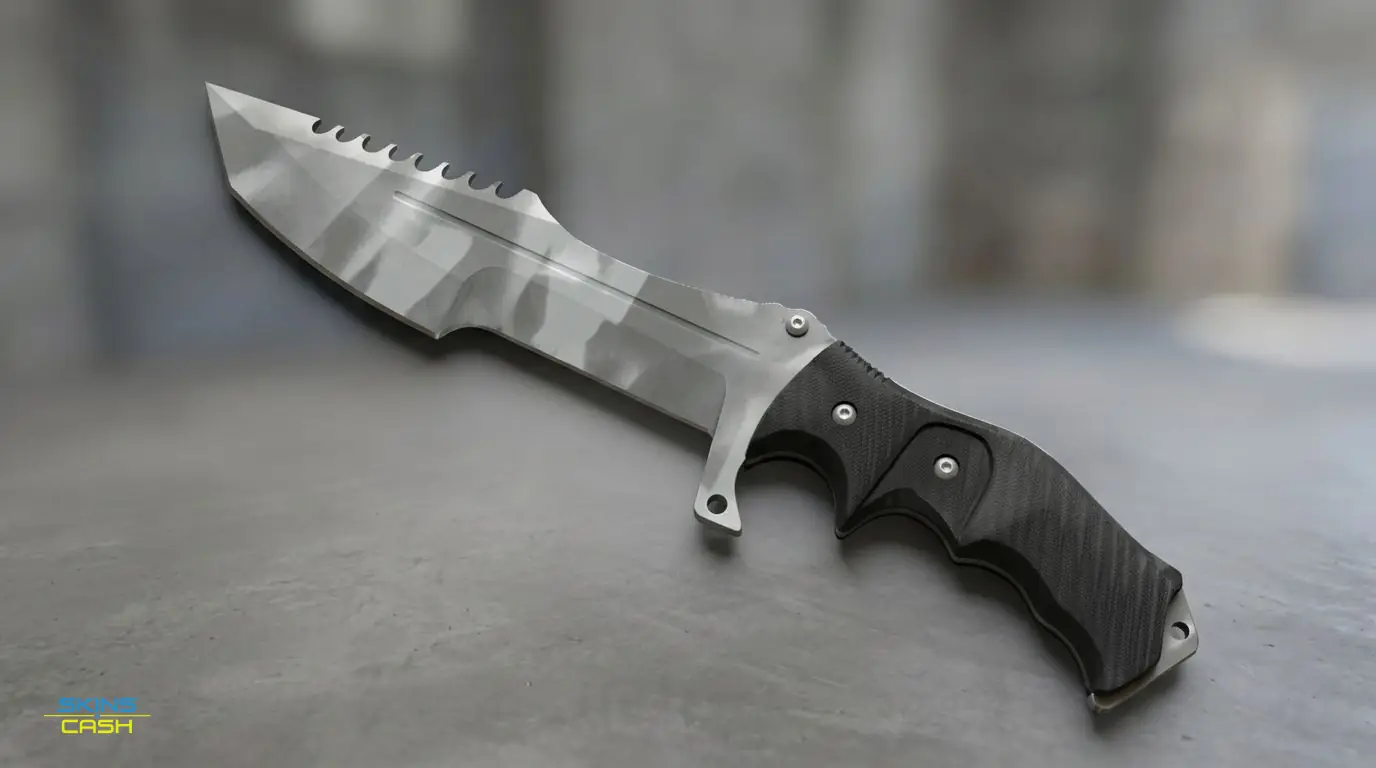
This is a mid bracket huntsman knife with a mainstream audience and a weak floor, which means listings clear but rarely spike. Sellers should expect routine interest from collectors and players rather than lightning-fast speculative flips; patience wins if you want to push toward the top of the band.
The payout curve leans toward a steep drop from the clean end, with value concentrated where the cleanest copies live and a quick falloff after that. Expect a tight high end and a much softer tail, not a gentle slide across wears.
Listing sticker prices often sit above what a quick cashout will net because fees, demand friction, and the weak floor compress actual buyer offers. Factor in that the spread widens when sellers chase cleaner floats; a measured ask generally closes faster than fishing for the absolute top.
Mid‑clean wears give the most skin for money here; they read like the knife and avoid the steep premium attached to the absolute clean end. For clearing inventory, aim to sell in that middle band where buyers find the most visual return per dollar.
Because the finish is capped, the bottom of the ladder never reaches the usual grime, so low‑end copies look mechanically cleaner than other knives' worst variants. That compression flattens the very bottom and concentrates attention higher up the ladder.
There is no pattern index noise to split prices here: the spray‑paint finish and gray palette mean float is the mover and nothing else. Price checks should ignore seed chatter and focus on wear and condition alone.
StatTrak copies exist and follow their own demand curve; the ST line lifts interest but does not change the ladder shape. StatTrak sellers see a separate buyer set and should price with that discrete curve in mind rather than trying to peg it to non‑ST comps.
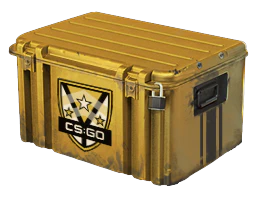
It comes from the Huntsman Weapon Case, which supplies a steady stream of copies rather than a tight surgical release. That origin keeps supply steady enough that rarity behaves predictably rather than volatile.
The gray spray‑paint finish reads clean in most lighting and plays safe on servers where contrast matters. Valve's designer choices favor utility over flash, so the knife fits into player inventories without demanding a matching loadout.
The short window shows a hard downward drift, with momentum favoring lower asks and fewer aggressive buys. Sellers should price to the market rather than target an early reversal.
Traders often ignore the capped float and price like this can hit filthy low wears, or they list clean copies at the same spread as mid wears. Always label float clearly, separate StatTrak from non‑ST, and check the live spread before setting a final ask.
Among players this knife is respected for practical looks rather than hype; it attracts steady, deliberate buyers. That sentiment means demand is reliable but not elastic-listings move when priced to its lane, and do not often surge on sentiment alone.