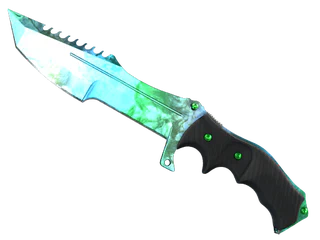
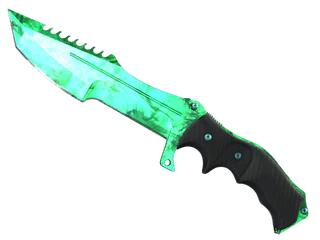
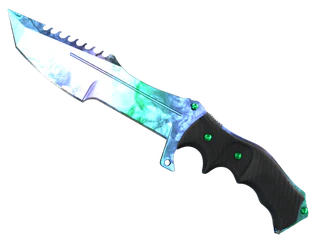
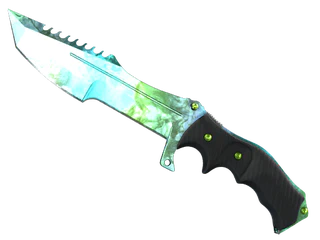
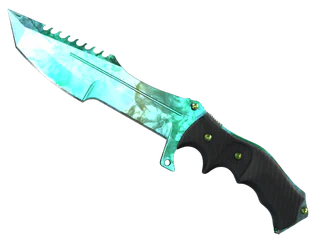
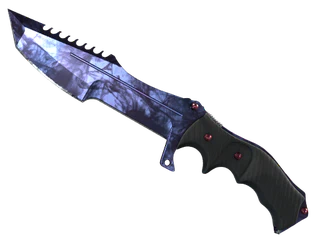
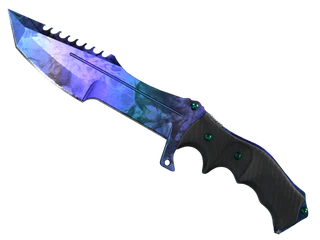
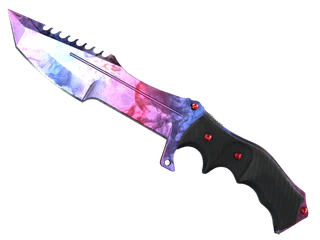
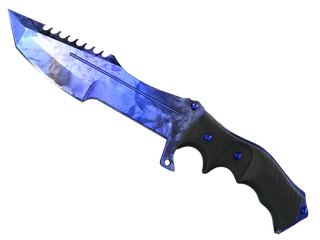
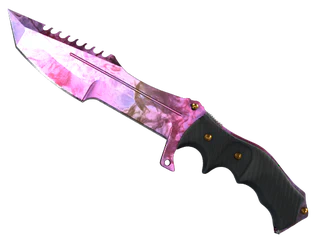
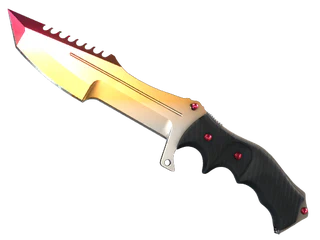
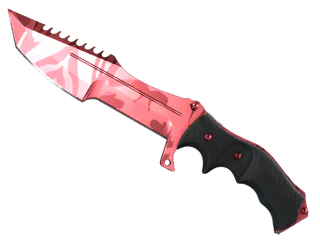
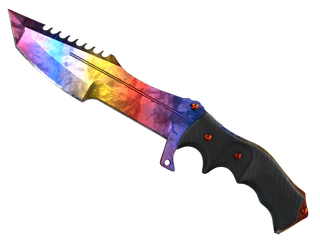
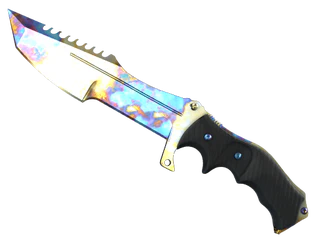
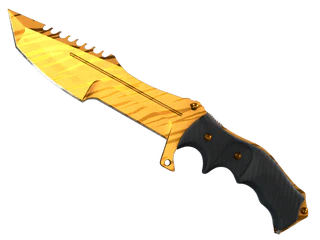
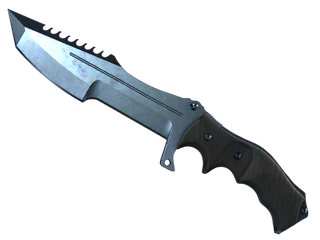
Mid-tier demand with a soft market: the Huntsman Knife | Rust Coat trades in the middle of the market and moves slowly when sentiment slips. Clean copies matter, but the ladder is unusual because the finish is capped and the low wears cluster tightly, so sellers need to pick their floats carefully before listing.
Mid-tier demand with a soft market: the Huntsman Knife | Rust Coat trades in the middle of the market and moves slowly when sentiment slips. Clean copies matter, but the ladder is unusual because the finish is capped and the low wears cluster tightly, so sellers need to pick their floats carefully before listing.
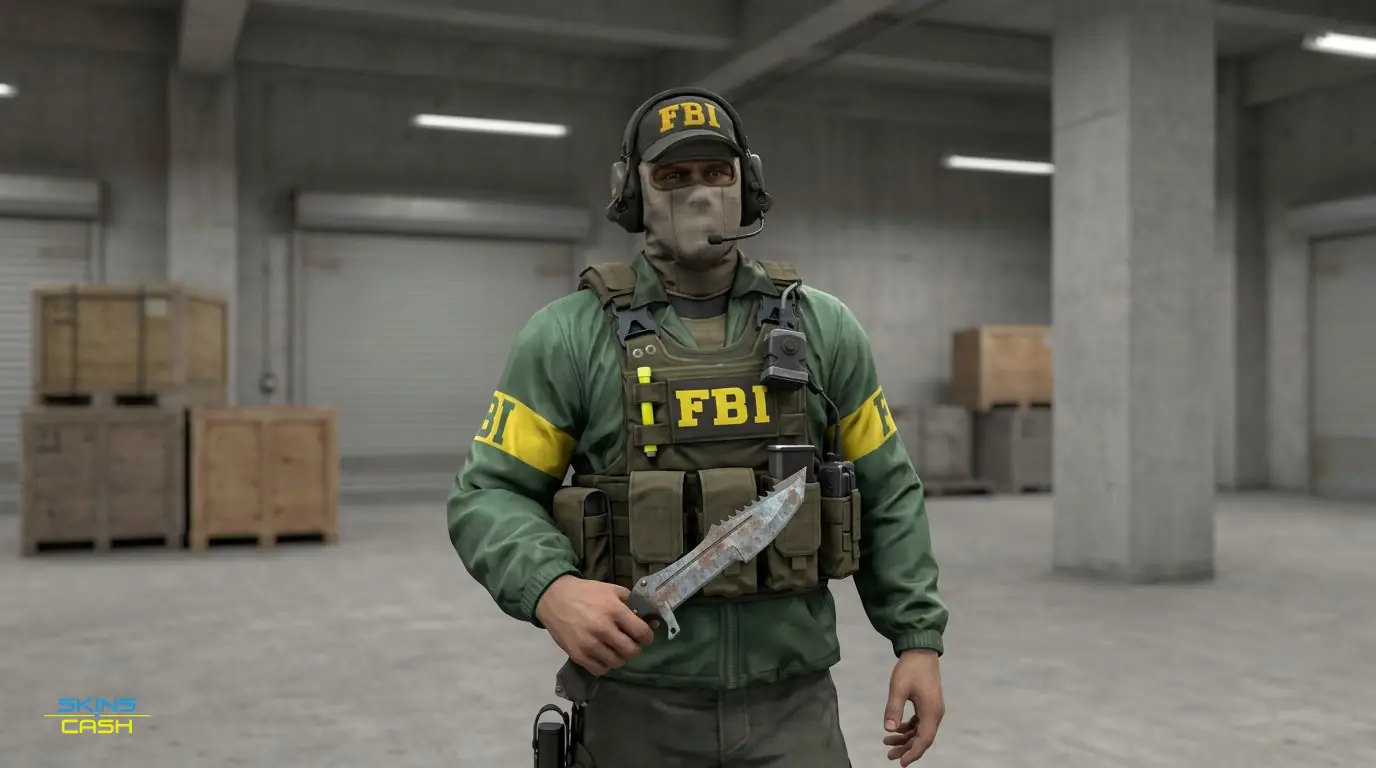
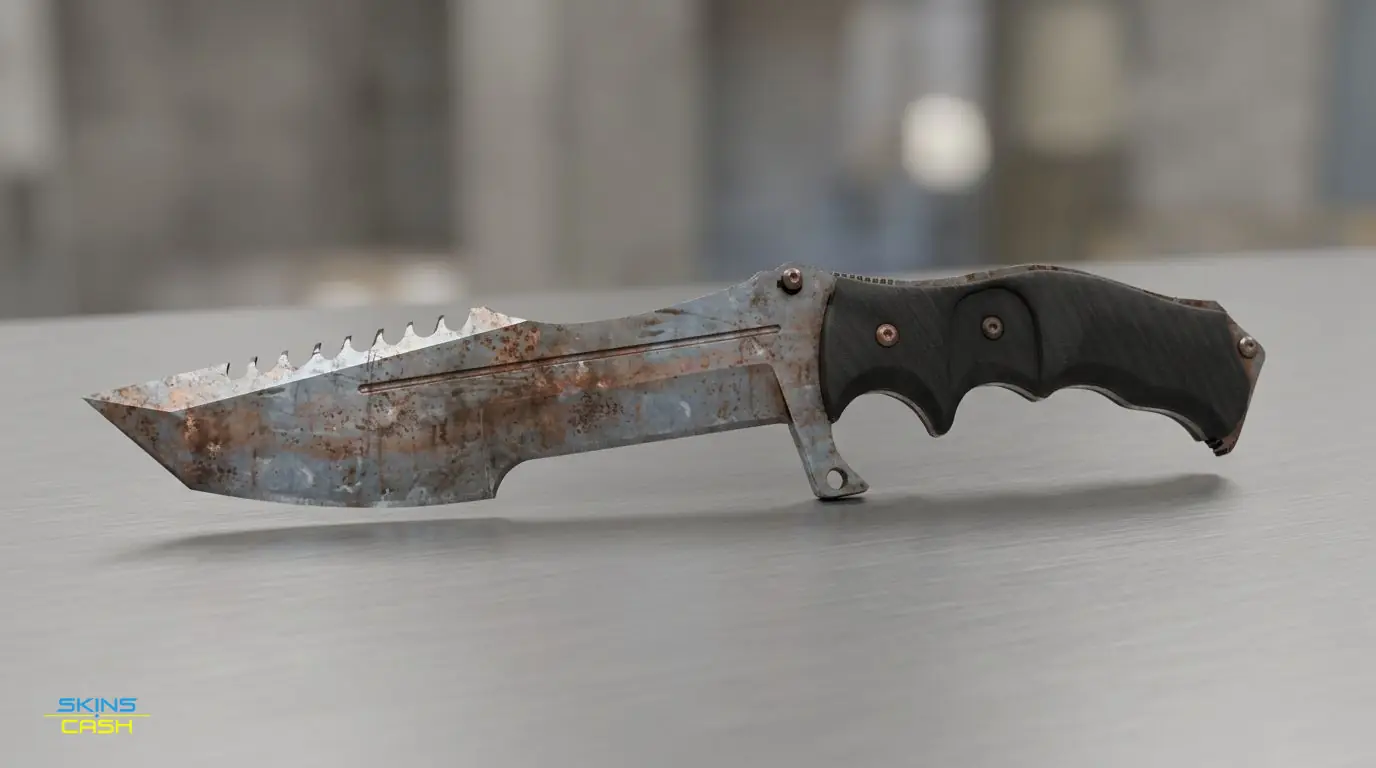
The Huntsman Knife | Rust Coat sits squarely in a mid bracket for value and interest; it is not grail money, nor a budget filler. That positioning means turnover is deliberate: listings hang until a buyer who wants the patina finish shows up, so sellers should expect patient buyers rather than impulse purchases.
The payout curve leans into a clear falloff toward cleaner floats with a steeper slope near the top end and a gentler run across the lower end. Because the float range is capped, the ladder does not stretch into extreme worn territory; instead the curve compresses where the finish stops getting rougher.
For skin-for-money the mid-to-lower cleans offer the most utility; you get the patina look without paying the premium for near-perfect surfaces. Above a certain clean range the market pays noticeably more, so a seller should weigh whether that premium is worth chasing or if a mid clean will clear faster.
Worn and battle-scarred copies sit close together in payout, so tiny float differences down low rarely move a sale. If you are holding a clearly worn copy, treat it as fungible with other low-end pieces rather than trying to micromanage price by float.
This patina finish never reaches the roughest possible appearance, so the "worst" copies are cleaner than many other knives. That cap changes expectations: the bottom of the ladder behaves like a tame worn band rather than an extreme floor, and rare ultra-rough premiums do not exist here.
Rarity underpins the baseline value even when wear is high; being Covert keeps the low end supported compared with more common knives. That rarity cushion matters for sellers who need a reliable fallback price for worn examples.
StatTrak versions trade on a parallel demand track and carry their own buyer pool driven by the counter feature rather than extra cosmetics. StatTrak copies command a consistent uplift in attention; they list and trade differently, and sellers should separate ST inventory when pricing.
This Huntsman drops from the Spectrum Case, so supply is tied to that container lifecycle and its player rotation. Put simply: availability is case-dependent, and new drops or changes to the case can shift supply into the market quickly or slowly.
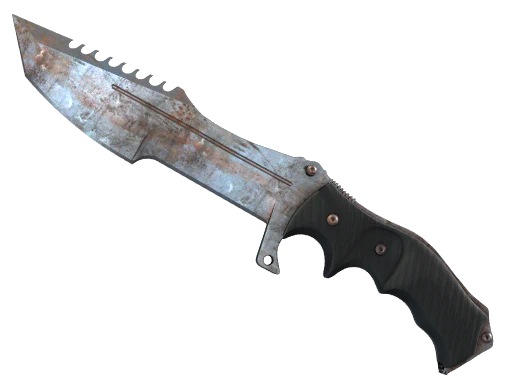
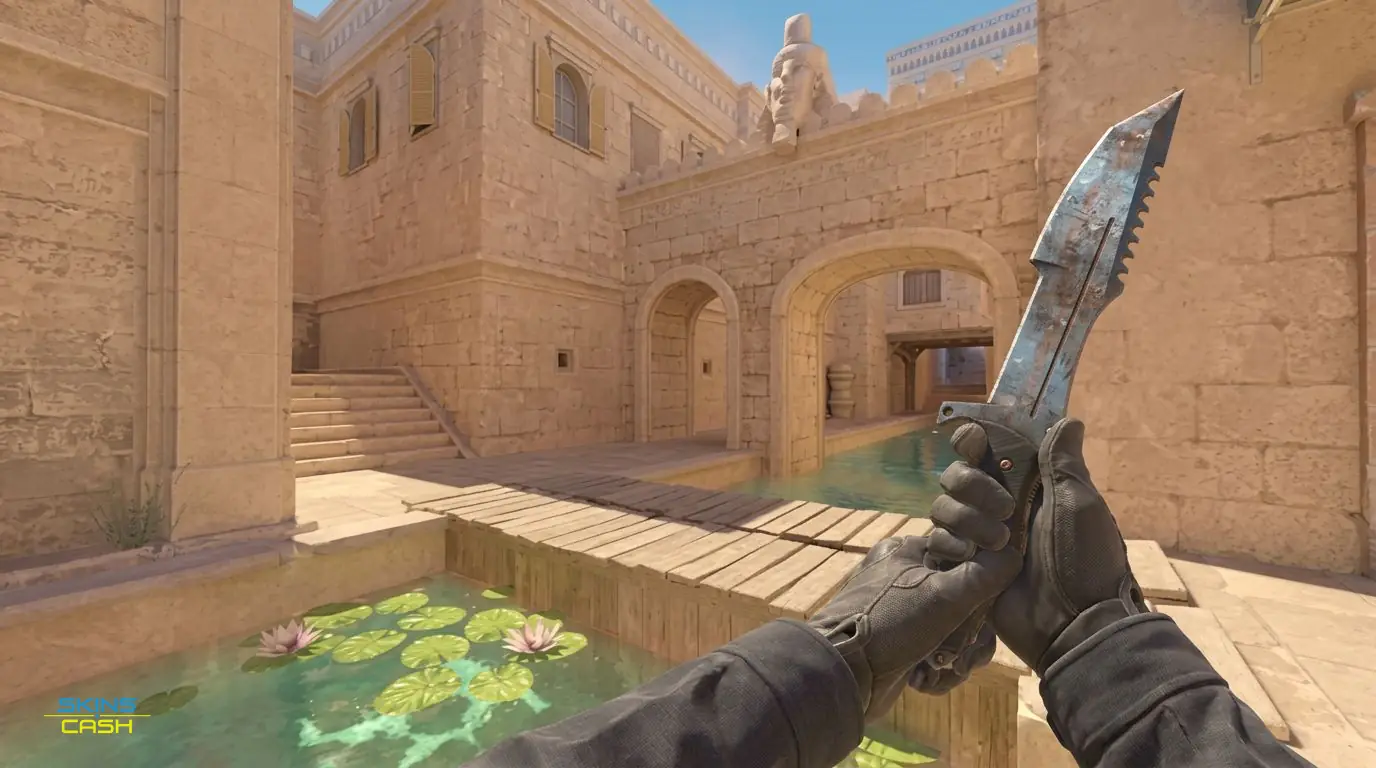
The palette reads gray and industrial, and the patina finish layers a dull, worn-metal character that masks sharp edge wear. In game the subdued tones make the knife readable at a distance while giving it that lived-in texture collectors and players appreciate.
Short term, the price trend has been drifting downward softly, reflecting weaker demand across the mid tier. Sellers should expect a patient market rather than quick lifts right now.
Traders often misprice by treating every clean float the same or by ignoring the capped float profile; they also lump StatTrak and non-StatTrak listings together. Check variant and float range first, then set a mid-tier mindset for listing velocity.
Players like f0rest and pashaBiceps have been associated with this knife, which keeps a thread of relevance in viewership and highlight clips. That pro attachment nudges occasional spikes in interest when those players appear on streams or in tournaments.