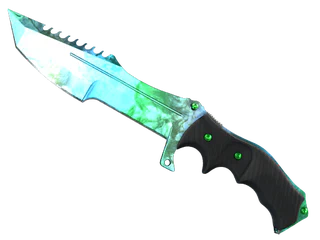
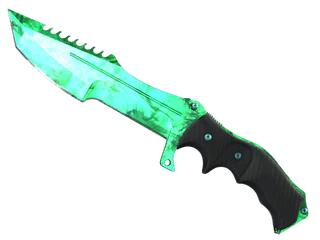
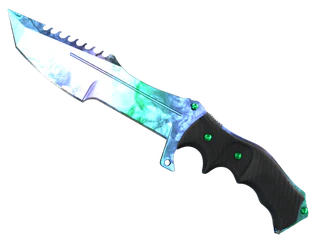
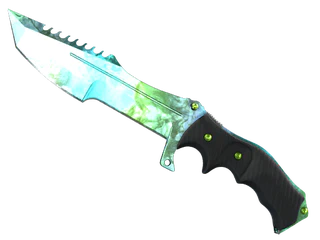
A mid-tier covert knife that trades like a mainstream playknife: steady interest but not frantic turnover. Demand concentrates toward the cleaner finishes and StatTrak copies pull a different buyer set, so watch float and variant before you list.
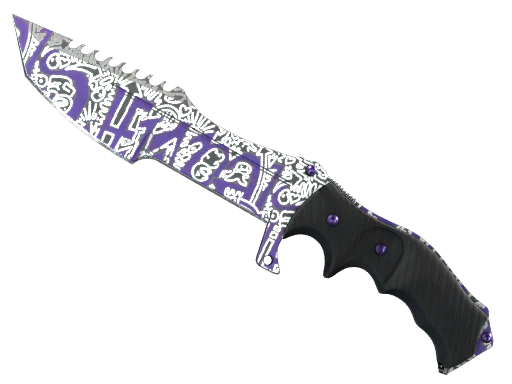
A mid-tier covert knife that trades like a mainstream playknife: steady interest but not frantic turnover. Demand concentrates toward the cleaner finishes and StatTrak copies pull a different buyer set, so watch float and variant before you list.
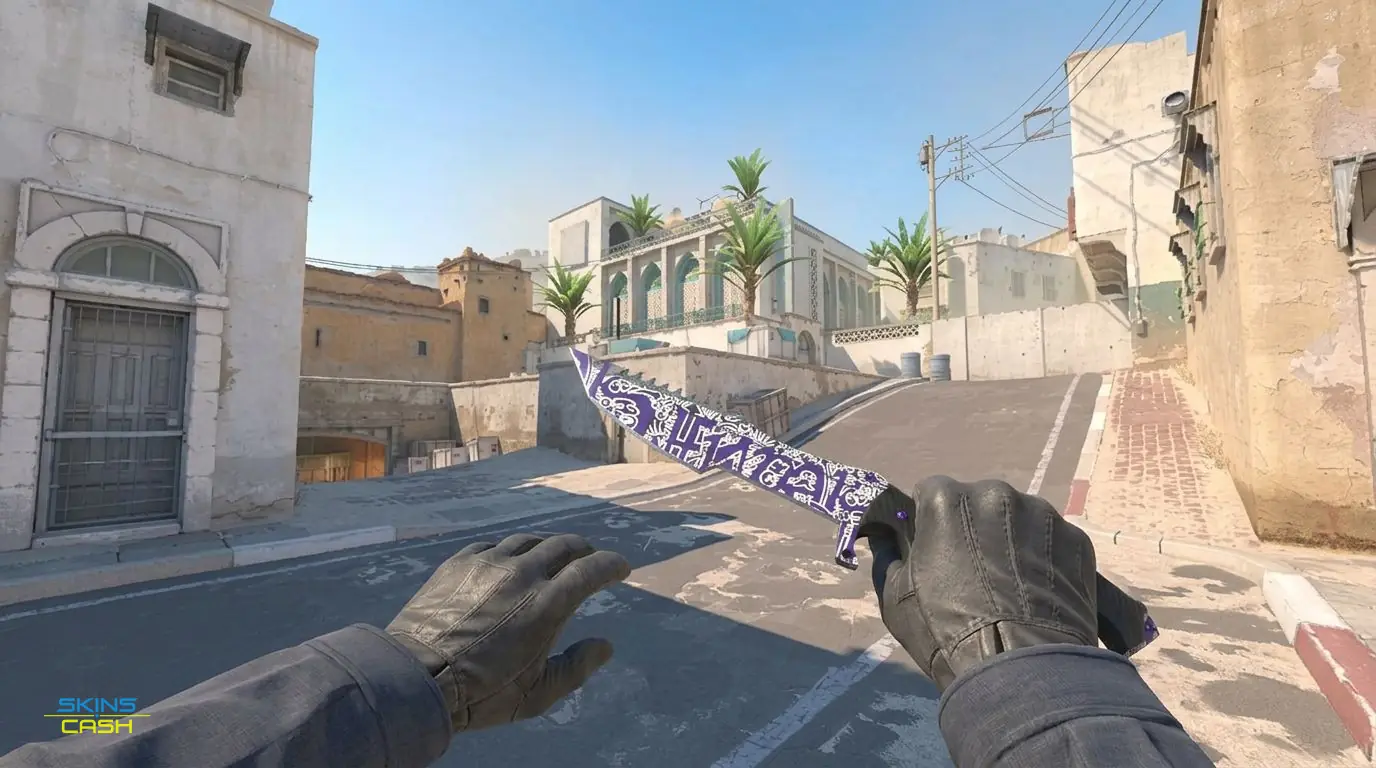
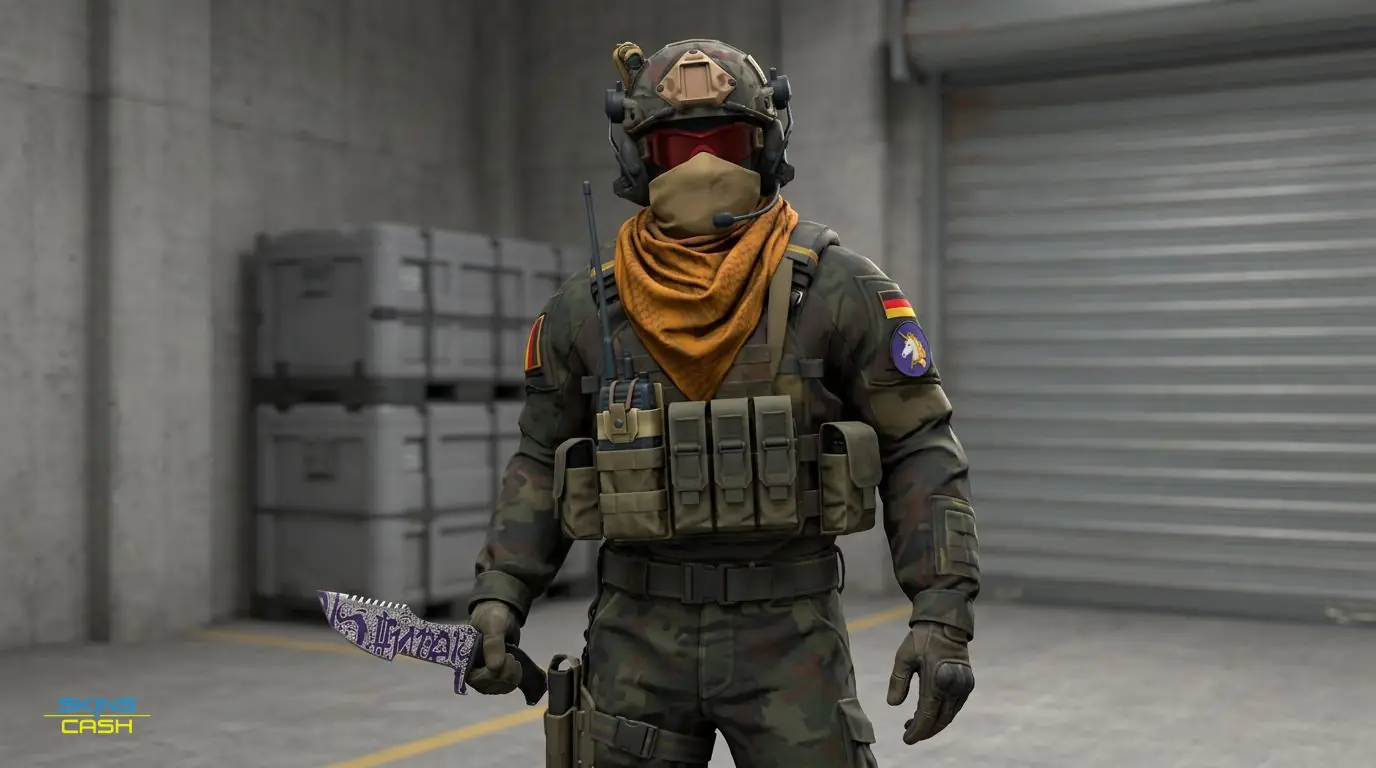
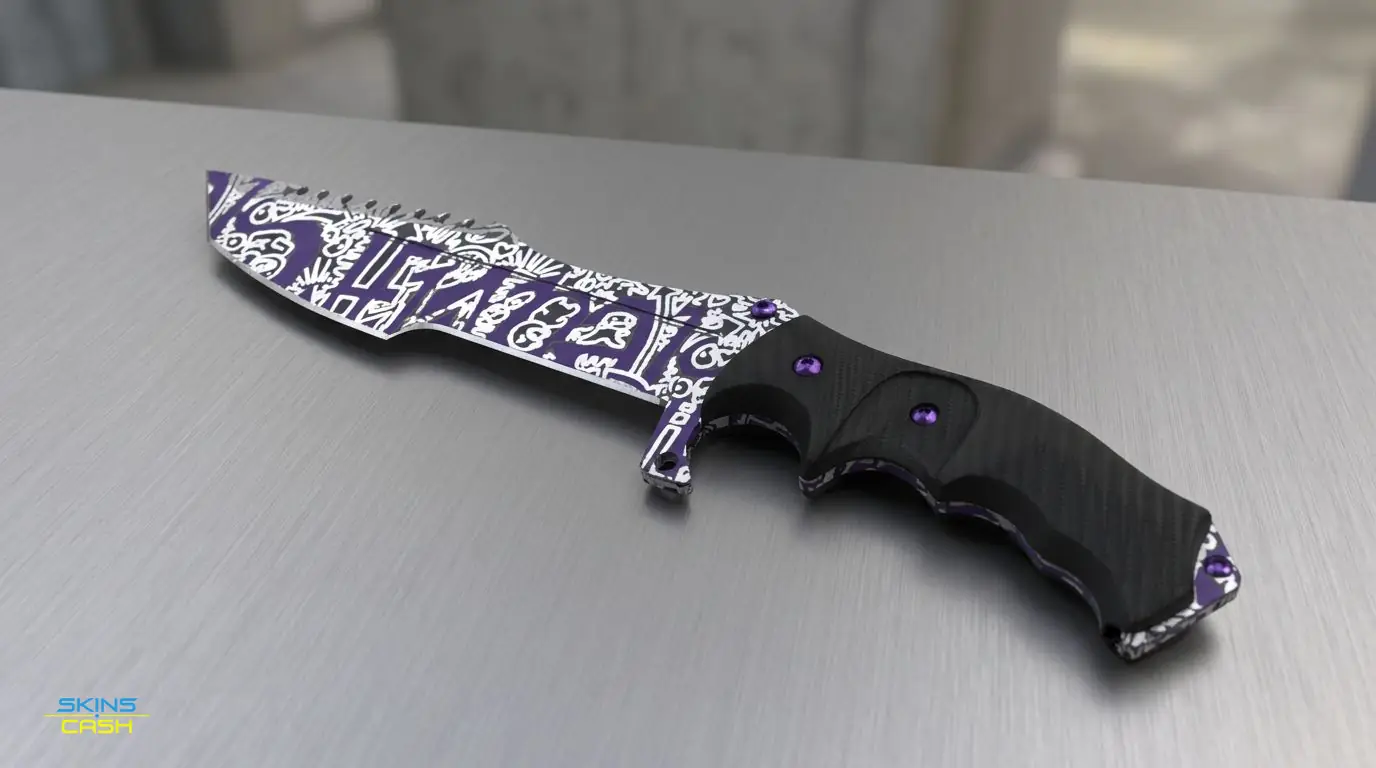
This sits squarely in the mid bracket for knives, a covert that behaves like a mainstream collectable rather than a grail. Buyers are selective: they know the designer and the anodized multicolored finish, and they will pay for cleaner presentation and the right variant, but liquidity is not postcard-quick.
The ladder is capped and tilted toward the clean end with a clear decline as you move out of the best wears; it is not a flat band. Expect the curve to steepen around the upper-tier finishes and then settle into a long, softer tail across the rest of the ladder.
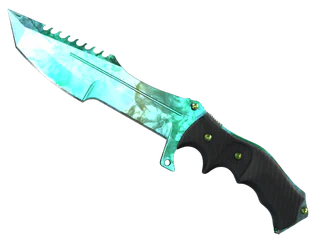
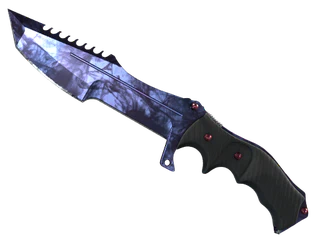
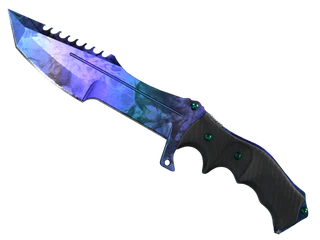
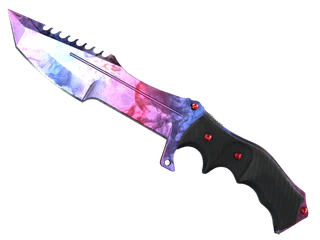
Mid-clean wears are where you get the most skin-for-money: they still show the purple tones and anodized flash without the top-wear premium. Past that point, chasing the very clean end costs more than the visual step-up justifies for most buyers.
Worn copies cluster tightly on payout, so a low-wear worn Huntsman Knife | Freehand rarely needs a huge markdown to move. If you hold a worn pattern, list it competitively and focus on execution rather than expecting float to rescue the price.
Because the finish does not span the full float spectrum the worst copies are cleaner than typical worst-case knives, which squeezes the bottom of the ladder. That cap raises the baseline appearance and narrows how much additional wear can erode value at the low end.
StatTrak exists and draws its own collectors; its curve sometimes inverts versus regular copies, producing pockets where ST can trade softer in the short term. For sellers that means you treat ST as a separate instrument and price against recent ST trades, not just classic listings.
There is no pattern noise here to chase or avoid; the anodized multicolored finish and purple palette mean float and variant drive price, not pattern index. That removes a layer of uncertainty when you pick a listing level.
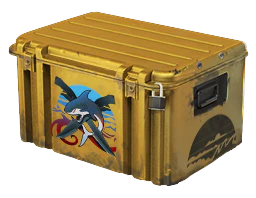
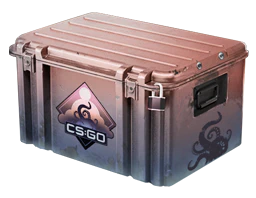
This knife comes from the Operation Riptide Case, which keeps supply steady but not flooded. Originate your price expectations around that container exposure: it explains why there are regular refreshes without rare supply shocks.
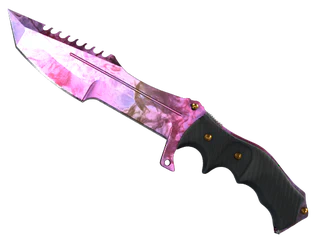
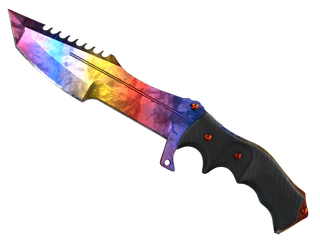
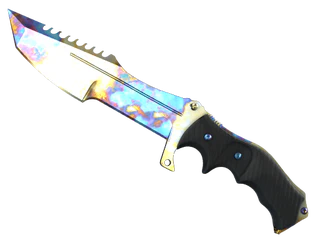
Purple dominates the read, with the Valve-designed anodized multicolored finish catching light at angles and preserving contrast on the blade edge. It plays well in close engagements where the flash of color is visible without masking the tactical look of the huntsman blade.
The all-time band has been wide, with swings between patient buyers and aggressive exits creating long tails. Current trading sits somewhere inside that band rather than at either extreme, so moves tend to be directional rather than explosive.
Mistakes come from lumping StatTrak and non-StatTrak trades together and from ignoring the capped float profile; both skew expectations. Also watch the live spread before listing - price by recent fills at the right wear, not by headline asking noise.
Players respect the Freehand aesthetic and Valve's finish, and the community treats it as a tasteful option rather than a flex knife. That steady sentiment supports demand but keeps volatility muted compared with headline grails.