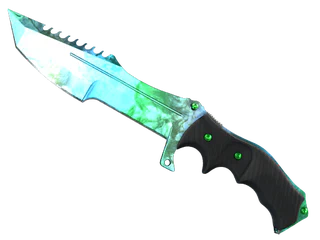
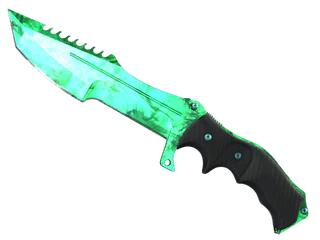
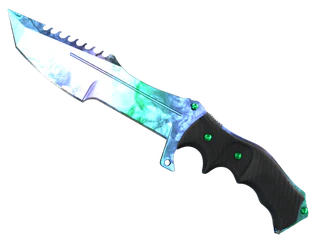
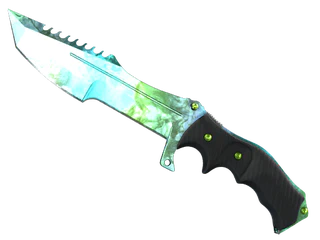
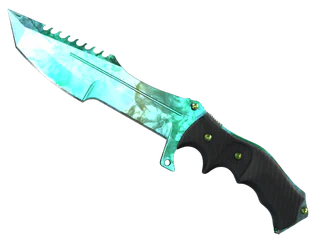
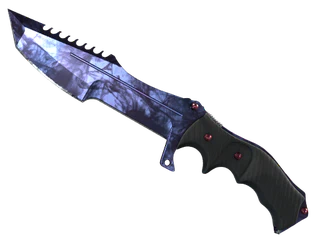
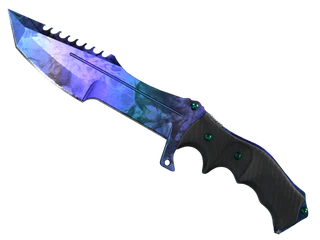
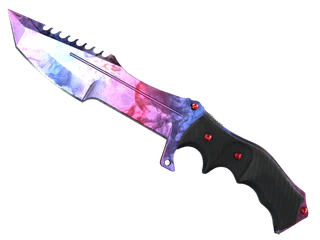
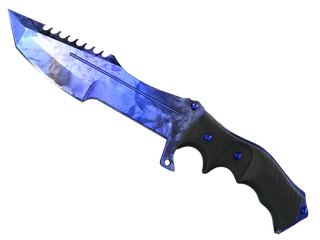
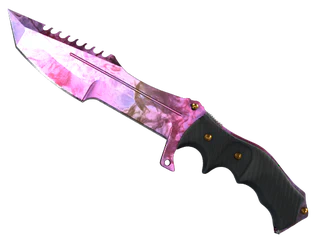
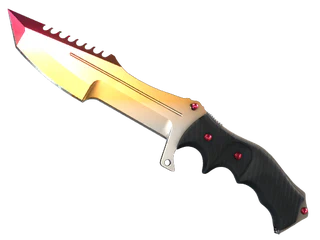
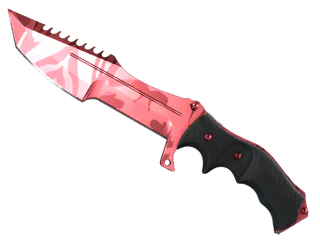
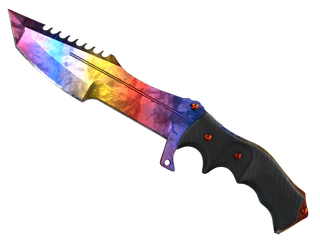
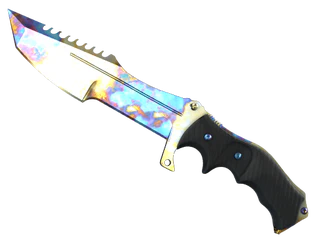
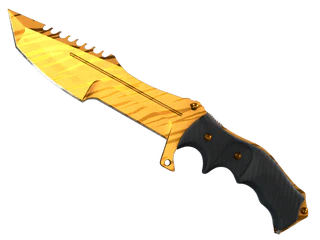
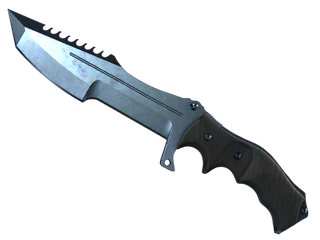
Mid-tier demand and a soft floor make this Huntsman Knife | Forest DDPAT one you trade, not bank. Liquidity is mainstream and the market has been moving down hard, so sellers who time the spread tend to beat listing stigma. Watch float caps and the StatTrak inversion before you click sell.
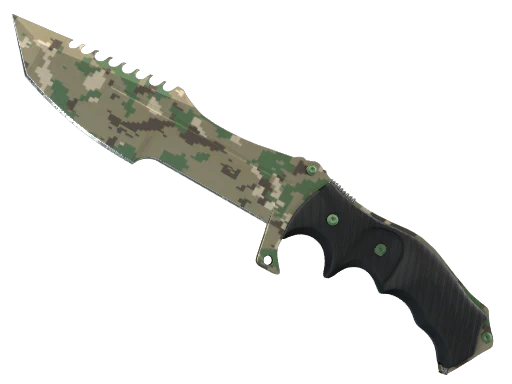
Mid-tier demand and a soft floor make this Huntsman Knife | Forest DDPAT one you trade, not bank. Liquidity is mainstream and the market has been moving down hard, so sellers who time the spread tend to beat listing stigma. Watch float caps and the StatTrak inversion before you click sell.
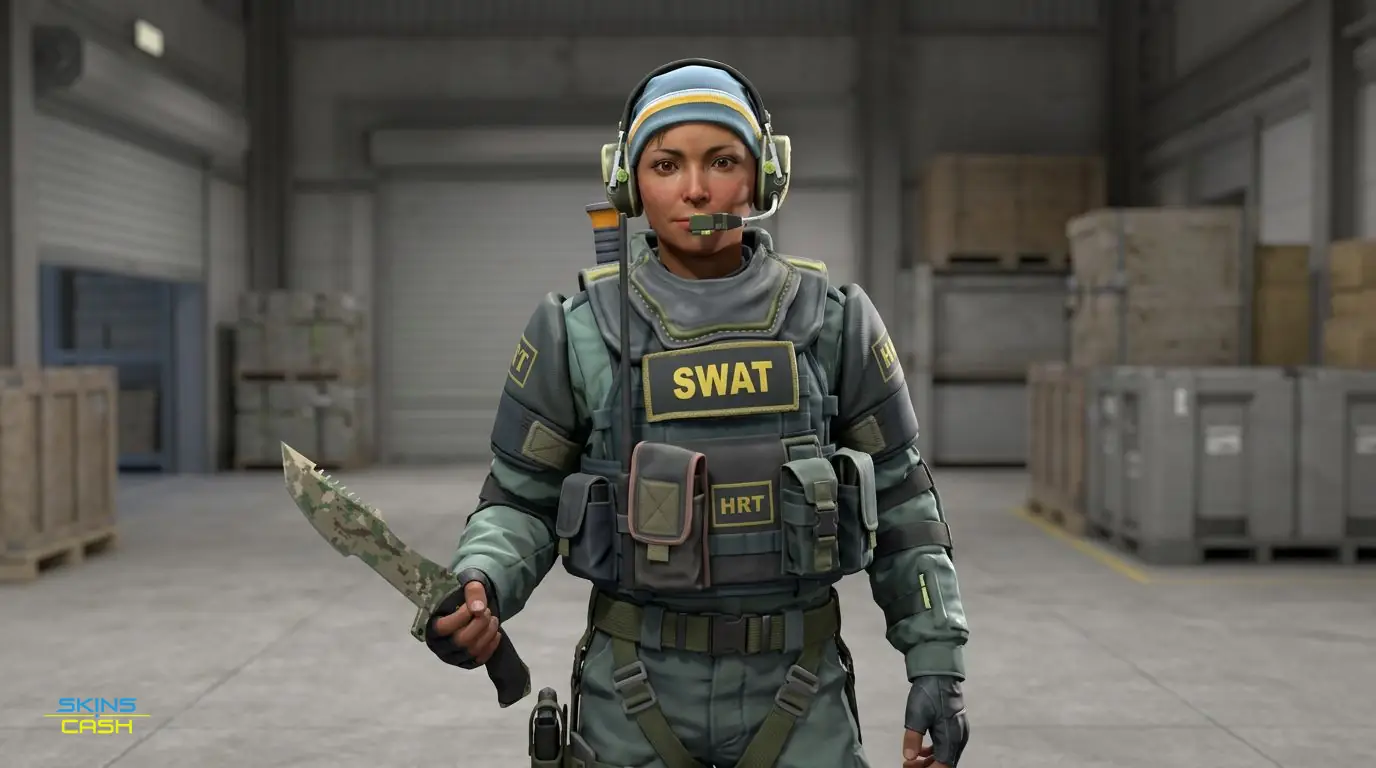
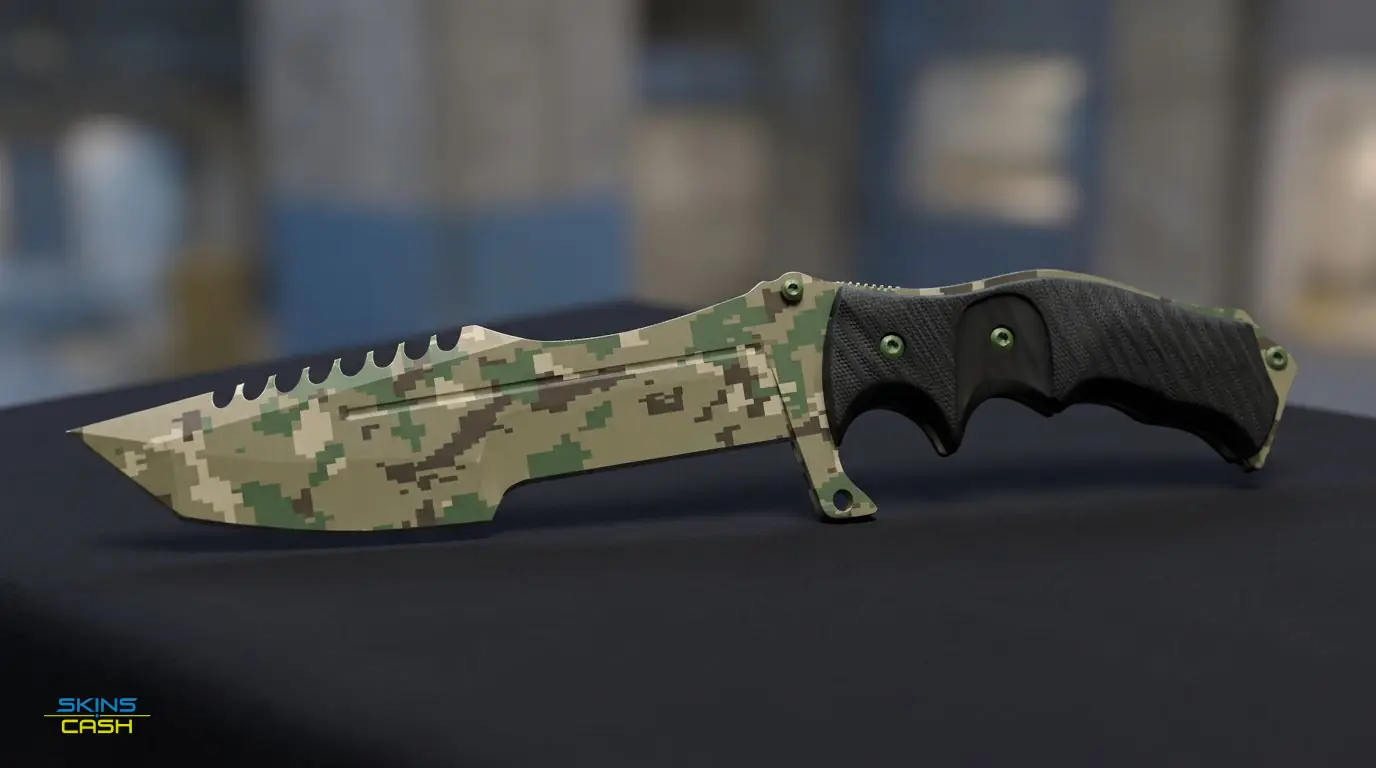
This is a mid bracket covert that sits squarely in the market where most serious players shop but casual buyers hesitate. It behaves like a tradeable piece rather than a grail: accessible on the ask side, visible in listings, and sensitive to short-term moves, which means sellers need active timing instead of a long hold-and-pray approach.
The ladder reads stepped rather than smooth; value compresses into distinct bands across wear instead of sliding evenly from dirty to clean. Because Factory New carries no extra premium, the top of the ladder does not spike, and you see clear breaks where buyers re-rate each bucket of wear.
Expect a practical gap between what appears on a listing and what you actually net; market makers and quick buyers sit back from asks when the floor is weak. That spread widens when the chain is down hard and narrows when a few alert buyers re-enter, so your cashout is always ask minus market friction.
The best skin-for-money sits in the middle-to-clean band where wear still reads sharp without crossing into the most collectors-only tier. Past that point the payout curve gives diminishing returns, so flipping the mid-clean copy usually wins more than chasing the top-of-ladder increment.
Forest DDPAT runs on a capped float profile, so the roughest copies still look cleaner than many other hydros and you lose the ultra-grimy bottom that usually attracts bargain hunters. That floor lift changes how the worst wear behaves: it trades like a mid wear rather than a chipped bargain, tightening the lower market.
StatTrak copies follow a parallel curve but carry their own buyer set, often more patient and fewer in number. For sellers that means ST moves on a separate beat: less frequent bids, but when someone pays up they pay comfortably, so auditions sell slower but cleaner.
Here the StatTrak line shows inversion: a dinged ST can out-price a cleaner non-ST or even a cleaner ST because collectors prize counter rarity or a specific look over absolute cleanliness. Watch recent completed sales for the same wear tier; an oddball ST sale often resets nearby asks.
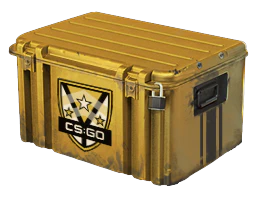
This knife hails from the Huntsman Weapon Case, which keeps supply steady in the market rather than scarce. That case origin explains why you see a constant flow of copies hitting listings instead of rare gaps that push floors higher.
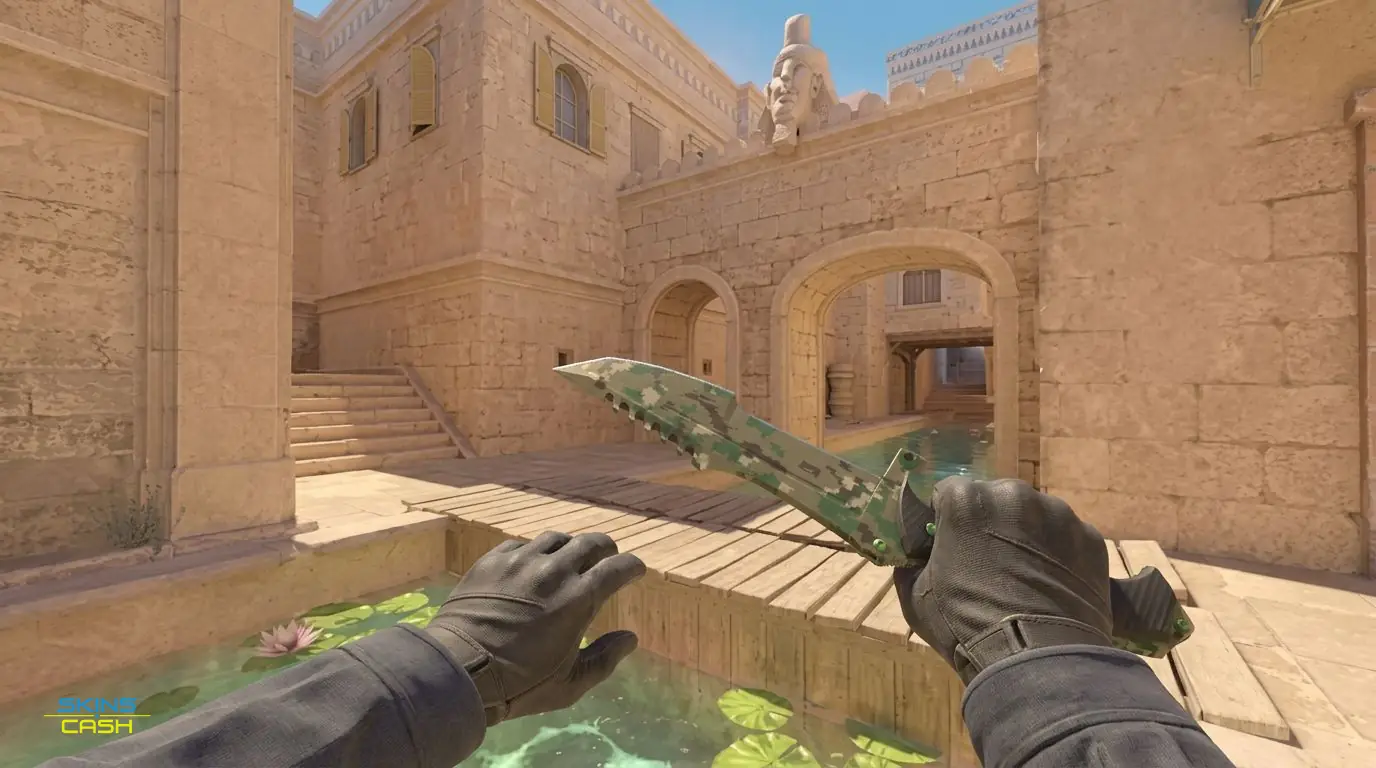
A dominant green and the hydrographic finish give the blade a muted, tactical look that reads well on most maps and under varied lighting. Valve's design keeps it functional: not flashy, but unmistakable at a distance and easy to pair with loadouts.
Activity has been moving down hard over the short window and the market has lost lift, so immediate liquidity thins and sellers face wider spreads. Momentum is not in favor of bids right now, which favors staged sells rather than one-shot exits.
Buyers should step in near the tighter asks and avoid chasing stale listings when the trend is down; patience on the order book converts better than aggressive bids. Prioritize mid-clean copies for resale because they flip faster and avoid the thin demand at the very top of the ladder.
The community treats this as a solid, sensible covert - respected but not cult-level. That mainstream sentiment translates to steady if unspectacular demand: you will find buyers, but only when price meets expectation.