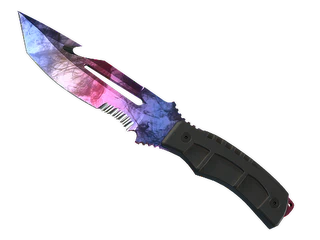
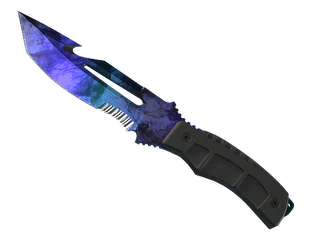
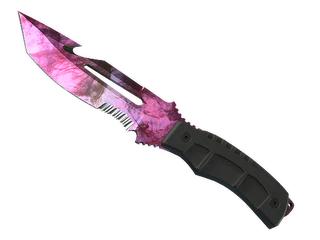
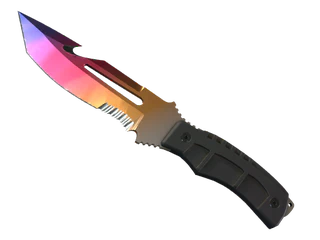
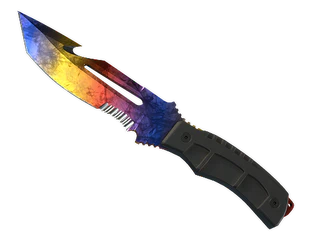
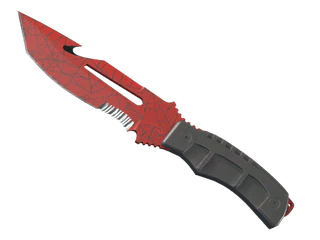
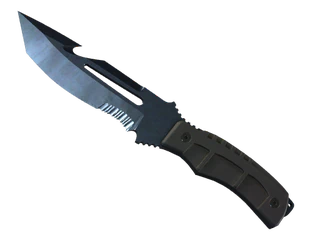
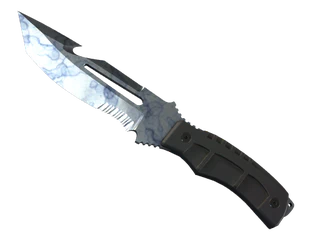
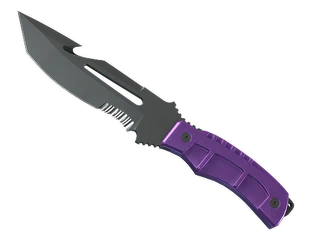
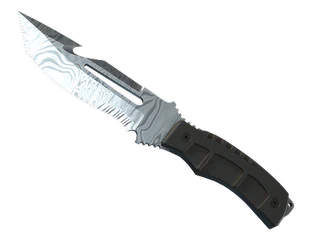
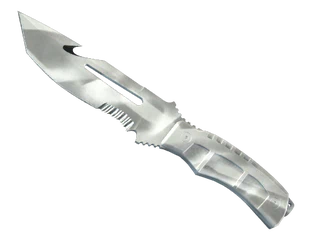
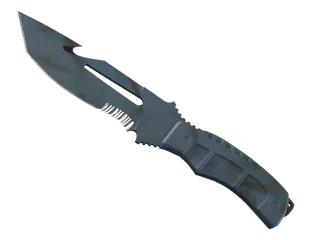
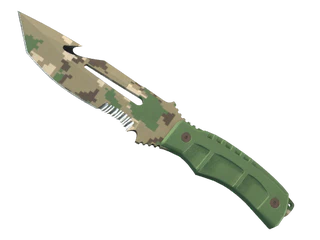
Heavy hitter in the premium bracket with a concentrated buyer pool and a robust floor thanks to its covert rarity and capped float profile. Clean-phase examples pull the most attention; worn copies still trade because the rarity and Valve finish keep buyers in the market.
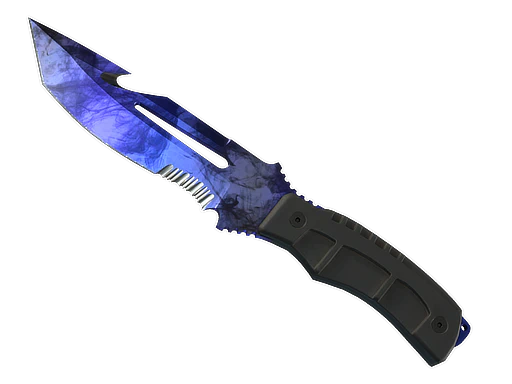
Heavy hitter in the premium bracket with a concentrated buyer pool and a robust floor thanks to its covert rarity and capped float profile. Clean-phase examples pull the most attention; worn copies still trade because the rarity and Valve finish keep buyers in the market.
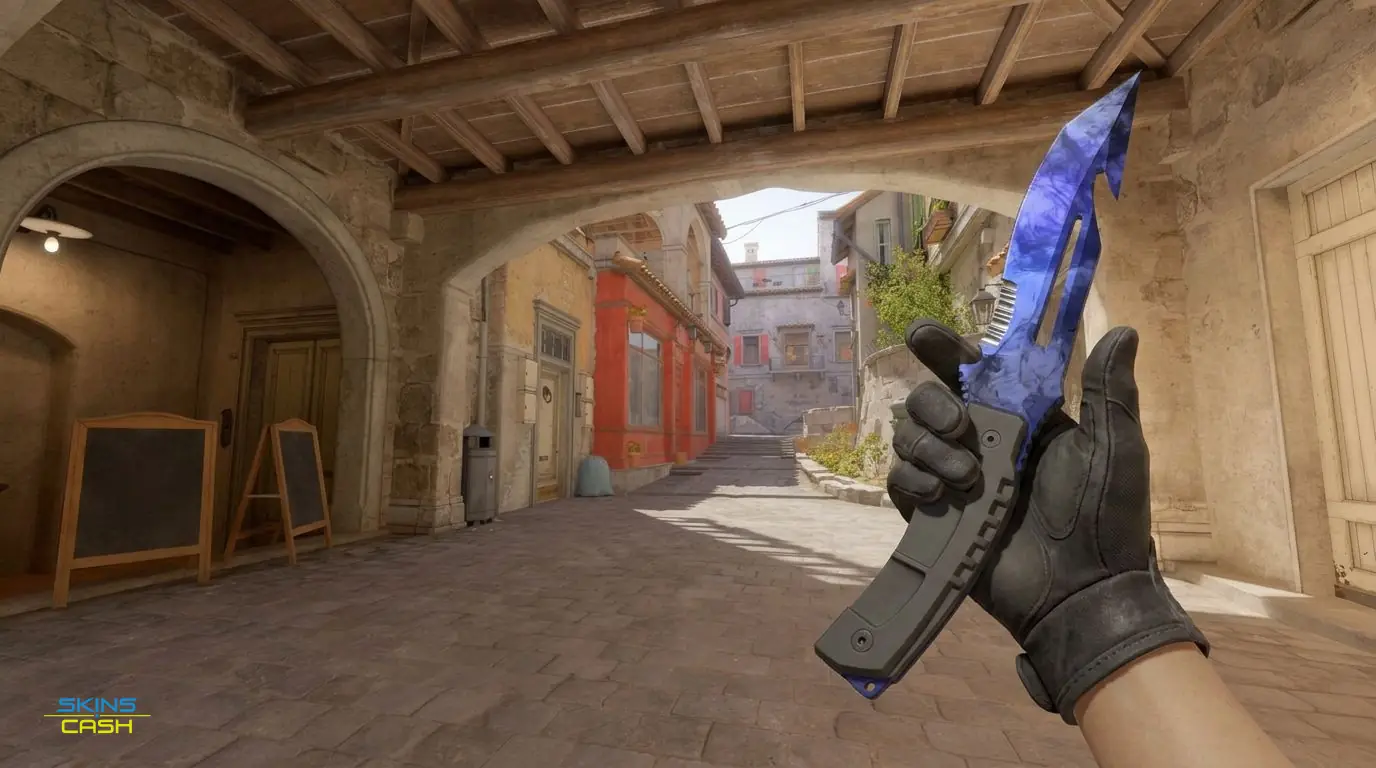

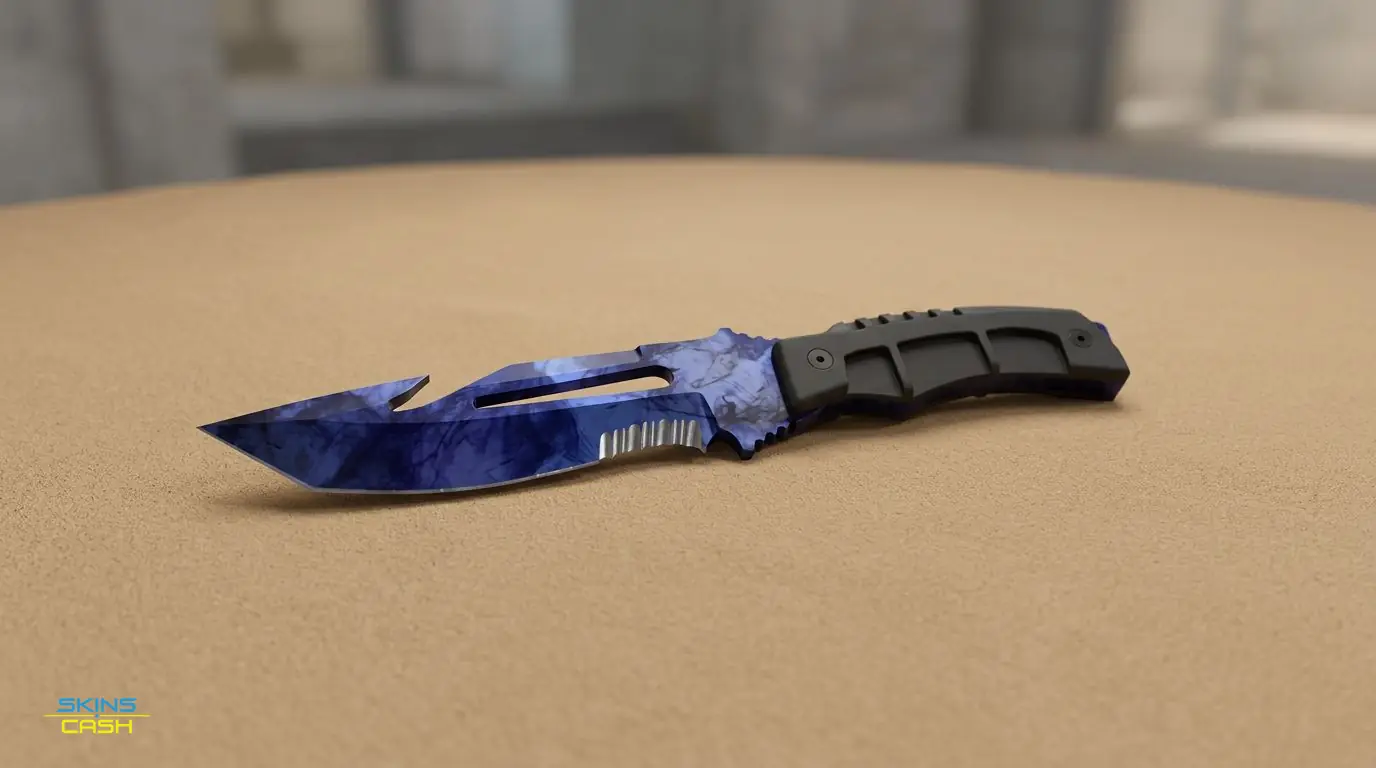
This sits firmly in the premium tier among knives, a skin traders treat as a hold, not a quick flip. Sellers can expect limited but decisive demand: there are fewer active buyers, and those who bid are chasing clean Phase variants and the Valve anodized finish.
The payout curve is front-loaded with a sharp climb at the clean end then a much gentler slope through mid and higher wears. Because the float profile is capped, the top cluster holds together tight while the drop past the clean copies is noticeable.
Down toward the worn faces the ladder compresses; those lower wears sit close together in payout. If you have a higher-wear Phase 4, it will not lose much value relative to adjacent worn copies, so flipping from that band is less painful.
Expect a visible gap between sticker and cashout because active buyers price in fees, safety, and time to sell. The premium buyers pay for clean Phase copies inflates ask listings; your net will be set by what market takers are actually willing to pay now.
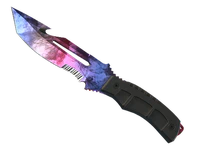
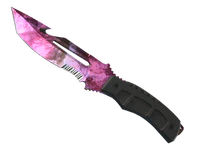
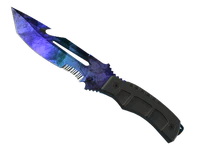
The Anodized Multicolored finish shows wear on the edge treatment and subtle face contrasts, so buyers do pay up for cleaner Phase faces. Visual degradation is readable but not brutal; small float moves at the top matter, while mid-to-low wear sees little discrimination.
As a Covert survival knife the rarity underpins a solid base even on higher wear. That covert tag keeps the low end supported when compared to lower rarity knives from the same Fever Case.
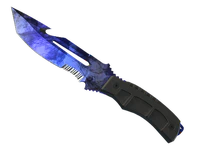
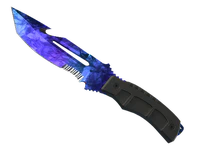
Phase 4 is the phase to watch: certain seeds within that phase attract extra bids because of how the blue balance lands on the blade. Before pricing, check the seed for intense blue coverage or a clean face that separates it from other Phase 4 copies.
The blue-forward palette reads cold and game-friendly; the Valve anodized treatment gives a reflective multicolored shift that plays well on the edge and tip. In play it reads as a clean, icy blade that stands out without garish contrast.
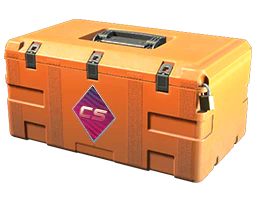
This item drops from the Fever Case, and that origin defines the supply pool you face when listing. Case origin also shapes who builds inventories and who lists for quick liquidity.
Over the longer term this comp has been marked down, with recent stability after that decline. The current posture is steady rather than buoyant, so major rebounds are unlikely absent external catalysts.
The historical band for this knife is tight relative to other high-end knives, meaning extremes were rare and prices lived in a narrower band. You're trading inside a constrained range rather than a wildly volatile market.
Sellers often misprice by treating worn copies as if they were mid-tier knives or by ignoring Phase and seed when listing. Check the exact Phase 4 seed and the capped float note, set expectations to the compressed low end, and price the clean faces for the concentrated premium buyers you want to attract.