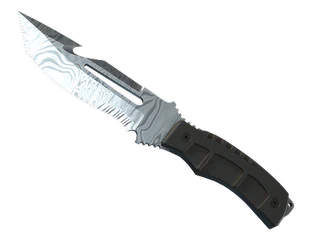
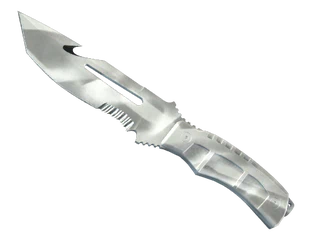
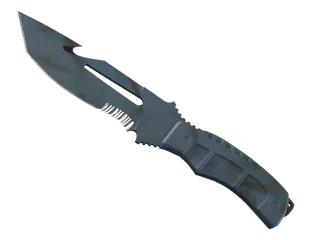
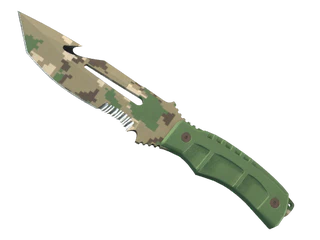
Mid-tier demand, with tight interest concentrated at the cleaner copies. The market reads as steady but softer than it used to be, so sellers should price for real bids rather than optimistic asks. StatTrak copies pull a separate bidder pool and trade differently from standard knives.
Mid-tier demand, with tight interest concentrated at the cleaner copies. The market reads as steady but softer than it used to be, so sellers should price for real bids rather than optimistic asks. StatTrak copies pull a separate bidder pool and trade differently from standard knives.
The Survival Knife | Tiger Tooth sits squarely in the mid bracket for covert knives: not grail money, but not a common budget pick either. That puts it in a pragmatic seller lane - enough collectors and players to move listings, but you need to be realistic on timing and ask if you want a swift exit.
The ladder shows a clear skew toward the clean end, with value concentrated at the very low-wear copies and a sharp drop as wear worsens. The payout curve is far from gentle; the upper tail commands the market while lower wear steps down in distinct bands.
Ask stickers and net cashouts don't line up because buyers target the premium clean copies and avoid the stepped lower tiers, leaving a gap sellers must bridge. That spread widens when there are few recent sales, so your expected net will typically be below headline listings until a buyer accepts the premium for a clean example.
For a buyer after skin-for-money, mid-to-worn copies give the best marginal return until the ladder flattens and cleaners start to command multiples higher. Sellers with cleaner floats should hold for interest; the mid-range pieces are where volume and sensible yields meet.
This anodized multicolored finish does not use the full float spectrum, so the worst-looking copies are still cleaner than typical knives. That compression tightens the lower band and makes the stepped declines more pronounced, since the bottom of the ladder never goes as rough as other finishes.
Being covert keeps a tangible base under the whole ladder: even the higher-wear copies carry value simply because of the rarity tier. That underpins the low end and prevents the bottom from collapsing into near-zero liquidity.
StatTrak variants follow a parallel curve but with distinct bidders who accept the tech tax for tracking. Expect StatTrak listings to sit on a different band; they trade less often, yet pull higher attention when a clean StatTrak shows up.
This Tiger Tooth originates from the Fever Case, which sets the long-term supply rhythm. Case provenance matters for sourcing and for how often new copies enter circulation, and the Fever Case feed shapes the available pool of cleaners vs worn pieces.
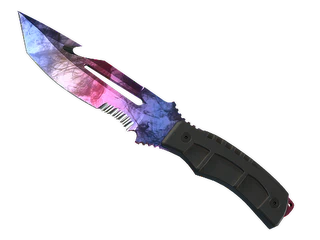
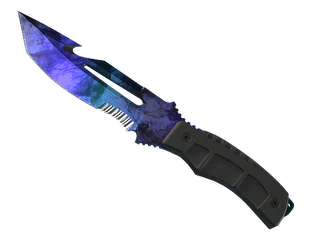
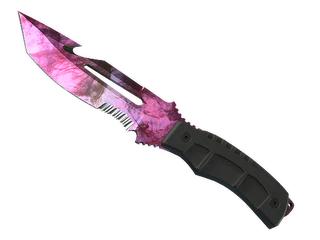
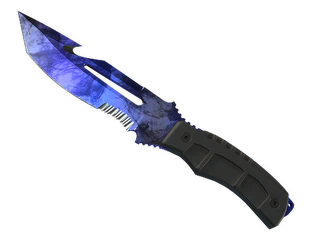
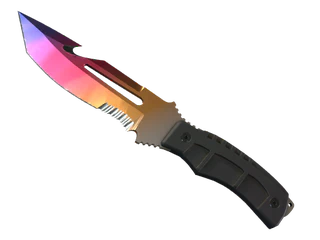
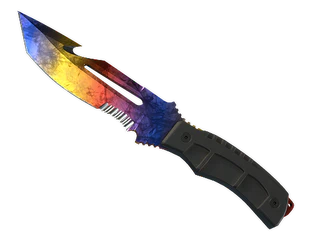
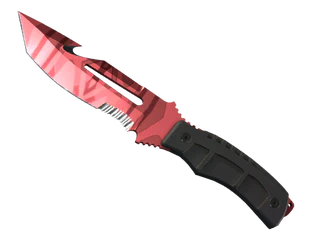
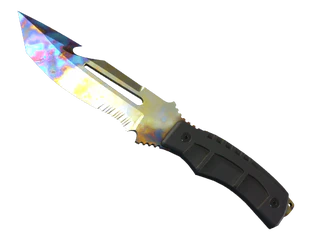
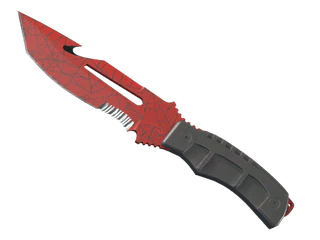
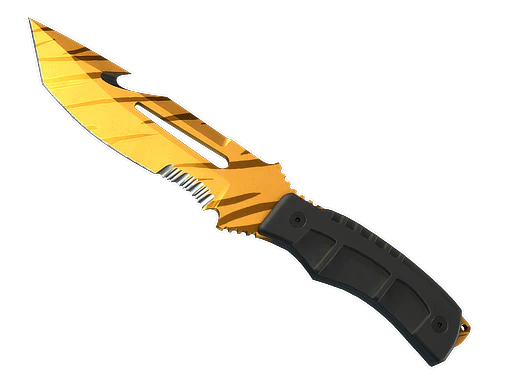
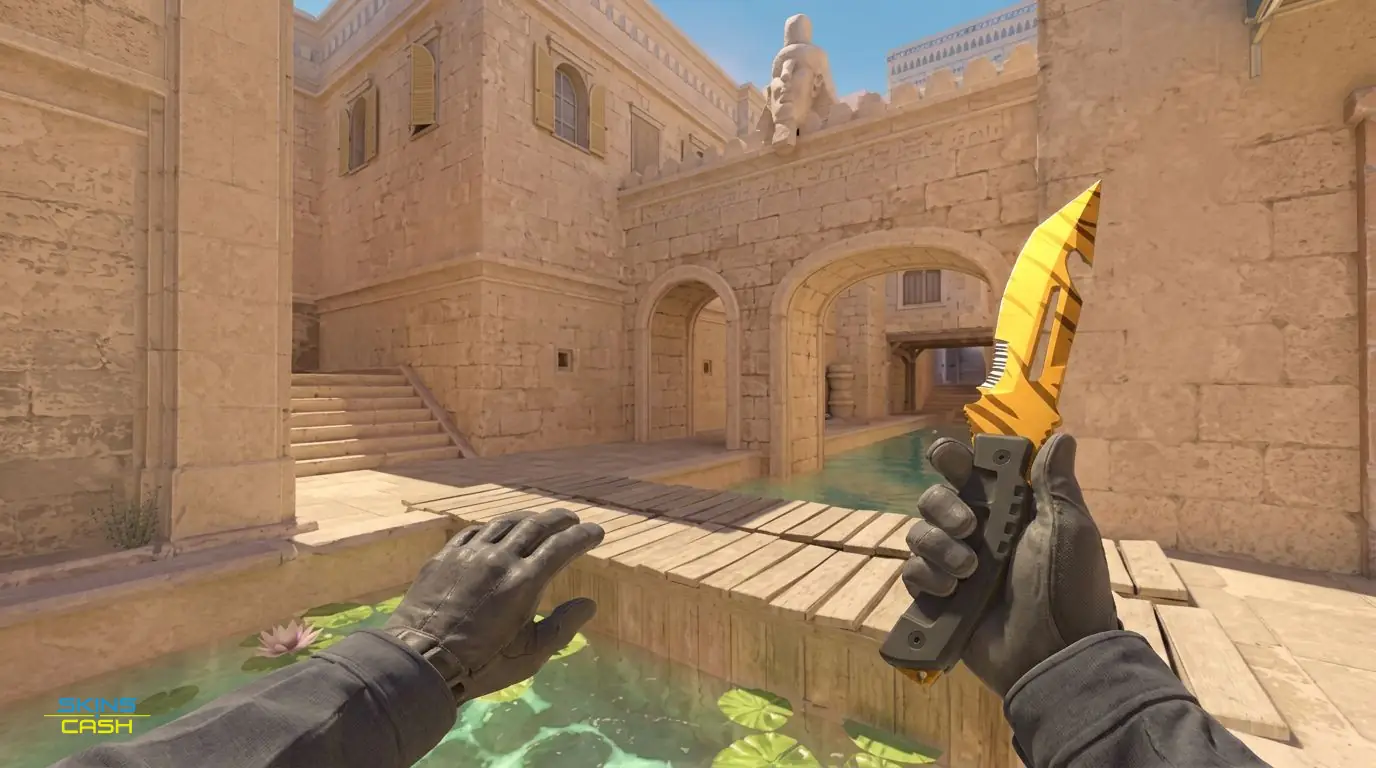
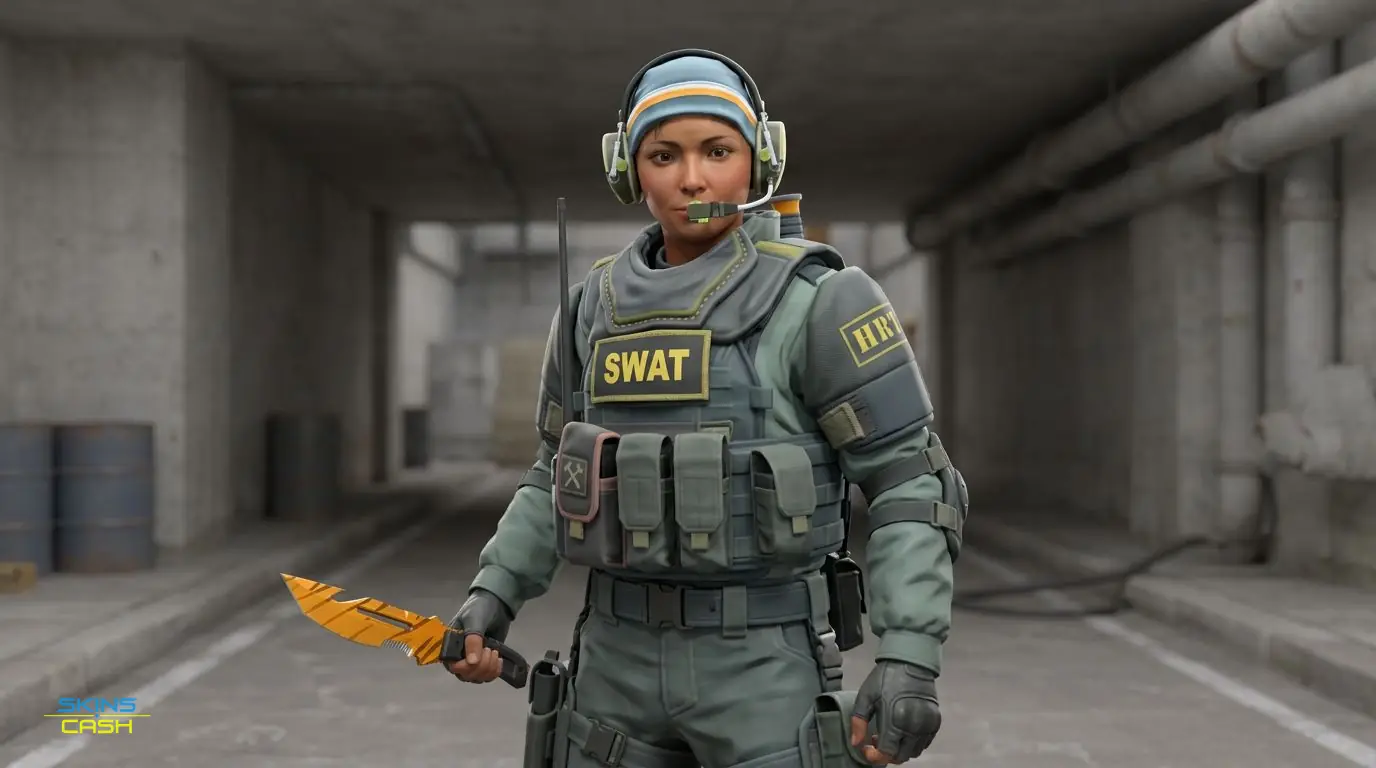
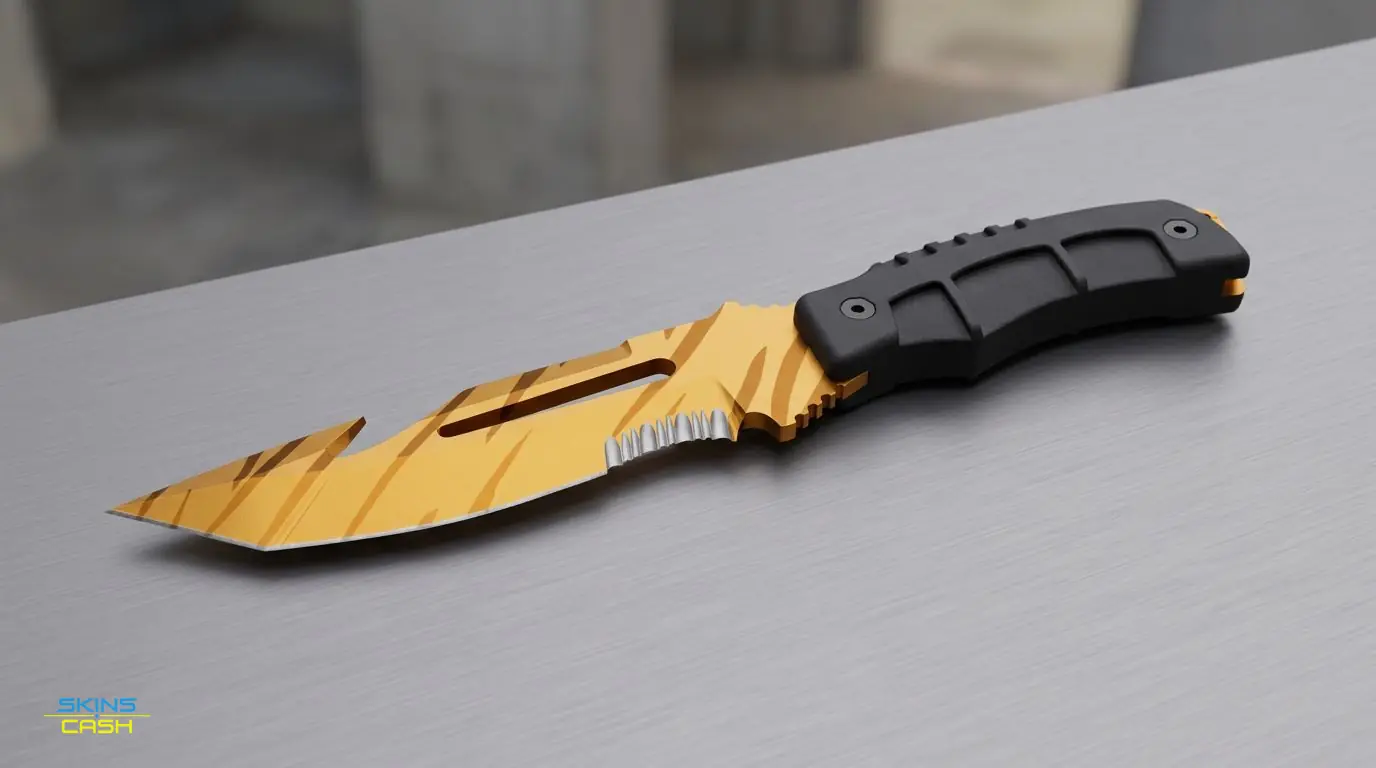
The knife reads yellow-forward with an anodized multicolored finish that flickers in motion and on skin. It stands out in-game against darker maps; the palette is aggressive and instantly legible at a distance, which attracts both collectors and players who like flashy blades.
All-time pricing has travelled a wide band, with big separation between the top-clean sales and the lower-volume worn market. Current trading sits toward the softer side of that band, so expect historical peaks to be a clear step above where interest sits now.
Don't chase a listing because it looks cheap; check float and variant first and respect the stepped spreads. If you intend to resell, prefer mid-range asks that match recent trade activity rather than aspirational stickers.
Zeus has been linked to this finish, which adds a slice of visibility without turning the skin into a perpetual pro-market darling. That reference helps when collectors are watching, but it's not strong enough to erase the usual wear-led pricing dynamics.