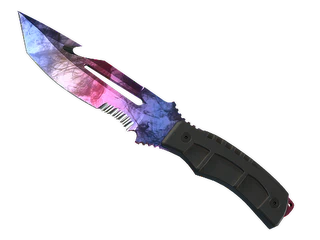
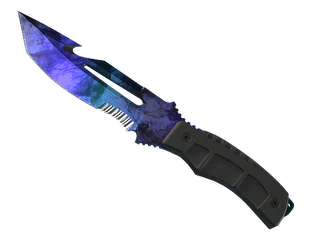
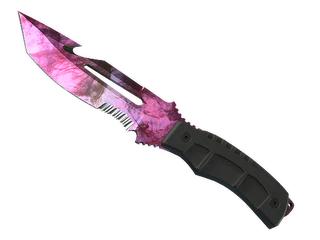
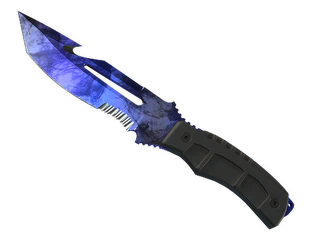
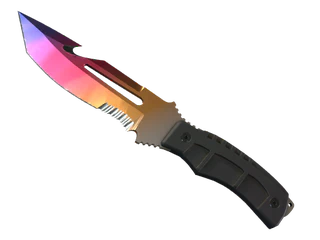
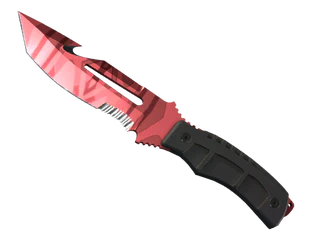
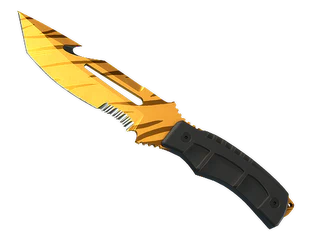
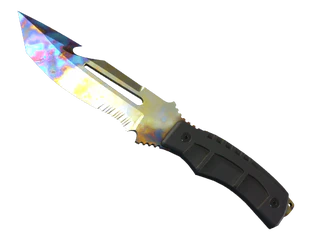
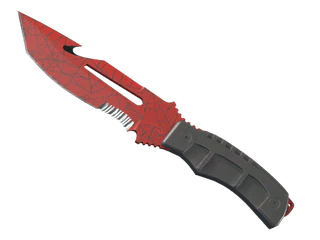
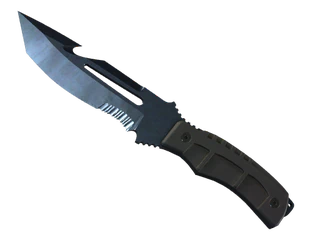
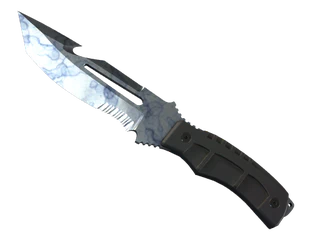
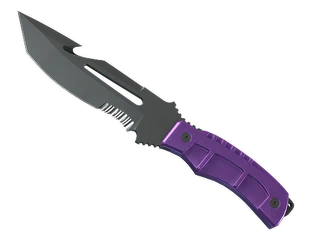
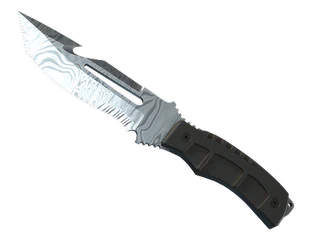
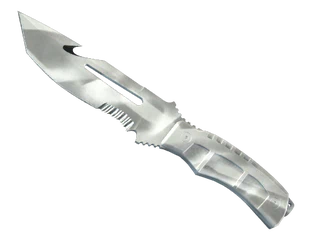
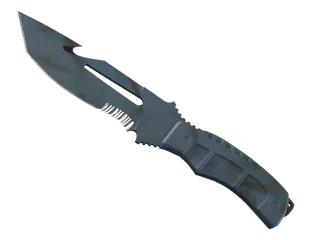
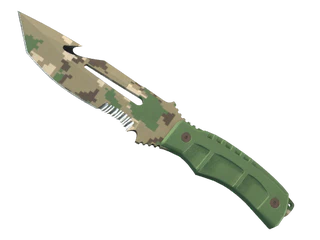
Mid-tier demand and a capped float profile make pricing here straightforward if you watch where value concentrates. The Survival Knife | Marble Fade trades on a stepped ladder with phase premiums and a StatTrak inversion - sellers should check phase and ST status before listing.
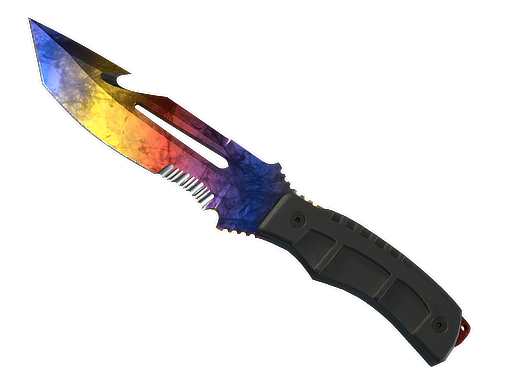
Mid-tier demand and a capped float profile make pricing here straightforward if you watch where value concentrates. The Survival Knife | Marble Fade trades on a stepped ladder with phase premiums and a StatTrak inversion - sellers should check phase and ST status before listing.
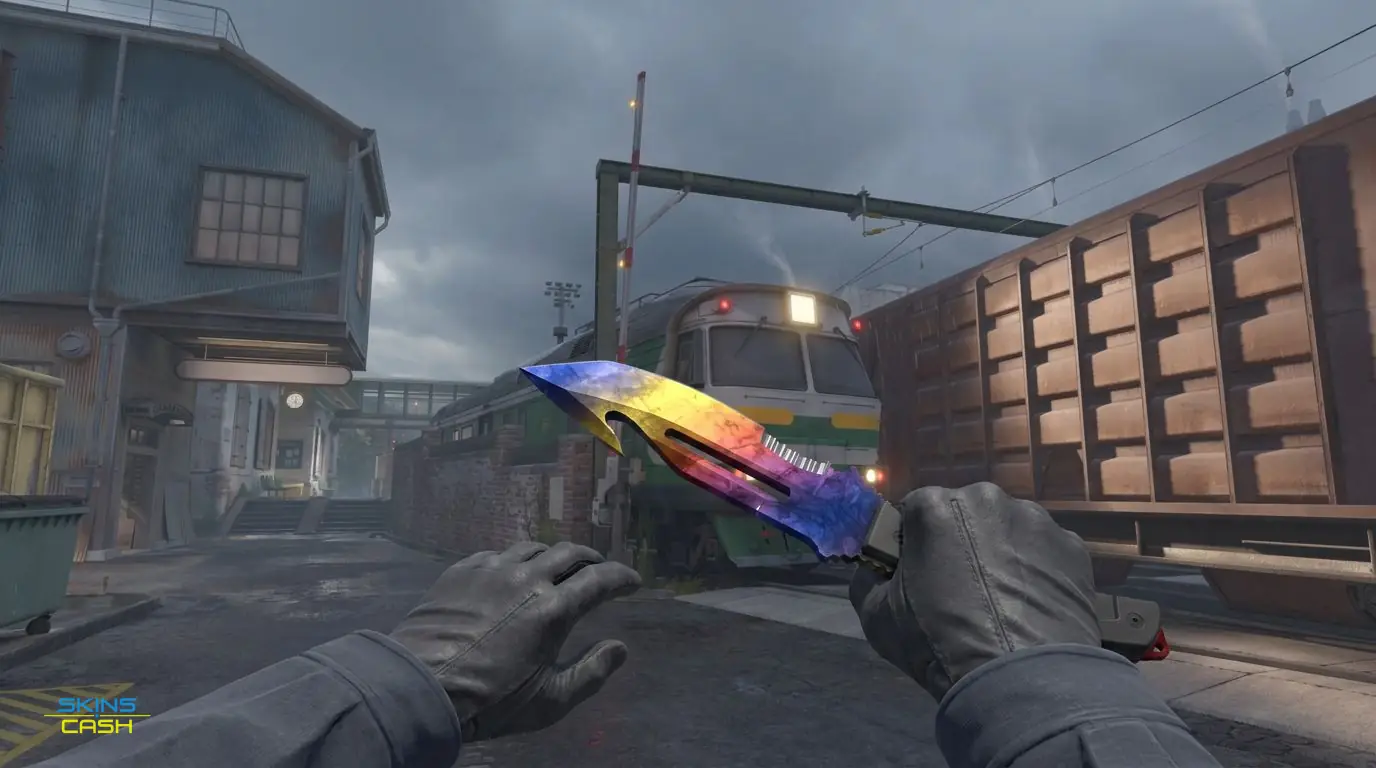

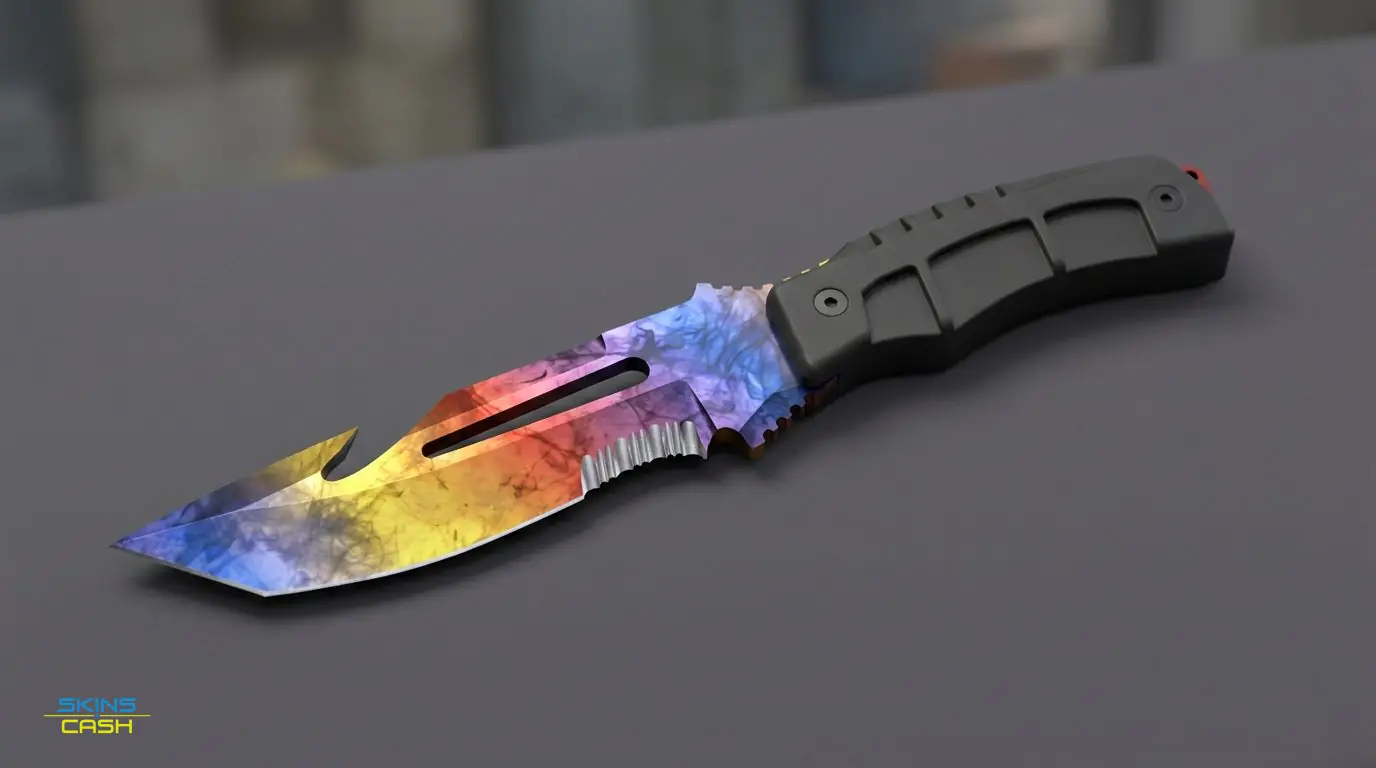
This sits squarely in the mid bracket for knives, not a budget churn item nor grail territory. That position means interest is steady from collectors and players who want a standout anodized finish, so a seller gets predictable demand but not frantic bids.
The ladder is stepped and rewards the cleaner end more sharply than the middle wears, with a visible gap between top-quality copies and everything below. Expect a cluster in the mid band and a notable premium for the cleaner finishes that sell to the same small pool of buyers.
As a seller you will see a gap where buyer cashouts lag public asks; listings show what buyers could pay, but take-home ends up lower after the spread and fees. That gap widens on cleaner copies and on StatTrak pieces where buyers are pickier, so list with realistic expectations.
The strongest skin-for-money lives in the upper-mid clean floats before the ladder spikes into premium territory. Dirtier copies stop pulling reasonable payouts sooner than you might expect; the sweet spot for buyers and resellers is the cleaner segment that still trades within reach.
Marble Fade's anodized multicolored finish does not run the full float gamut, so the supposed worst copies look cleaner than other knives' low-end. That compression reduces the lower tail volatility and keeps supply of playable-looking knives steadier than usual.
Phases here can swing interest more than small float differences because certain color distributions catch the eye; check the phase for a bright dominant band or a rare blend before pricing. A lucky seed with a distinct color allocation commands attention from collectors familiar with Valve's Marble Fade tendencies.
On StatTrak copies the usual float hierarchy flips: a slightly dirtier ST can outsell a cleaner ST when the counter and visual blend better. Watch market listings for ST-specific trends rather than assuming non-ST spreads apply; seed plus counter history drive that inversion.
This knife drops from the Fever Case, so supply is linked to that container's circulation and how often people open it. Origin matters because collectors track case rotations and availability when deciding to chase the Marble Fade finish.
Anodized Multicolored gives a saturated, shifting palette that reads well under different map lights; the designer Valve leaned into strong warm and cool bands that make the blade pop. The result is a flashy-but-clear visual identity that appeals to both stage players and screenshot collectors.
Market action over the recent window has been flat, with little directional pressure despite longer-term weakness. That stability means you can list without racing a falling market, but don't expect quick uplifts from short-term hype.
Sellers often price as if every copy behaves like the clean end or ignore the capped float and phase premiums, creating mismatches with buyer expectations. Avoid lazy listings by checking float, StatTrak status, and visible phase before setting your net price.
Named players like Dima, innocent, and erkaSt have been linked to this finish, which keeps a baseline of interest from fans and collectors. Their visibility nudges demand on highlight plays and stickers, especially for standout phase copies.