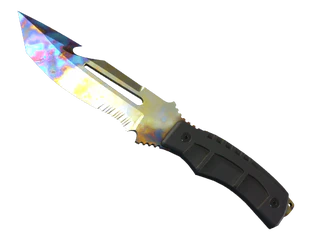
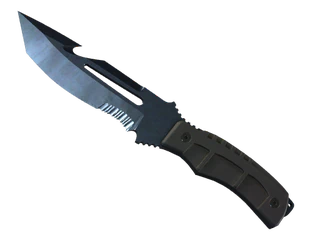
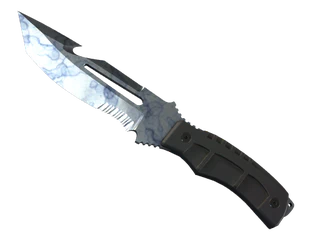
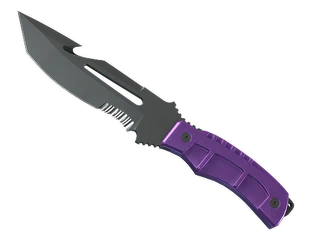
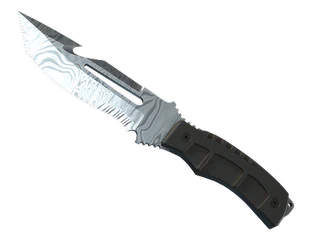
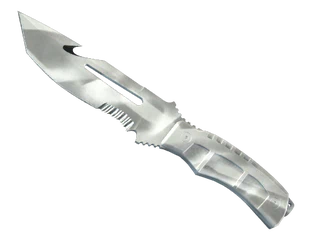
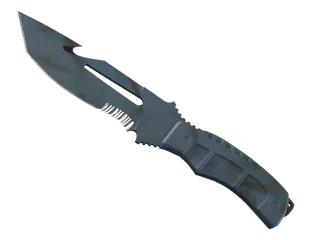
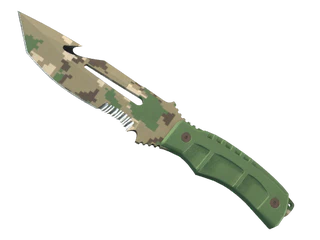
Top-end demand stacks at the clean face of this covert survival knife, with a sharp premium for factory-new copies and capped float behavior that keeps the very clean examples rare. Overall market sits in the premium bracket, but the floor is thin and sellers need to pick their exit point by float rather than by title alone.
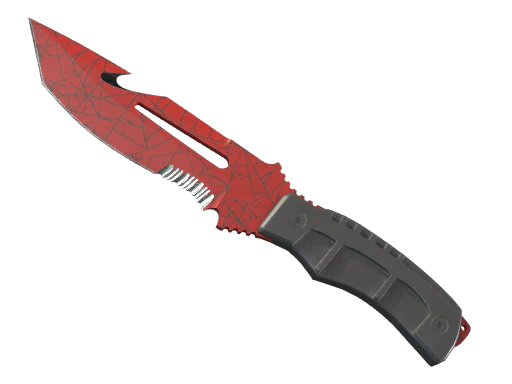
Top-end demand stacks at the clean face of this covert survival knife, with a sharp premium for factory-new copies and capped float behavior that keeps the very clean examples rare. Overall market sits in the premium bracket, but the floor is thin and sellers need to pick their exit point by float rather than by title alone.
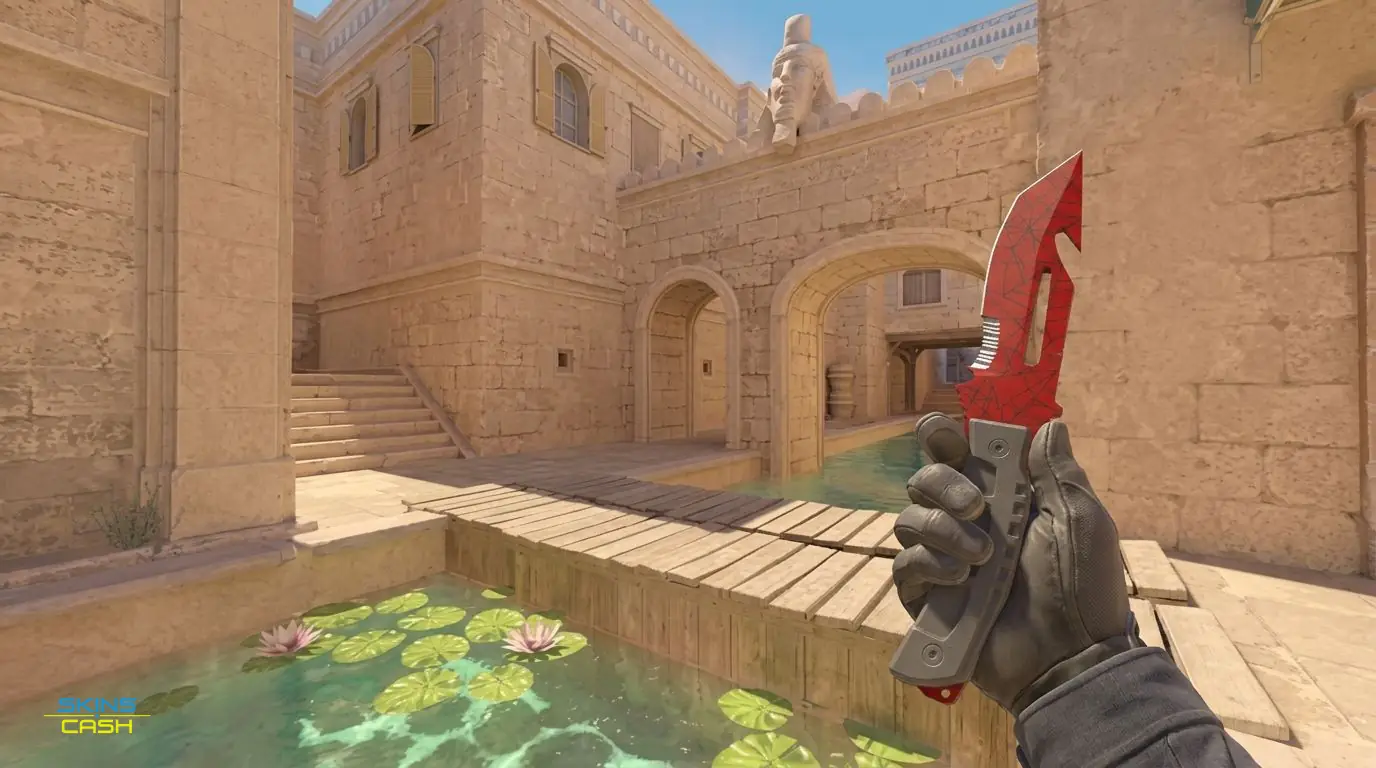
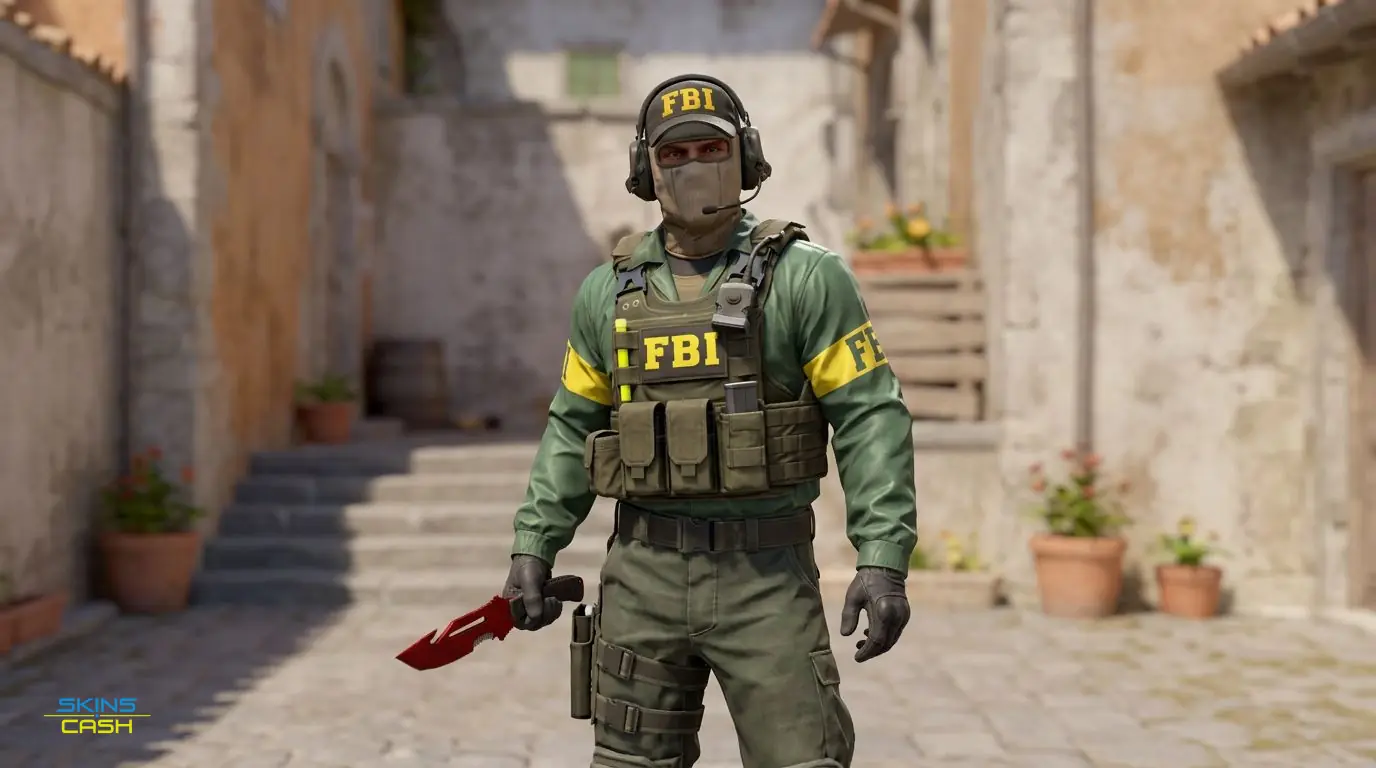
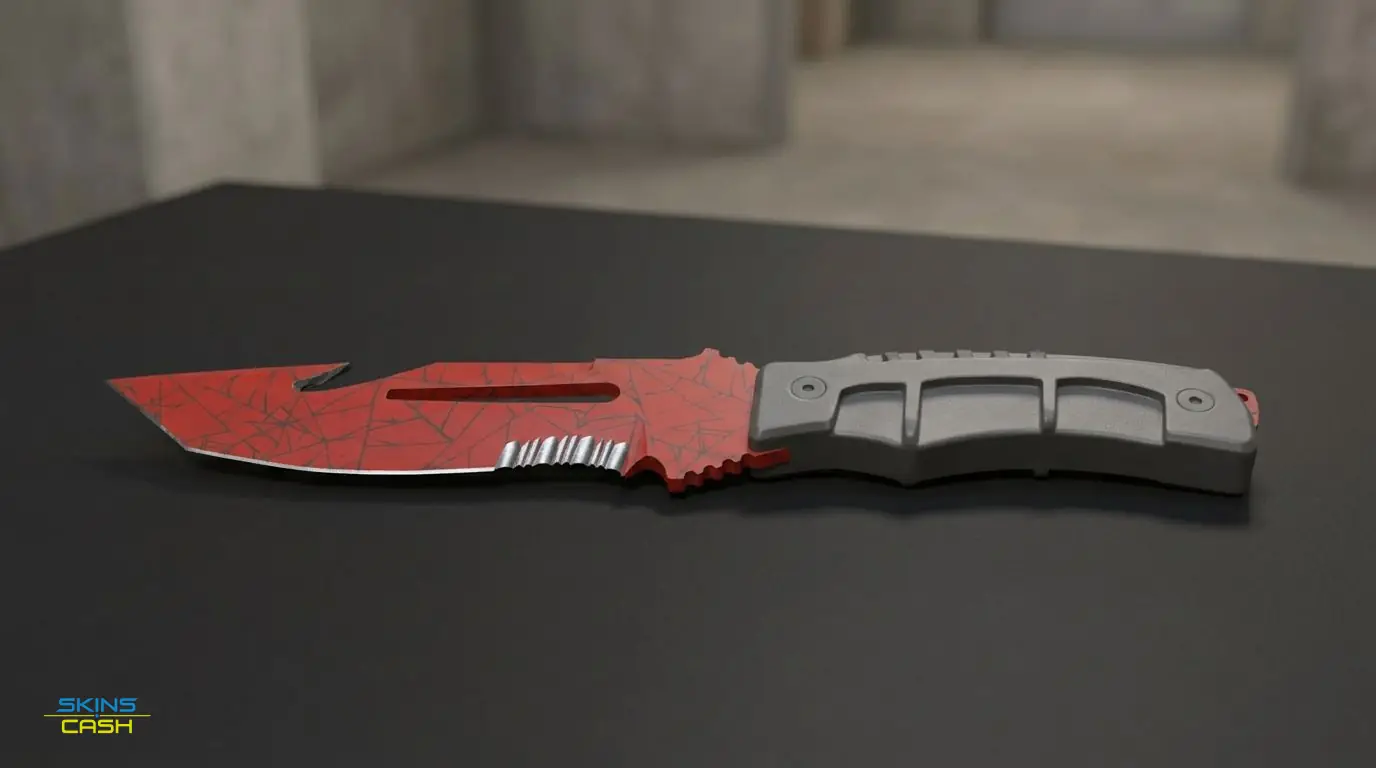
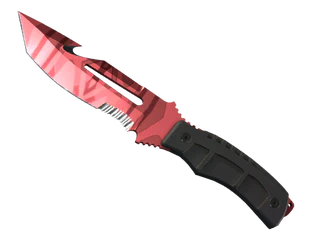
The Survival Knife | Crimson Web sits inside the premium tier for covert knives: serious buyers, not browsers. That positioning means listings move when they are visibly clean or StatTrak, but worn copies linger against a weak floor; this is a seller market only for the right float.
The payout curve is steep off the clean end, then flattens through mid and lower wears thanks to a capped float profile. Expect a sharp climb into the clean bracket where most of the value concentrates, with the rest of the ladder forming a broad, gentler slope.
The lower wears sit in a tight band thanks to compressed spreads down there, so a worn Crimson Web rarely earns padding for small float differences. If you hold a beaten copy, wear is less of a lever - liquidity lives elsewhere on the ladder.
Mid-to-clean floats give the most skin-for-money balance until you hit the extreme factory-clean band where premiums spike. For sellers, lodgings in the mid-clean range usually net the best tradeoff between speed and return before the factory-clean bracket becomes the only place buyers pay up.
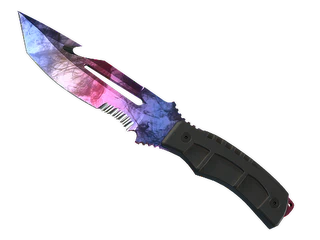
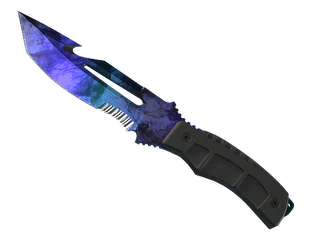
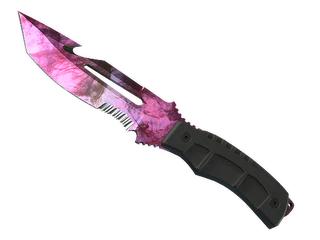
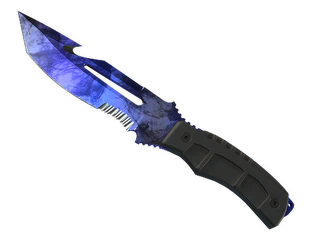
The hydrographic finish shows wear steadily; the red palette and webbing age in a way buyers notice. Clean faces draw attention and command a premium, while small scuffs in mid wears visibly degrade the effect and reduce buyer interest.
As a covert knife, rarity props up the lowest tier even when demand softens, so worn examples have a baseline that non-knife items do not. That underpinning keeps the low-end from collapsing entirely, but it does not create strong bid support.
There is no pattern index drama here; pattern noise does not move price. Sellers price on float and StatTrak status, not on seed, so listings can be evaluated cleanly without hunting for a lucky pattern.
Bright red webbing over the hydrographic surface reads aggressively in game and stands out in both first and third person. Valve's finish treatment gives the knife a crisp contrast that buyers who chase knife cosmetics recognize immediately.
Supply originates from the Shattered Web Case, which keeps new entries tied to that container's availability. That origin is part of why the clean end is thin: supply is gated by the case rather than an open release stream.
The longer-term direction has trended down hard, with more recent moves softly down as traders re-rated expectations. The skin has bled value over the year while short-term declines have been gentler.
Wide historical range and the steep clean premium make this one of the jumpier knife plays; prices bounce when a few clean examples trade. If you need certainty, sell into stability; if you chase re-rates, time listings around quiet windows when the ladder tightens.
The usual errors are ignoring the capped float behavior and treating worn knives as if they carried the same spread as clean ones, or mislabeling StatTrak status when listing. Check float and StatTrak carefully and price to where buyers actually look on the ladder, not where you hope they will.