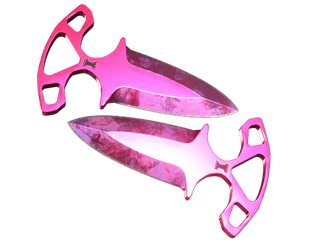
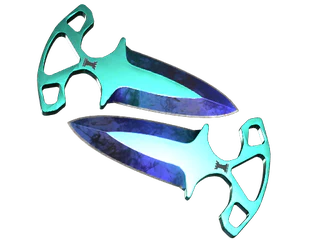
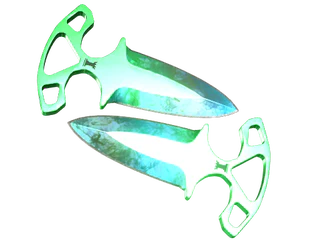
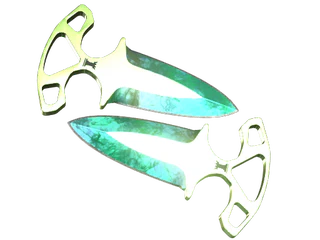
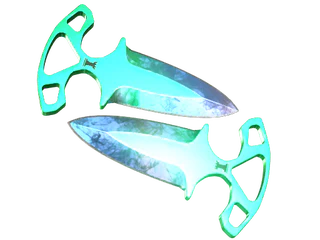
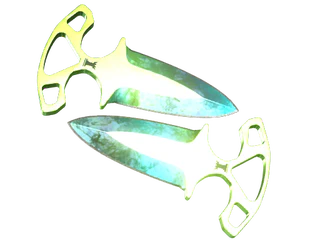
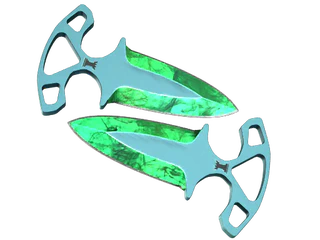
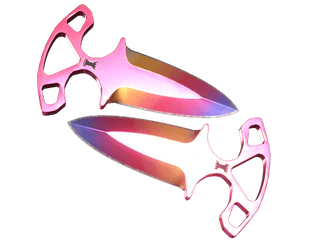
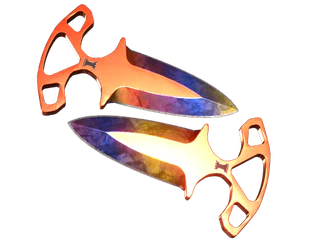
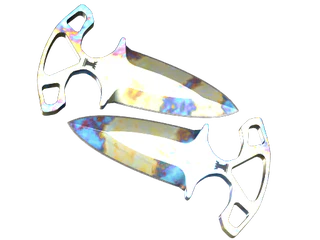
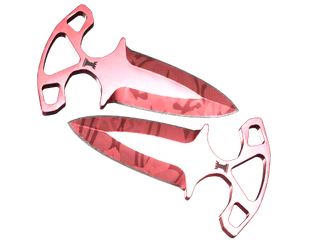
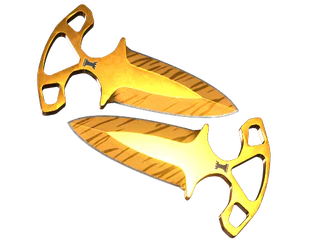
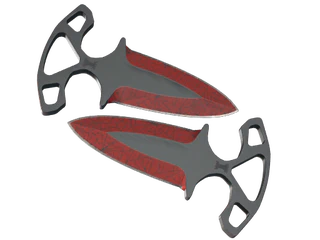
Mid-tier demand, but the floor is fragile - most value lives in the cleaner copies while worn examples trade close together. The capped float profile keeps the worst copies cleaner than usual, and recent action has pushed the market higher, so timing matters if you plan to cash out.
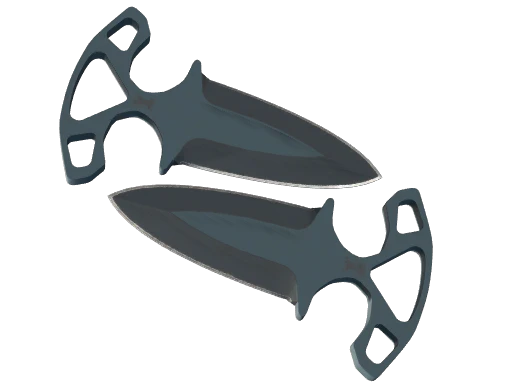
Mid-tier demand, but the floor is fragile - most value lives in the cleaner copies while worn examples trade close together. The capped float profile keeps the worst copies cleaner than usual, and recent action has pushed the market higher, so timing matters if you plan to cash out.
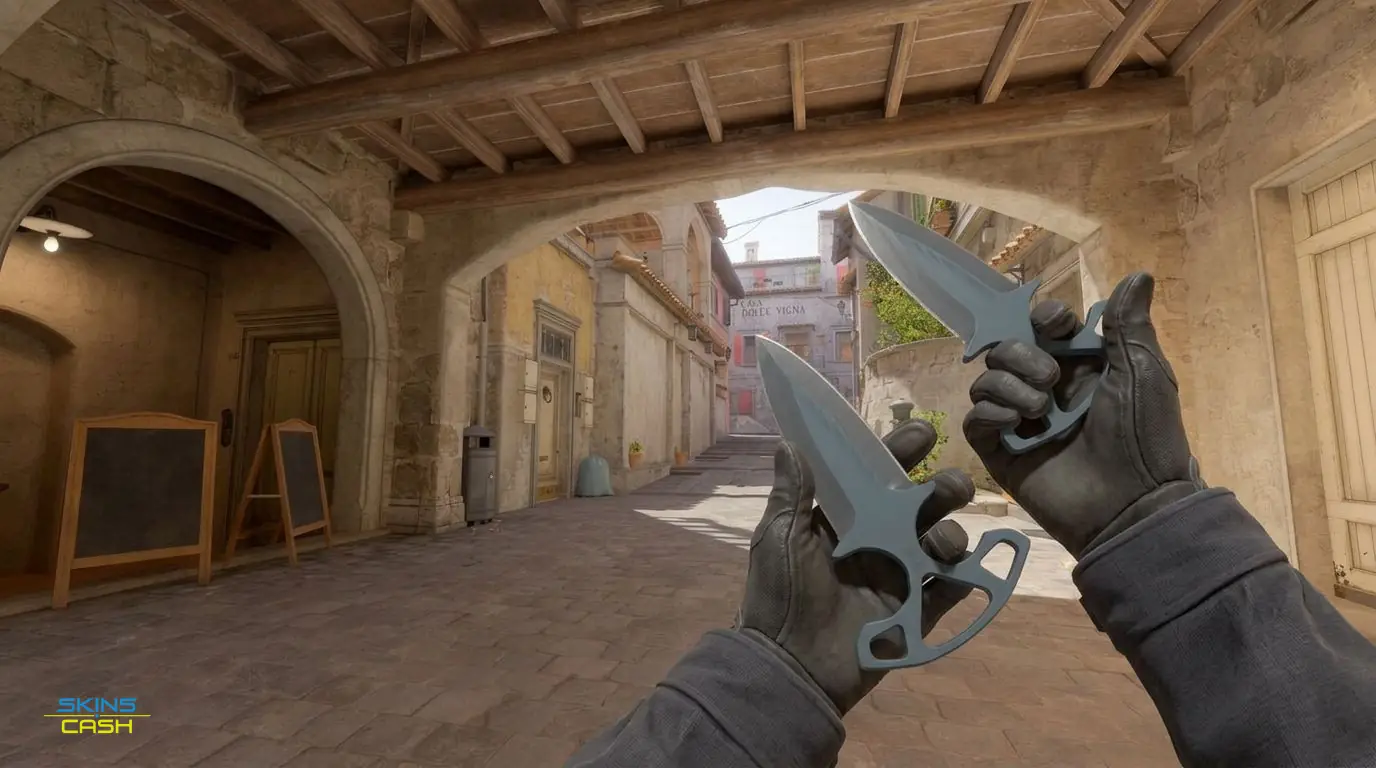
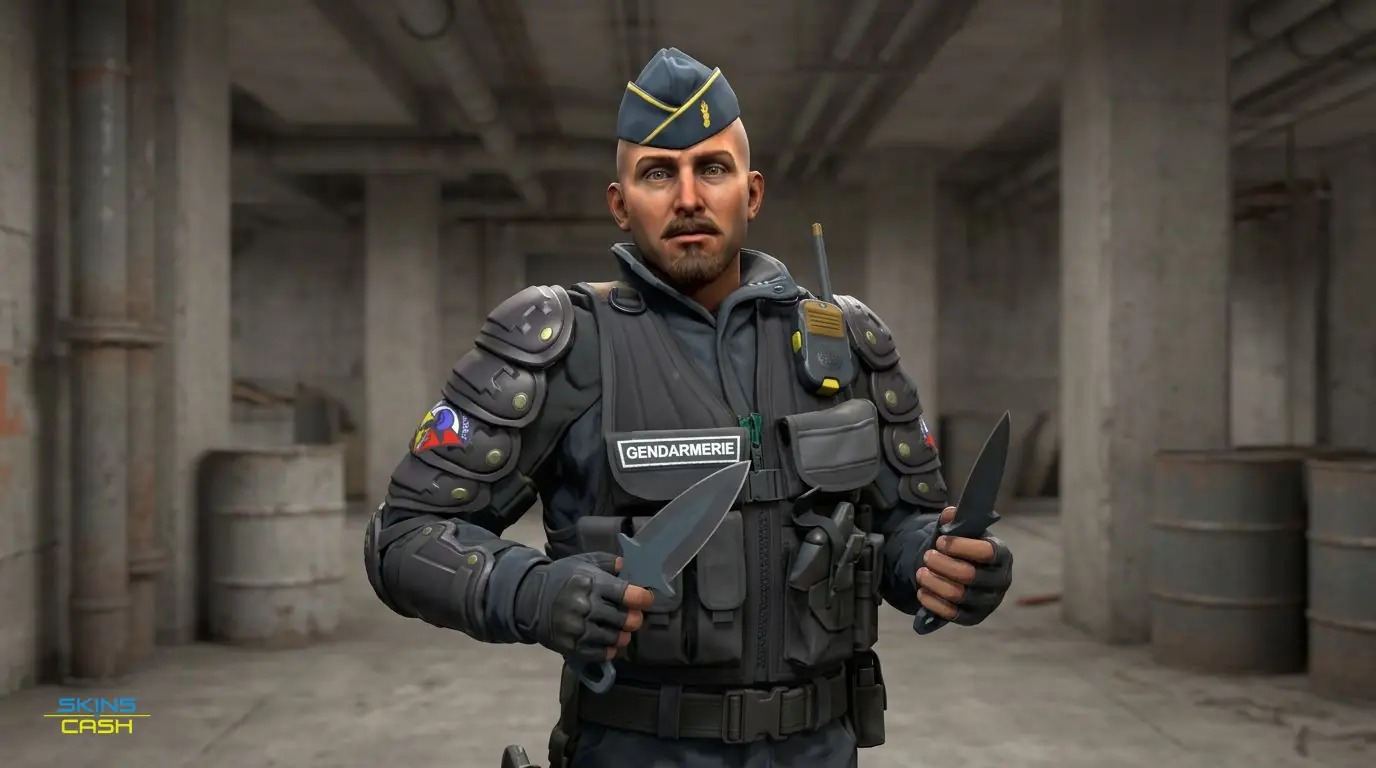
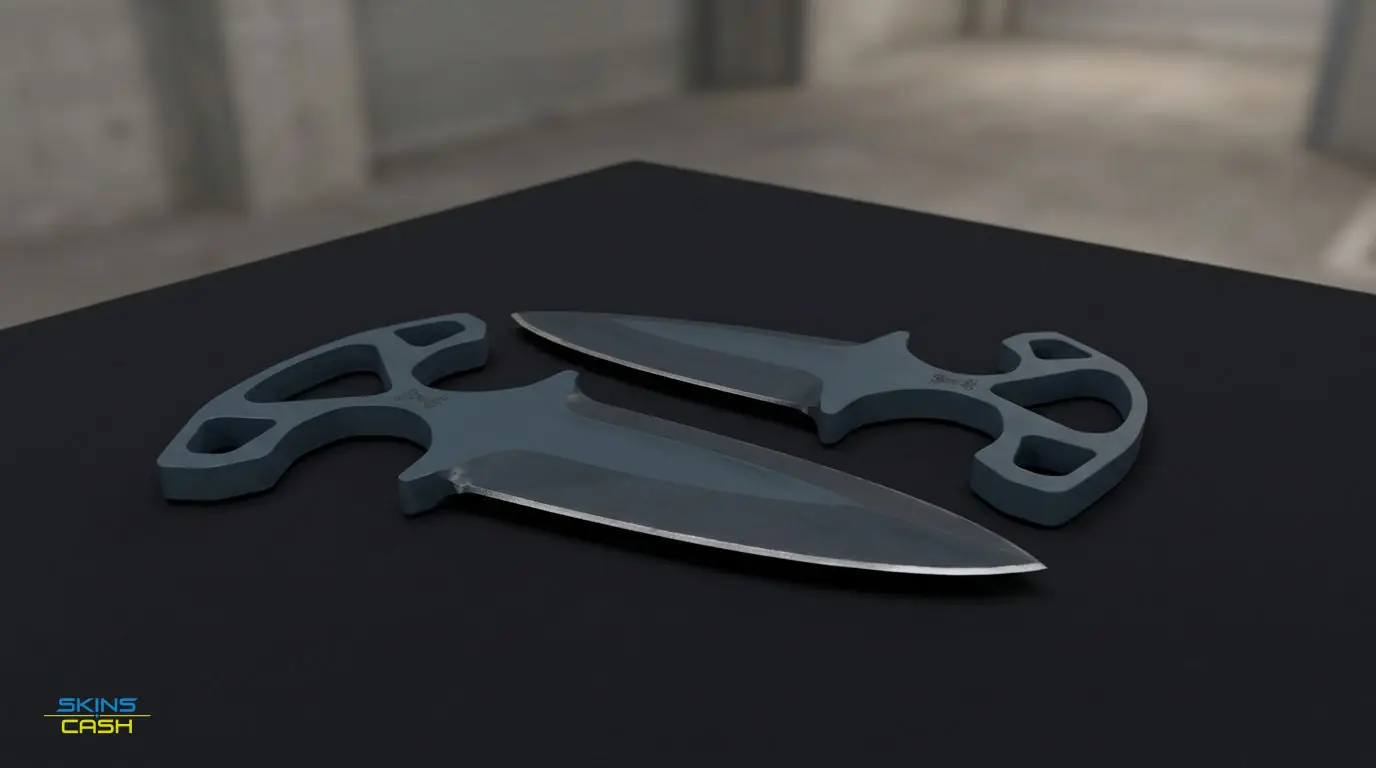
A mid-market offering: it sits among mainstream buys rather than grail or budget flops. That positioning means steady interest from regular traders and collectors who want a covert blade without the premium sticker shock of rarer executions; expect moderate turnover rather than frantic bidding.
The ladder leans heavily toward the clean end with a sharp drop as cleanliness declines, not a lazy slope. Clean copies command clear separation from the rest, while the middle and low wears compress into a much tighter band.
If you want skin-for-money, the mid-to-clean shoulder is where returns taper off and buyers stop paying up for incremental polish. Beyond that shoulder, chasing the nearest cleaner copy yields diminishing returns; pick a target wear and stick to it when listing.
Worn copies are bunched together in payout, so a beaten example rarely loses or gains much versus its neighbors. That makes worn holds less risky for someone who wants to flip without grading floats obsessively, but it also caps upside from small float differences down there.
This finish lives inside a restricted float window, so the "worst" copies are cleaner than comparable knives with a full range. That capping lifts the whole visual floor and shrinks the extreme-wear bracket, altering where the ladder breaks rather than stretching it out.
Rarity provides a baseline name recognition, but it does not shore up the bottom strongly here; floor behavior remains weak despite the covert tag. Think of the rarity as a modest support rather than a guarantee - it keeps worn copies tradeable, not protected from movement.
StatTrak exists and follows its own demand curve; buyers treat ST as a separate lane with noticeably fewer takers than normals. Expect the StatTrak line to mirror the same climb at the clean end but with thinner depth, so listings can sit unless priced with that in mind.
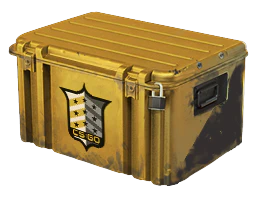
It comes from the Shadow Case, which feeds a steady stream of supply into the market rather than a trickle. That origin helps explain why availability is consistent and why short-term inflows can mute big spikes.
Simple gray tones and a solid-color finish make the blade read sharp in most maps and skins-heavy loadouts. The muted palette keeps it versatile on scope and in-hand, which is why it appeals to players who want a stealthy, no-fuss dagger.
Momentum has been upward and strong over the last month, carried by the same directional move seen over the longer window. Buying pressure has been the louder voice recently, not a flat or drifting market.
Traders often misprice by treating worn copies as if floats spread wide; here that assumption costs you listings that sit. Also watch variant labelling - confuse StatTrak with normal and you lose liquidity - and always check float rather than eyeballing the finish.
Svyat is associated with this knife, which keeps it visible to followers and collectors who track player choices. That single pro link nudges demand when he shows up on streams or events, but it does not convert the knife into a niche grail.