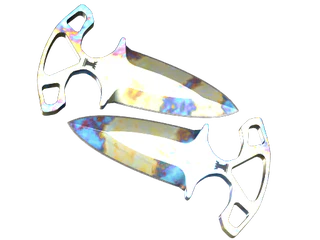
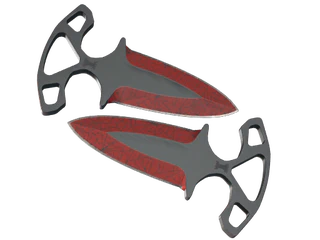
Mid-tier demand, with value concentrated toward the clean end and a capped float that keeps the low end cleaner than you might expect. Sellers get steady interest but should price by float and seed; mismatching those two is the fastest way to sit. StatTrak copies trade on their own curve and move differently than regular knives.

Mid-tier demand, with value concentrated toward the clean end and a capped float that keeps the low end cleaner than you might expect. Sellers get steady interest but should price by float and seed; mismatching those two is the fastest way to sit. StatTrak copies trade on their own curve and move differently than regular knives.
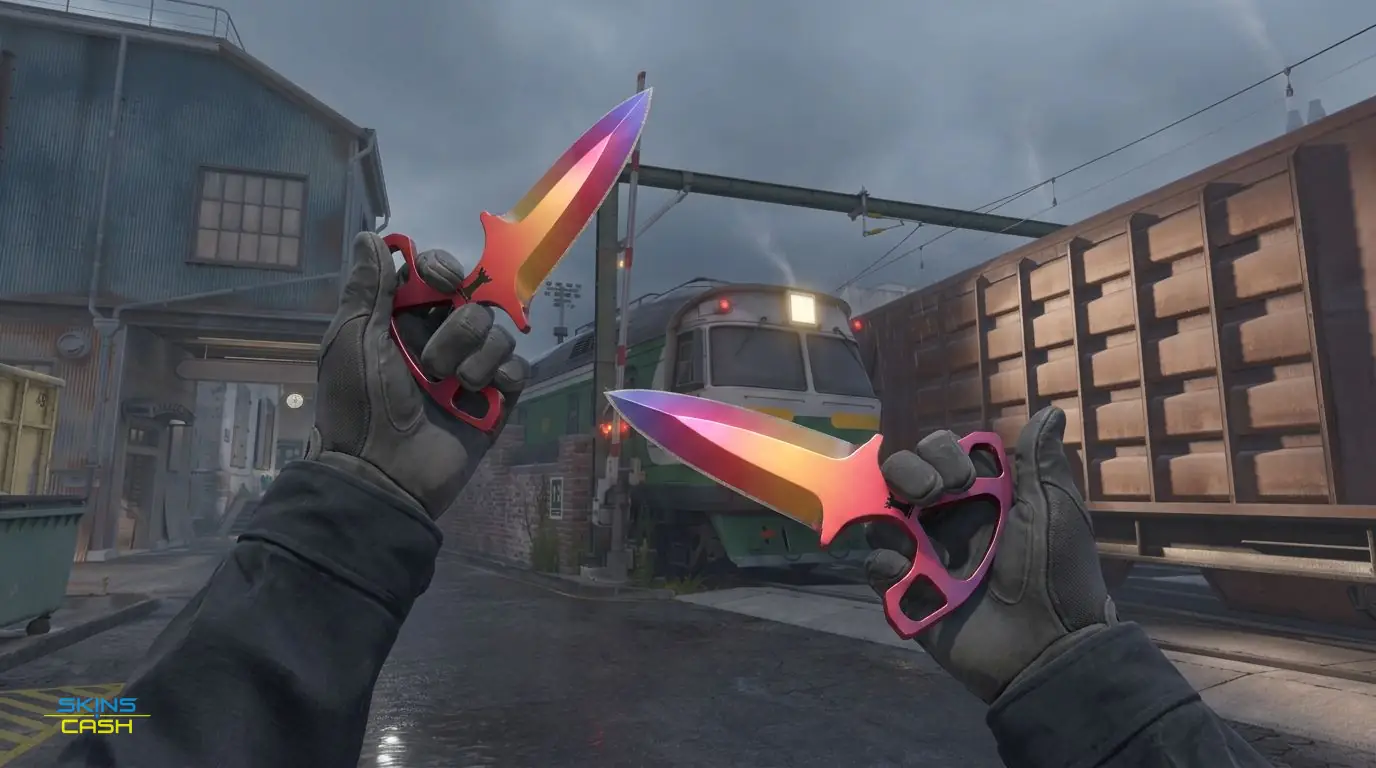

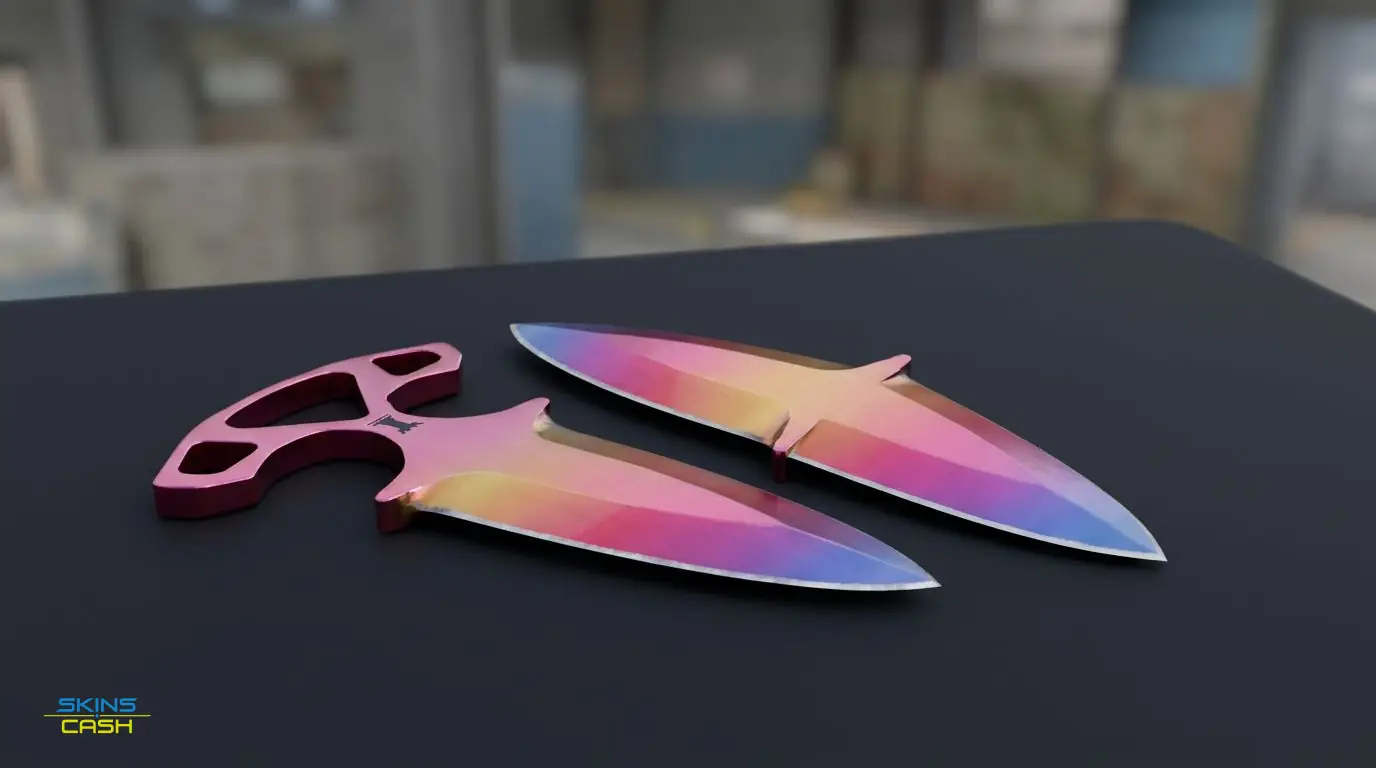
This sits squarely in the mid bracket for daggers: not grail money, not budget fodder. That middling place means a steady pool of buyers who know the skin and will trade on specifics rather than impulse; you get movement when float and seed align, and nothing when they do not.
The ladder is capped and stepped, so the payout curve is not a smooth slope but a sequence of tiers with a clear premium at the very clean end and flatter stretches below. Expect a sharp uplift where the best finishes sit, then a series of plateaus as wear worsens toward the cap.
Ask stickers on marketplace listings usually overstate what a seller pockets because buyers factor in float, seed risk, and fees when they bid. That gap is wider where the ladder has steppy bands; a seller who prices to the clean tier will see a different net than one pricing from the plateau below.
Value for raw skin-per-dollar lives just below the top tier until the payout stops rewarding incremental cleanliness; the practical sweet spot is the last step before the clean ceiling. If you own a near-top copy you often outperform equivalent listings, but past a certain point cleaner floats stop giving you proportional uplift.
Because the finish is capped, the so-called worst copies still look cleaner than a typical uncapped dagger, and the bottom of the ladder behaves like a compressed band. That compression dampens downside risk and changes where sellers expect the last step of meaningful separation to appear.
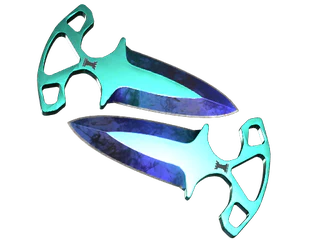
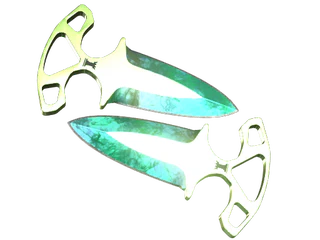
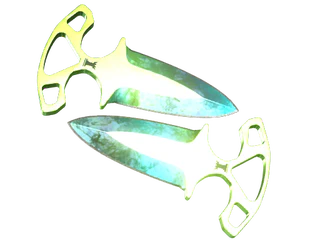
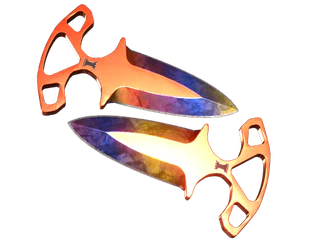
This finish is seed sensitive: specific seeds produce noticeably different gradients and small visual quirks on the anodized airbrushed surface that buyers pay extra for. Check the seed for the fade distribution and for any alignment quirks before you set a top asking price.
StatTrak exists for this model and follows its own demand curve, with buyers treating ST as a parallel but distinct market. Expect fewer takers per listing and more selective interest; ST moves when collectors target certain seeds or the clean tier, otherwise it lags regular copies.
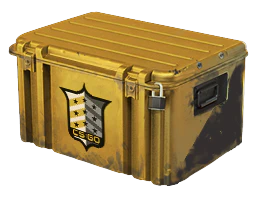
It drops from the Shadow Case, so supply behaves like a container-dropped item rather than a souvenir or event-only piece. That origin keeps a steady background flow of copies and helps explain why the mid-tier bracket is competitive rather than scarce.
The anodized airbrushed finish renders a muted metallic spectrum that reads as a soft gradient across the blade, and Valve's design keeps the palette restrained rather than loud. In-game the fade leans toward shadowed tones with bright streaks where light catches; it plays well on both close and longer engagement models.
Thirty-day motion is flat; listings and bids have held steady with little drift in the short window. The longer trend has been weaker, but the immediate picture is calm.
Buyers should focus on seed and capped float banding when entering, not on generic sticker levels. Target where the spread tightens between ask and expected payout; the wrong seed will cost you time more than value.
Named pros like Hyper, arrozdoce, and captainMo have carried visibility for this blade, and that familiarity keeps a consistent collector interest. Their names surface in searches and can nudge a sale when the float and seed line up with demand.