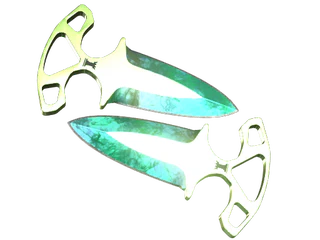
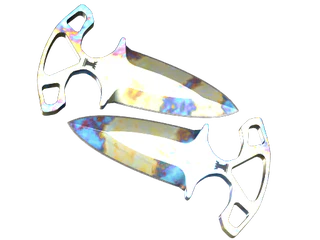
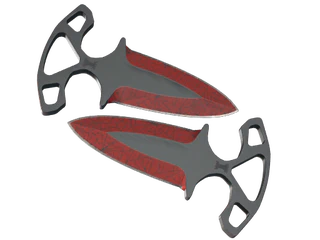
Mid-tier demand with a clear bias toward the clean end - buyers still prefer the nicest copies but the market sits firm enough to move mid-grade pieces. Capped float and the Gamma Doppler sheen make good cleaners stand out; a seller should watch phase and StatTrak when timing a cashout.

Mid-tier demand with a clear bias toward the clean end - buyers still prefer the nicest copies but the market sits firm enough to move mid-grade pieces. Capped float and the Gamma Doppler sheen make good cleaners stand out; a seller should watch phase and StatTrak when timing a cashout.
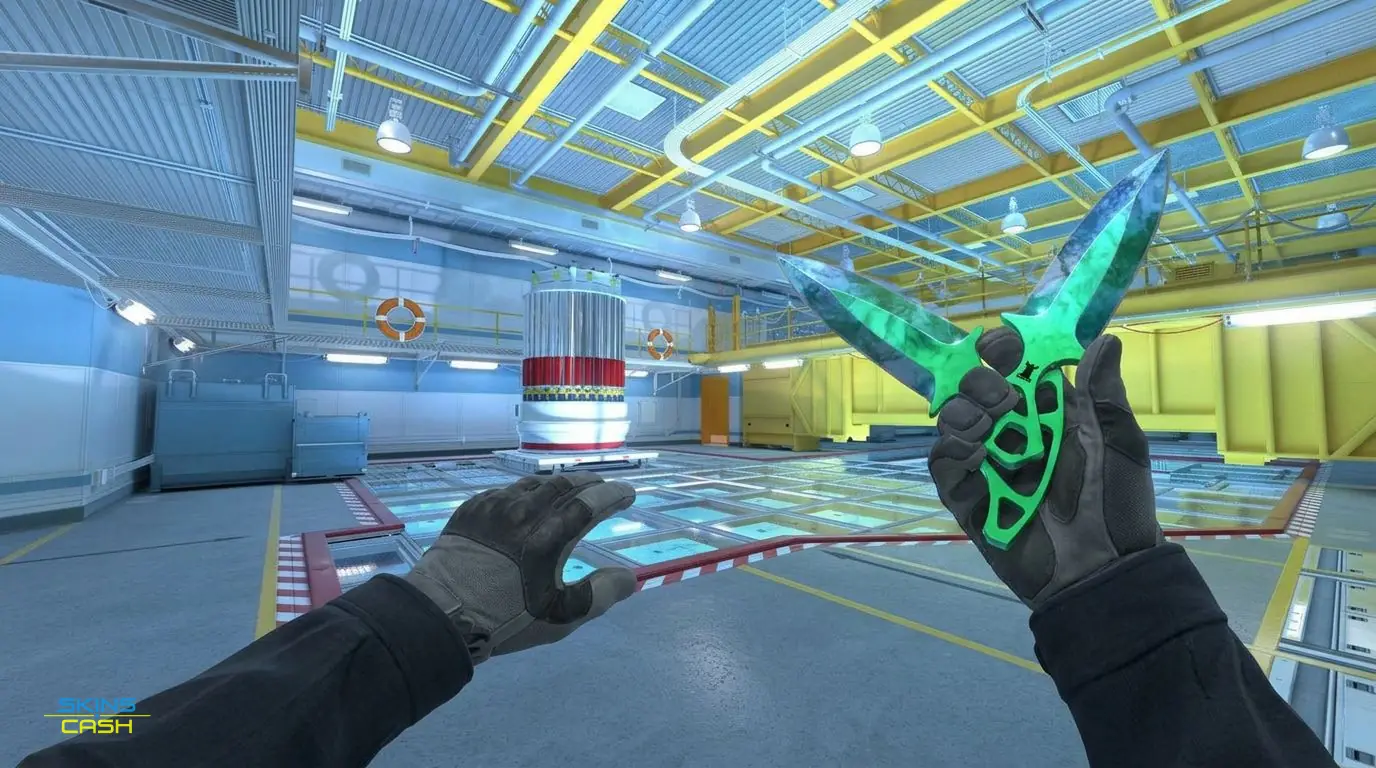

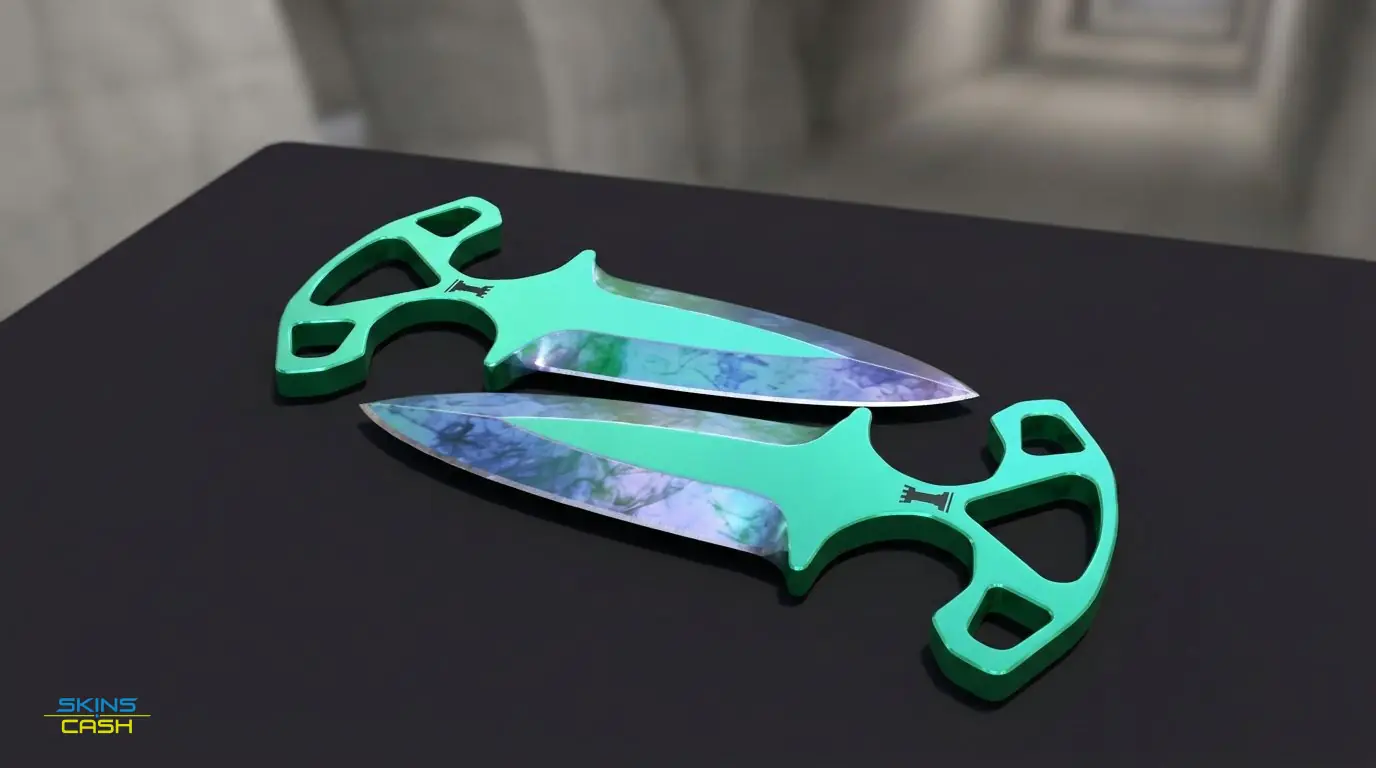
This sits squarely in the mid bracket among covert daggers: not grail money, not budget fodder. That positioning means steady interest from mainstream tradable buyers rather than speculators, so sellers can expect realistic offers when they list correctly and avoid overreaching on the top end.
The ladder is driven by a clean-end premium with a stepped descent into the mid wears, creating a capped profile where value clusters early and then eases off. Expect a noticeable gap between the standout low-wear copies and everything below them rather than a smooth continuous slide.
What a buyer clicks and what a seller nets are rarely the same because listings carry the visible ask while cashout reflects immediate demand and takers. Factor in that mid-tier appetite and the capped float: aggressive asks often sit, and actual payout will be softer until a buyer who cares about phase and finish shows up.
For pure skin-for-money, the mid-to-clean rung gives the best utility; quality improves visibly and the Doppler finish sells the look without stretching into grail territory. Past a certain cleanliness the incremental premium thins out, so sellers of nearly-clean copies should consider holding for a phase-specific buyer rather than expecting a big uplift.
Because the Gamma Doppler finish here is capped, the 'worst' copies are cleaner than usual and the lower end doesn't sink as far as ordinary blades. That compresses downside and keeps the lower ladder from discounting into deep junk, which helps listings clear but also compresses upside for marginal cleaners.
Phase one carries its frank visual identity and that phase premium matters; some seeds within Phase One present a more vivid cyan flash and will pull better. Check the phase marker and seed before setting a top-bin listing - buyers will hunt specific looks, and you don't want to price as if all Phase One copies are equal.
StatTrak exists and draws its own cohort of buyers, but it follows the same ladder logic with a steeper appetite for clean phases. StatTrak demand is real here; sellers get a separate buyer pool and should not conflate ST asks with normal-hand demand when gauging cashout.
It drops from the Operation Riptide Case, so supply is tied to how often that container circulates and how many players chased it. That origin keeps the skin in the mainstream case pool rather than a limited surgical release, which explains the broad historical range in availability.
The anodized multicolored finish leans blue-cyan, with cold highlights that pop on the edge and reading well in motion. Valve's designer treatment gives it a crisp, saturated sheen that skips gaudy for a sharp, aggressive look on the blade.
Short-term direction shows a soft downward drift rather than a sudden collapse, so prices are easing slowly across the board. That pattern suggests patience for sellers who want top tiers, but minimal panic selling for those taking mid-range offers.
The usual errors are treating all Phase One copies the same and ignoring the capped float when pricing low-end copies; both send listings stale. Verify phase and seed, price the StatTrak line separately, and list slightly under ask clusters if you want a quick take.
Boltz has been linked with this model, which helps visibility among fans and collectors who follow that pro's picks. It doesn't push the skin into grail status, but it keeps occasional demand spikes tied to pro usage and highlight plays.