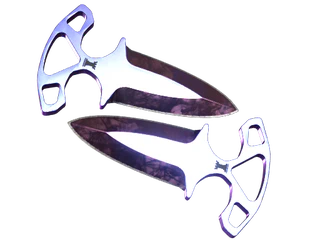
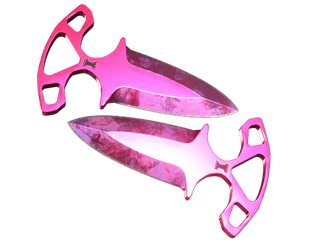
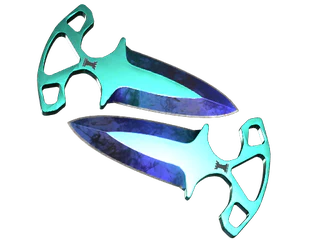
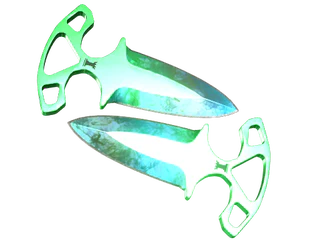
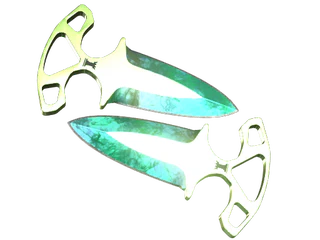
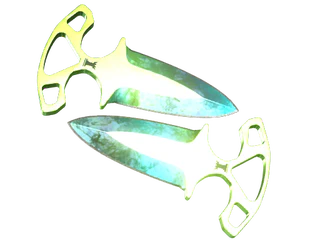
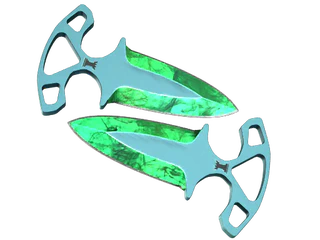
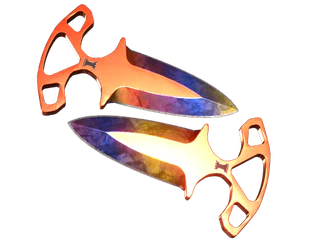
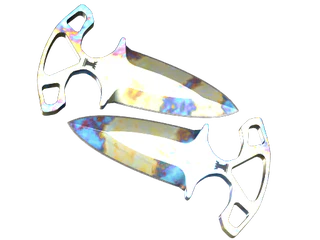
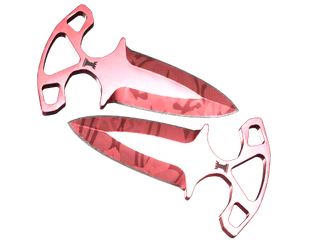
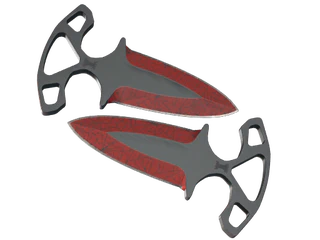
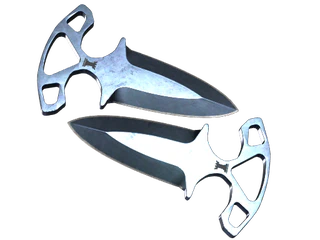
Mid-tier demand, mainstream interest: this Shadow Daggers Tiger Tooth trades in the middle of the market where steady eyeballs meet thin margins. Clean examples carry the premium, while the rest of the ladder is soft and sensitive to broader market movement-watch floats and the stattrak gap before you cash out.
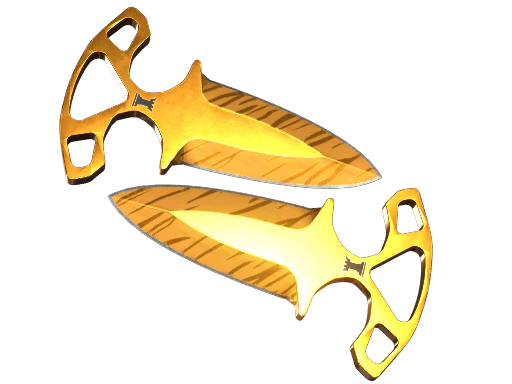
Mid-tier demand, mainstream interest: this Shadow Daggers Tiger Tooth trades in the middle of the market where steady eyeballs meet thin margins. Clean examples carry the premium, while the rest of the ladder is soft and sensitive to broader market movement-watch floats and the stattrak gap before you cash out.
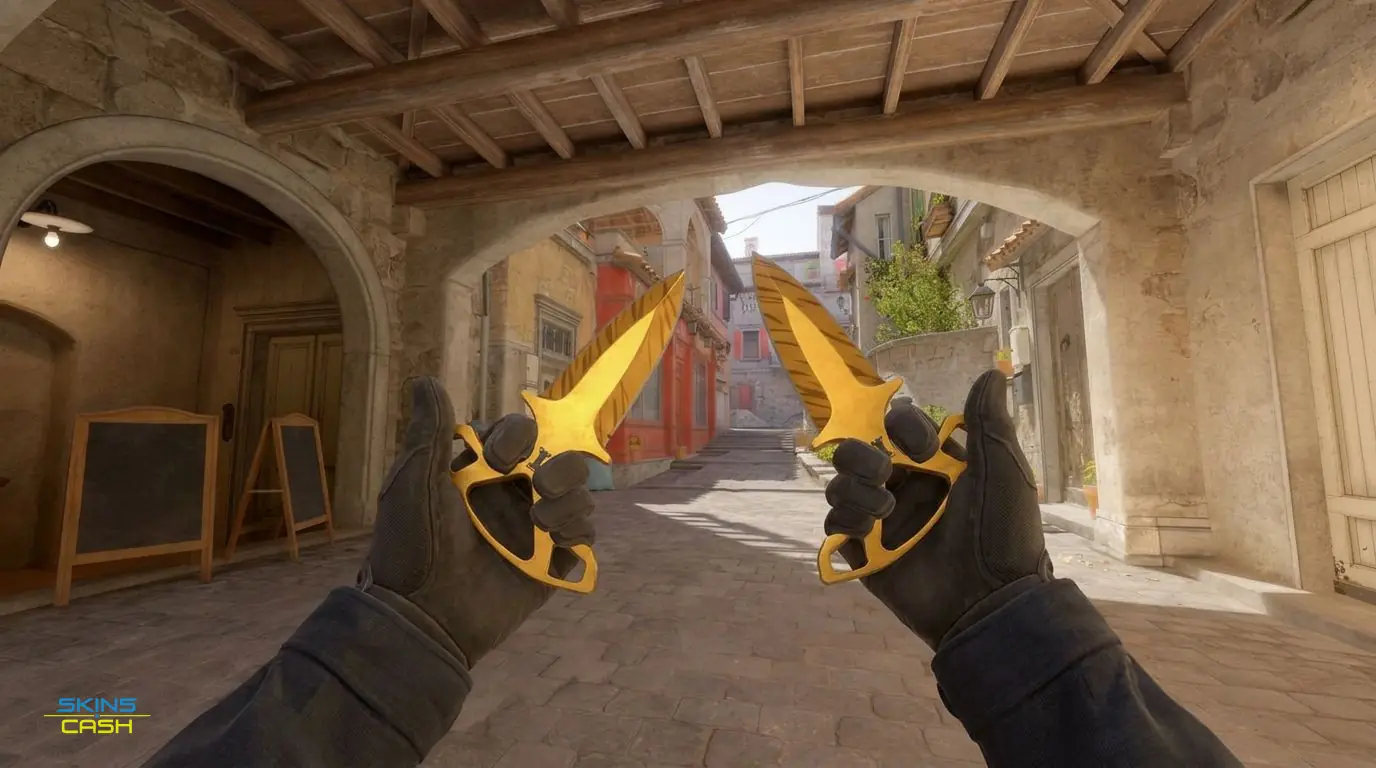
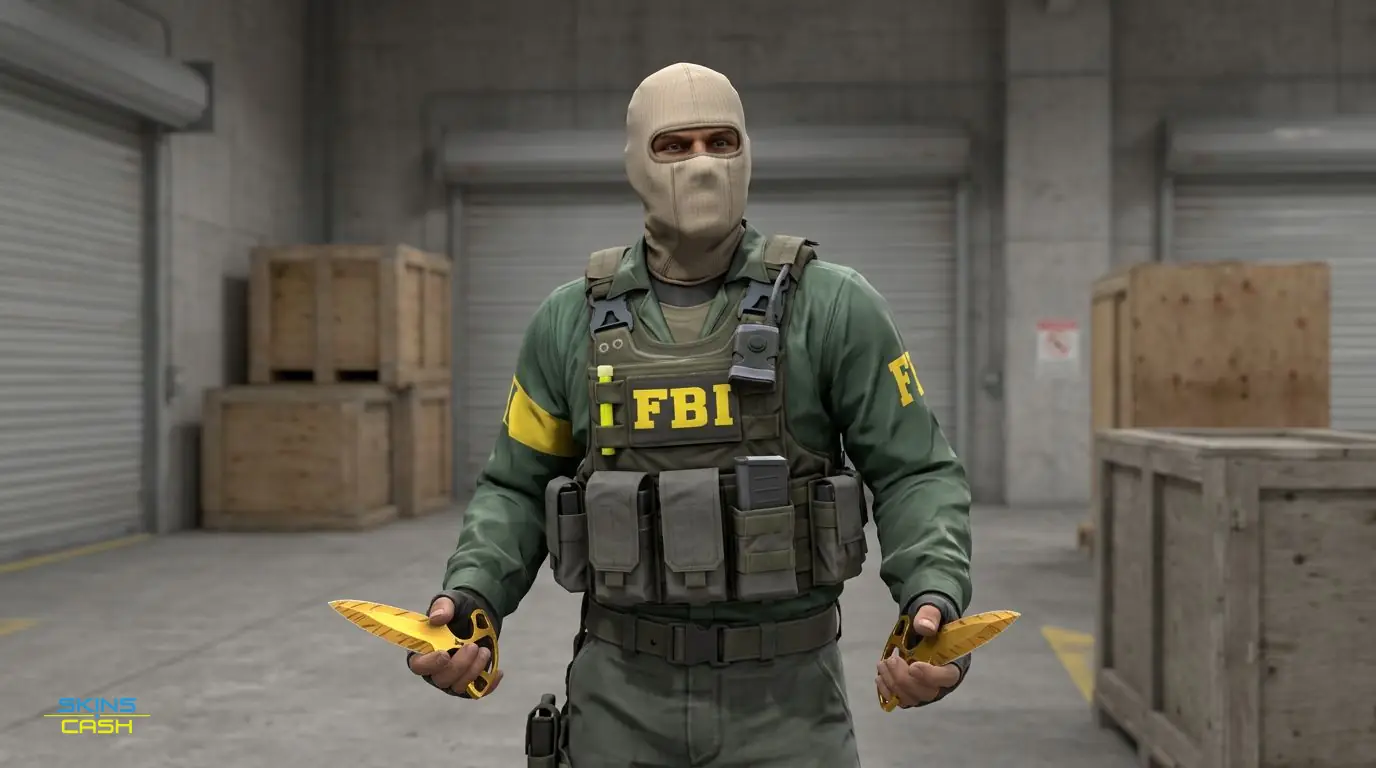
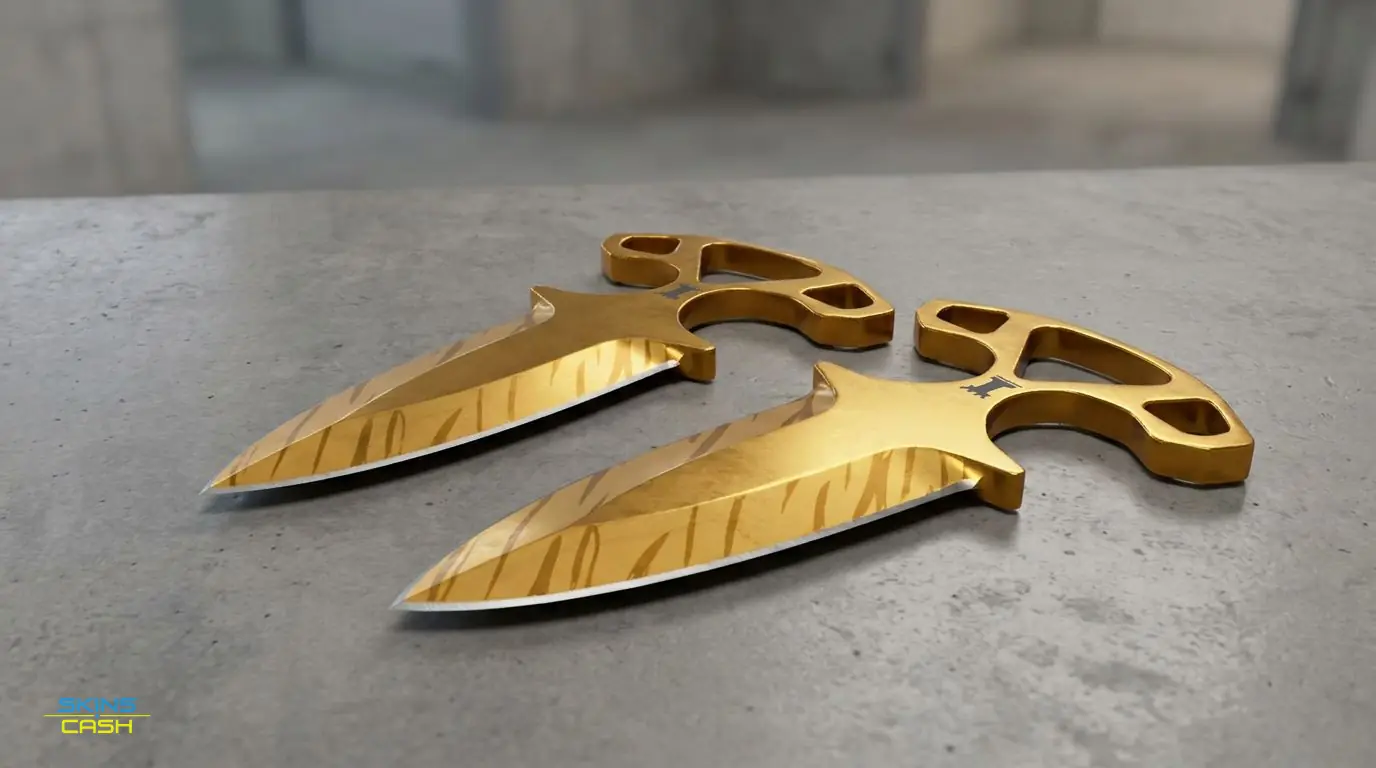
Sits squarely in the mid bracket with mainstream appeal rather than grail scarcity; buyers are plentiful enough that listings move, but you do not get the deep bids premium that rarer covert knives sometimes command. For a seller that means reasonable liquidity but tight returns: you can turn inventory without a long wait, but expect buyers to be selective about float and stattrak status.
The ladder shows a capped profile with a pronounced jump at the clean end and a gentle compression lower down; price climbs steeply into the best floats then levels off. That top tier captures most of the upside while the remainder forms a much flatter band.
Mid-clean to mid-range wear gives the most skin-for-money before the premium kicks in for the ultra-clean daggers; those near-clean copies stop rewarding incremental float improvements. If you want churn over chasing top money, aim for the part of the ladder where visual appeal and price line up best.
Worn copies sit in a narrow payout band, so small differences in wear down there barely move the price. Holding a worn Shadow Daggers Tiger Tooth is not a liquidity handicap; they trade like a cluster rather than a spectrum, making sell decisions simpler for lower-wear sellers.
Because the finish does not span the full float spectrum the bottom wears feel cleaner than on other finishes, and the tail behaves differently from an open-range knife. That cap compresses visual variance and limits the pool of truly rough copies, which stabilizes the lower ladder behavior.
Pattern play does not factor into pricing here, so you do not need to hunt seed variations or special looks. Float and stattrak status cover the meaningful price drivers; skip the seed checks unless you like extra work for no reward.
Covert rarity props up the floor even on worn examples, keeping the low end respectable compared with lower-tier blades. That rarity support makes it easier to clear inventory without steep markdowns when market appetite wanes.
Coming from the Spectrum Case ties its supply to a mainstream container rather than an exotic drop pool, which keeps entry copies available on the market. Expect supply flows to follow general case activity rather than pro-only pushes.
Yellow pops through the anodized multicolored finish in-game, giving a bright, aggressive read on the blade that shows at range and in skirmishes. The palette sits clean on most maps and the finish style preserves that vivid tone even once float moves away from pristine.
This skin has shown a wide historic band between its lows and highs, so valuations can swing depending on market mood and case rotation. Current pricing sits somewhere inside that broad range rather than at an edge.
Traders often miss the stattrak premium and treat all copies as the same; conflating stattrak and regular will cost you. Another mistake is ignoring the capped float behavior-price moves driven by float are concentrated at the top, so list with float and stattrak clearly visible.
Named pros like Hyper, Zeus, and rallen have carried this pattern into view, keeping attention steady among viewers and collectors. That recurring visibility nudges demand upward when those players are hot, but it does not create constant spikes on its own.