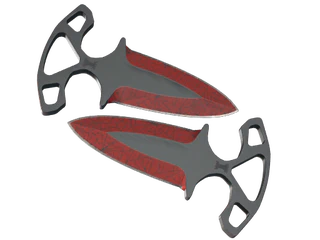
Mid-tier demand, weak floor and a clear premium for the clean, factory-style copies. The market has been drifting down in the short window while the long view shows steeper weakness; sellers need to treat the clean end as the only place where real bids cluster.
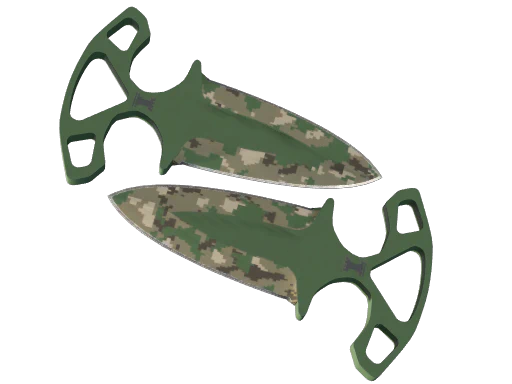
Mid-tier demand, weak floor and a clear premium for the clean, factory-style copies. The market has been drifting down in the short window while the long view shows steeper weakness; sellers need to treat the clean end as the only place where real bids cluster.
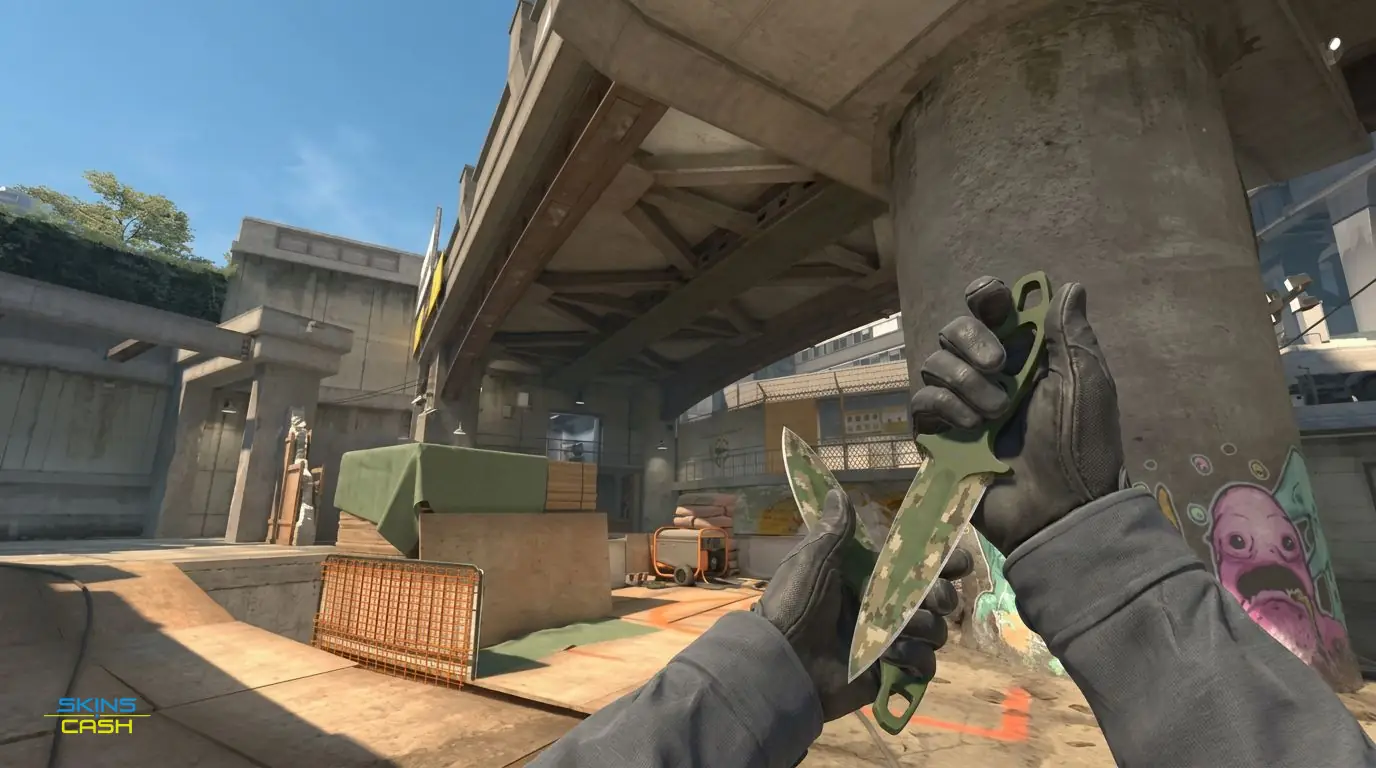
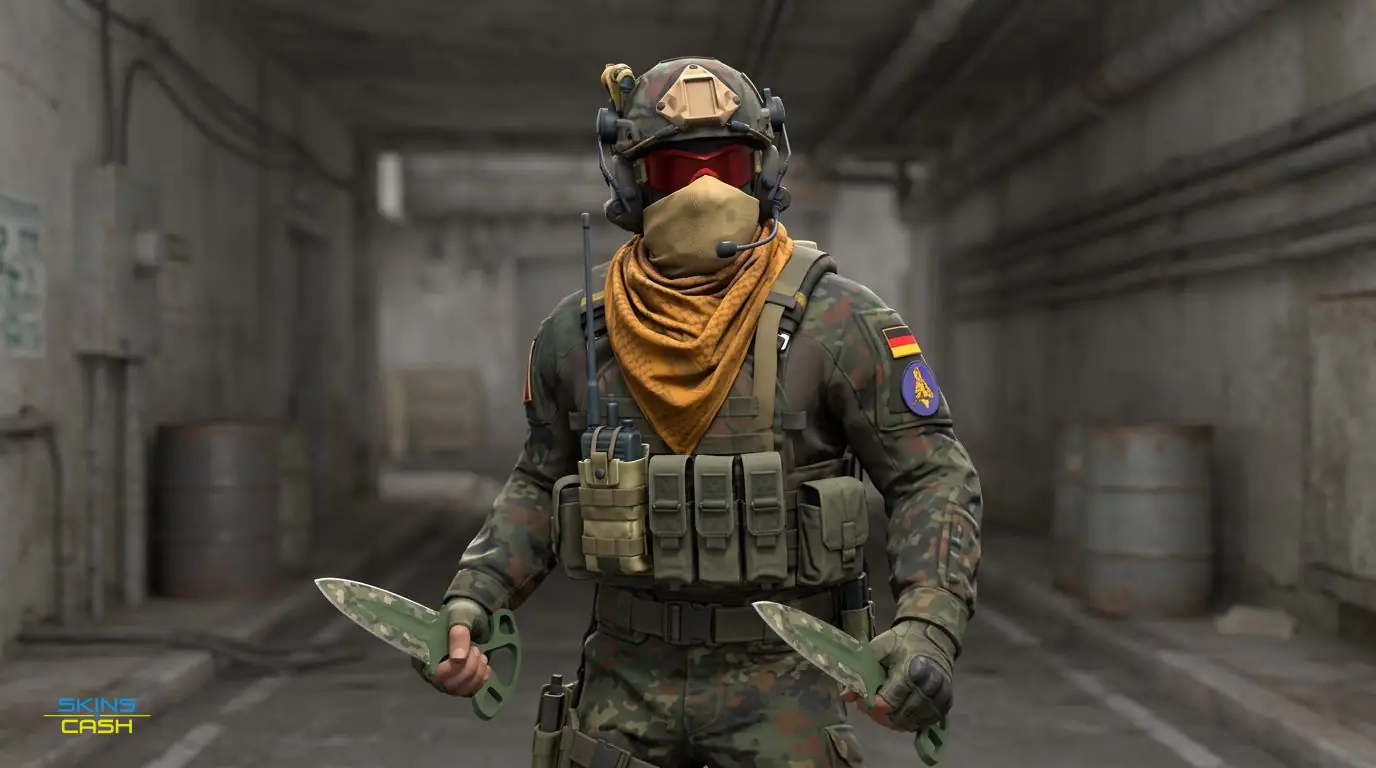
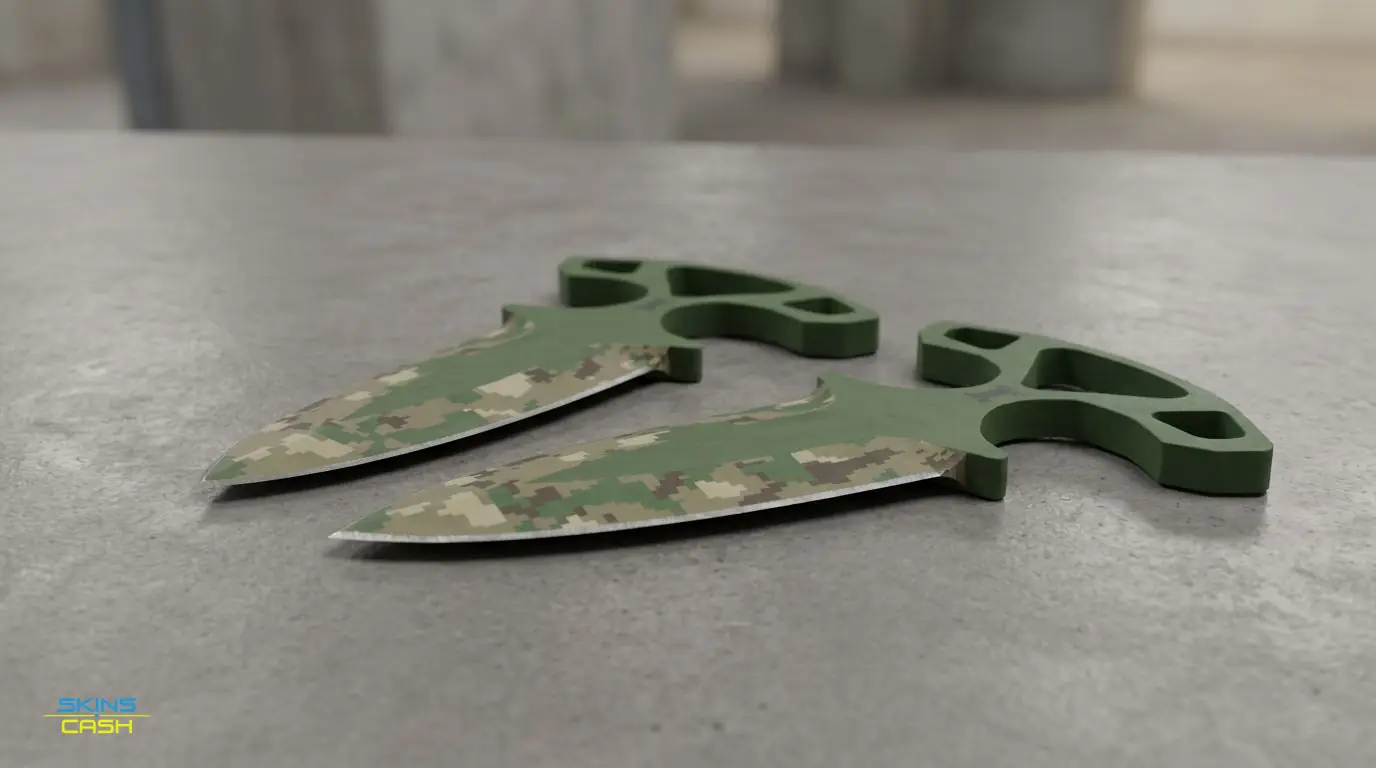
This sits in the mid bracket among knives: not a grail and not a budget chase, it trades with steady interest but a soft base. For a seller that means you can move the right copy without heroic patience, but ordinary worn examples rarely excite buyers.
The ladder stacks toward the clean end with a capped top that keeps the very worst wears from ever being extreme; the payout curve is steeper near the clean copies and flattens into a compressed tail at the bottom. Expect the bulk of value to concentrate before the top wear break, where premium buyers live.
Listing stickers and final cash out for this dagger often diverge because buyers bid cautiously against the weak floor and the Stattrak inversion; sellers should price with the net gap in mind since take-home is commonly below posted asks. The spread widens most around the cleaner rung where real demand meets selective supply.
Lower wears sit close together and trade in a tight band, so small float differences down there hardly move the bid. Holding a worn copy rarely penalizes you much - it simply sells with the rest of the compressed tail rather than standing out.
This Hydrographic finish lives on a capped float profile, so the worst copies are cleaner than typical knife extremes and the bottom behaves more like a mid wear than a true busted piece. The practical effect is fewer dramatic bargains on the low side and a narrower spread of condition among available knives.
There is no pattern index premium to chase here; visual variation from seed does not drive price, so the market reads only float and variant. That removes a layer of noise and makes pricing simpler when comparing listings.
Being Covert gives the skin a built-in support that underpins bids even on worn copies, making the low end sturdier than a non-rare equivalent. Even with a weak floor label, the rarity keeps the worn tail from collapsing entirely.
It drops from the Shadow Case, and that origin keeps new supply modest compared with more ubiquitous cases. Supply cadence matters for the cleaner copies especially, where case availability feeds selective buyer activity.
Green dominates the dagger's palette and the Hydrographic finish gives a muted, tactical read in-game - it stays visible without screaming. Designed by Valve, the finish sits well on the model and appeals to buyers wanting a subtle blade rather than a flash piece.
The short-window trend is drifting downward, while the longer window shows a steeper descent. That combination tells you selling into strength is rarer; patience on the clean end pays more than pushing worn pieces.
Typical errors are treating the listing sticker as take-home and ignoring the Stattrak inversion and float cap when valuing a piece. Avoid those by confirming variant, float profile, and the live spread before committing a listing.
The community treats this as a mainstream mid-tier knife: acknowledged design, practical palette, not a headline grabber. That steady, ordinary sentiment keeps demand predictable but never explosive.