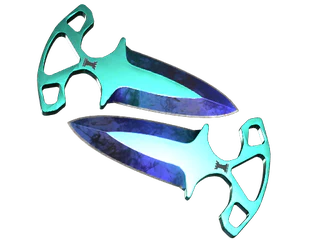
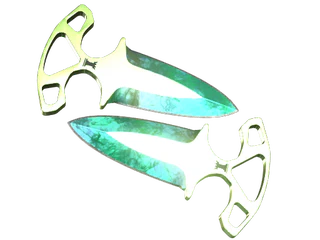
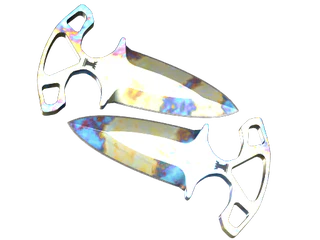
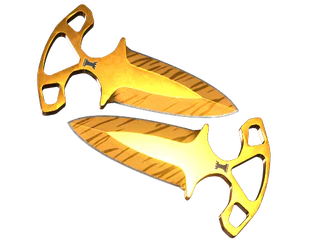
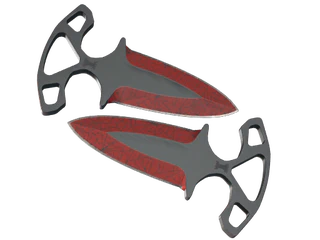
Mid-tier demand for these Shadow Daggers sits on a mainstream profile: steady interest from collectors and players but not frantic. Clean StatTrak copies and the capped float profile carry the real optionality; sellers should watch StatTrak dynamics and the tighter low-end band before they pull the trigger.
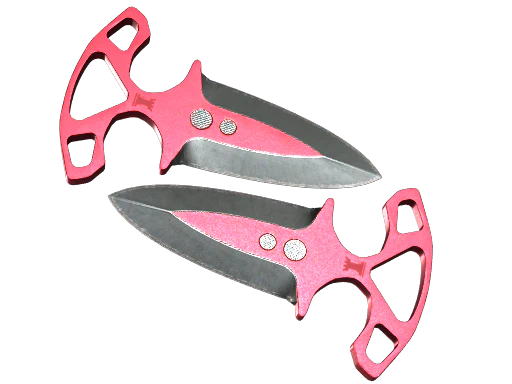
Mid-tier demand for these Shadow Daggers sits on a mainstream profile: steady interest from collectors and players but not frantic. Clean StatTrak copies and the capped float profile carry the real optionality; sellers should watch StatTrak dynamics and the tighter low-end band before they pull the trigger.
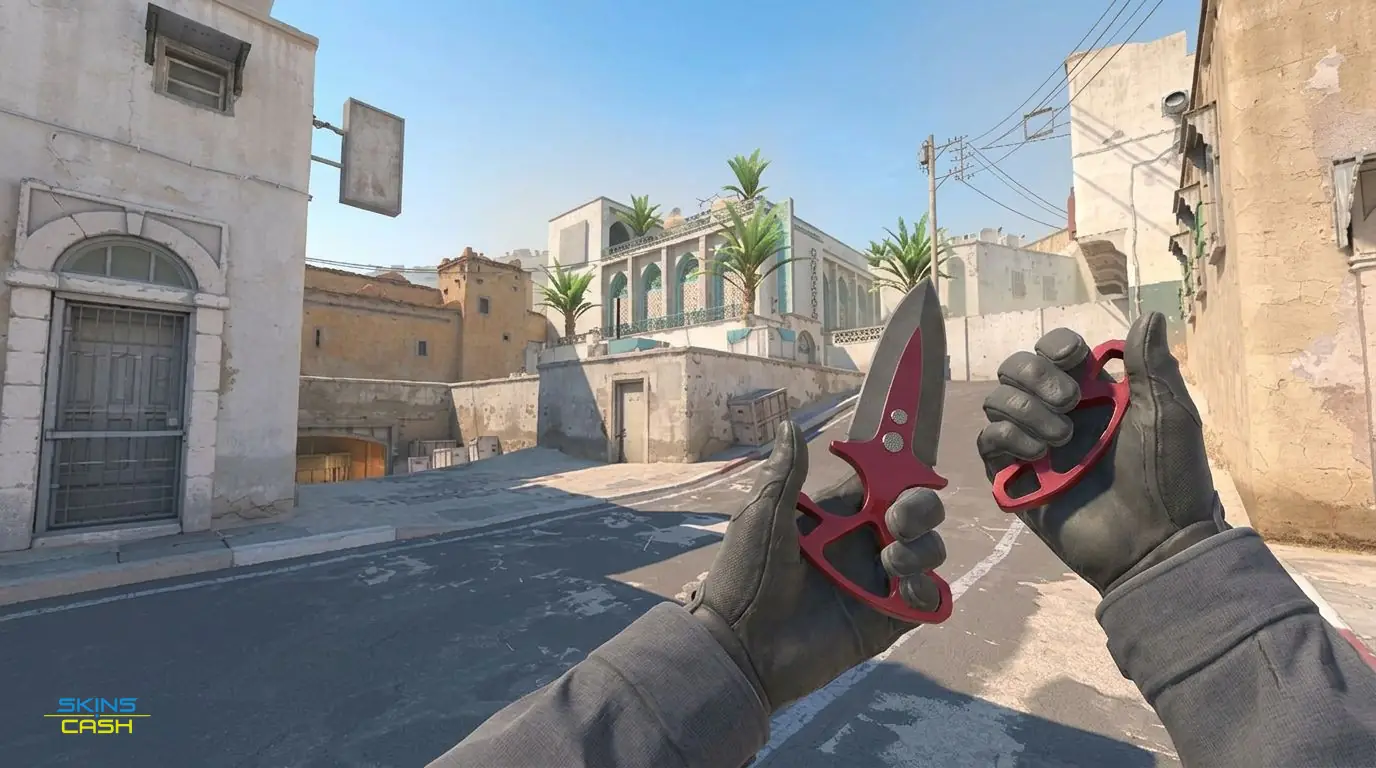
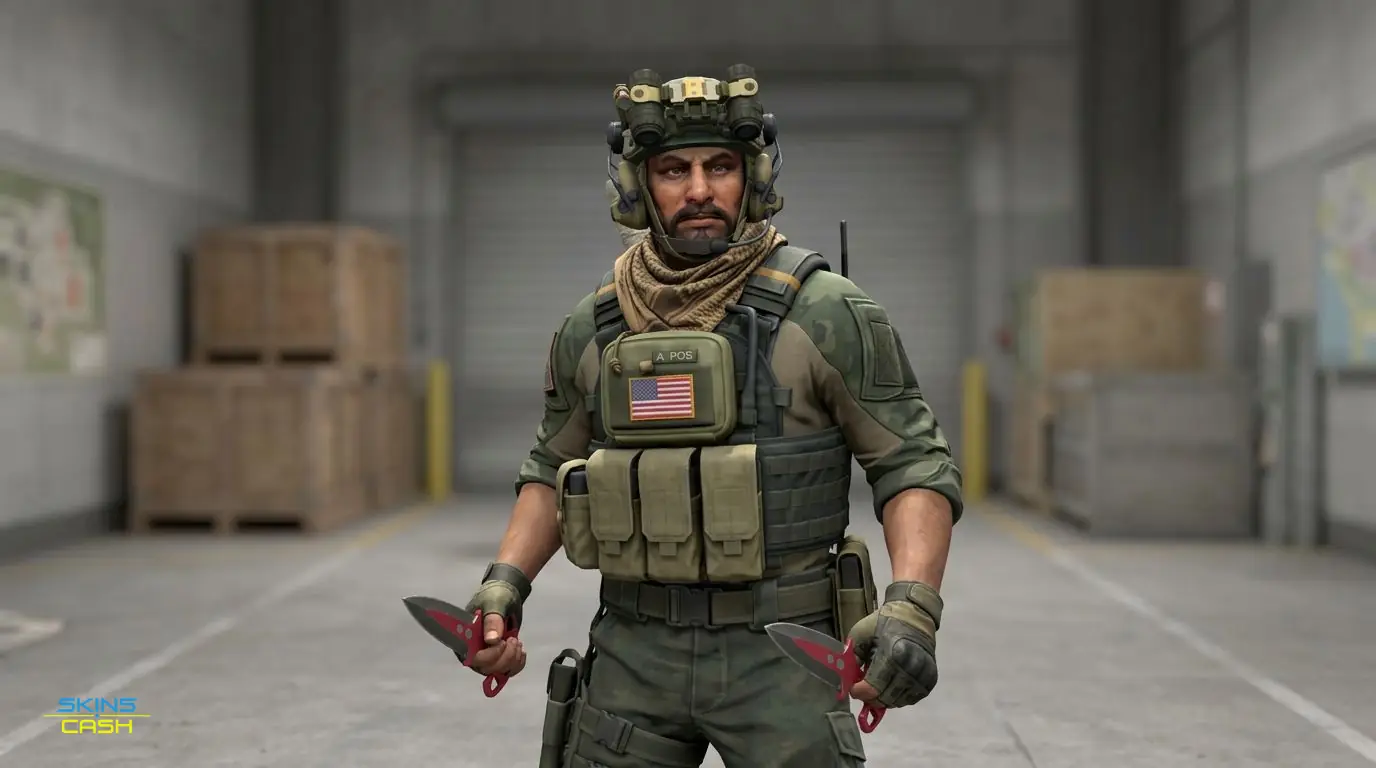
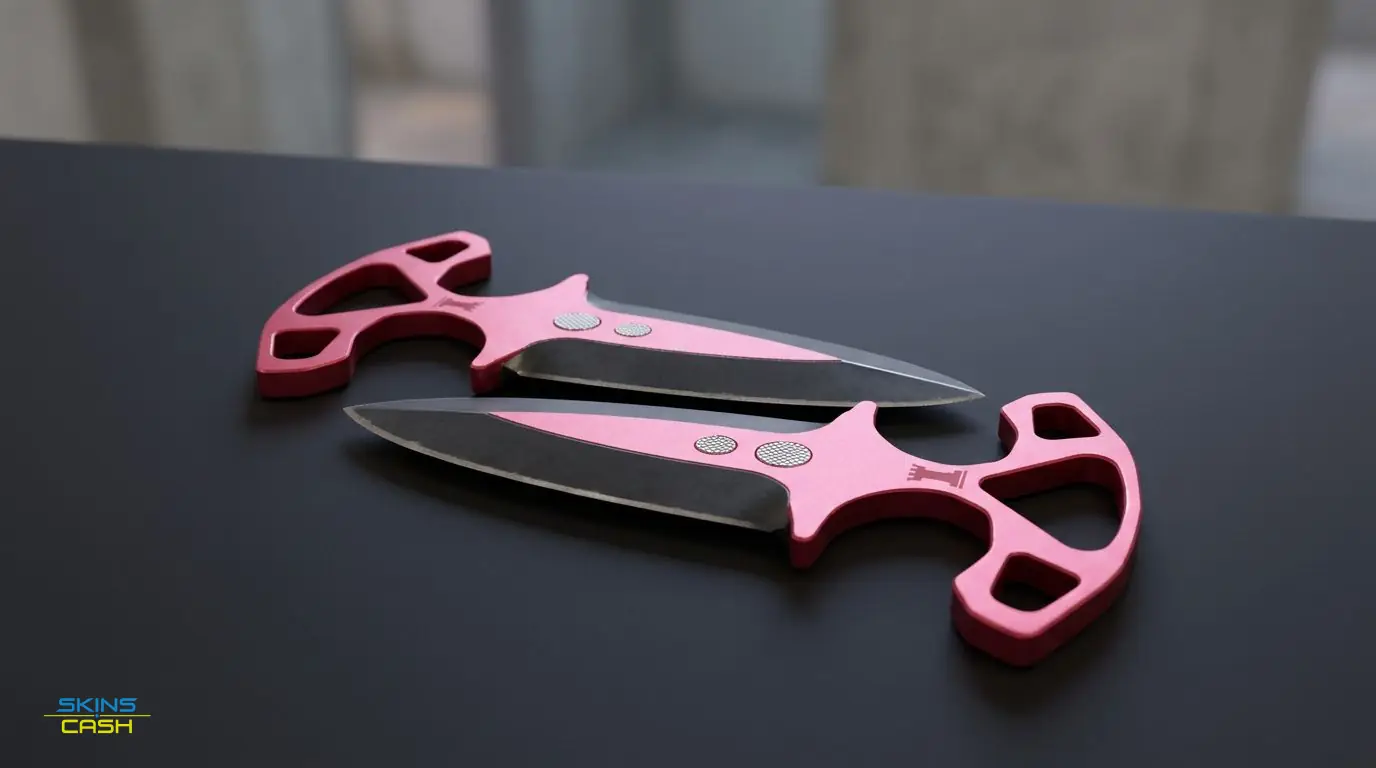
This sits squarely in the mid bracket among knives: desirable but not grail-level scarce. That means appetite is steady from buyers who want the look without chasing extreme premiums, so sellers can expect occasional quick trades rather than constant attention from spec collectors.
The payout curve leans toward the clean end with a capped float profile that limits bottom-out values; premiums climb toward the best faces rather than drifting smoothly. Expect a sharper separation near the top of the ladder while lower wears form a tighter cluster.
Worn copies live in a narrow payout band thanks to the compressed lower-tier spread, so float movement down there barely changes the math. For a seller holding a scratched copy, that means liquidity is predictable but there's little reward to holding for marginal repair of wear.
The gap between listed asks and what you actually walk away with widens when you factor fees, payout take, and the mid-tier market posture. Listings often show optimistic stickers; as a seller, price your net expectations lower than the visible ask and account for slower fills on discounted offers.
The Gunsmith finish keeps the pattern readable as wear increases, but buyers still prize clean faces for the Autotronic details. Clean blades read much sharper in-game, and buyers will pay extra for that clarity while worn examples trade with muted interest.
StatTrak copies invert the usual ladder here: a dirtier StatTrak can out-price a cleaner non-StatTrak and sometimes a cleaner StatTrak too, because collectors prize the counter above marginal float gains. Watch the StatTrak listings closely; a seller with a mid-wear StatTrak often gets offers that beat cleaner non-StatTrak asks.
Covert rarity underpins the floor even when the market softens, so worn units keep a base of value that budget tiers lack. That structural support keeps bottom-end listings from collapsing entirely during the down hard trend.
Red and gray read aggressive but work in-match: the red accents pop off the gray gunsmith backdrop and the Autotronic motifs stay visible through the finish. It favors players who want a bold silhouette rather than subtle tone swaps.
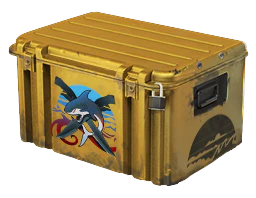
The Operation Riptide Case is the origin, which feeds the supply cadence and ties availability to that container's circulation. That case pedigree helps explain periodic inflows that pressure the top and mid rungs differently.
The historical range for this knife has been massive, with wide swings between peak interest and troughs. Current position sits well below the highs from the last peak and closer to the lower side of the long band thanks to recent downtrends.
Buyers should be surgical on asks: pick StatTrak when the spread favors it, otherwise aim for the clean end of the capped float profile without overpaying for marginal float improvements. Patience pays; the mid-tier market moves in phases and you want to buy into weakness, not chase spikes.
The community respects the Autotronic look and the Valve designer pedigree, which keeps demand stable among mainstream players and some collectors. Sentiment isn't feverish, but it's constructive enough that good copies clear when priced realistically.