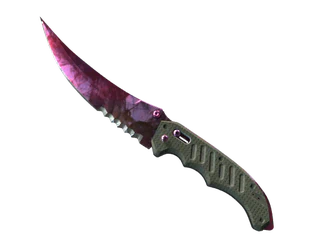
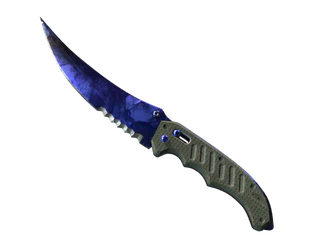
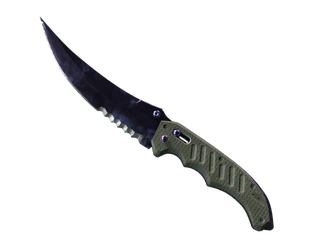
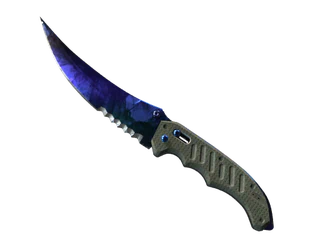
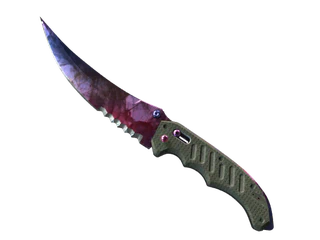
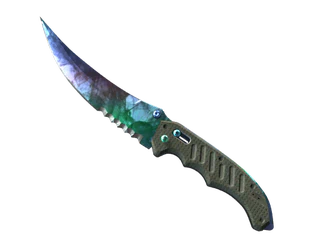
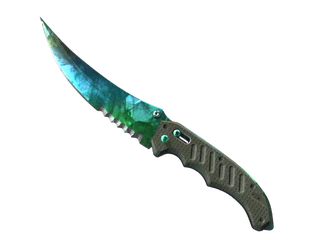
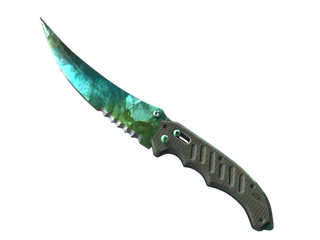
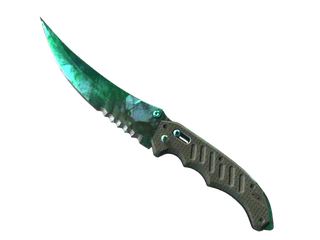
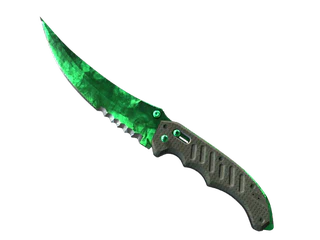
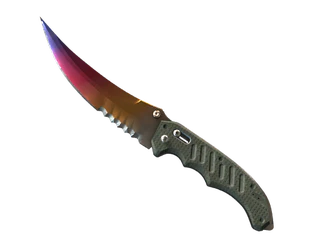
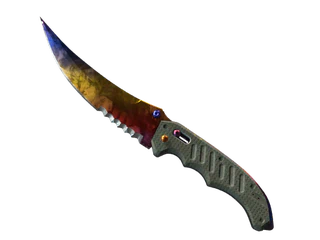
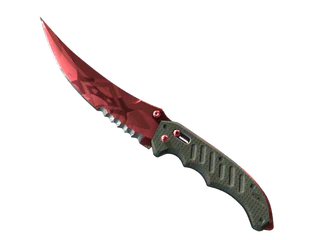
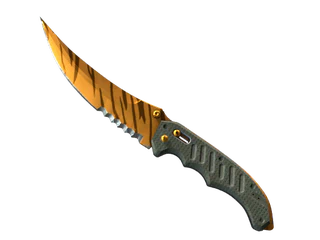
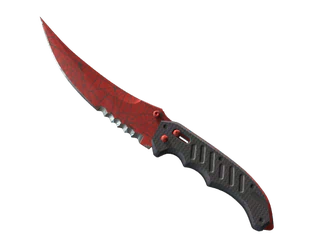
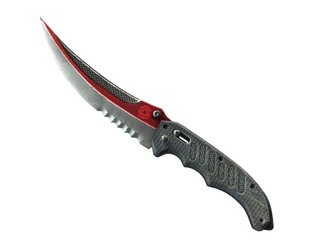
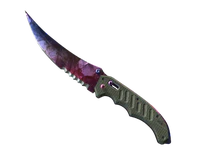
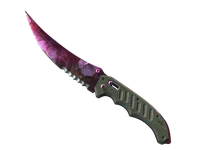
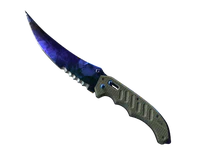
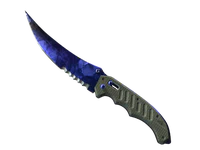
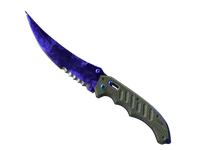
The Flip Knife | Doppler Sapphire reads like a mainstream Covert with a capped float profile that concentrates value at the cleaner edge. Traders price it by float and phase more than by stickers or StatTrak gimmicks, so the single-line market is straightforward to read when you watch the ladder and recent drift.
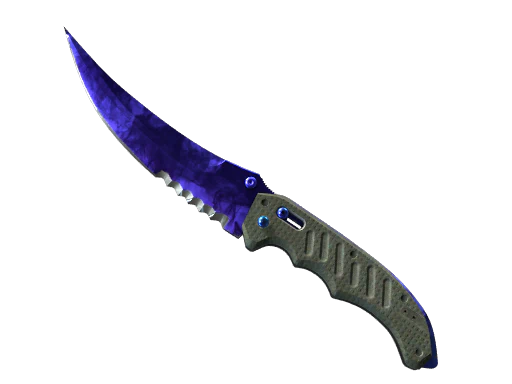
The Flip Knife | Doppler Sapphire reads like a mainstream Covert with a capped float profile that concentrates value at the cleaner edge. Traders price it by float and phase more than by stickers or StatTrak gimmicks, so the single-line market is straightforward to read when you watch the ladder and recent drift.
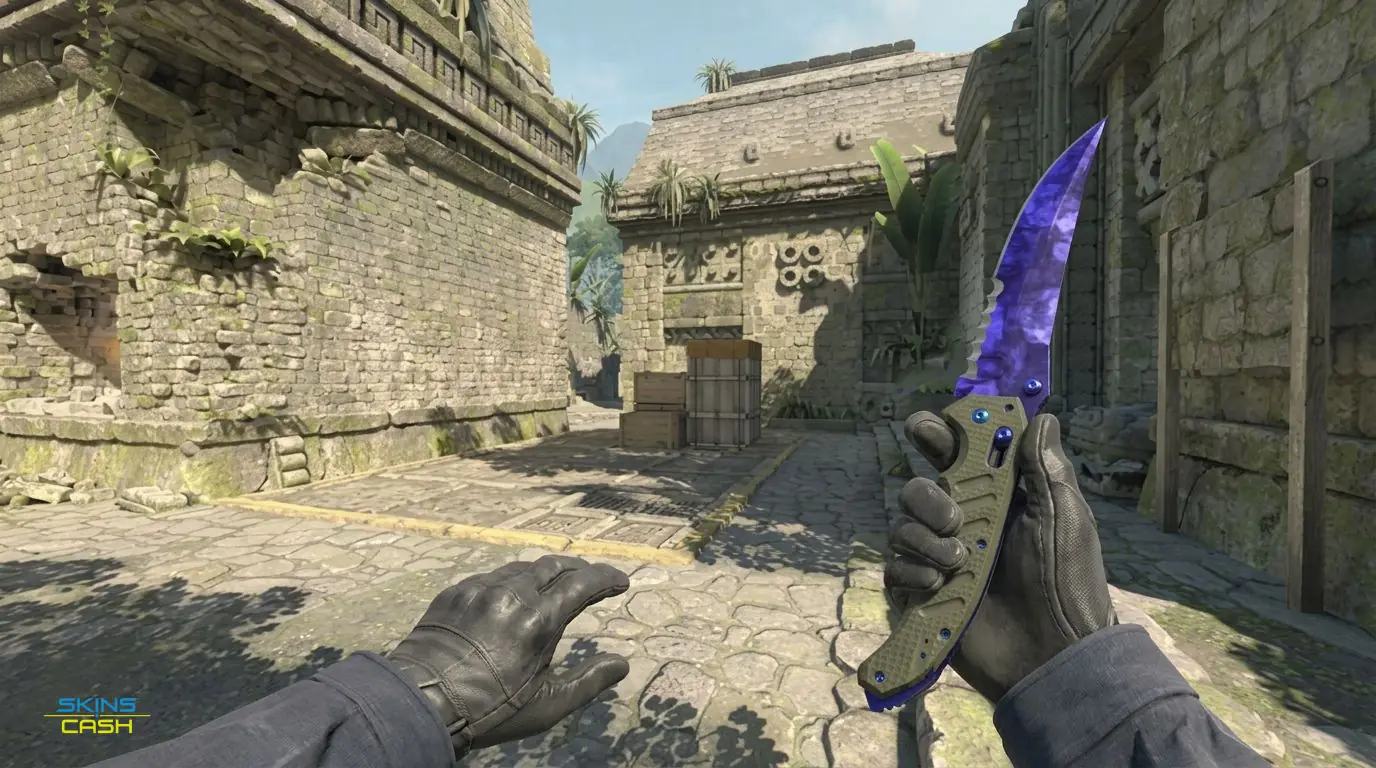
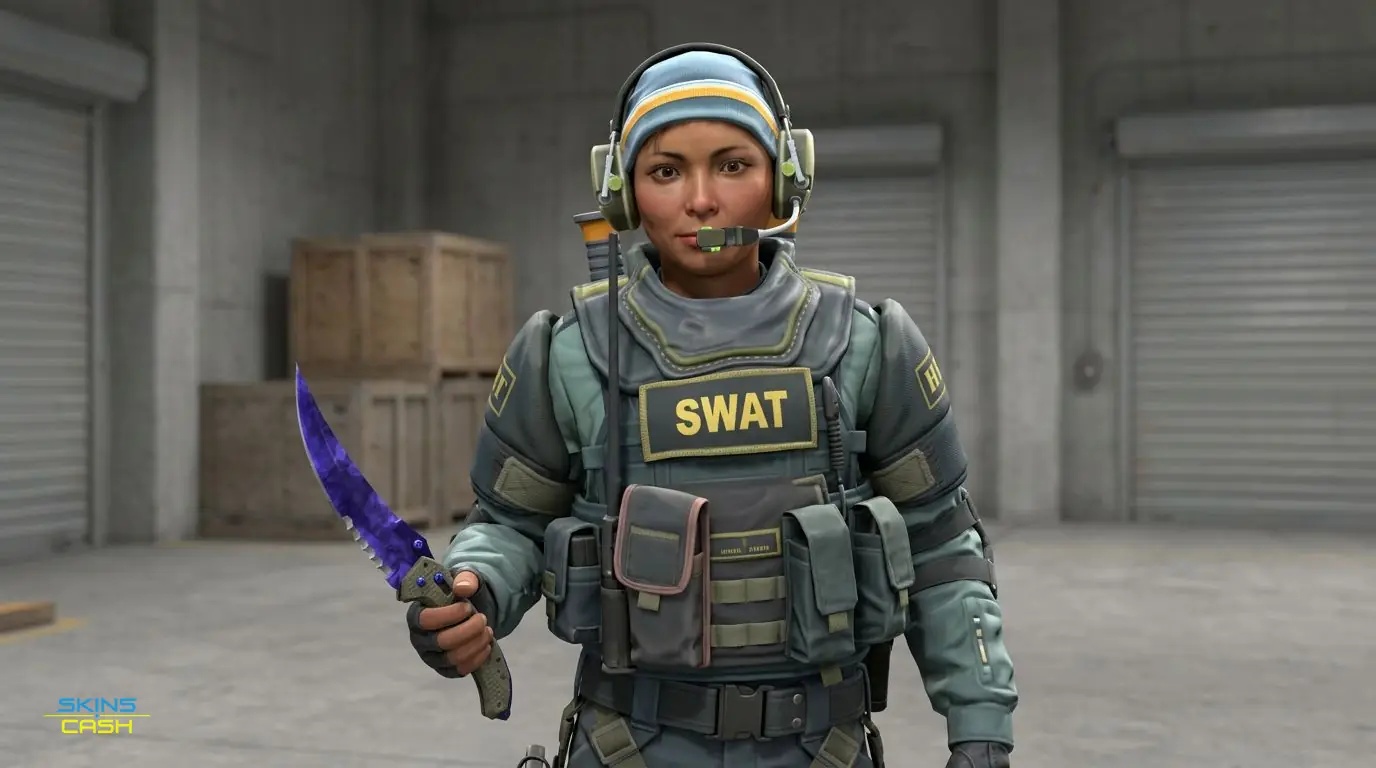
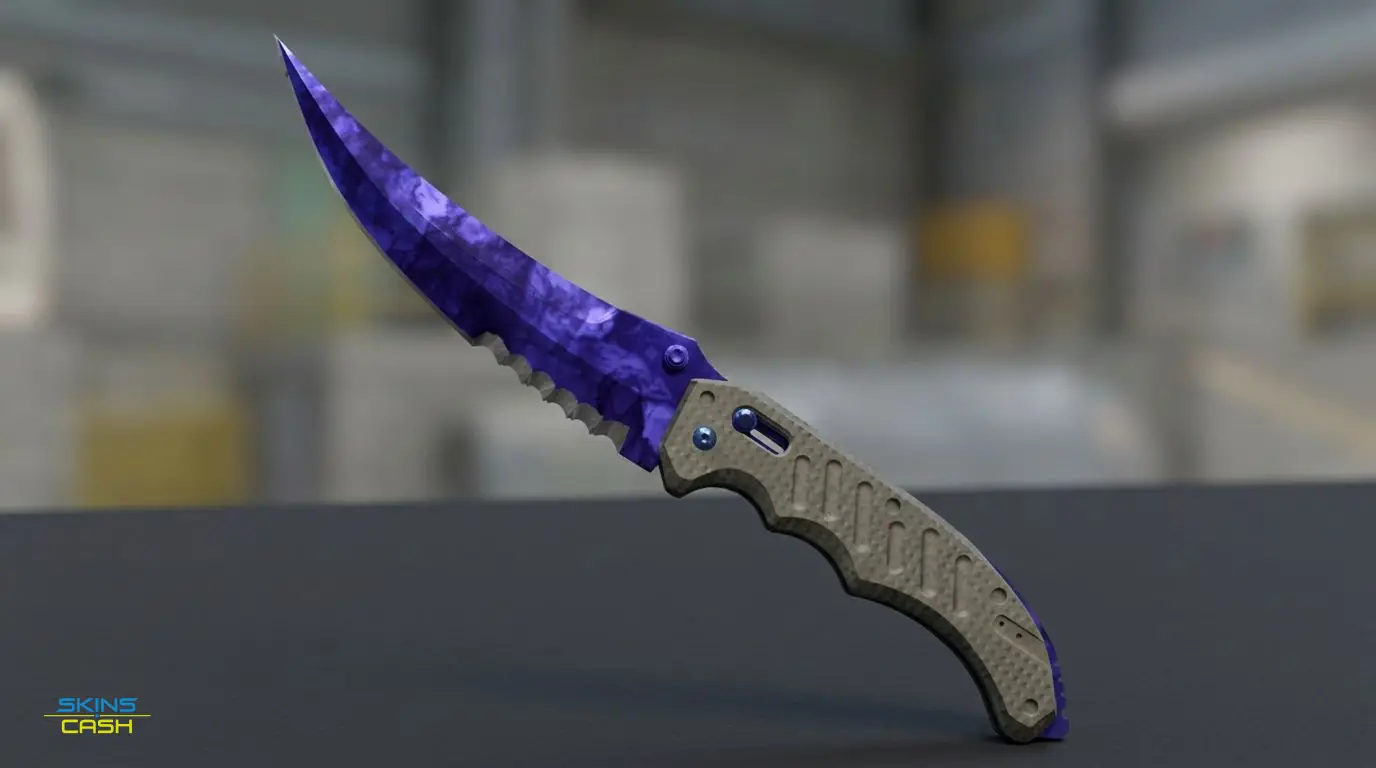
Among other Covert knives this Flip Knife sits where buyers expect dialed-in visual quality and phase-specific interest rather than novelty bells. Its designer and finish give it a familiar cache, so listings behave like a standard mainstream collectible: predictable, reliant on wear and phase detail, not on extras or variant lines.
The ladder shows a clear payout cliff toward the clean end rather than a gentle glide across wears; the cleanest copies command a noticeable uplift while the mid-to-worn steps compress. That shape forces sellers to decide if they chase the top tier or take a flatter paydown through the middle wears.
Ask prices often sit above the realistic cashout a seller will see because buyers peg their listings to the top-of-ladder examples and private offers drift inward. Expect the sticker-to-net gap to reflect how much premium the market assigns to the clean phases versus what liquid buyers will actually pay.
Mid-clean copies deliver the most skin-for-money for buyers who want the Doppler look without the clean-end premium; past that midpoint the incremental benefit of cleaner float thins out. Sellers should note where that taper begins and avoid expecting clean-end premiums on every listing.
Because the finish uses a capped float band, the "worst" copies here still look cleaner than many uncapped knives, and the bottom rung of the ladder behaves differently than a full-range finish. That compression at the low end reduces tail risk but also narrows the room to undercut on worn examples.
Phases matter here: certain Doppler phases swing buyer interest beyond pure float, and a favorable phase can out-earn a marginally cleaner float. Always check the phase/seed before setting price; the phase can be the deciding factor for a premium buyer.
There is no StatTrak or Souvenir split to complicate the market, so pricing is set against one unified line of demand. That simplicity makes it easier to read recent trades and match a fast cashout if you accept the ladder rather than chasing top-of-book bidders.
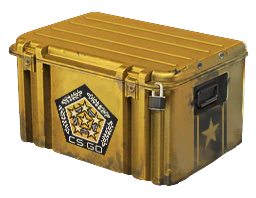
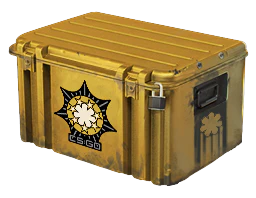
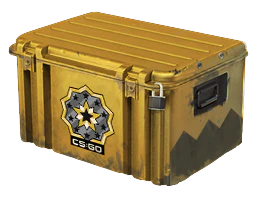
This blade originates from the Chroma Case, so provenance is consistent with long-standing case drops rather than limited-time promotions. Sellers can price with the expectation that buyer recognition ties back to that container background.
Blue dominates the palette, set off by the anodized multicolored finish that gives the Doppler Sapphire its signature mirror sheen. In play the blade reads glossy and cool; the color balance favors blue tones and flashes that stand out on darker maps.
The all-time band for this name is massive, with long swings between the top and the bottom of market memory. Current action sits somewhere inside that wide band, so be prepared for occasional volatility when interest shifts.
The most common errors are pricing to a clean-end fantasy without verifying phase, and treating capped-float worn copies like full-range worn knives. Avoid listing without checking both float and phase, and do not assume worn compression equals deep discounts here.
Named pros like GeT_RiGhT, mou and stavn have been associated with this model, which helps keep it on radars when those players are visible. That recognition doesn't create a constant boost but does provide episodic attention when the scene lights up for the player names involved.