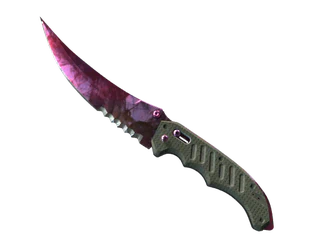
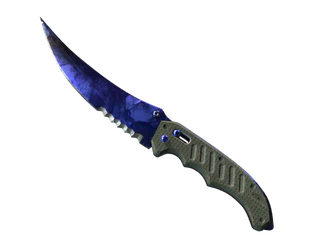
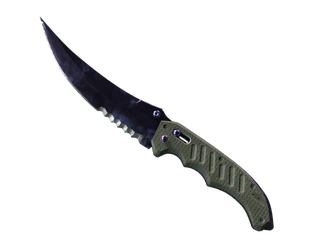
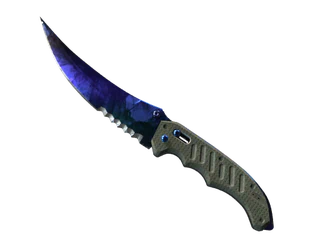
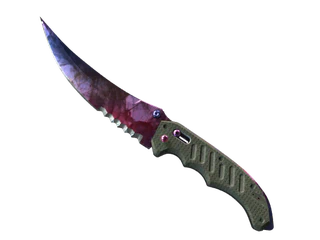
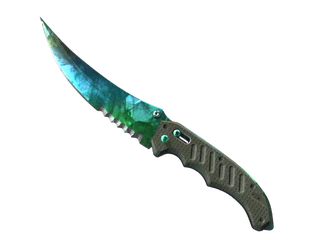
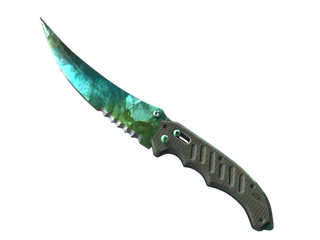
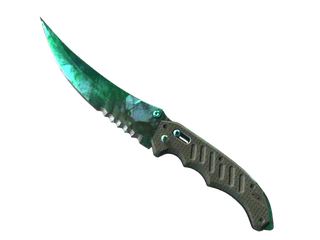
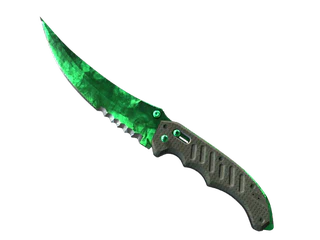
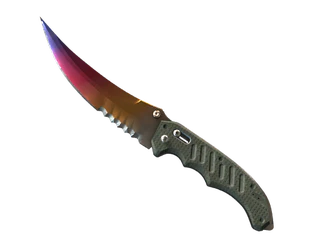
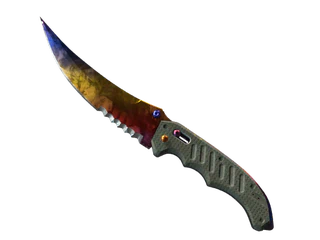
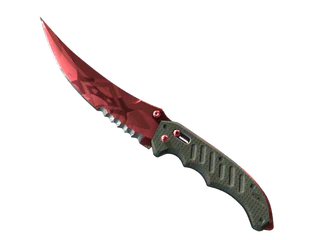
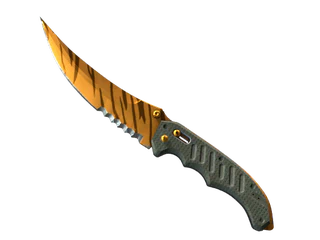
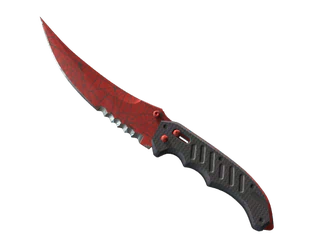
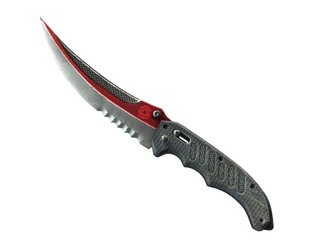
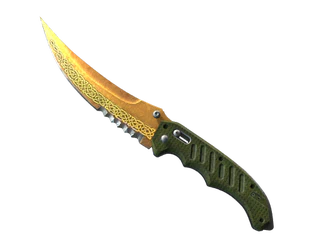
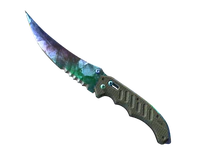
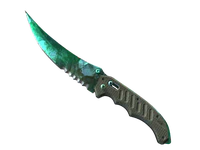
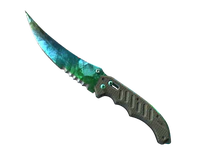
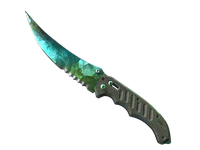
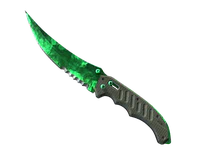
A premium flip knife that sits with the higher-value knives rather than the mid tiers; buyers here are selective and tend to favour cleaner phases. The market is capped at the top end and has a firm floor, so timing and phase selection are what move cashouts more than raw wear alone.
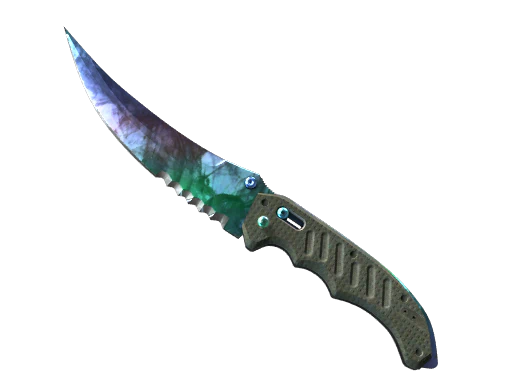
A premium flip knife that sits with the higher-value knives rather than the mid tiers; buyers here are selective and tend to favour cleaner phases. The market is capped at the top end and has a firm floor, so timing and phase selection are what move cashouts more than raw wear alone.
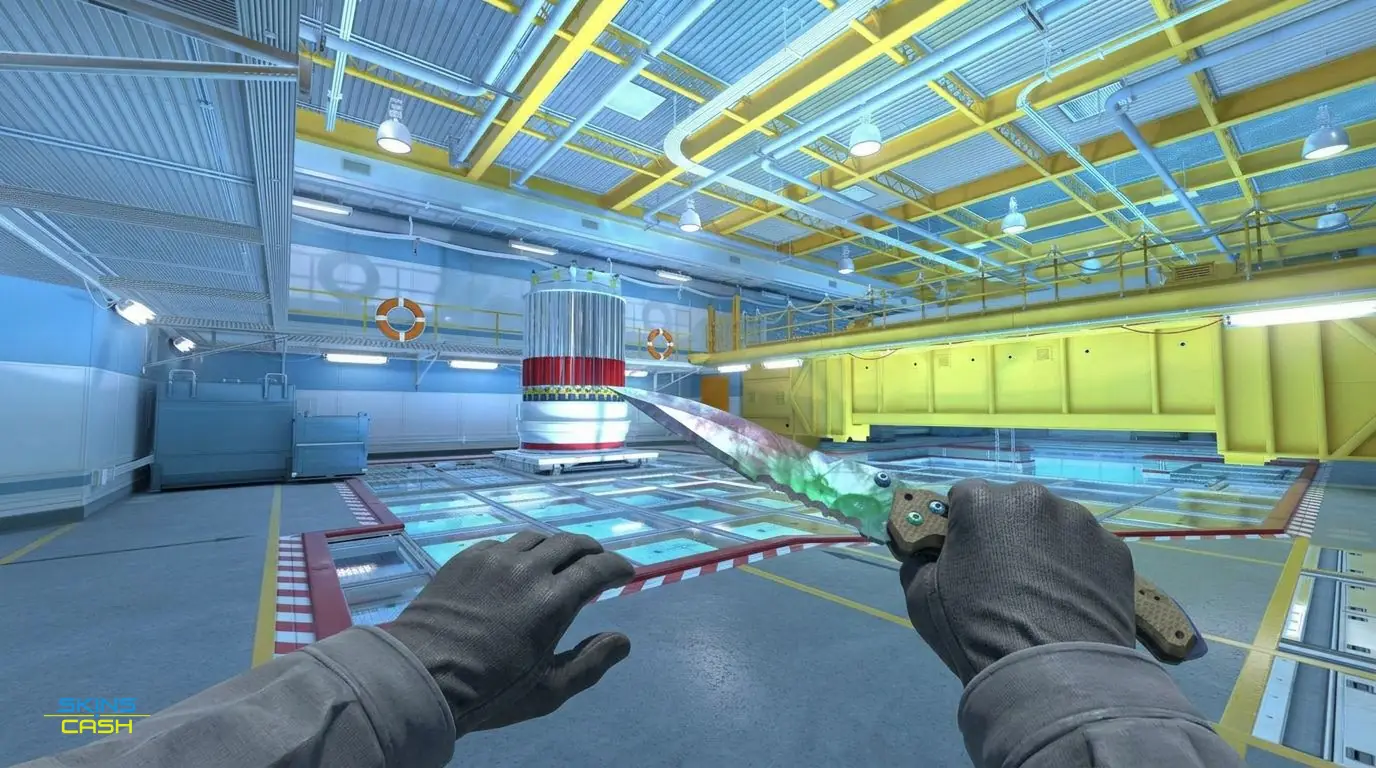
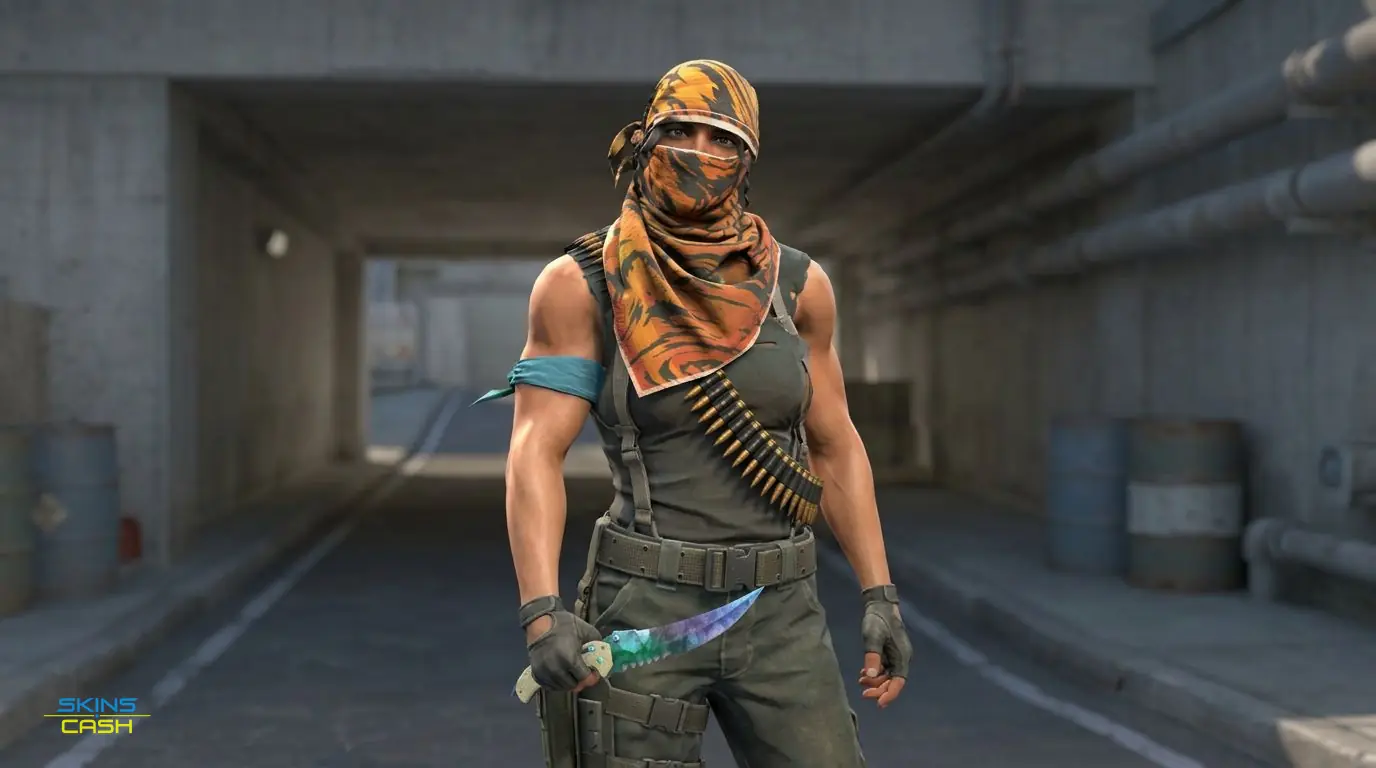
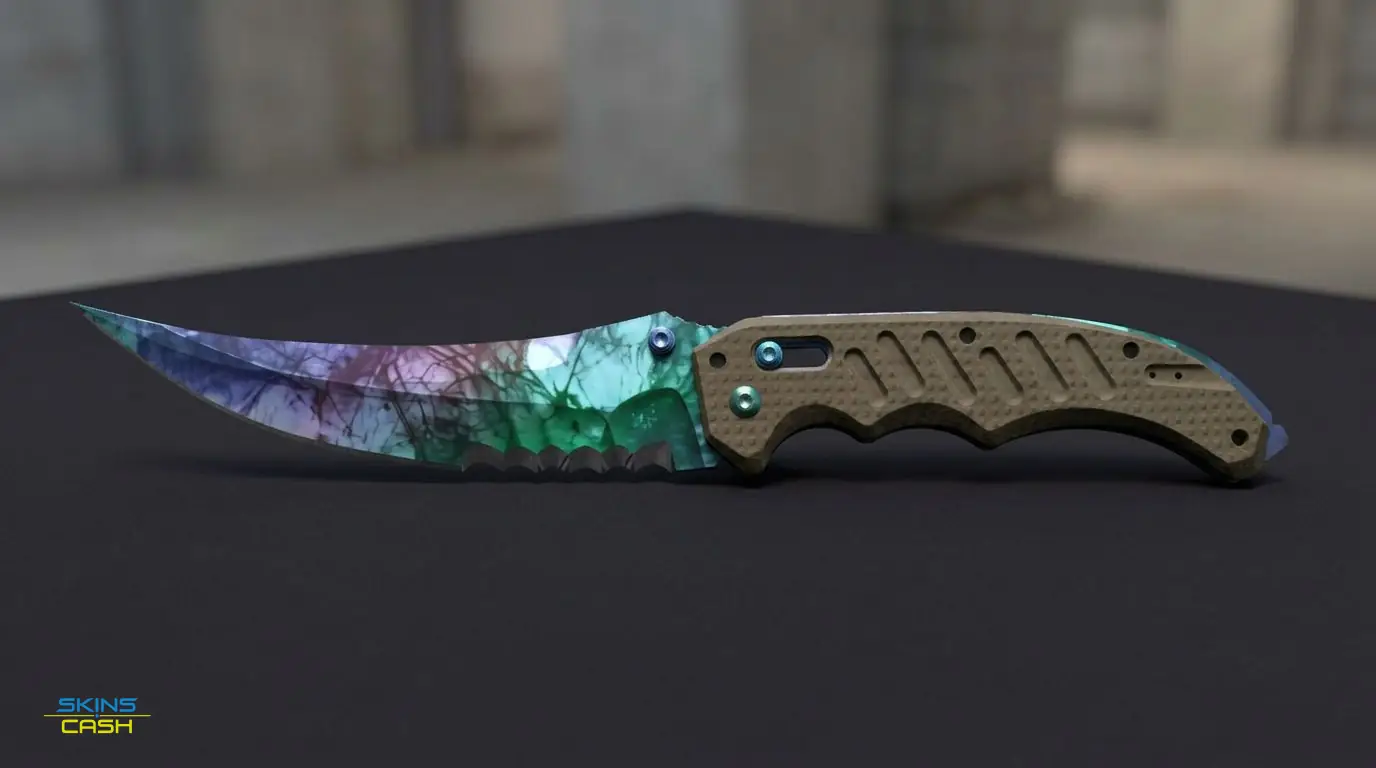
This Flip Knife is in the premium bracket and trades with the higher-value covert knives, meaning listings attract serious, patient buyers rather than impulse clicks. For a seller that translates into fewer but deeper negotiations and a marketplace where clean, desirable copies command attention from collectors and high-end traders.
The payout curve is a steep climb toward the clean end: value piles up quickly as you move into the best phases and lowest apparent wear. Expect most of the incremental movement to happen near the top of the ladder while lower wears shift only modestly.
Ask stickers on market listings are wider than what a seller will actually net because buyers factor in market fees, listing friction, and the rarity premium concentrated at the clean end. You should expect negotiations and cashier adjustments to eat into the headline price before the seller sees a settled cashout.
The worn copies sit close together in payout thanks to a compressed lower-tier spread, so a seller holding a more worn Phase still finds the bottom cluster moves slowly. That makes it practical to sell a worn variant without losing much relative value compared with slightly better-worn copies.
This Gamma Doppler finish does not occupy the full float spectrum, so the worst copies are cleaner than an open-ended finish would allow and the bottom of the ladder behaves tighter. The cap means seed and phase matter more than extreme wear for separating value at the top and stabilizing the bottom.
Phases are the driver here: Phase 1 copies read differently on-screen and certain seeds push a visible, desirable pattern. Always inspect phase and seed first; a sought-after seed inside Phase 1 will outpace a generic copy with the same apparent wear.
StatTrak examples exist and track their own demand curve, drawing a separate subset of buyers focused on user records. StatTrak moves with the same phase sensitivities as non-StatTrak but operates with its own reduced depth of listings and a distinct spread.
This blade originates from the Gamma Case, which feeds the supply pipeline for this finish and constrains how many viable Phase 1 copies enter the market. Case origin keeps allocation steady and means new supply arrives predictably rather than in sudden waves.
The anodized multicolored finish leans blue and cyan, giving the knife a cold, striking presence in hand and on-screen. Valve's designer treatment here emphasizes clean color transitions that read well under varied lighting, so Phase 1 often looks crisp in both inspection and play.
Short term movement has been drifting downward; activity is soft but not collapsing, with top copies still garnering attention. The selling pressure is visible but muted compared with the harsher year-long correction.
The all-time band for this skin is wide, reflecting past swings between speculative demand and retrenchment. Current levels sit well inside that range rather than at an extreme, leaving room for recovery if sentiment turns.
On a premium, phase-driven knife like this, patience often pays: listing into quieter windows can net a better buyer for a clean Phase 1 or a rare seed. If you can wait for a matching buyer who values pattern over speed, your cashout will be richer than forcing an immediate sale.