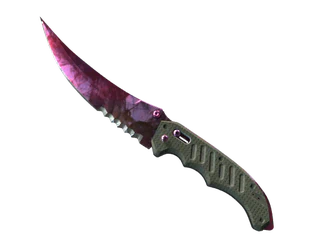
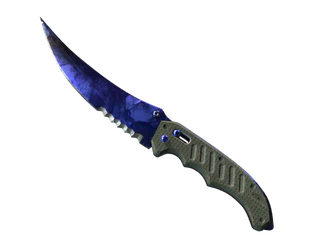
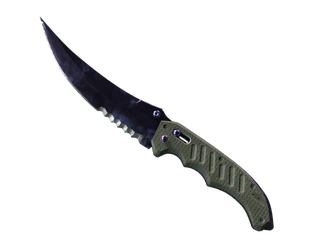
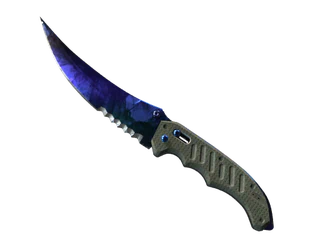
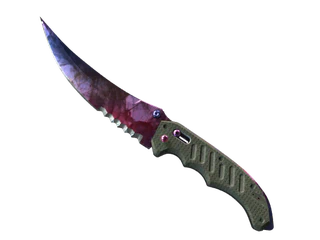
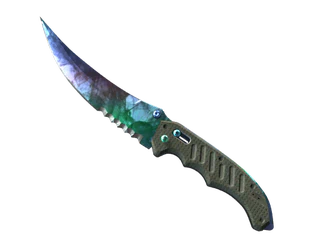
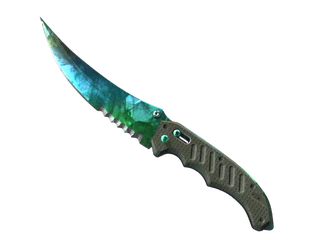
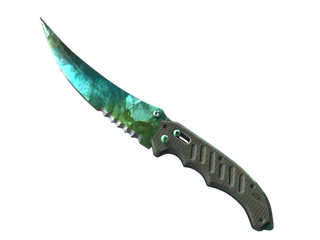
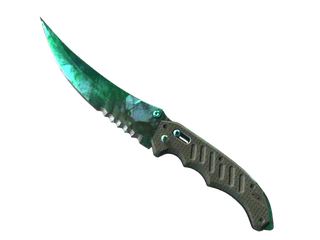
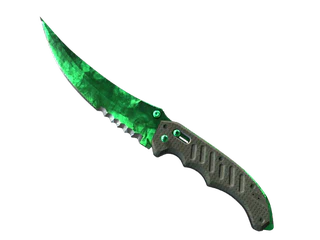
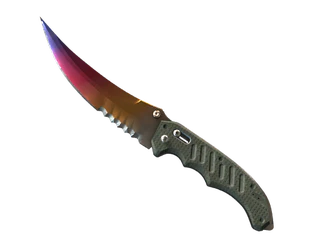
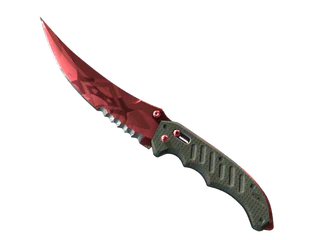
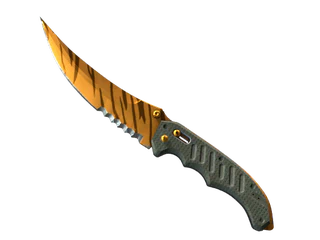
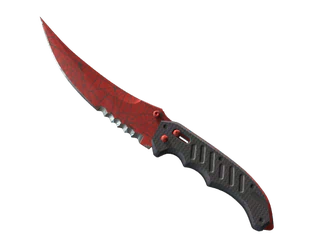
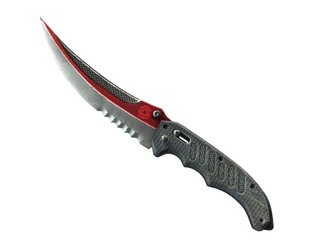
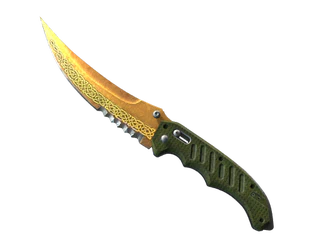
Mid-tier demand meets a capped float profile: the flip knife Marble Fade sits squarely in the middle of the market with a high structural floor and a wide historical band. Sellers should watch the clean-end premium and the phase pattern - those two govern where real bids concentrate.
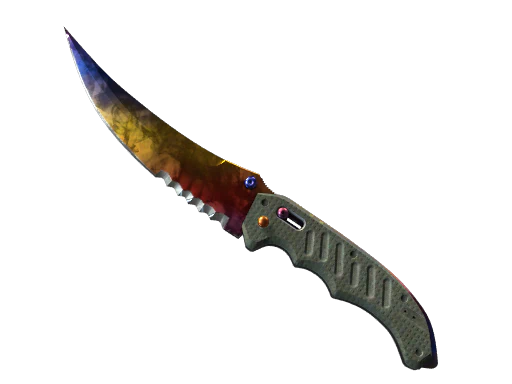
Mid-tier demand meets a capped float profile: the flip knife Marble Fade sits squarely in the middle of the market with a high structural floor and a wide historical band. Sellers should watch the clean-end premium and the phase pattern - those two govern where real bids concentrate.
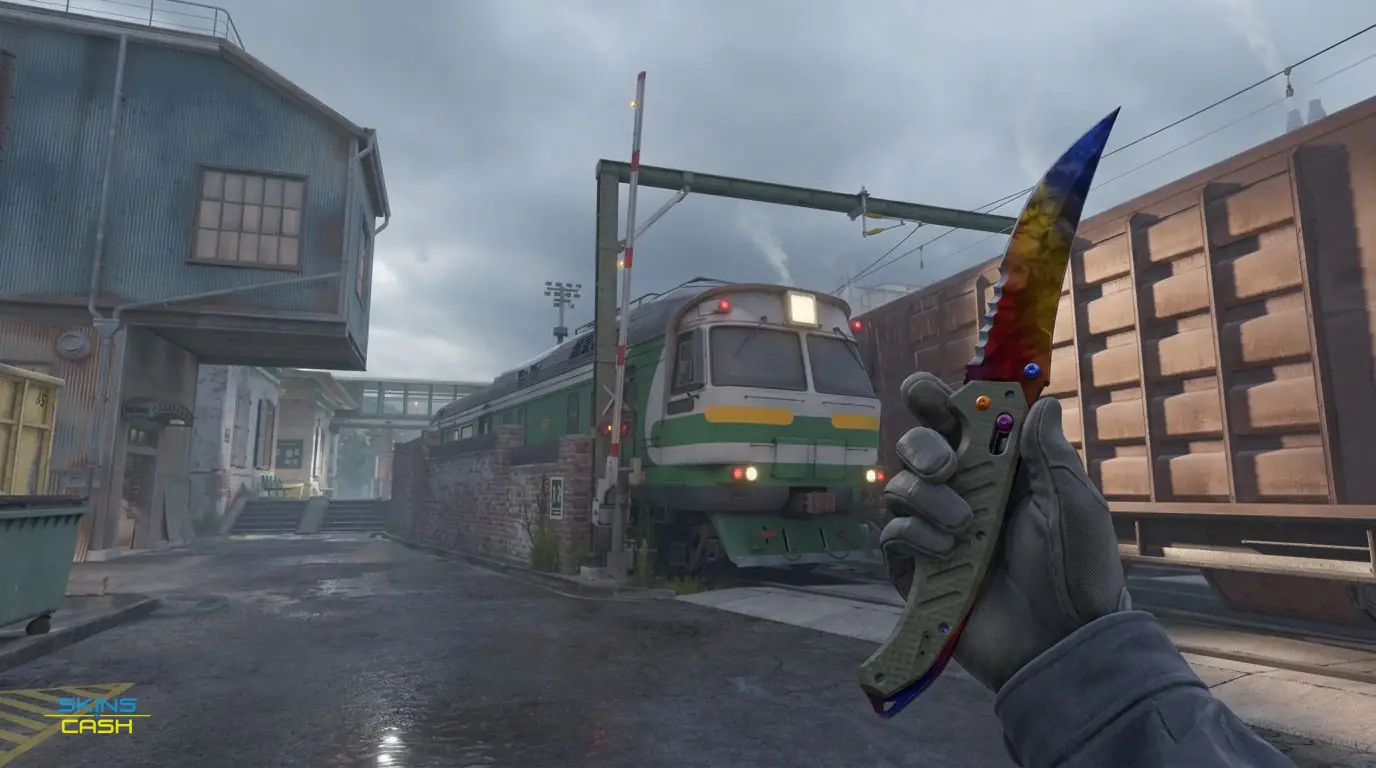

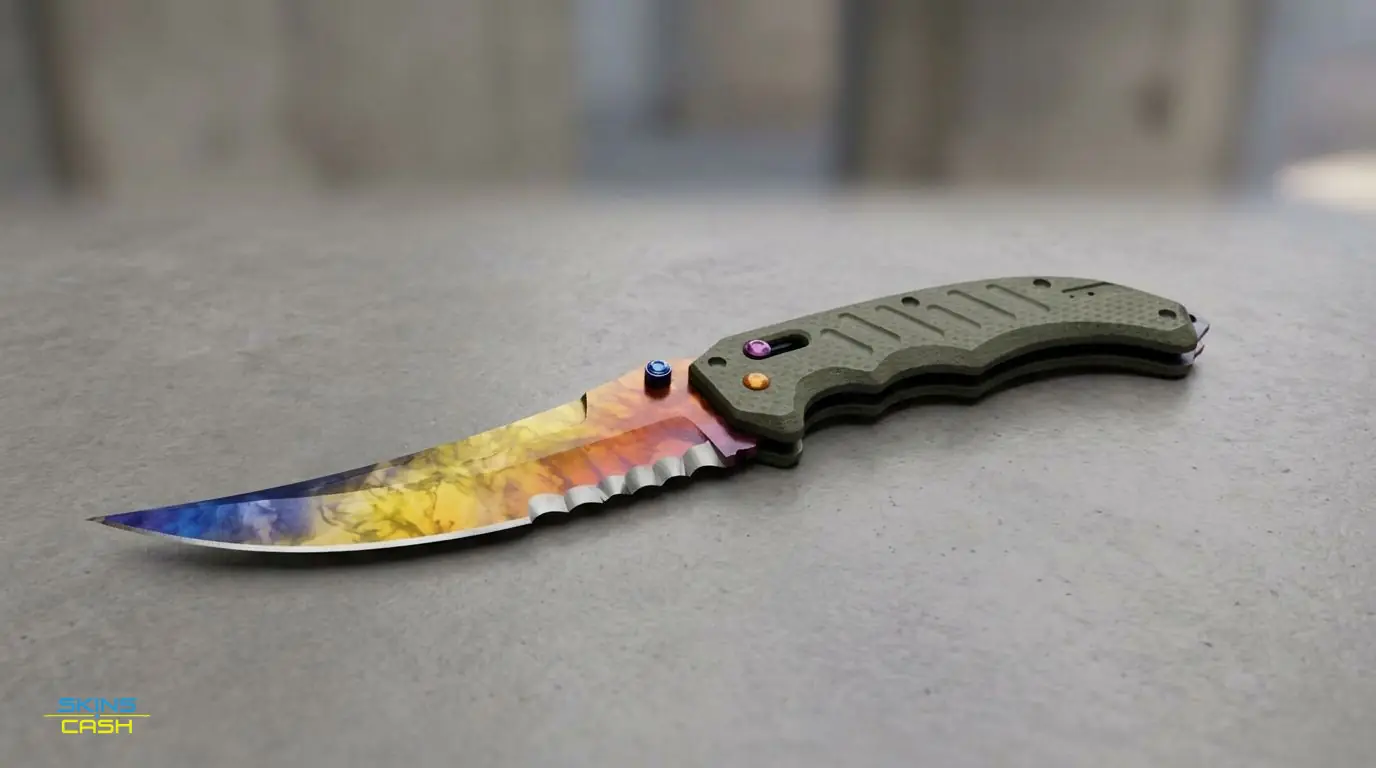
This is a mid bracket blade that reads like a mainstream collectible rather than a grail. Valve's anodized multicolored finish and covert rarity keep it in steady demand, but the market behaves like an item buyers treat as attainable rather than exclusive, so volume comes from regular traders not trophy hunters.
The ladder leans hard toward the clean end with a clear climb in payout as wear improves, producing a capped, front-loaded curve. The jump is focused: buyers pay up for near-clean copies while the rest of the ladder spreads more gently.
Expect a meaningful gap between listing stickers and what you actually pocket; liquidity is thinner at the top of the ladder so ask prices can sit above workable bids. For sellers that means you should price with the net in mind, not the shiny sticker on a hopeful listing.
Worn copies bunch together on payout because the lower end is compressed, so a faded-looking Marble Fade often competes with similarly worn peers without much separation. Holders of rusted-appearing examples shouldn't expect much delta between adjacent wear bands.
This finish does not reach the roughest floats, so the 'worst' Marble Fade eyes are cleaner than a typical full-range finish. The cap raises the practical baseline of appearance and trims the tail risk of ultra-ugly copies fading the market.
Phases matter here: certain Marble Fade phases read richer and carry their own premium beyond float alone. Check the phase and seed before listing; a desirable seed can out-earn an average-clean float by moving it into a different buyer subset.
Covert rarity props up the low end even on beaten copies; demand won't evaporate simply because one is more worn. That covert tag keeps a reliable baseline of interest that underwrites the compressed bottom band.
This blade originates from the Chroma Case, which shapes supply expectations among traders familiar with that container's output. The case origin is part of why the market sees steady, mainstream circulation instead of sporadic scarcity moves.
Anodized multicolored tones give a bright, variegated palette that reads well on a flip knife profile; it pops on screens and in-hand. That strong visual identity keeps it legible in play and attractive to collectors who prize the finish over subtle patina.
The all-time band for this skin is wide, showing periods of both elevated attention and softer interest. Right now prices sit away from the extremes but still within a broad span that has room to move on renewed demand or a lucky phase sale.
Traders often misprice by leaning on sticker asks rather than live cashout bids, or by ignoring phase premiums when they exist. Verify seed and float, and align expectations to the ladder shape to avoid overreaching on the listing price.
Named players have used this finish, which helps maintain interest whenever they appear with it. The connection is not a constant driver, but it nudges buyer attention upward when those pros show the blade in matches or clips.