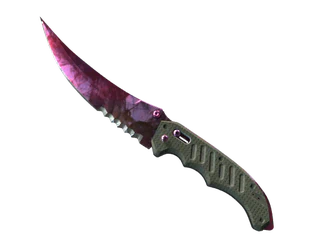
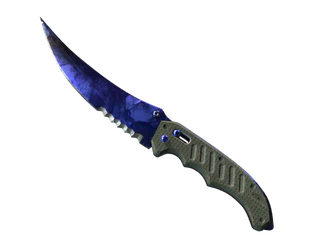
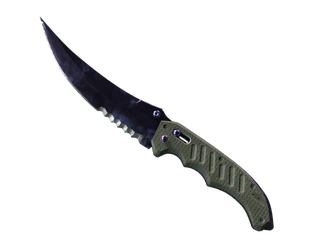
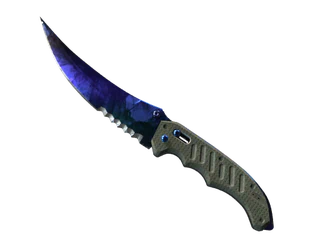
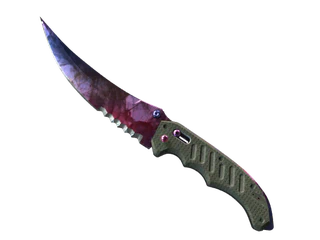
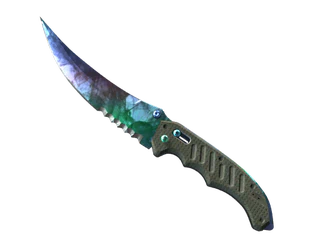
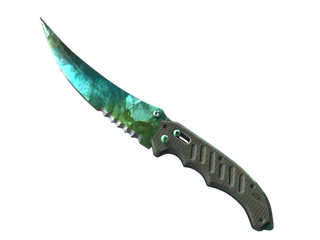
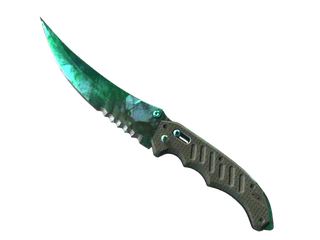
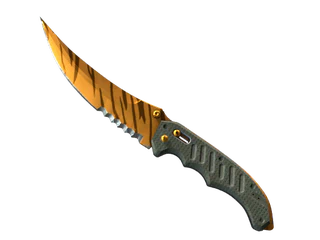
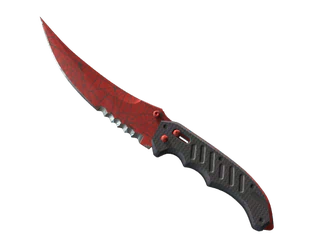
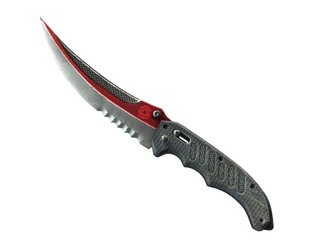
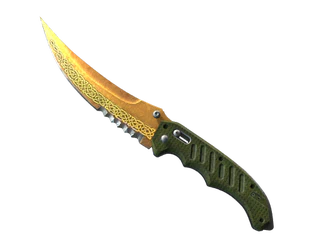
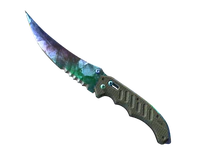
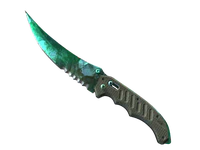
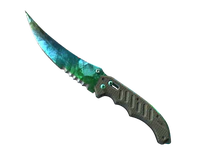
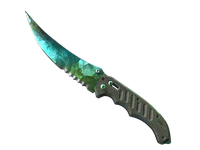
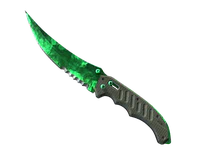
This flip knife sits well above the mid tier and trades like a premium grail - interest clusters at the clean end while lower wears still hold notable value thanks to its covert status. If you're cashing out, watch phase and clean Float; they move the market more than stickers or minor scuffs.
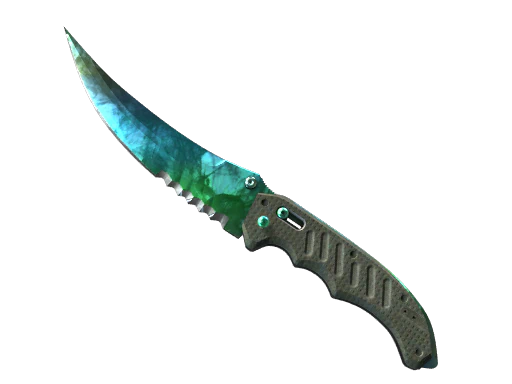
This flip knife sits well above the mid tier and trades like a premium grail - interest clusters at the clean end while lower wears still hold notable value thanks to its covert status. If you're cashing out, watch phase and clean Float; they move the market more than stickers or minor scuffs.
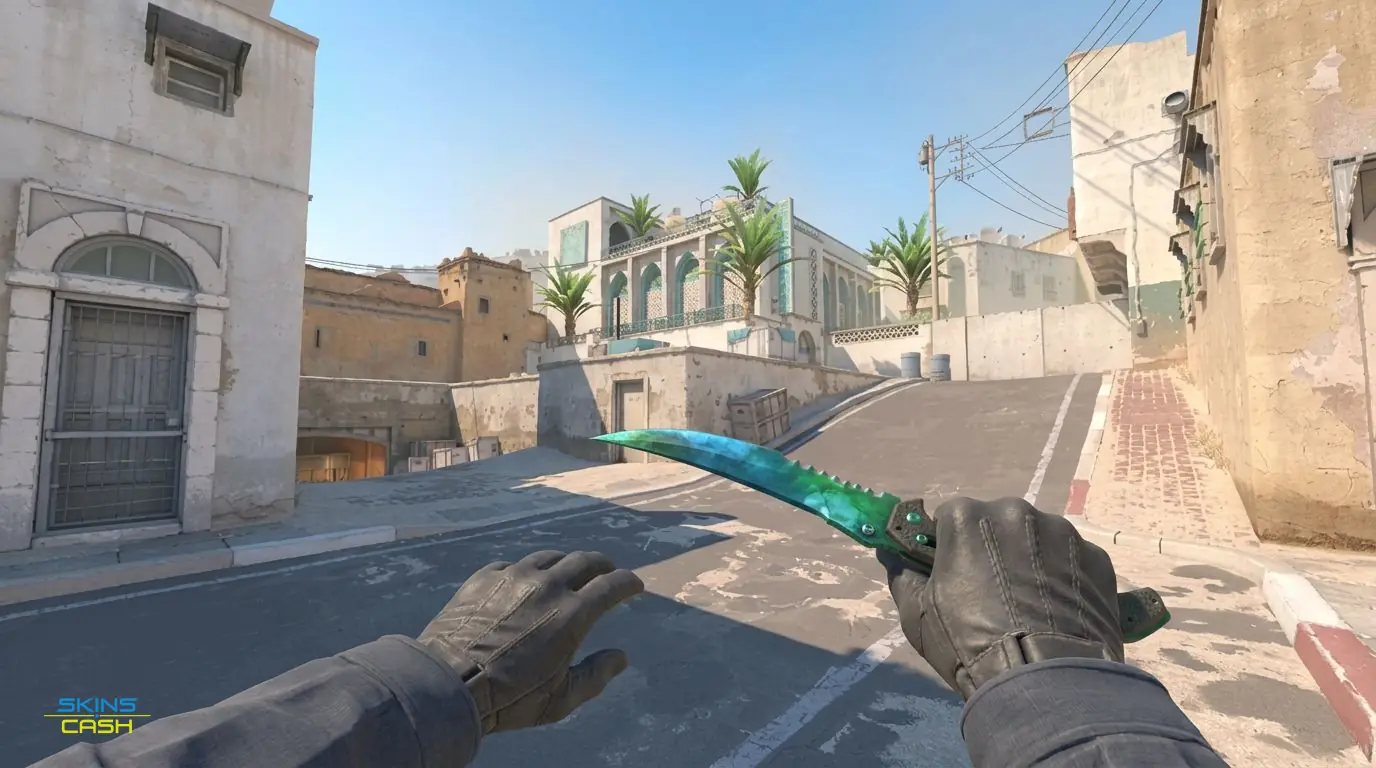
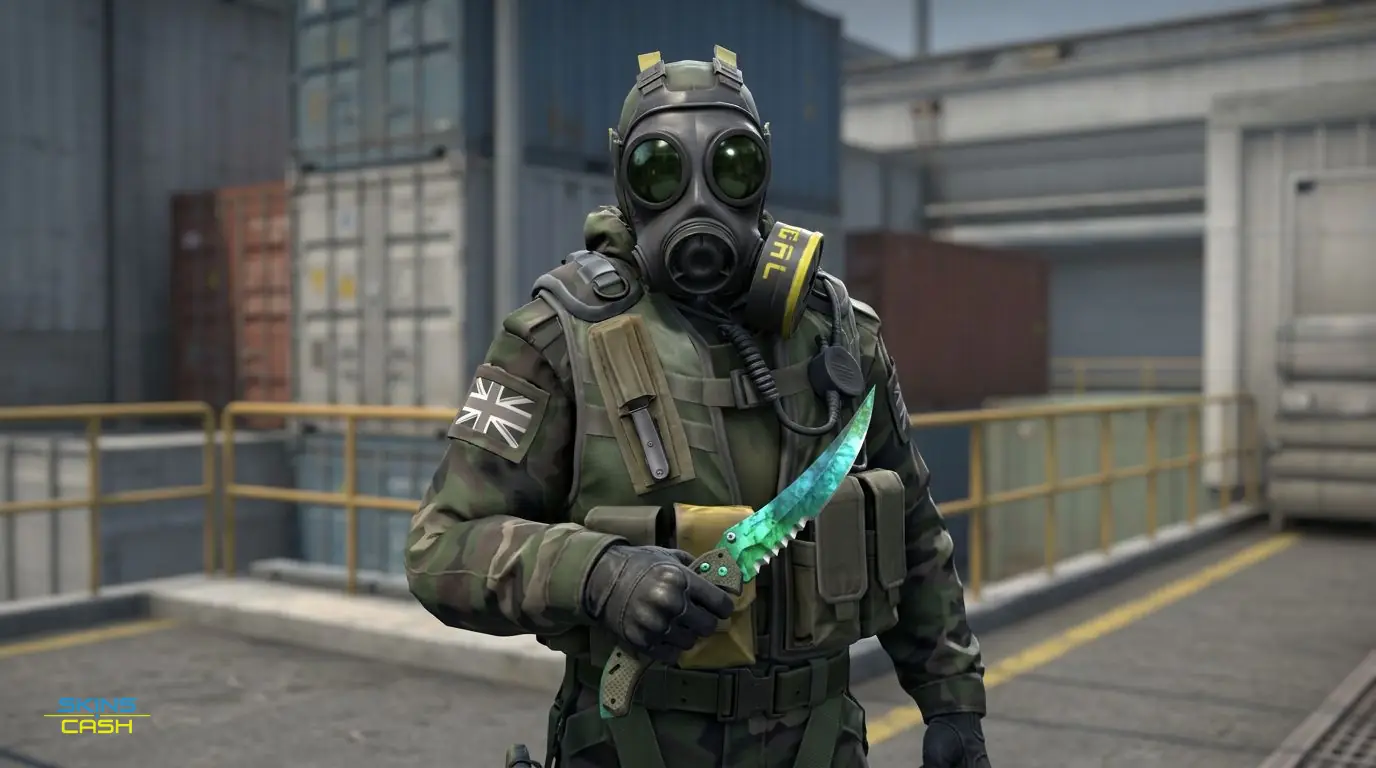
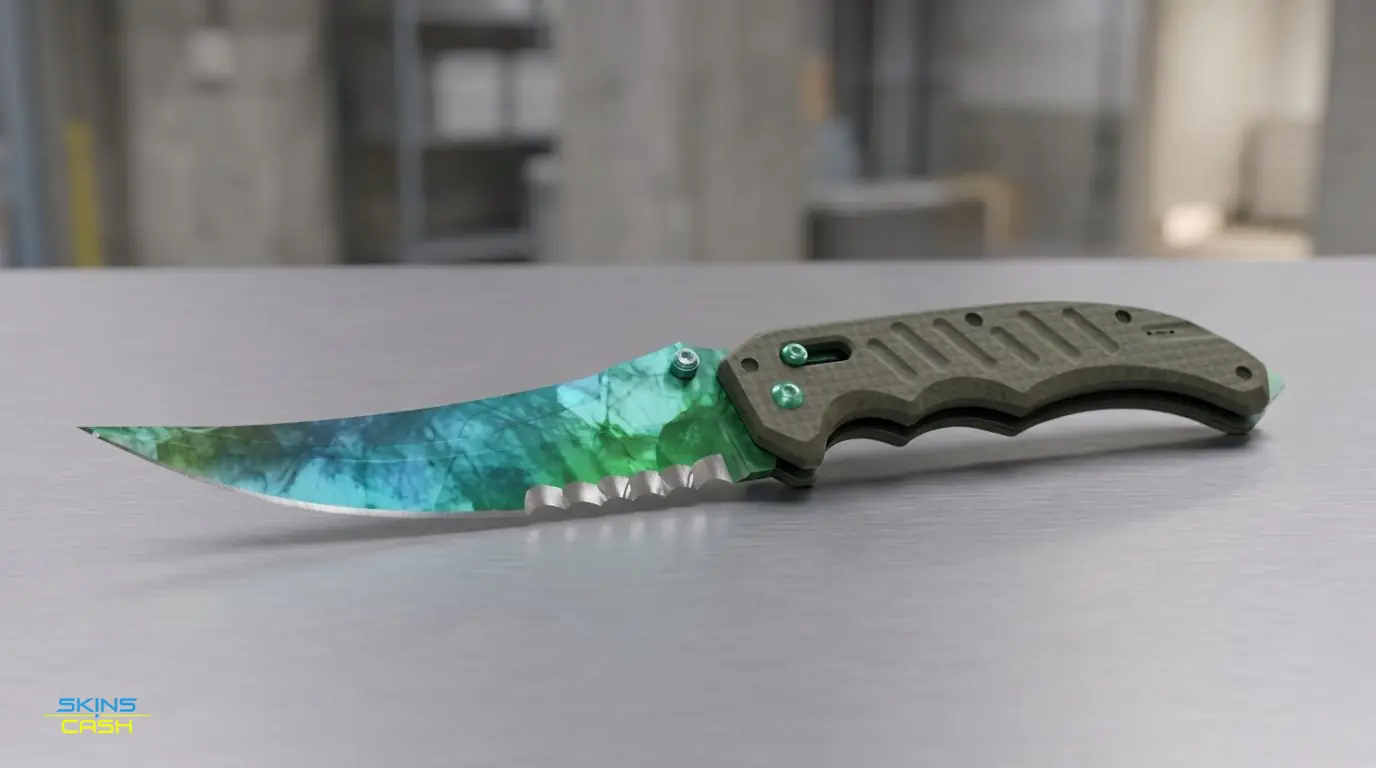
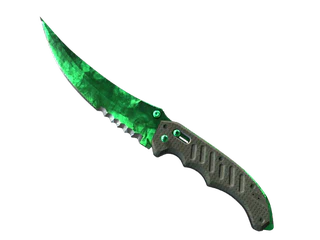
The Flip Knife Gamma Doppler Phase 3 sits in the premium bracket among knives, a piece traders reach for when they want green anodized pop without stepping into grail-level supply issues. For a seller that means steady interest from collectors and a smaller pool of serious buyers rather than broad volume; list clean copies where buyers expect them and expect a slower pace on the lower ladder.
The payout ladder is capped and tight toward the cleaner end, then loosens across the mid and low wears into a wide band, so values cluster rather than drift evenly. Expect a clear breakpoint where the ladder flattens and extra cleanliness stops earning meaningful uplift.
Mid-clean copies tend to offer the most skin-for-money because they sit before the steep premium for immaculate faces and after the compressed lower spread. Sellers aiming for efficient cashout will prioritize those floats that look great in-game without chasing the very top end.
The gap between sticker and cashout widens on the clean examples because buyers pay for cosmetic perfection while platform cuts and buyer margins shave the net. Lower-wear copies show a compressed spread, so the sticker gap smells smaller but actual payout still reflects market friction.
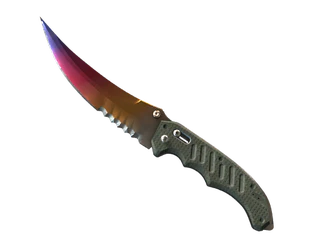
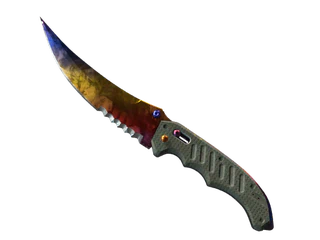
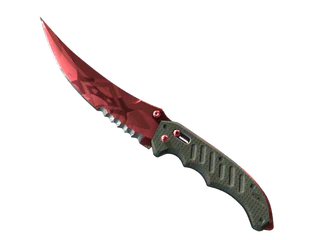
Anodized multicolored finishes like this read sharply with float - small visual shifts on the blade face matter to buyers who hunt Phase variants. A cleaner blade catches light and commands attention; worn faces dull the green flash and buyers reduce what they will pay accordingly.
Being covert underpins the bottom of the ladder and stops worn copies from collapsing into dust; even the lower band maintains a base because of the rarity tier. That support makes lower floats sellable instead of sitting unsold for long stretches.
Phase three specifics are what lift or sink a listing: certain phase placement and seed alignments produce a brighter green window or a cleaner mirror, and those copies spike above same-float peers. Always verify phase and seed before pricing; they are the quickest way to miss potential uplift.
Green dominates the palette and the anodized multicolored finish gives a vivid, glossy blade that reads well on most maps and skins. Valve's execution here favors contrast - the green window plays nice with darker handles and pops under varied lighting.
This blade comes from the Gamma Case, and that origin keeps supply tied to case circulation rather than event drops. That source matters because availability moves as cases are opened and as market appetite for the case contents ebbs.
With a wide historical range and a capped float profile the skin is jumpy when collectors chase rare phases but otherwise settles into repeatable pockets. If you prefer avoiding sharp swings trade around the mid band; if you hunt spikes, watch phase-driven demand shifts.
Over the year the trajectory has leaned down hard before recent soft upside, so the skin looks re-rated compared to its previous highs. That longer arc tells traders the market made room and some buyers returned, but the top tier remains harder to reach.
The usual failures are ignoring phase or treating StatTrak and regular copies as near-identical, and pricing only by sticker without checking live spreads. Inspect the seed and float first, then set a net expectation against the live cashout feed to avoid an unwanted reprice after listing.