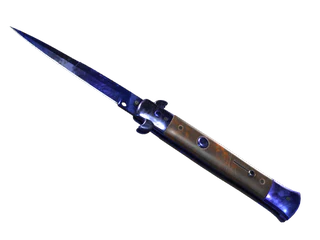
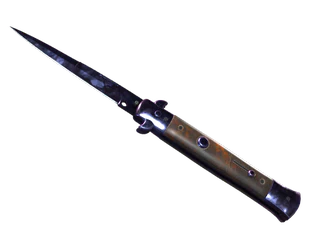
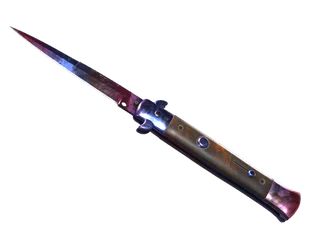
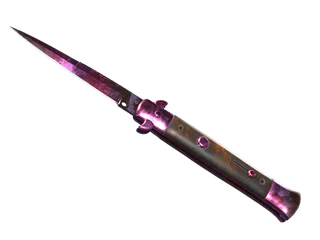
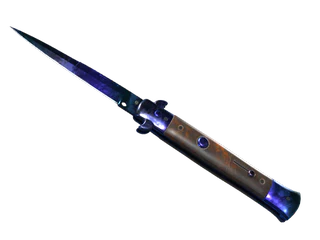
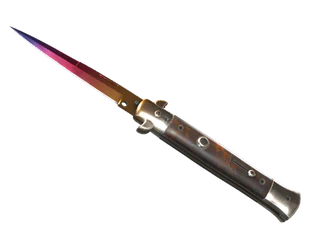
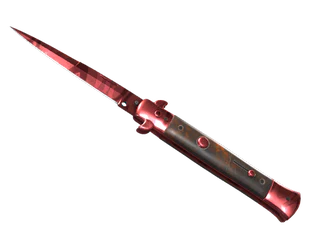
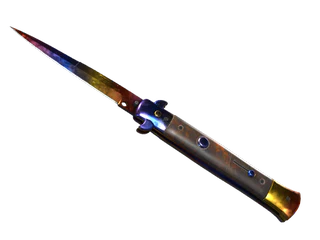
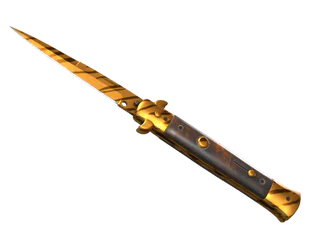
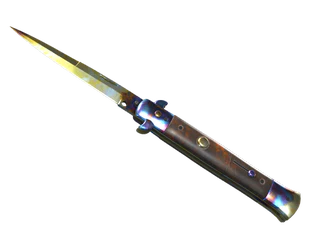
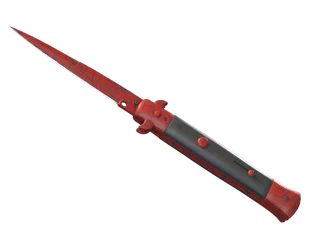
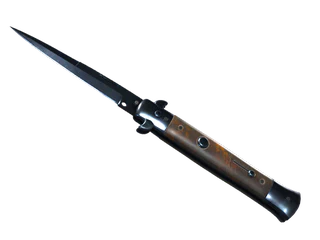
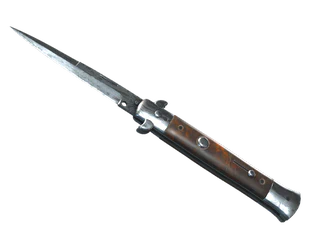
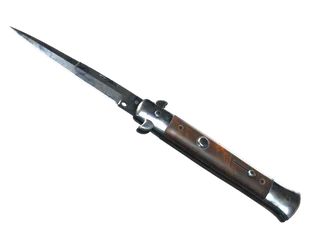
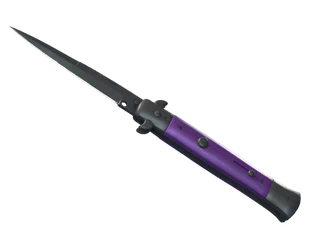
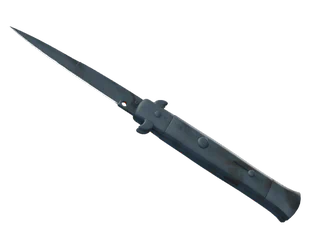
Mid-tier Stiletto variant that trades like a mainstream mid-market knife: demand is steady but has been sliding recently, so liquidity comes in bursts. Clean copies hold a premium shape; worn ones are cheap to list and move faster if you price tight against the active stack.
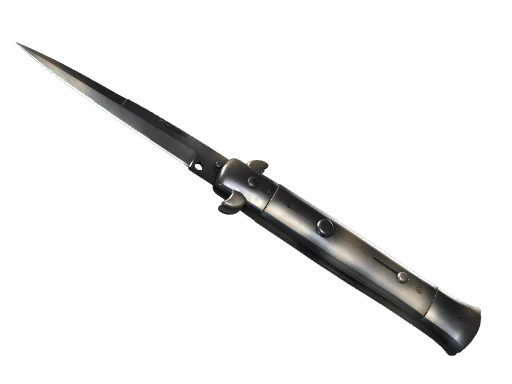
Mid-tier Stiletto variant that trades like a mainstream mid-market knife: demand is steady but has been sliding recently, so liquidity comes in bursts. Clean copies hold a premium shape; worn ones are cheap to list and move faster if you price tight against the active stack.
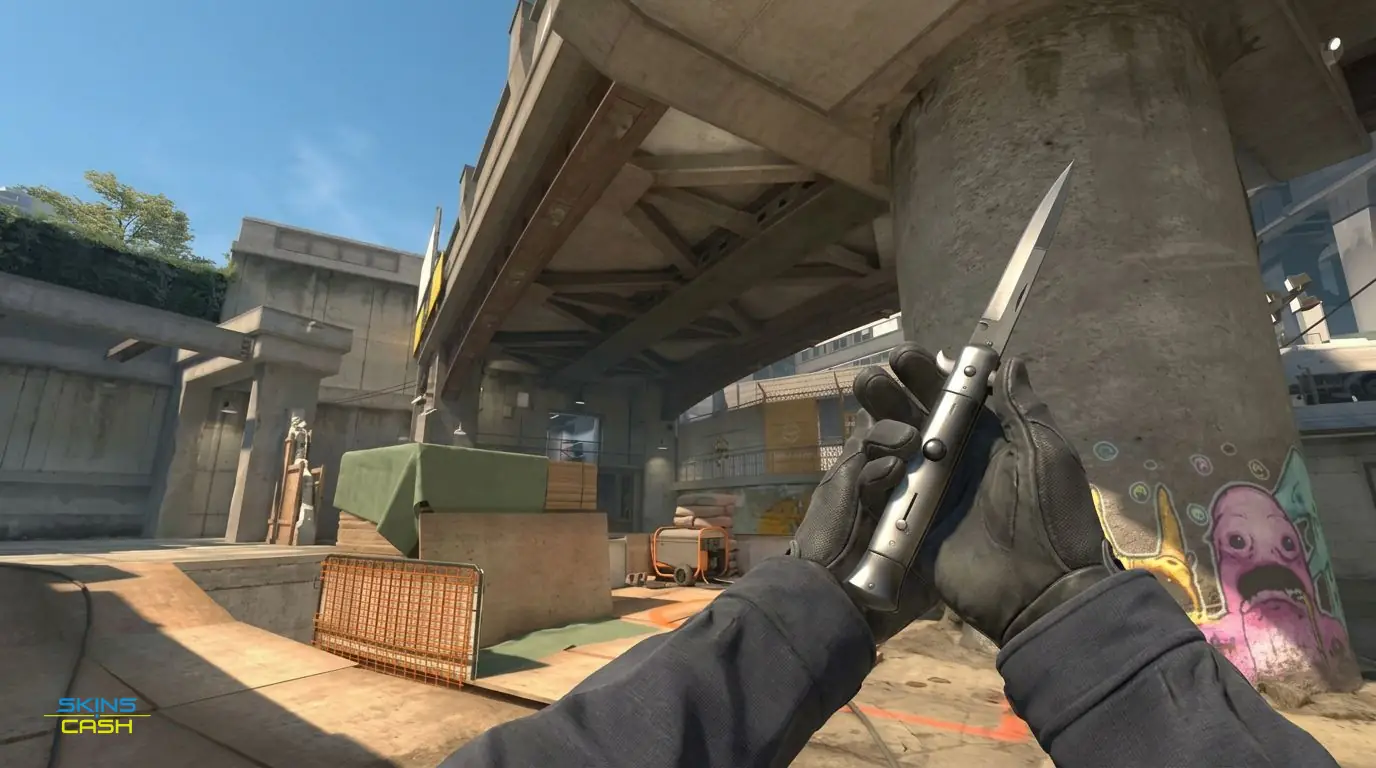
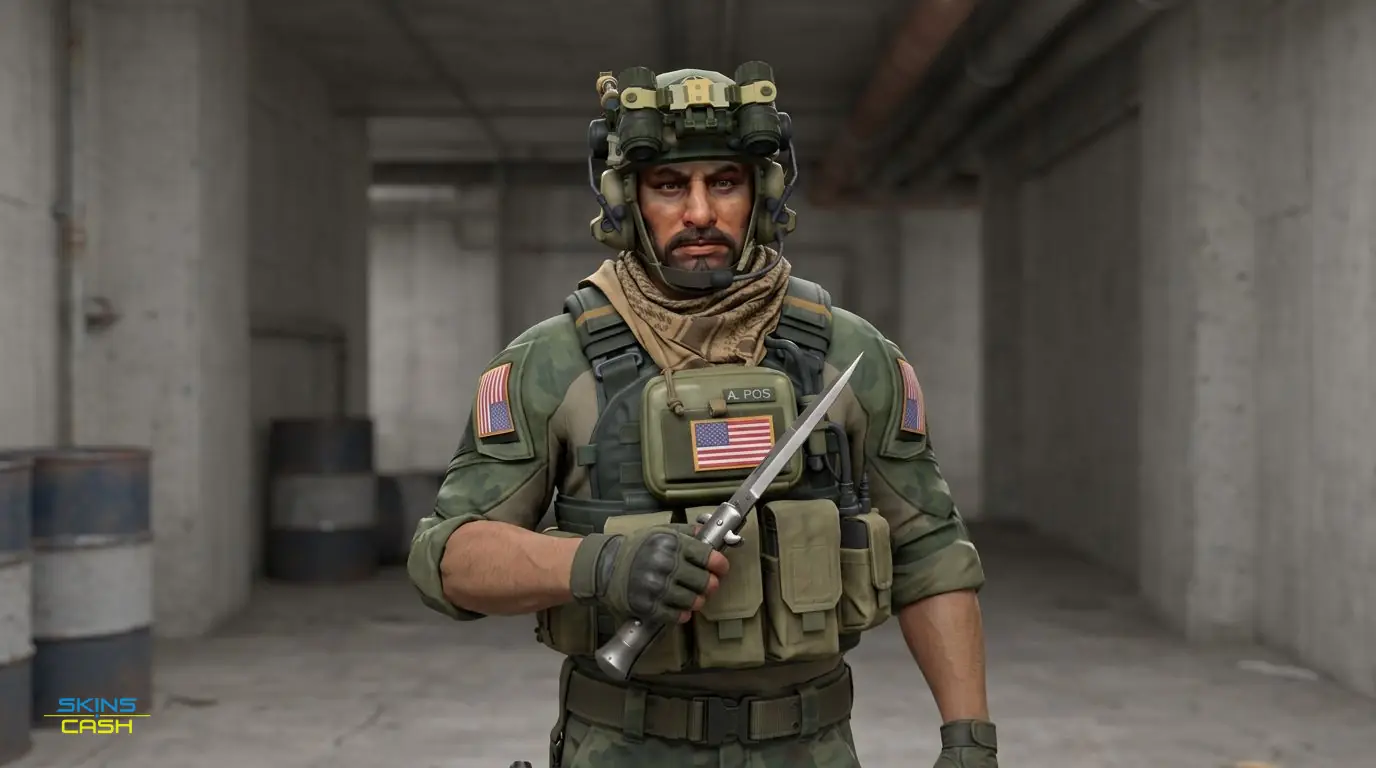
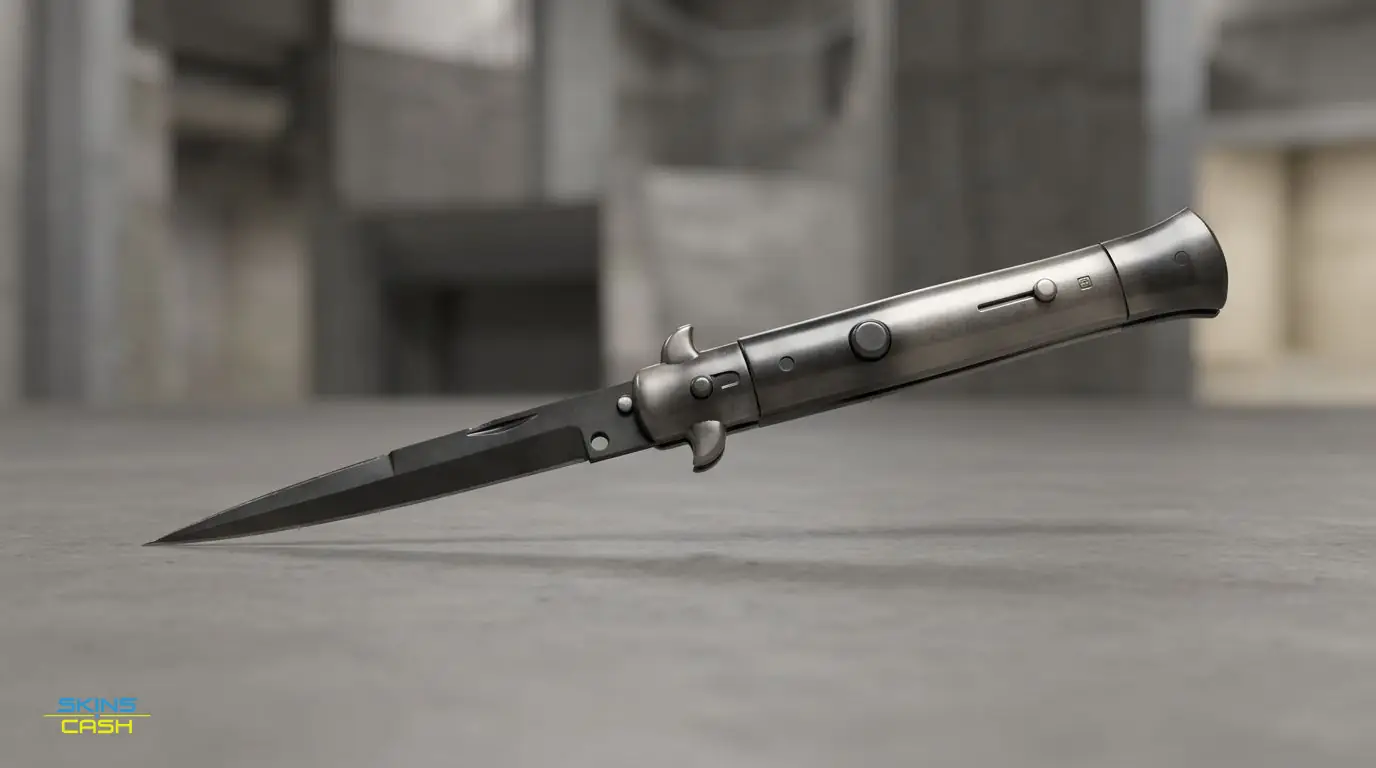
This sits squarely in the mid bracket for knives: not grail money, not budget fodder. For a seller that means decent interest from regular buyers and collectors who value the Stiletto silhouette, but you should expect longer tails on listings when the market dips.
The ladder is capped and sharper toward the clean end, with a noticeable step up where the best-looking copies live. Once you pass that edge the curve relaxes into a flatter band across mid and lower wears, so value concentrates at the top.
Mid-to-pleasant wears give the most skin-for-money; you get visual appeal without paying the clean premium that only a few buyers chase. Sellers can push for a higher ask on the clean edge, but returns thin quickly as you move down the ladder.
Worn and well-worn copies cluster tightly in payout, so the practical difference between them is small. If you hold a worn piece, undercutting slightly will usually clear inventory faster than holding out for a remote uptick.
The finish is capped, so the "worst" copies still read cleaner than many other spray-paint knives. That compression lifts the bottom visually and changes how the low-end behaves; buyers expect a cleaner baseline and price it accordingly.
Covert rarity props up the floor across wears, keeping even beaten copies from collapsing to budget levels. That support makes the low end more resilient when broader knife trends slide.
StatTrak copies trade on a parallel curve with their own cohort of buyers; the ST line asks a clear premium but follows the same capped-float dynamics. Listing ST separately is sensible - it attracts a different set of takers and usually moves on dedicated searches.
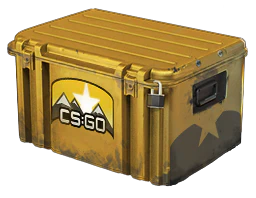
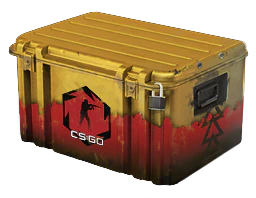
This knife drops from the Horizon Case, which keeps supply consistent in secondary listings tied to that container. Its case origin is familiar to collectors and figures into turnover when cases are actively opened.
Muted gray tones and the spray-paint finish give the blade a utilitarian, lived-in look that plays well in multiple lighting conditions. Valve's designer touch shows in how the Scorched pattern reads at range, offering a dependable, neutral aesthetic that suits many loadouts.
The skin has displayed a massive band historically, with wide swings between peak interest and quiet stretches. At present it sits lower in that band, reflecting the recent slide in demand rather than a permanent re-rating.
Buyers should be selective on ask placement: pick up mid wears when listings tighten and avoid paying the clean premium unless you can flip to a collector. Tight spreads and a reactive ask window are your friend when the market is soft.
Dima's association gives this Stiletto a modest headline among viewers who follow match gear, nudging demand when the player is in focus. It's not a tournament staple, but the name pulls occasional interest from fans and spec buyers alike.