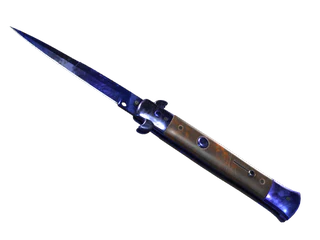
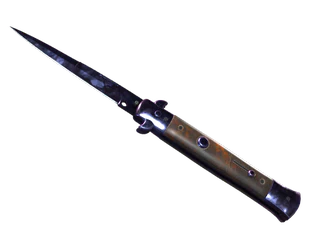
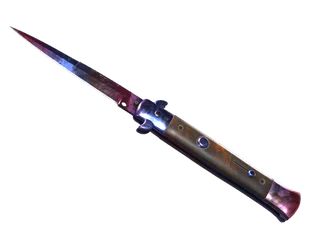
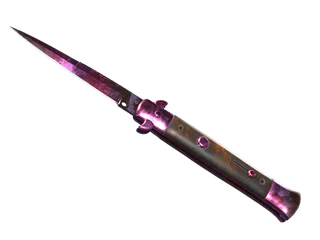
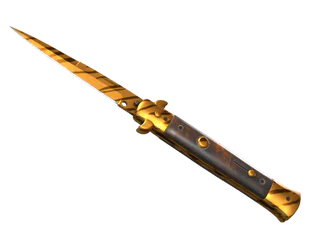
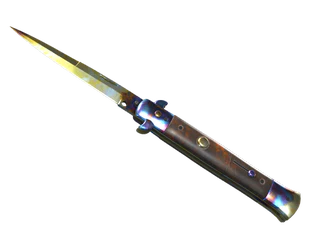
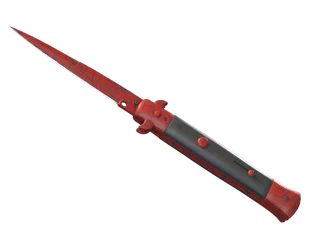
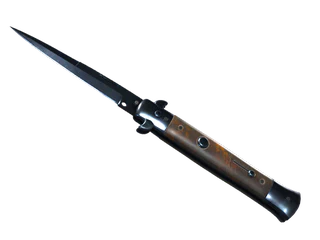
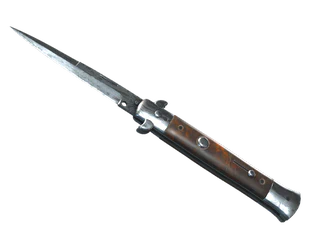
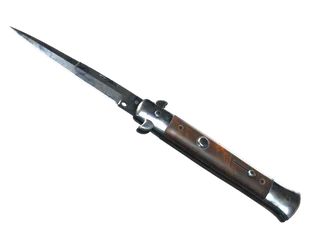
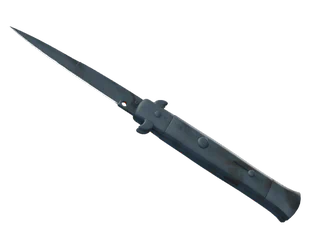
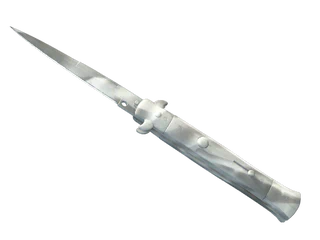
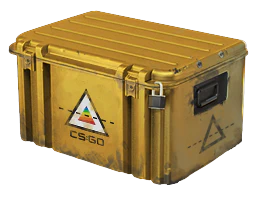
Mid-tier demand with a mainstream profile - buyers are steady but selective, and the pricing sits comfortably in the middle of the market. Float behavior and the capped range are the real drivers here; sell when your float clears the cleaner band unless you need immediate liquidity.
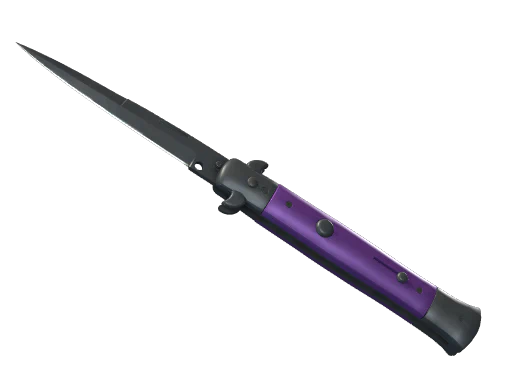
Mid-tier demand with a mainstream profile - buyers are steady but selective, and the pricing sits comfortably in the middle of the market. Float behavior and the capped range are the real drivers here; sell when your float clears the cleaner band unless you need immediate liquidity.
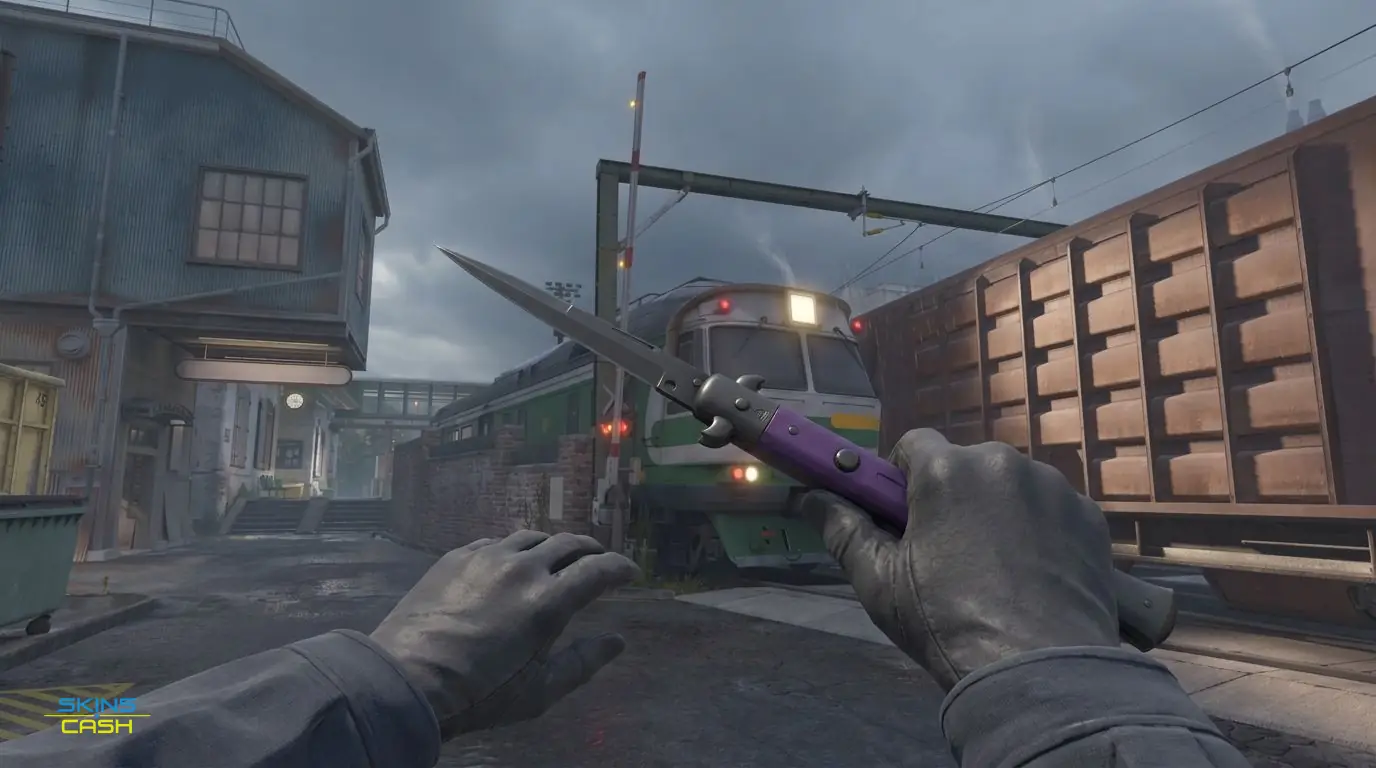
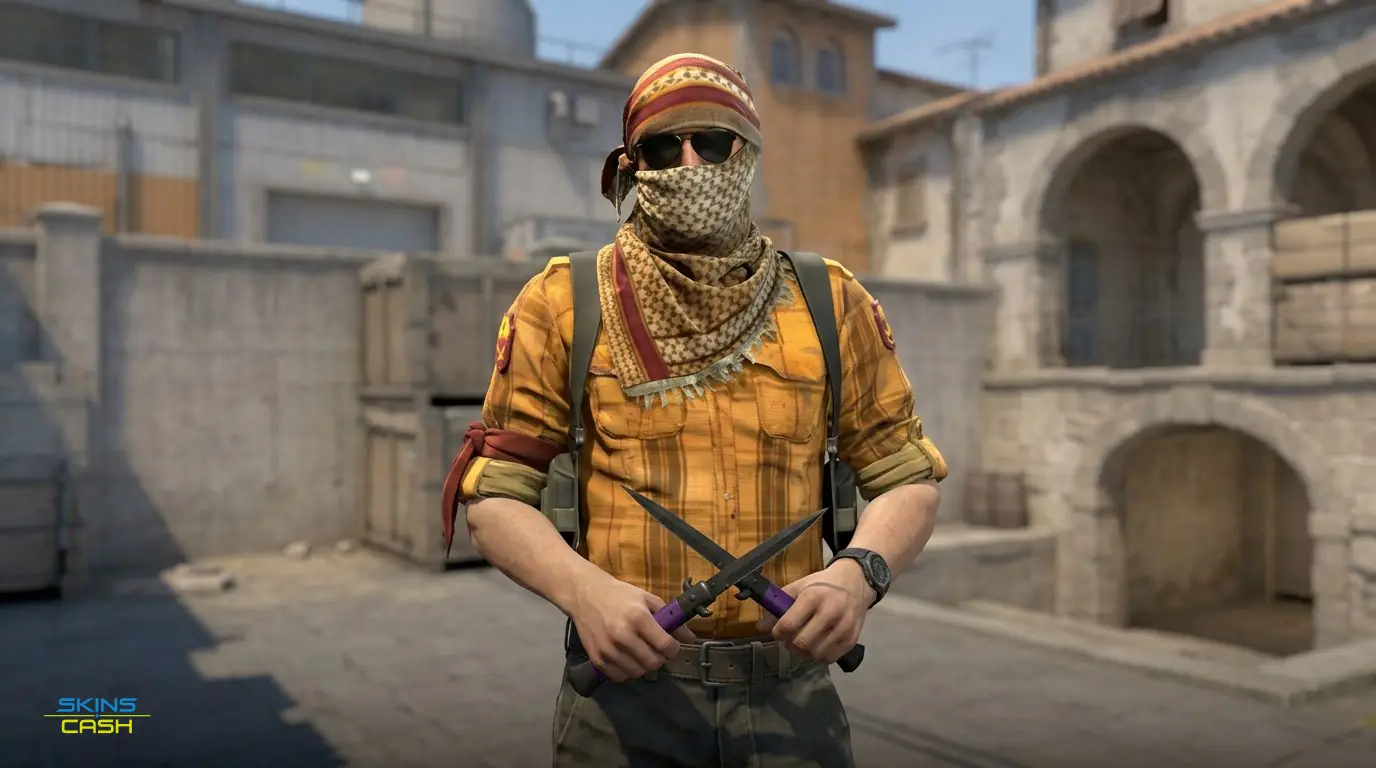
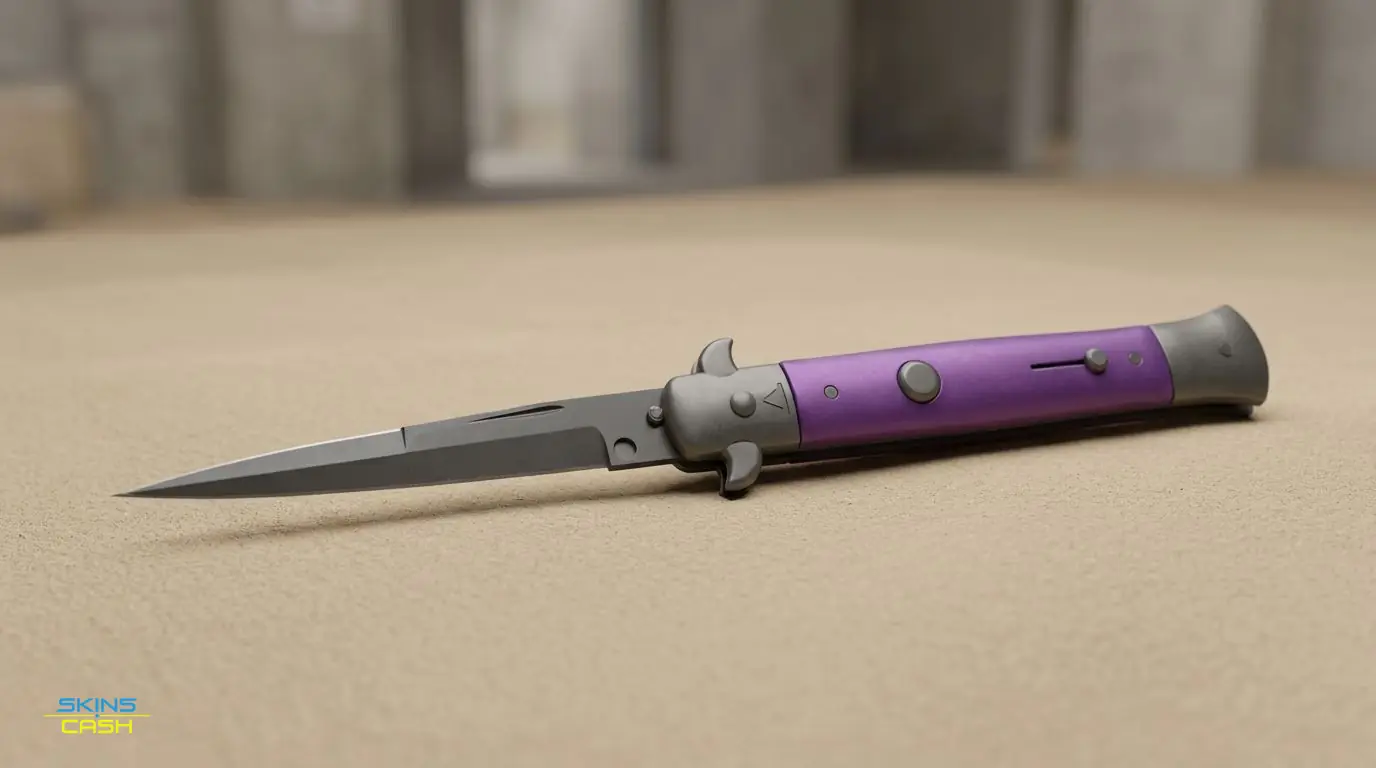
This sits squarely in the mid bracket, not a grail and not a budget filler; it trades like a knife with mainstream appeal and steady shopper interest. For a seller that means listings move without frenzy but do attract measured bids, so timing around float and StatTrak status matters more than headline rarity claims. Expect patient buyers rather than impulse pickups.
The ladder is tilted toward the clean end with a clear inversion through StatTrak variants, producing a capped profile where the top wears separate from the rest. The curve is not a gradual glide from top to bottom; it tightens after the clean copies and then flattens toward the mid and lower wears. That shape makes the clean copies the marginally scarcest currency.
The strongest skin-for-money sits in the mid-clean zone where cosmetics and price meet most attractively; beyond that point the payout stops rewarding incremental cleanliness. Sellers with a cleaner float should hold for the buyers who chase the look, while mid-wear copies usually give the best tradeoff between sale speed and return. If you need cash quickly, the mid worn area is where listing friction is lowest.
Worn examples cluster closely together in payout, so once you cross into the lower ladder the float difference barely moves the needle. That compression lets worn holders price for velocity rather than chiseling for a marginal float edge. It also reduces the harm of a less-than-ideal scratch pattern when you just want out.
Because the finish is capped, the worst copies read cleaner than typical worst-case knives and the bottom of the ladder behaves unusually firm. Supply at the very dirty extreme is limited by the cap, which lifts the perceived quality of average worn units. Sellers should adjust expectations: "worst" here still looks better than many uncapped counterparts.
StatTrak exists and inverts the usual curve: buyers prize the counter enough that ST copies carve out their own demand lane. The premium is consistent but not excessive, and StatTrak listings attract a different buyer subset who will tolerate higher pricing for the tracked kills. If you have an ST example, list it separately and expect slower but cleaner bids.
Covert rarity underpins the lower bound even for worn examples, keeping the floor healthier than a lower tier would. That rarity support matters when the broader trend softens; it prevents the bottom from collapsing into bargain territory. For sellers, rarity is the safety net that justifies holding a bit longer.
Being a Prisma Case drop gives this skin a steady, predictable supply flow rather than an erratic one-off release. The case origin keeps fresh listings arriving on a regular cadence, which stabilizes mid-tier demand but also means you compete with a regular trickle of comparable copies. Factor that steady supply into timing and ask strategy.
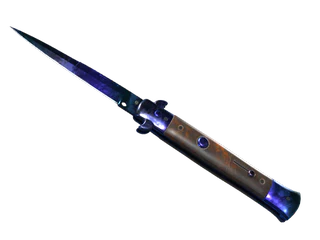
Ultraviolet reads clean in-game: the purple and black combo with a solid-color finish keeps contrasts tight and silhouettes readable. The Solid Color treatment by Valve makes the blade pop without busy patterns, so it photographs and in-hand well under match lighting. That restrained palette is why mid-market players pick it over louder alternatives.
This skin has shown a wide historical band, with long swings between quiet and active phases rather than a flat basement. Current pricing sits somewhere inside that wide band, not at the extremes, so there is room on either side if market sentiment shifts. Sellers should price knowing there's history behind both rallies and drawdowns.
Traders often ignore the capped float and treat every low float as equally special, which overprices mid-clean copies. Another frequent error is lumping StatTrak and non-StatTrak into one listing; they live on different demand rails. Check float, variant, and case origin before committing to an ask.
INS is the name tied to this knife, and that single pro association gives the skin pockets of visibility without creating mass hype. Pro usage nudges interest from collectors and fans, but it does not turn the piece into an instant grail. For sellers, pro linkage is a useful tag - not a price guarantor.