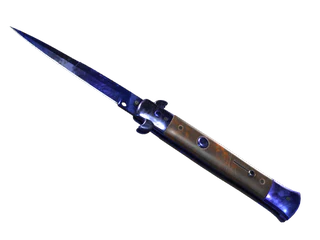
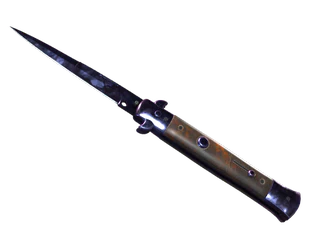
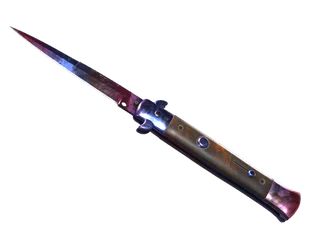
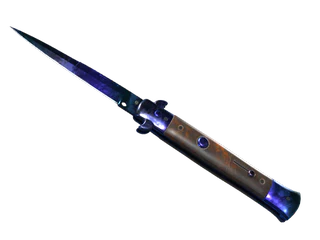
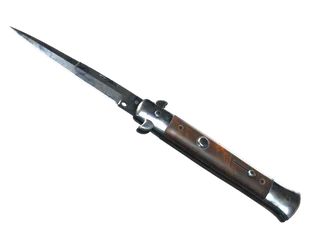
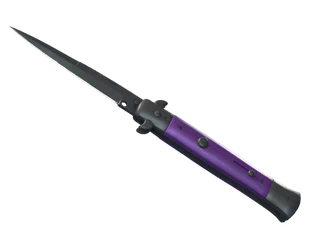
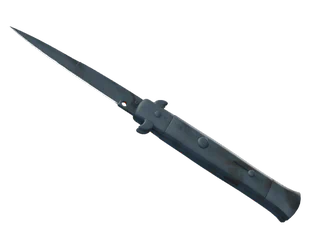
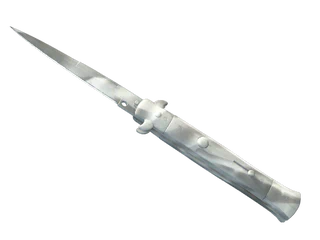
Top-tier demand and a strong floor make this Stiletto Doppler a premium-pocket play: buyers chase the clean copies and StatTrak variants, while the rest sit firmer than most covert knives. If you want out, focus on the capped floats and clean-phase pieces - they move fastest and hold value better.
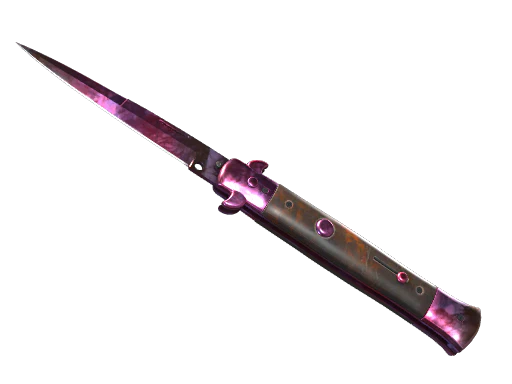
Top-tier demand and a strong floor make this Stiletto Doppler a premium-pocket play: buyers chase the clean copies and StatTrak variants, while the rest sit firmer than most covert knives. If you want out, focus on the capped floats and clean-phase pieces - they move fastest and hold value better.
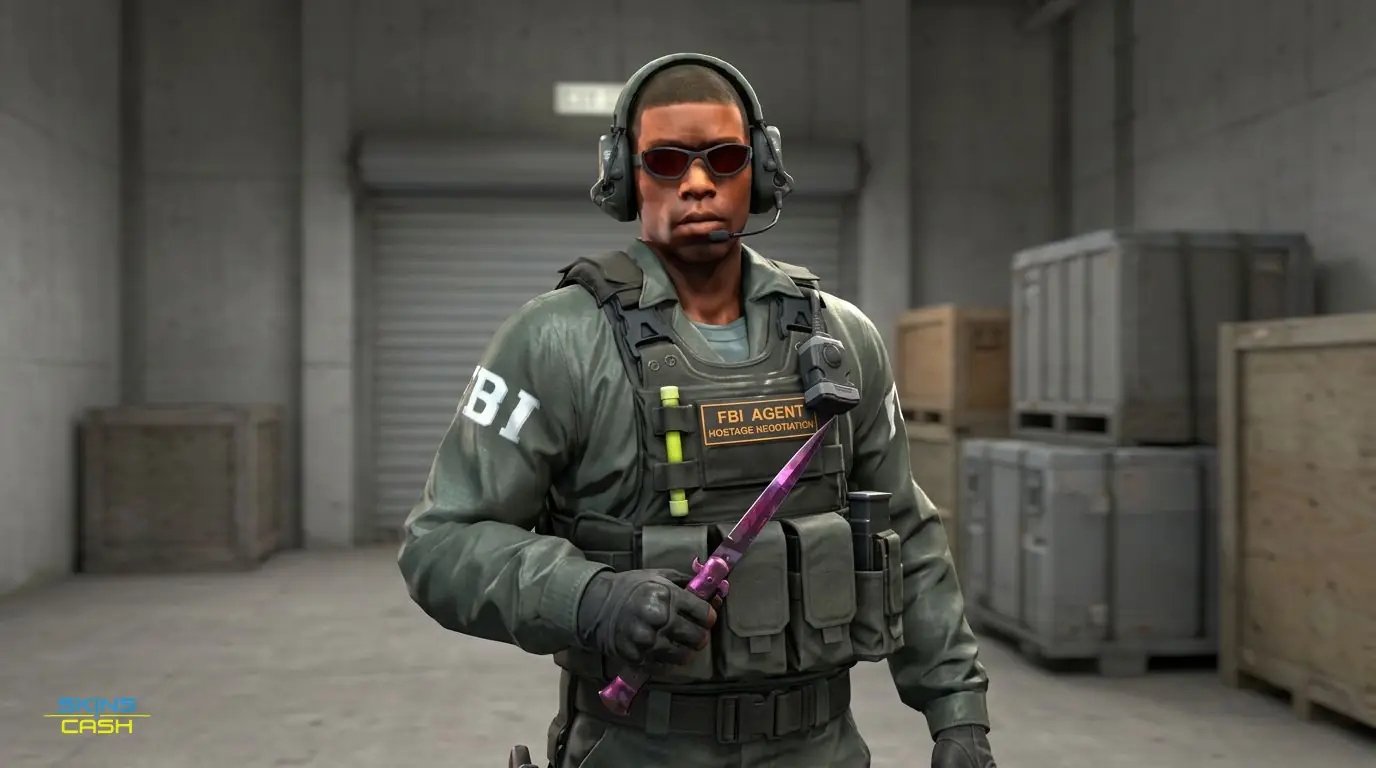
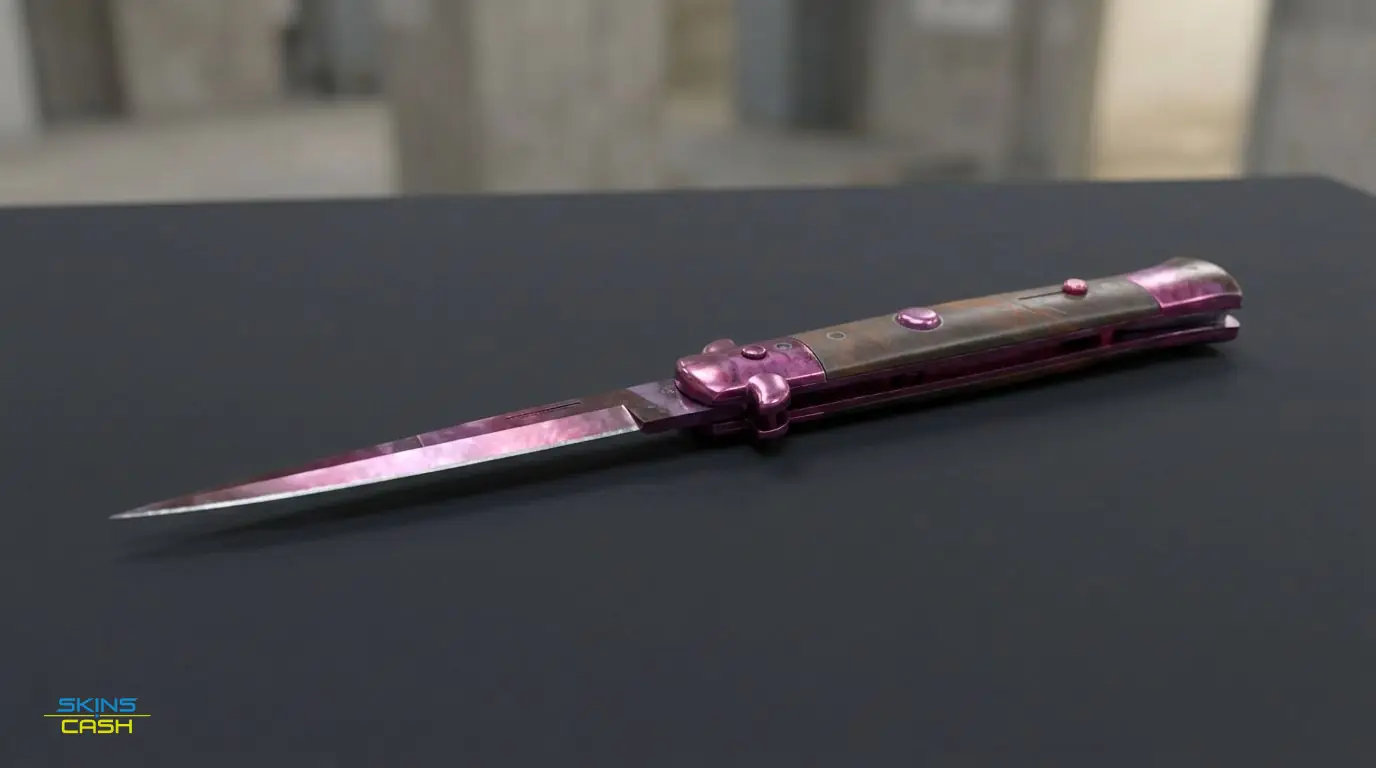
This sits in the premium bracket among covert knives: not grail-level, but firmly above mid-market cutters. That means selling is about matching the small pool of serious buyers rather than undercutting mass listings; list for the right float and pattern and you won't be stuck in the bargain pile.
The payout curve is classic capped-Doppler: strong concentration near the clean end with a noticeable bend as float worsens. The lower tiers compress into a tighter band, so there is a clear split between the cleaner phases and the rest of the ladder.
If you want the most skin-for-money, aim just past the deepest clean phase where the visual appeal remains high but the premium has eased. Once you cross into higher wear the payoff diminishes quickly, so sellers should stop expecting clean-end premiums beyond that break.
Expect a wider spread when the skin is listed with clean-phase asking prices; buyers factor rare phase and StatTrak into a lower net than the sticker suggests. The market pays a premium for certainty, so what you see in listings is often softened by the effective cashout after fees and liquidity friction.
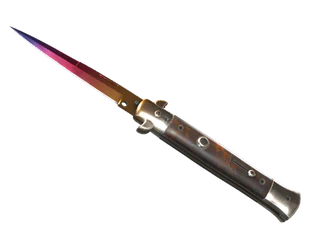
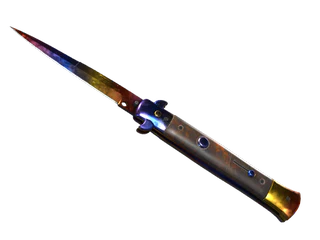
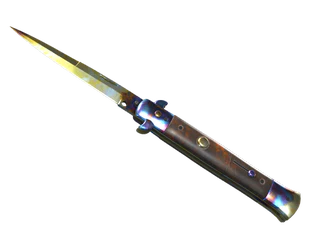
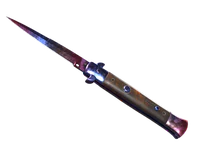
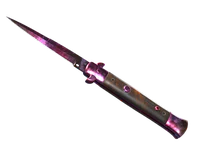
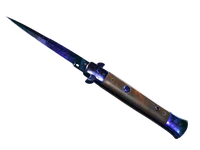
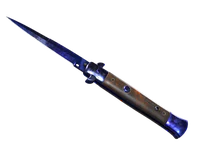
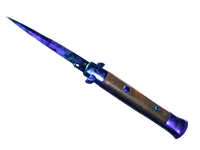
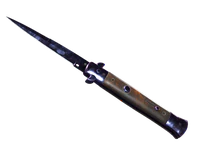
This anodized multicolored finish shows its degradation: tiny surface shifts kill the mirror and the purple-pink pop. Buyers clearly reward that pristine face, so visible wear trims desirability faster here than on duller finishes.
Covert rarity underpins the bottom of the ladder and keeps the low end from collapsing, even when the wider range is volatile. Even the worn copies sit above typical knife commons, giving sellers a dependable reserve when liquidity is light.
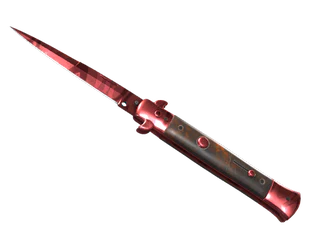
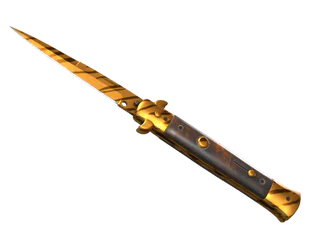
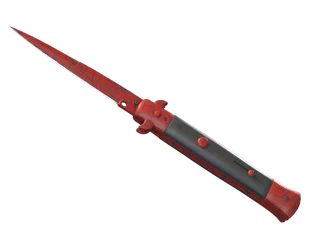
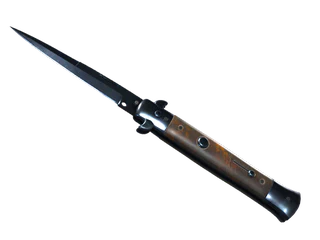
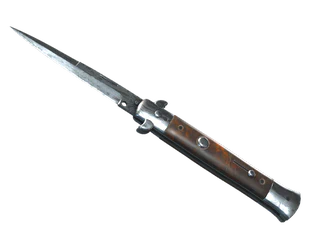
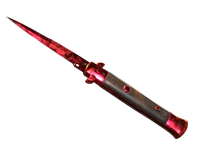
Phases matter here: Phase 2 copies and particular seeds carry a premium independent of float, and StatTrak flips that premium further. Before pricing, check phase alignment and seed quirks - those are the small levers that move a buyer from passive to active.
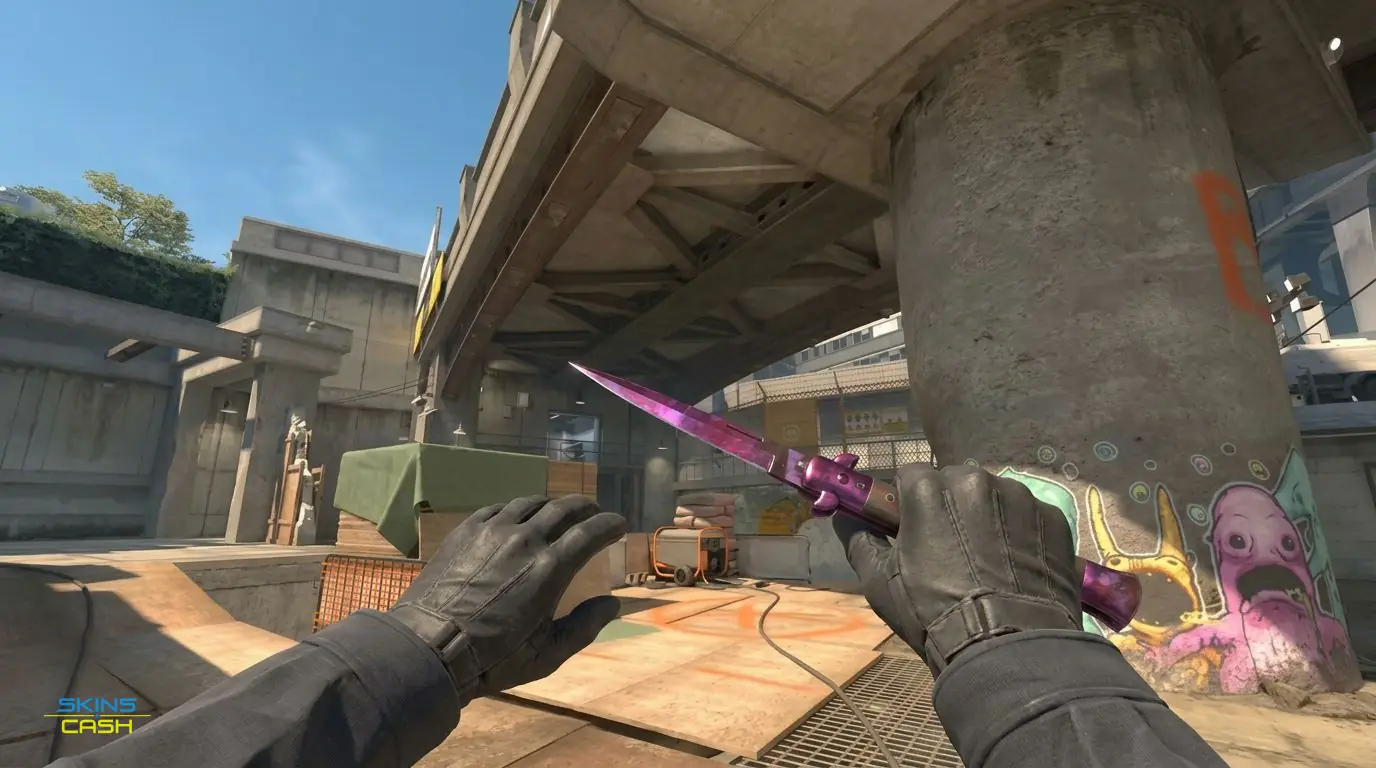
The pink wash over an anodized multicolored field reads loud in-game: it pops on dark maps and gives a clean, flashy silhouette at range. Valve's designer touches keep the knife striking without being gaudy, which is why collectors and players pay up for the right phase.
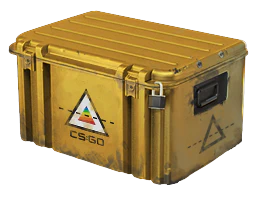
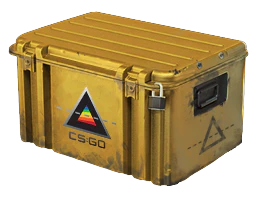
This comes from the Prisma Case, which shapes how often the better phases surface and how many StatTrak variants circulate. That origin explains why supply of top-phase examples is tighter than casual listings imply.
Over the year the skin has slid from its previous highs but recently shows a soft uptick in the short window. Long-term buyers re-rated down, yet the recent lift suggests renewed appetite for clean-phase and StatTrak pieces.
With a massive historical range and a compressed lower tier, prices can jump when a few clean copies trade but otherwise hold steady in a tight band. If you prefer less drama, sell into the short-term soft rise; if you chase spikes, wait for a clean-phase trade to reset expectations.
Buyers should treat asks with patience: target capped floats with phase confirmation and avoid paying extra for vague promises of cleanliness. The best entries come when listings misprice a phase or StatTrak; otherwise let the compressed lower band work in your favor.