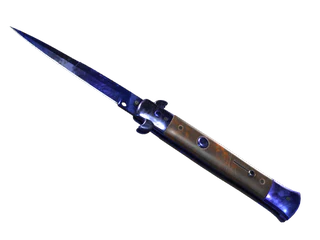
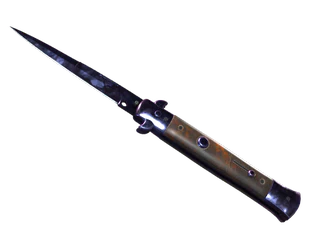
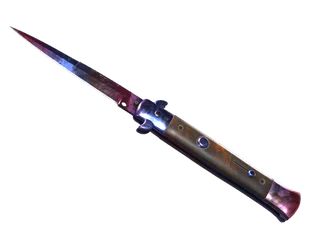
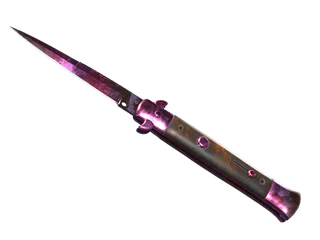
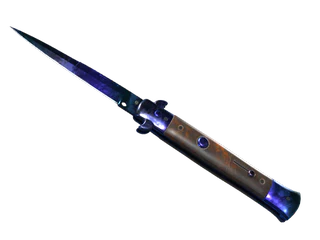
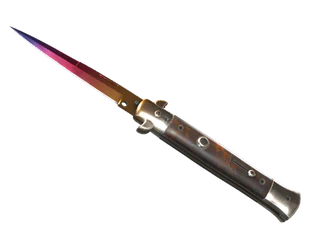
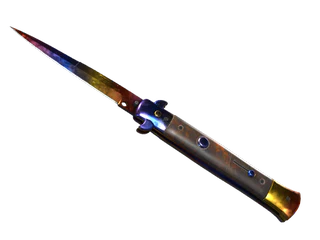
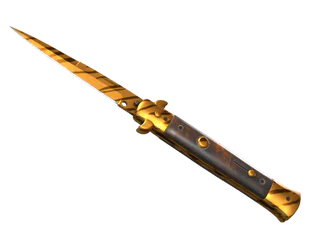
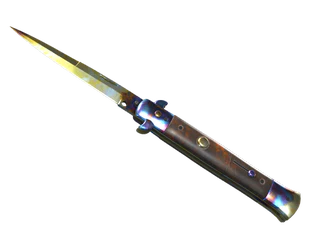
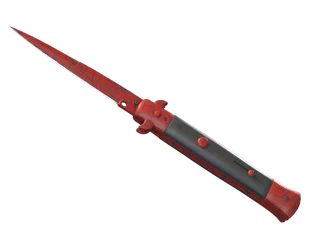
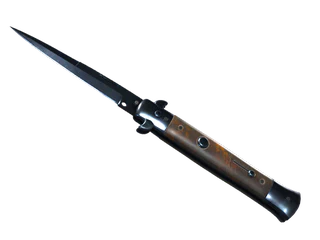
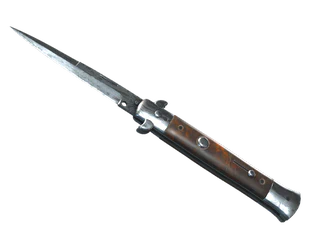
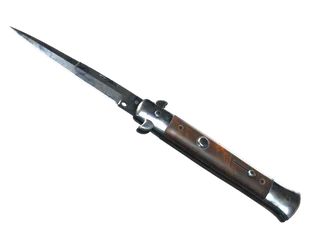
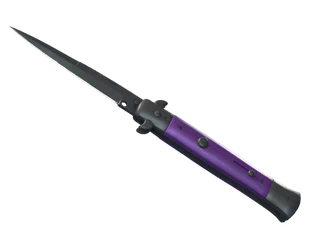
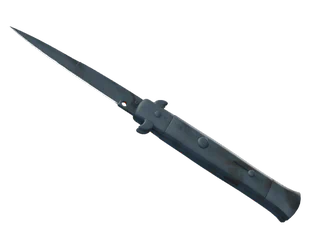
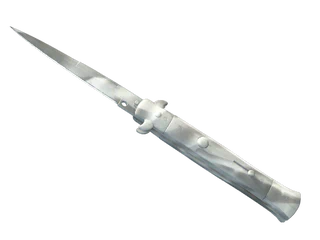
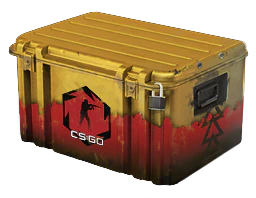
Mid-tier demand with a firm floor defines this Stiletto Knife Slaughter. Clean copies attract attention but the market lives in a broad band, with long-term pressure softened by a recent gentle pop. Stattrak examples behave as a distinct lane when you decide to move stock.
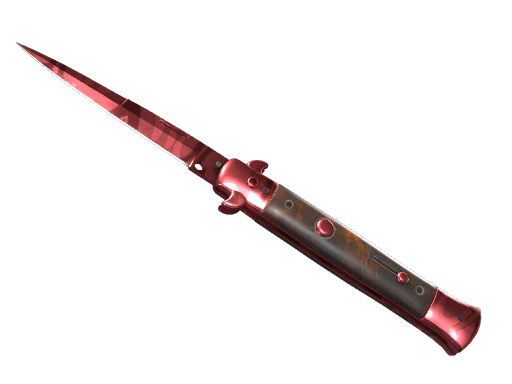
Mid-tier demand with a firm floor defines this Stiletto Knife Slaughter. Clean copies attract attention but the market lives in a broad band, with long-term pressure softened by a recent gentle pop. Stattrak examples behave as a distinct lane when you decide to move stock.
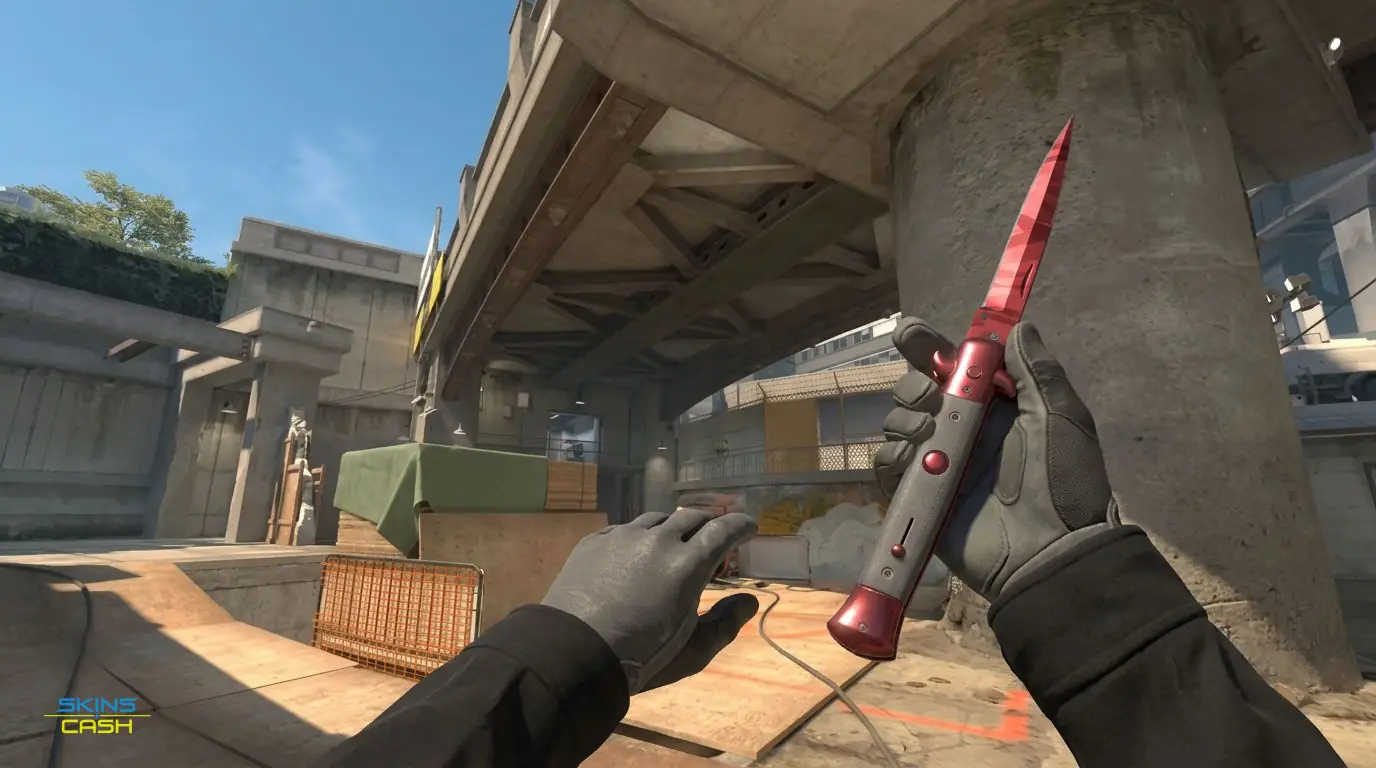
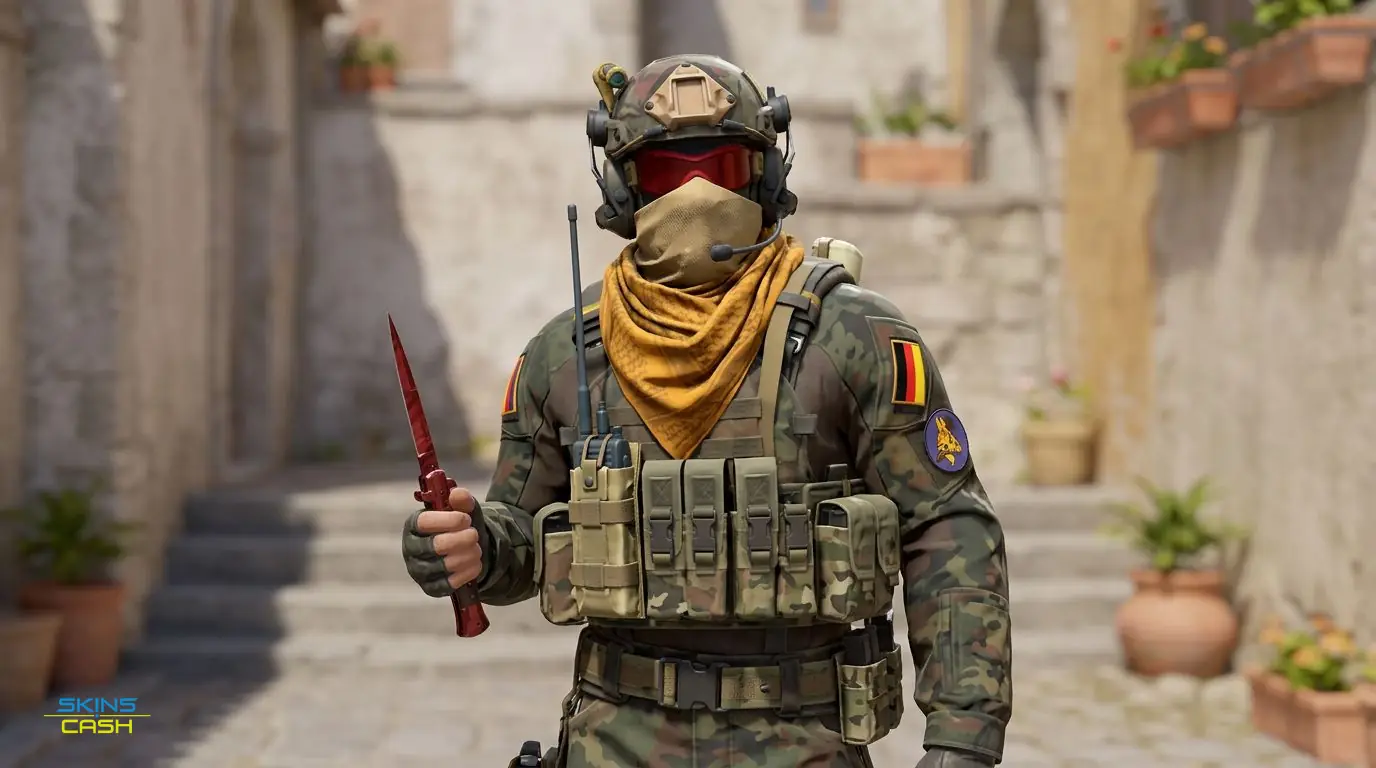
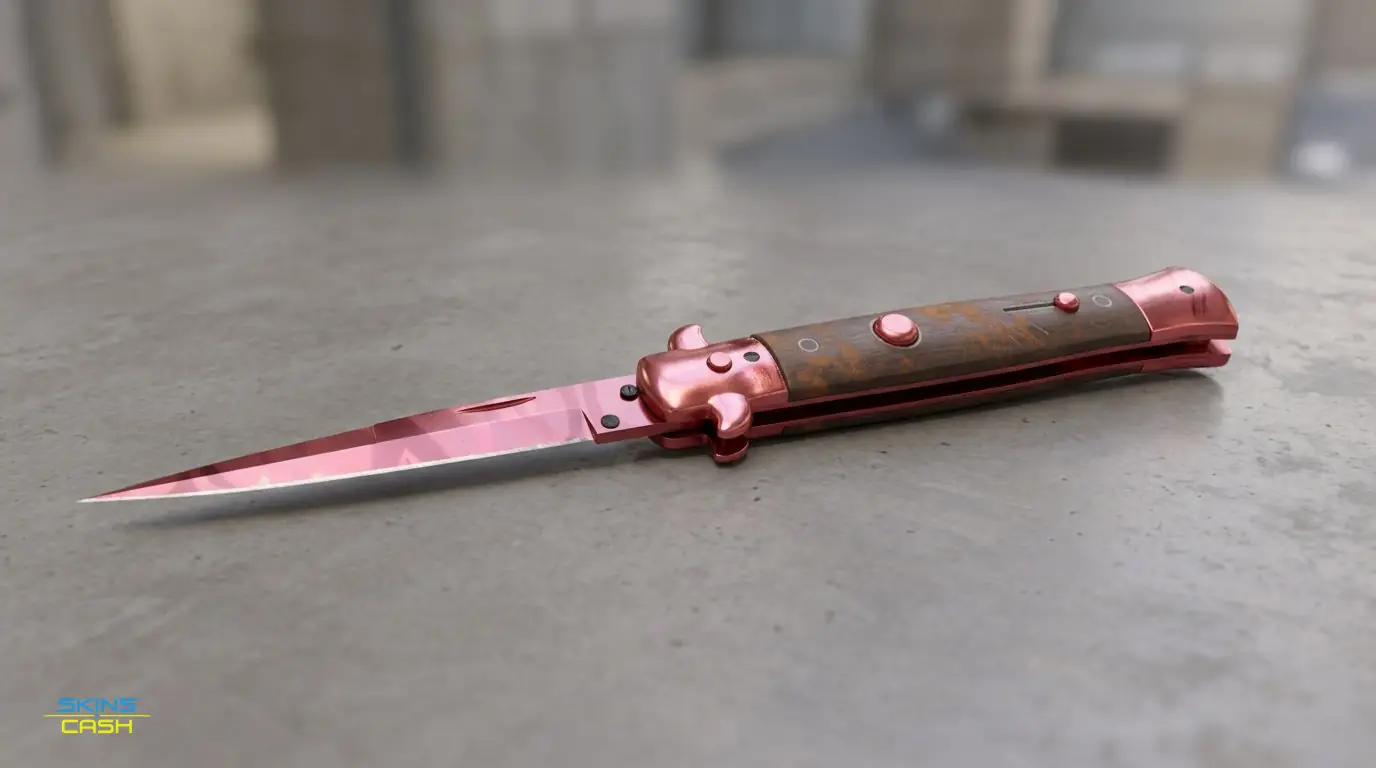
This is a mid bracket covert that trades with mainstream interest rather than grail heat; think steady demand from players and collectors rather than speculative flippers. High floor underpins even the weaker copies, so sellers are dealing with a defended low end and a somewhat concentrated pool of buyers at the upper rung. Valve as designer and the knife slot keep it visible in trade chats and pick queues, but this is not the kind that vanishes into hype overnight.
The payout ladder is capped and stepped rather than smooth; value clusters and then jumps at notable wear breaks, with a clean end that still commands the clearest premium compared with the rest. Because the profile is mainstream, you see distinct bands instead of a continuous slide, and short-term inversion behavior can make mid-wears out-earn certain top wears sporadically. Expect discrete pricing bands that traders map by float range rather than by random drift.
If you want skin-for-money, mid-clean copies deliver the best compromise between visual appeal and spread compression; they show the pattern and the anodized multicolored finish without carrying the full clean premium. Past that point the rewards for chasing the absolute clean face thin out quickly, so hunting for the very top float is only worthwhile for a specialist buyer or a Stattrak collector. For most sellers, mid-clean sits sweetly between liquidity and upside.
The gap between sticker and cashout comes from stepped asks at the top bands and a defended low end; listings peg to the clean end while actual buyer interest is more dispersed. Stattrak variants sit on a separate ladder and widen that gap further, so your net will often be below the headline unless you hit the exact wear band a buyer wants. Factor in that the market trades in lanes and you will not always realize the listing price without patience or concession.
The anodized multicolored Slaughter visibly softens across float; small changes move the look enough for experienced buyers to notice. Buyers do pay up for a cleaner face because the red palette and the finish amplify the pattern at low wear, but beyond the clean bands the visual difference matters less. That sensitivity explains why clean copies are hunted and why the ladder has sharp steps.
There is no pattern-index noise to fight here; seed does not materially affect price behavior, so you price and sell strictly by float and variant. That simplifies listings and reduces the usual randomness you see on knife finishes that rely on pattern quirks. Sellers can list confidently without hunting for rare seeds.
Being covert gives the low end structural support even when market sentiment softens, so worn copies retain a defended baseline. That scarcity underpin makes the lower bands tradable rather than trash, and it narrows the tail risk for sellers cleaning inventory. In short, rarity props the floor where similar mainstream knives might have collapsed.
The red-forward palette and anodized multicolored finish read aggressively in game, cutting through darker maps and showing off the Slaughter cuts on the blade. Valve's design keeps the visual language clean and recognizable at mid to low ranges, which is why players still pick it for showcase runs. The red splash is the selling point; buyers respond to it quickly.
This knife stems from the Horizon Case, so supply is tied to that container's circulation rather than to rotating events. Case origin keeps supply steady and predictable compared with limited-run sources, which matters when you plan exits. Remember that case provenance places it squarely in the usual catalogue flow rather than a rare extractor.
Over the longer run the skin has bled down from earlier peaks while seeing a softer recent recovery, making the arc one of contraction with episodic upticks. That re-rating tells you the market has trimmed excess and now reacts to short-term interest more than to speculative runs. Sellers should price with that cadence in mind.
Buyers should target the mid-clean ask lanes where spillover demand is strongest and spreads compress fastest. Avoid paying the premium for absolute clean unless you are flipping to a collector who specifically wants that band. Watch the ask stack closely; entry timing benefits from matching the buyer appetite for Stattrak versus non-Stattrak lanes.
Among players and traders this Slaughter sits as a well-known, respected piece rather than a cult favorite. The association with named pros helps keep it in view, and sentiment is practical: buyers want a good-looking blade that performs in match photos and trade threads. That steady, workmanlike reputation underwrites recurring demand without the volatility of trend-driven skins.