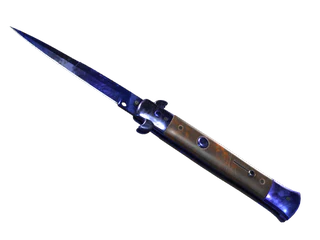
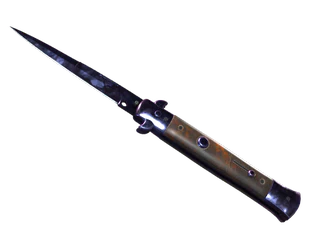
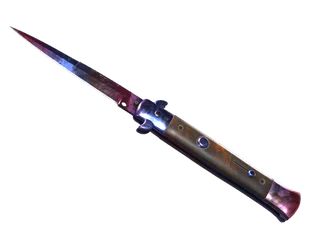
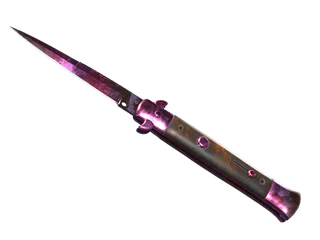
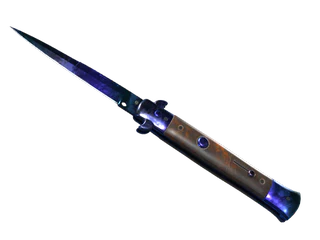
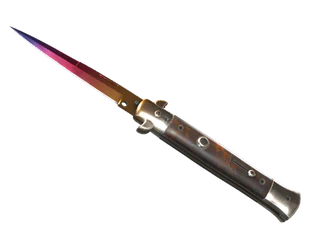
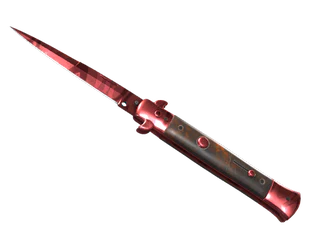
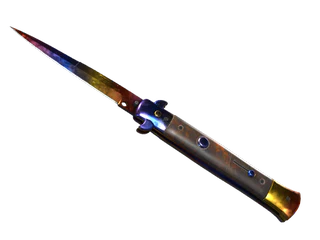
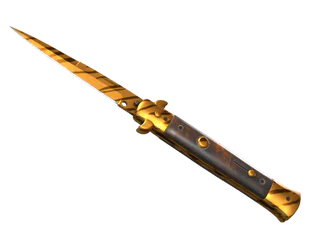
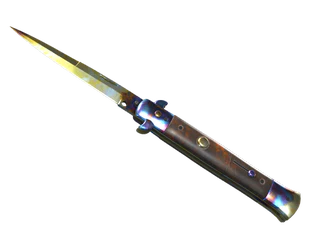
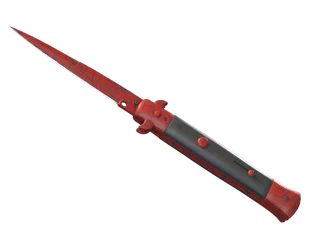
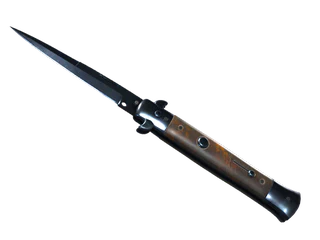
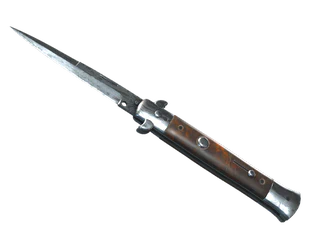
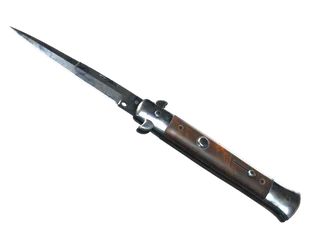
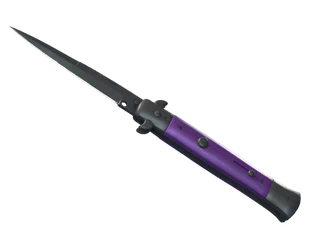
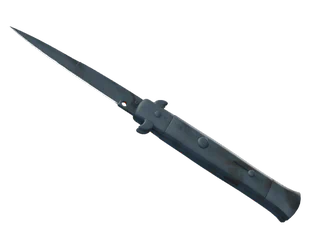
Mid-tier demand with a moderate floor and a capped float profile makes this Stiletto Knife | Safari Mesh a practical cashout piece rather than a speculative hold. Liquidity is mainstream but the market has been moving down hard, so size your exit around where buyers are actually bidding, not the sticker.
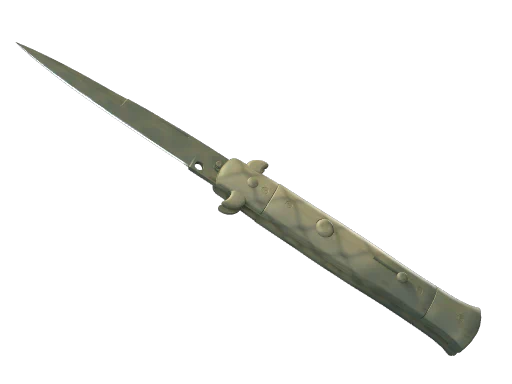
Mid-tier demand with a moderate floor and a capped float profile makes this Stiletto Knife | Safari Mesh a practical cashout piece rather than a speculative hold. Liquidity is mainstream but the market has been moving down hard, so size your exit around where buyers are actually bidding, not the sticker.
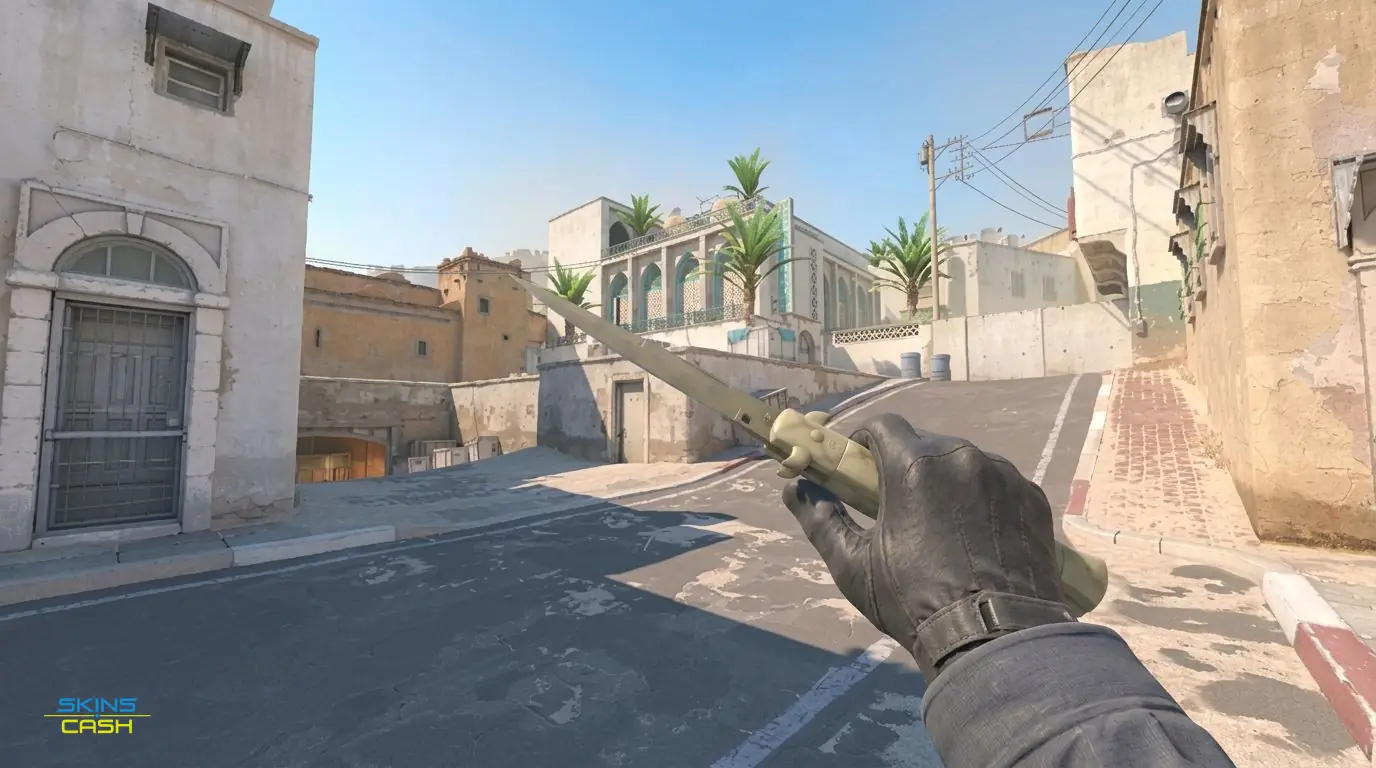

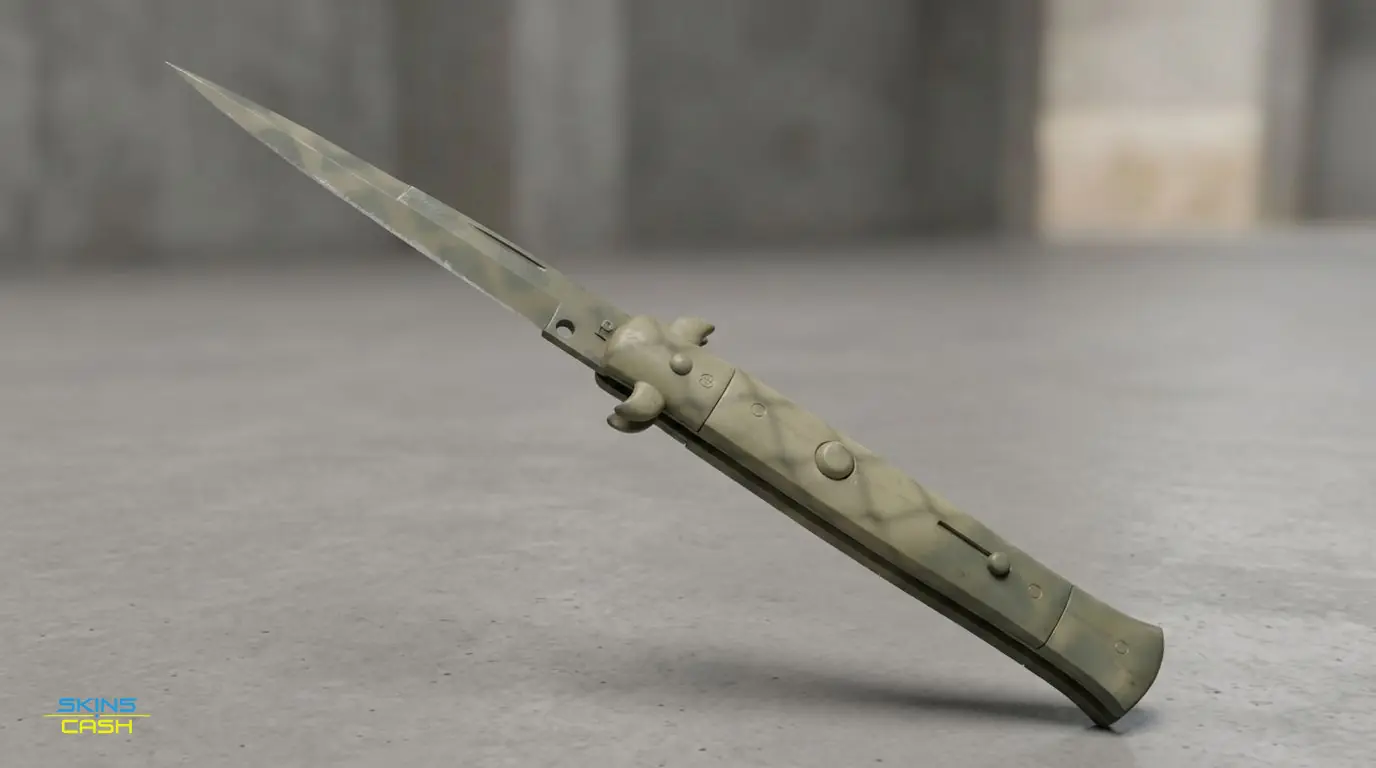
This is a true mid-tier covert in trader terms: not grail money, not budget junk. It clears as a cashout candidate for sellers who need reliable offers from the mainstream buyer base, while the moderate floor means you won't expect deep support if the trend keeps weakening.
The ladder is capped and tight at the lower end, then spreads into a cleaner premium; expect a steep climb as you move toward the cleanest copies. Clean floats attract the most aggressive bids, while the bulk of value sits through the mid-range where buyers are willing but choosy.
There is a visible gap between listing stickers and what you actually take home because buyers lean conservative on mid-tier hardsells. Listings stack above the market; your true cashout will reflect negotiated bids and platform fees more than the headline price on a fresh listing.
Most practical value sits in the near-clean to mid-range copies where visual appeal meets affordability for collectors who want the spray-paint look without chasing the cleanest specimens. Above that point the payout curve sharpens and the marginal return for cleaner floats thins out fast.
Because the finish is capped the worst copies are cleaner than with the full float spread, so the bottom rung never looks as trashed as other knives. That compression changes buyer expectations: people pay as if the whole ladder skews toward cleaner wear, which helps the lower band trade steadily.
StatTrak exists and follows its own demand rhythm; ST copies draw a separate pool of buyers who prize kill counters more than pristine floats. The StatTrak corridor keeps liquidity active but it won't behave exactly like the non-ST market when buyers hunt specific float sweet spots.
Here you can see wear inversion where a dirtier StatTrak beats a cleaner one because the counter and the float interplay differently for collectors. Watch for listings where sellers priced solely by visual float; an ST buyer may prefer a unique counter or pattern over a marginally cleaner finish.
This knife drops from the Horizon Case, which puts supply into a familiar, mainstream pipeline rather than a limited boutique run. That origin keeps flows steady and predictable compared with more obscure containers, so expect fresh copies to surface on a regular basis.
The palette reads gray and utilitarian, and the spray-paint finish gives the blade a worn, tactical texture that suits players after understated steel. Valve's designer stamp matches the execution: functional, low-contrast, and readable at distance in live play.
All-time range has been massive, so prices have swung widely over cycles and sentiment shifts. Right now the market sits well within that broad band and the current trend has been pushing values toward the lower half of the historical span.
Traders often list by sticker instead of by the live buy-side bids, or they ignore the capped float when assuming the bottom wear is worthless. Stop by the live price block, confirm StatTrak status and float banding, and price to the buyer you actually want to attract.
Among players and traders this Stiletto reads as a competent, mainstream choice rather than a cult favorite; sentiment skews practical. That translates to steady, rational demand rather than hype-driven spikes, which suits sellers who want predictable exits.