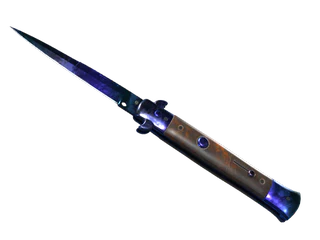
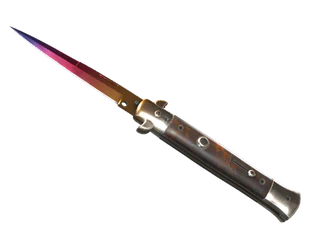
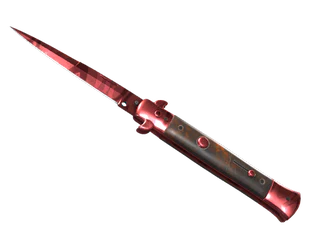
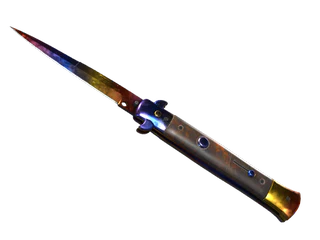
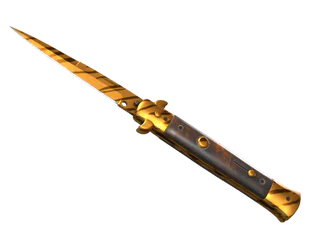
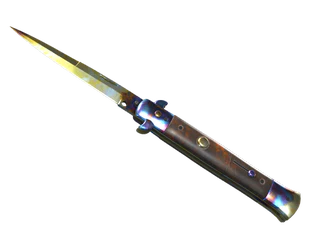
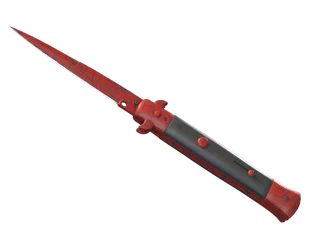
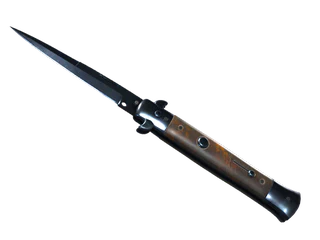
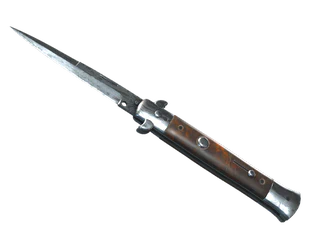
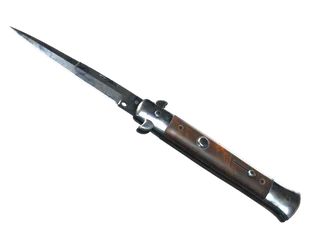
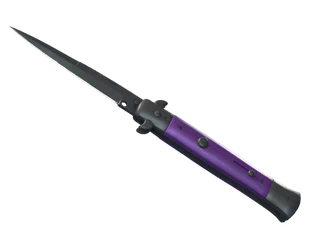
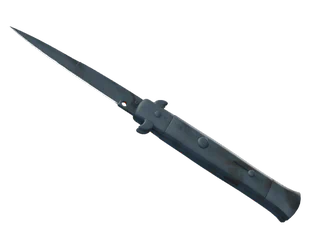
A mid-tier covert that sits where mainstream buyers live: steady interest, a moderate factory-new premium and a payout profile shaped by a capped float. The market has been pulled down over the long window but has recently shown a sharp bout of buying, so timing matters if you want the top clean copies.
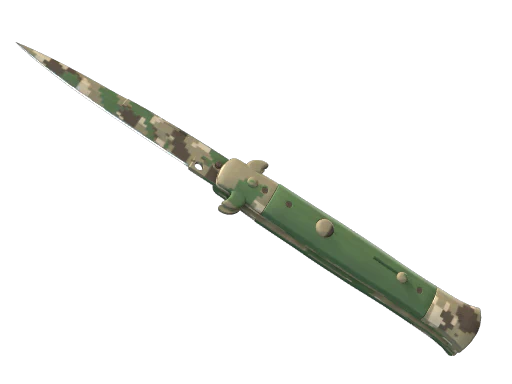
A mid-tier covert that sits where mainstream buyers live: steady interest, a moderate factory-new premium and a payout profile shaped by a capped float. The market has been pulled down over the long window but has recently shown a sharp bout of buying, so timing matters if you want the top clean copies.
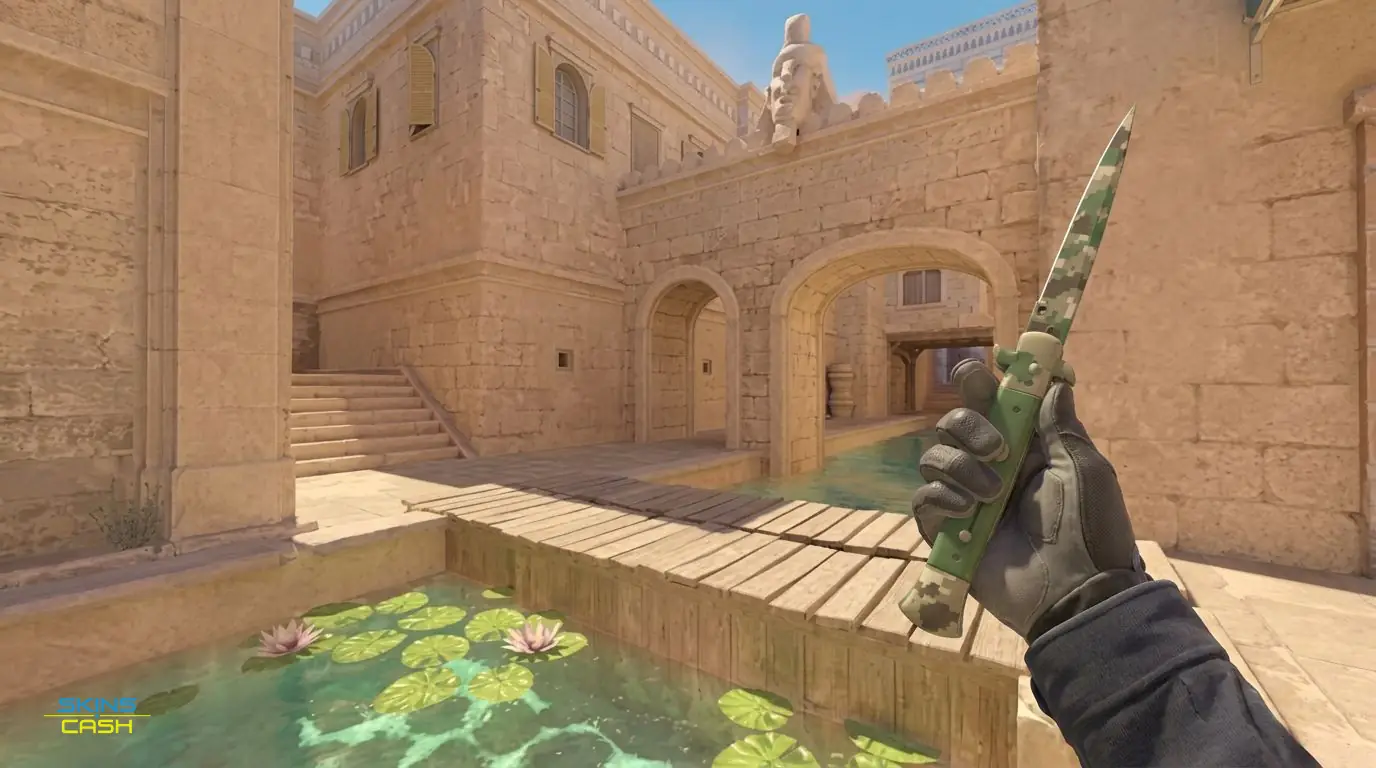

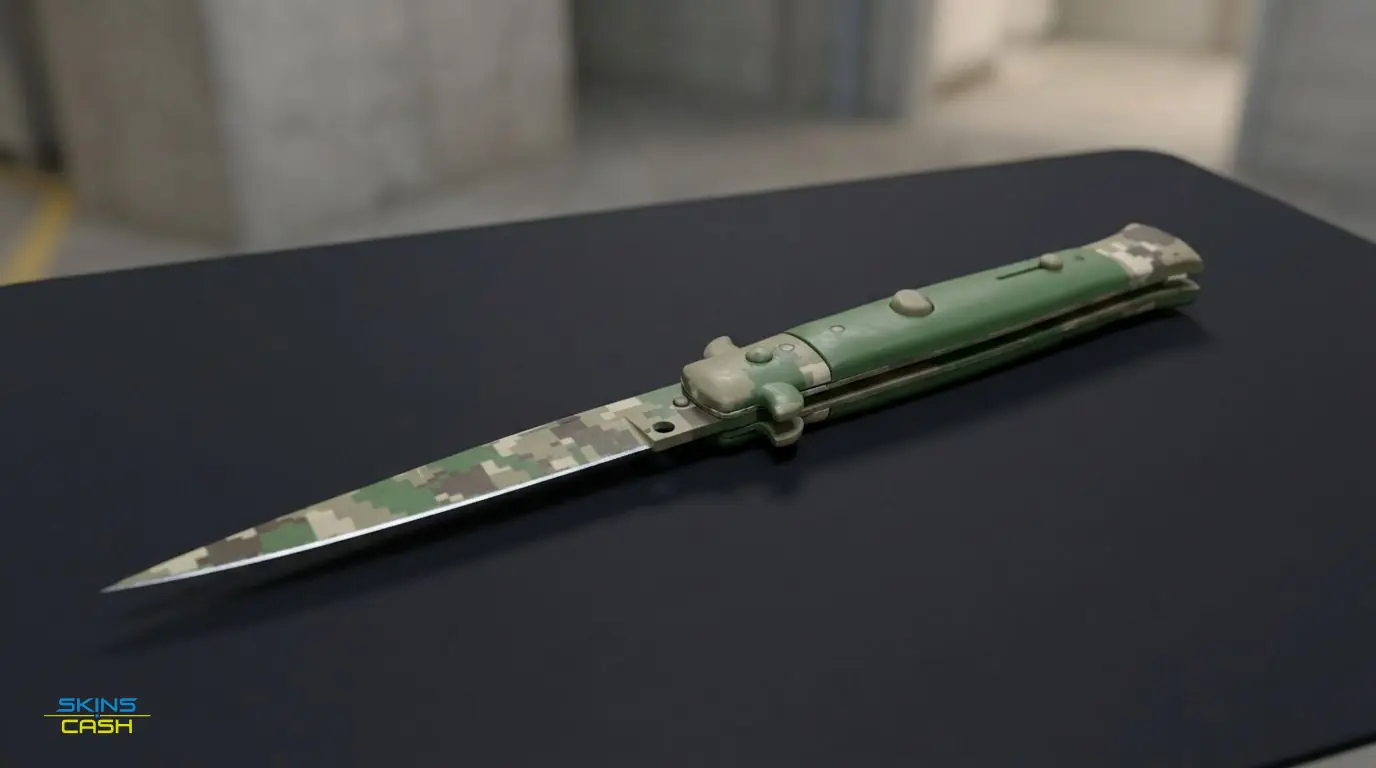
This is a mid-level covert that trades inside the mainstream bracket rather than the grail corner; it finds buyers who want a solid knife look without chasing rarity theatre. That standing makes it easy to move with patience - you will see offers, but the best fills come from focused buyers who prize the hydrographic green palette and prefer cleaner floats.
The ladder shows a clear ramp: value concentrates toward the clean end with a marked jump there, then a longed slope through average wears. Because the float range is capped, the curve tightens before the extreme worn end would normally flatten, so expect a steeper step into the premium zone than on unconstrained blades.
Mid-clean copies deliver the most skin for cash; they read like a knife and avoid the price cliff of the very clean tier. If you're selling, aim to list around that middle-clean band where demand and dollars meet without trying to force a clean-end premium that only a few buyers chase.
On the worn side payouts sit close together, so small float changes there barely move value. A seller holding a more worn copy can be pragmatic: price for speed or hold for a cleaner offer, but don't expect incremental float improvement down low to unlock meaningful extra cash.
This finish does not span the usual full float spectrum, so the worst-looking copies still read cleaner than similar hydrographic knives without the cap. That behaviour compresses lower wear differentiation and shifts perceived scarcity toward the top of the capped range rather than the bottom.
StatTrak exists but behaves differently than you might expect here; the ST line does not simply scale above normal copies. For sellers the ST premium is present but muted in places and occasionally inverts, so you need to price ST against contemporaneous normal listings rather than rely on a fixed markup.
There are no pattern-unique values to chase with this Forest DDPAT finish, so pattern index doesn't move the price. Float and the capped range tell the whole story; skip complex seed hunting and price against wear instead.
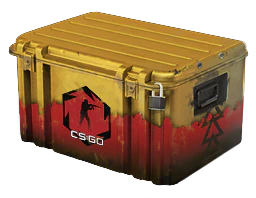
It comes from the Horizon Case, which keeps supply steady and predictable compared with sporadic collections. That origin helps explain why you see a continuous spread in listings and why sharp supply shocks are unlikely for this blade.
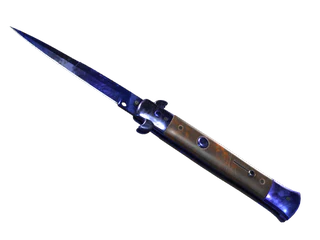
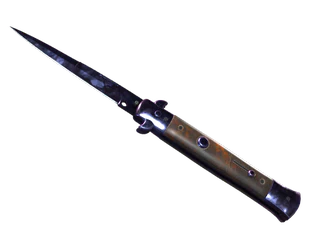
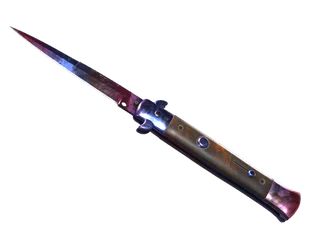
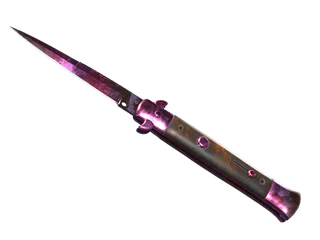
The green hydrographic finish reads crisp in-game: muted forest tones with a matte hydrographic texture that avoids garish highlights. Valve's execution favors practical stealth over flash, which is why players who want a clean, military look pick this knife.
Short-term momentum is positive while the long window shows heavy downward pressure, which signals traders rotating back into the comp after a washout. If you need liquidity now, you can lean on the recent uptick; if you can wait, watch whether the short burst sustains or fades into the longer trend.
Sellers often list without checking the capped float and then misread where value sits, or they treat StatTrak like a constant premium. Avoid that by matching listings to float bands and cross-checking live ST asks; small oversights on float placement will cost you more than a slightly aggressive sticker.
The community respects this knife for its practical look and Valve provenance rather than hype. Demand comes from steady players who value the hydrographic forest aesthetic, so expect consistent interest rather than volatile, speculative pops.