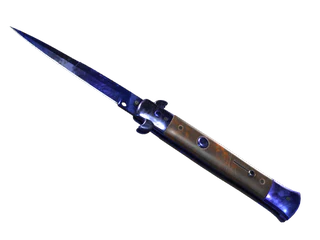
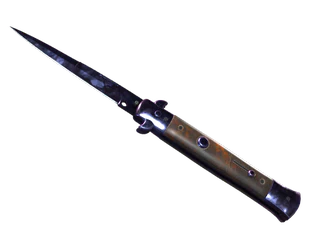
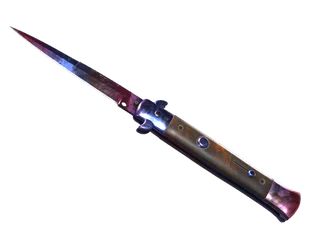
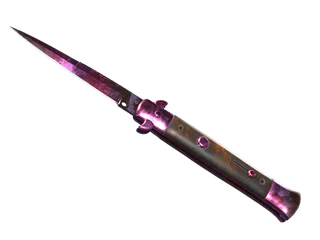
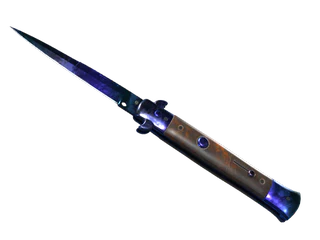
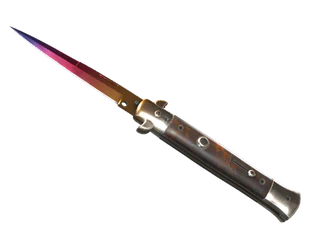
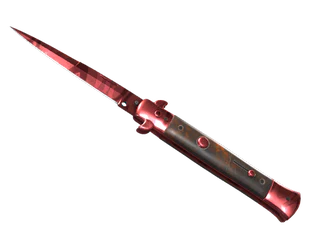
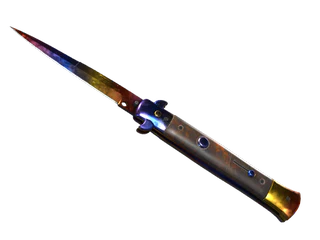
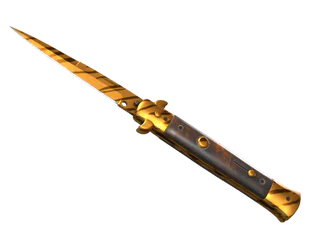
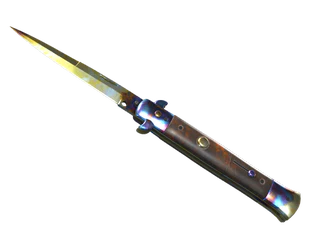
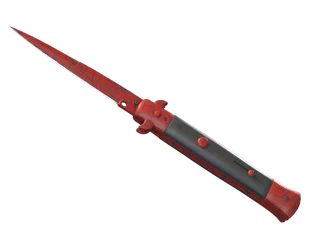
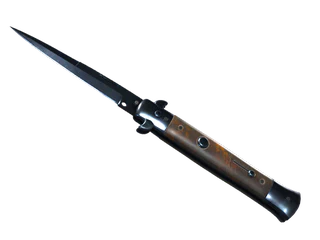
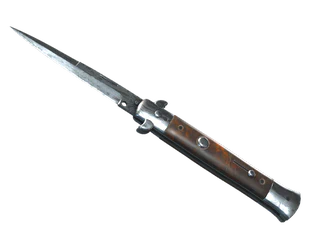
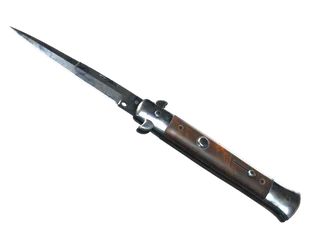
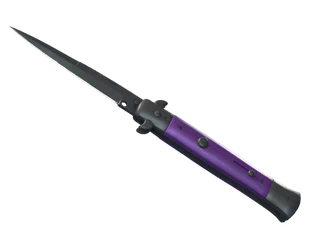
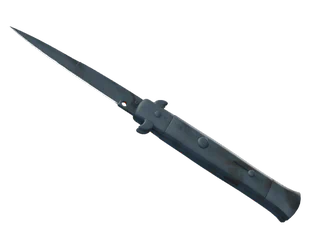
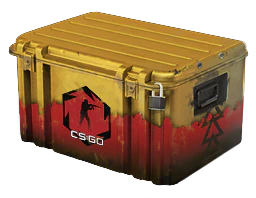
Mid-tier demand with a clear trading game: this is a mid-range covert knife that attracts steady interest from collectors and buyers who care about float. The capped hydrographic finish concentrates value at the cleaner end while supporting a usable low end thanks to rarity and its Horizon Case origin.
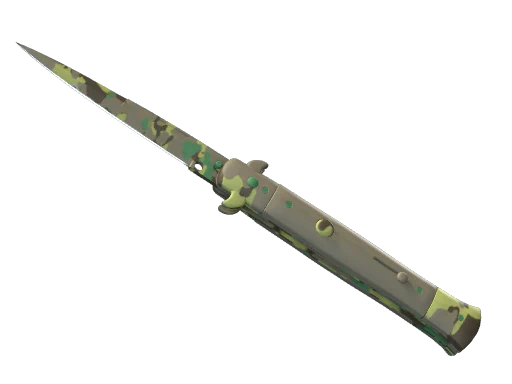
Mid-tier demand with a clear trading game: this is a mid-range covert knife that attracts steady interest from collectors and buyers who care about float. The capped hydrographic finish concentrates value at the cleaner end while supporting a usable low end thanks to rarity and its Horizon Case origin.
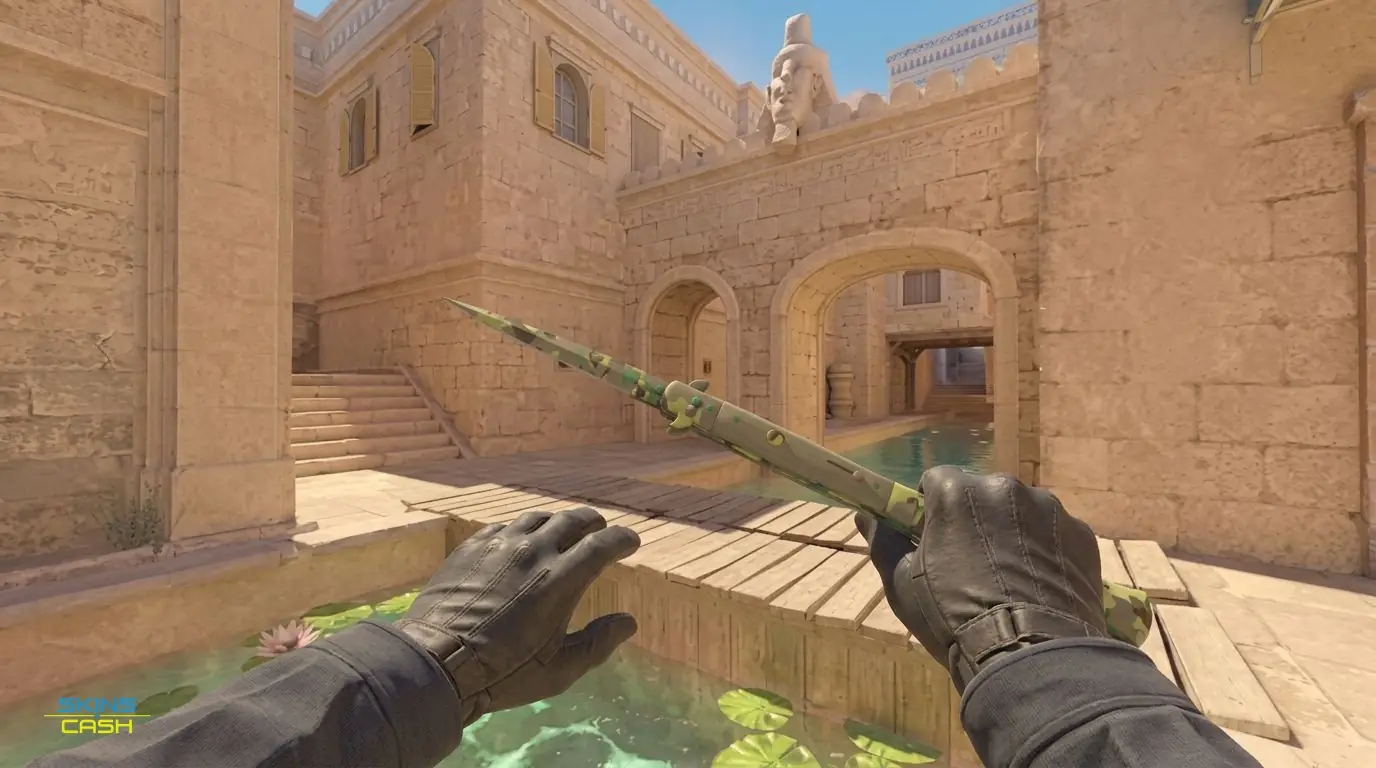
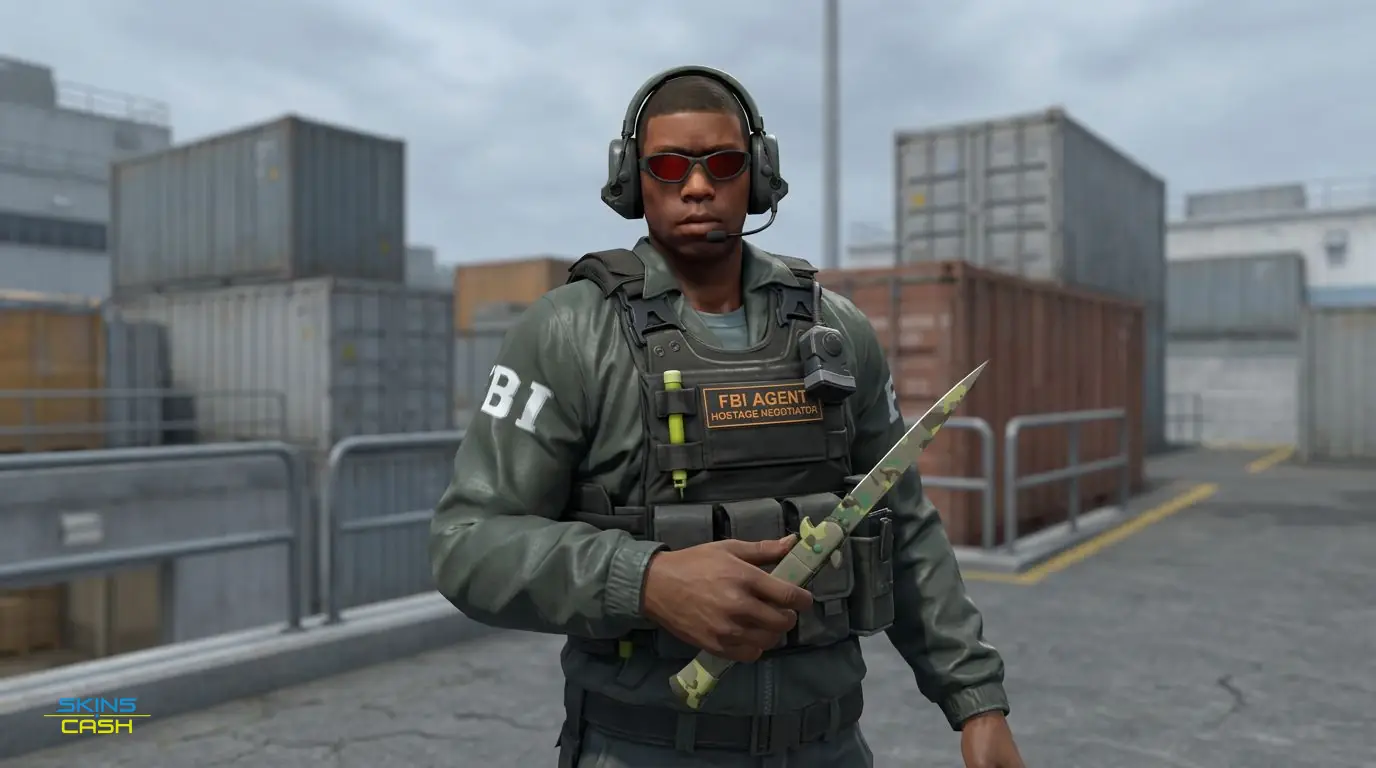
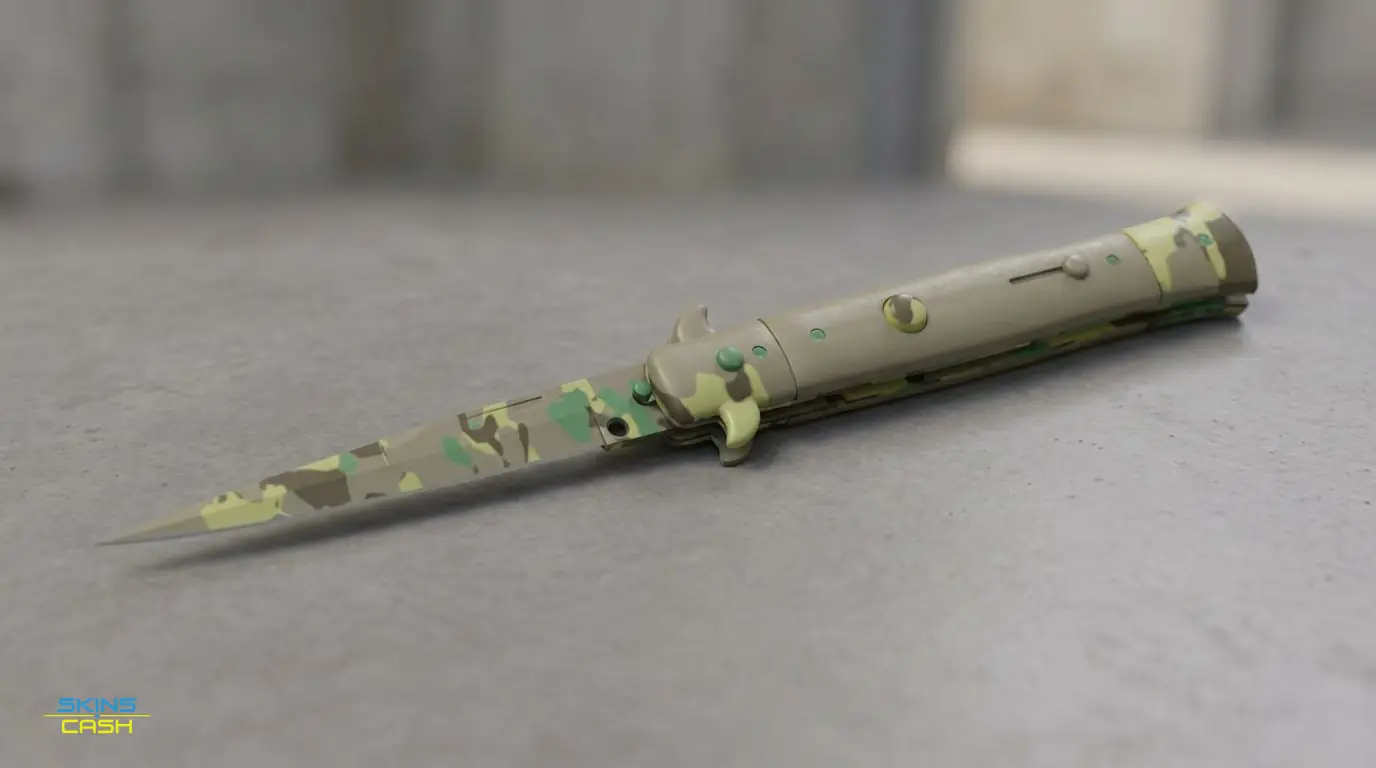
Sits squarely in the mid bracket among covert knives - not grail money but far above budget blades. For a seller that means steady interest without feverish bidding; you clear quicker than a slow grail but you also can't expect instant flipping from casual buyers.
The payout curve tilts toward the clean end with a noticeable stepdown after the top tier; think concentrated premium at the best looks and a gentler slope moving toward the mid wears. That shape rewards holding the clean copies and moves more slowly through the middle of the ladder.
Listings show optimism; real cashout sits lower because buyers factor in the capped range and the case supply. Expect a gap driven by what buyers actually accept versus sticker asks, and plan your exit around where you see fills rather than the highest visible listing.
The best skin-for-money is in the middle-to-clean segment where the hydrographic still reads sharp but you avoid the top-tier premium. Past a certain cleanliness the marginal payout for a better float drops fast; beyond that point you pay more for marginal visual improvement.
Hydrographic and this finish do not use the entire float spectrum, so the so-called worst copies are cleaner than typical knives. That compresses downside risk; the bottom of the ladder behaves closer to a usable appearance than a beaten-out example.
There is no pattern index effect here to skew pricing, so pattern noise is absent and buyers price strictly by float and condition. That simplifies valuation: float is the lever, pattern is irrelevant.
Covert rarity props up the low end of the ladder even when wear moves down; worn copies still carry inherent value because the tier itself is scarce relative to lower rarities. That underwritten floor keeps sellouts from collapsing into true pennies.
This knife comes from the Horizon Case, and that origin feeds supply dynamics buyers know. Case origin keeps a steady trickle of copies entering the market rather than flash drops from temporary events.
Green and gray play well on the stiletto profile, and the hydrographic finish gives a subtle, tactical aesthetic that reads clean in most lighting. The Valve design keeps the pattern restrained, so the knife looks deliberate rather than loud in hand.
The one month uptick shows renewed buying interest while the longer trend has been sliding down, signaling short-term appetite without reversing the broader re-rating. If you need out, catch the soft lift; if you can wait, watch whether the short window becomes a sustained trend.
Traders often ignore the capped float and treat this like an unrestricted knife, or they list at optimistic sticker levels without accounting for the buyer spread. Avoid both: label your float clearly and price to expected fills, not to highest visible ask.
The community views this as a tasteful, mainstream stiletto with reliable appeal rather than a collector grail. That steady sentiment translates to consistent demand from players who want something that looks good in play rather than a flashy showcase piece.