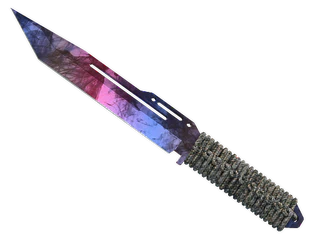
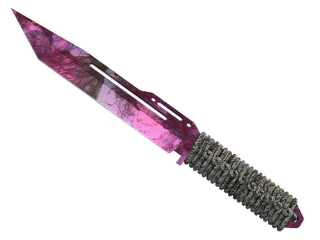
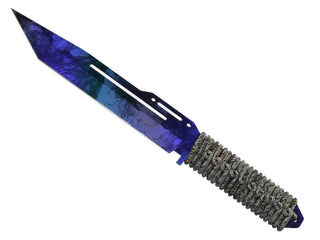
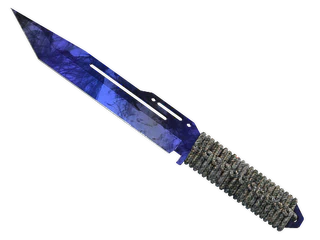
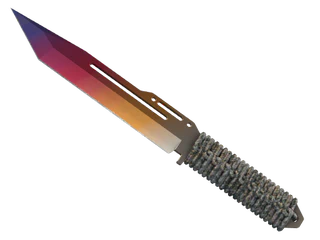
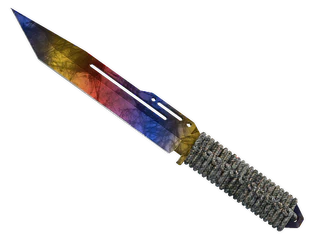
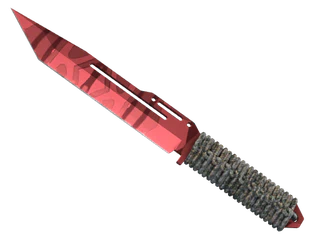
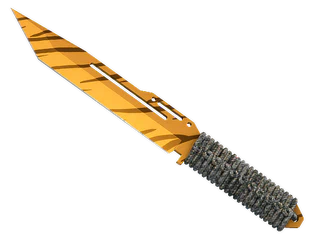
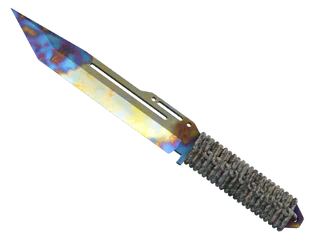
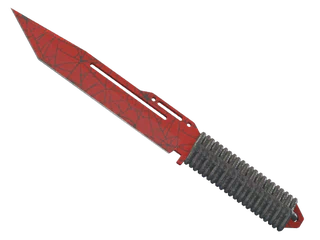
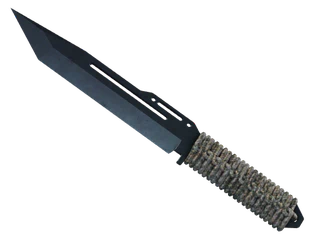
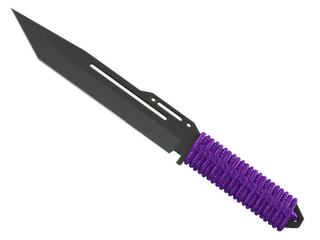
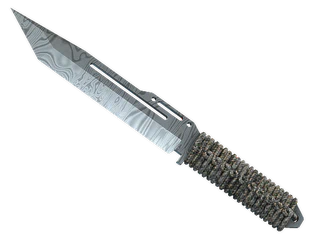
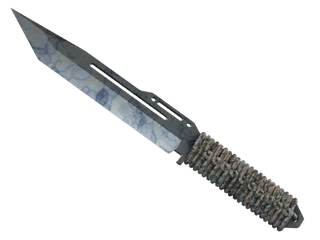
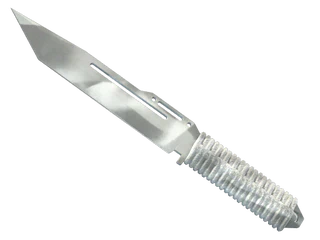
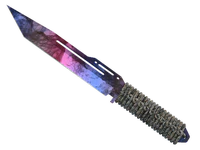
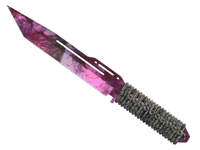
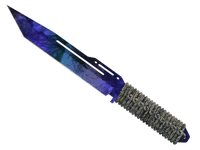
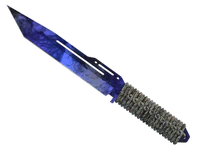
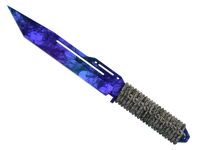
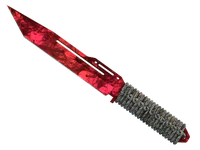
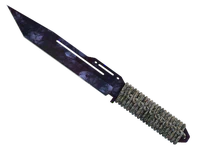
A capped Doppler Sapphire paracord sits as a premium blade that trades with a clear clean-end focus and a wide historical band. Supply behavior is straightforward: no StatTrak lines, a capped float range and a phase-style pattern that makes top-tier copies the only ones that change hands meaningfully.
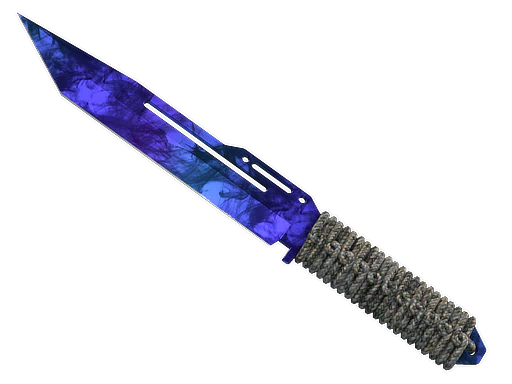
A capped Doppler Sapphire paracord sits as a premium blade that trades with a clear clean-end focus and a wide historical band. Supply behavior is straightforward: no StatTrak lines, a capped float range and a phase-style pattern that makes top-tier copies the only ones that change hands meaningfully.
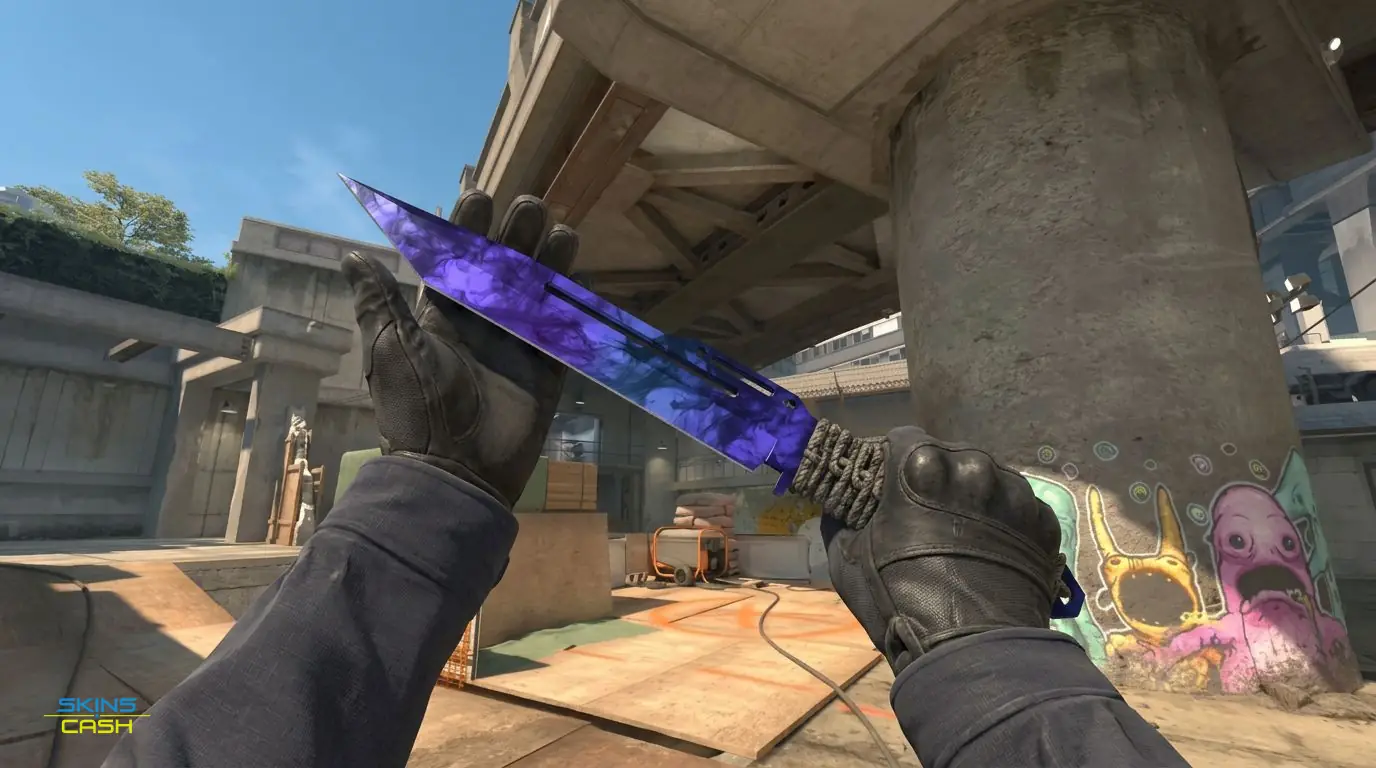
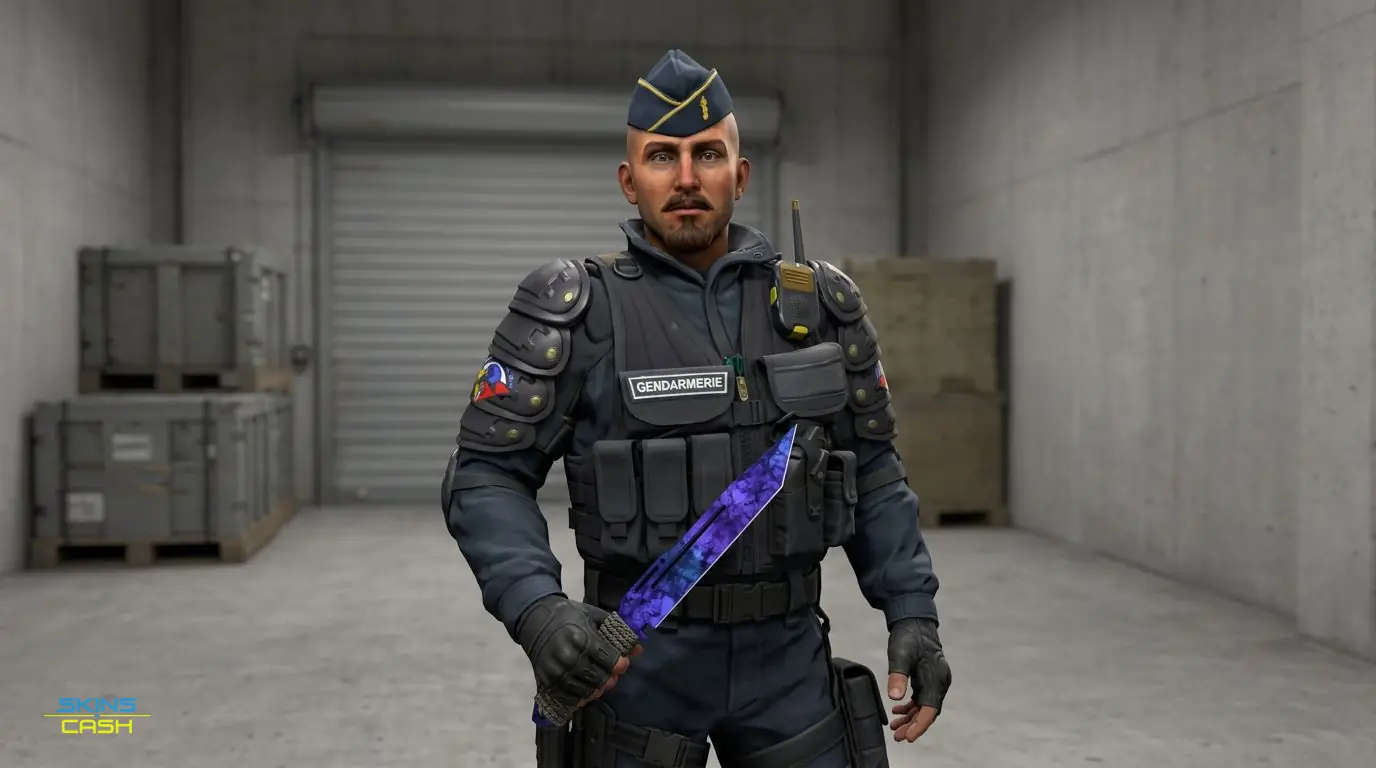
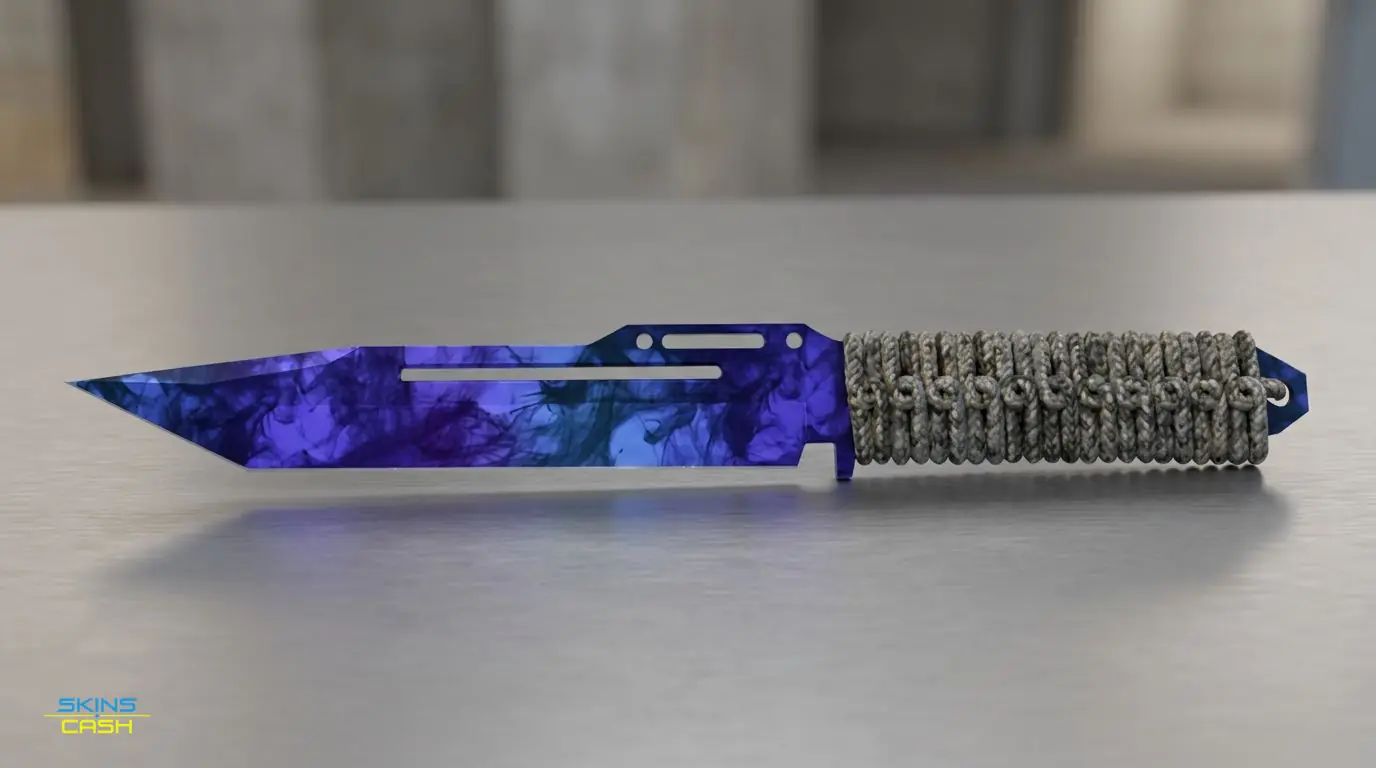
This is a premium-tier covert knife in a mainstream market: buyers know what they want and they pay for the clean copies above the rest. For a seller that means selective liquidity - the serious bids live at the top of the ladder while the rest moves slowly unless relisted aggressively.
The ladder is front-loaded with a steep drop from the clean end into the bulk of copies, then a long tail where prices compress. Phase variations make tiny visual shifts that matter to the keen buyer, so the payout curve is not smooth across every increment of wear.
Expect a visible gap between listing sticker and cashout; auctionable bids sit below asking and platforms take their cut. The spread widens most on cleaner floats where demand is concentrated, so your expected net will usually sit under the public ask unless you chase quick liquidity.
Mid-clean copies are the sweet spot for skin-for-money if you want playability without overpaying for a flawless mirror. Once you hit the top phase and the near-mirror sapphires, the incremental premium outpaces utility and the payout stops rewarding marginal float improvements.
This Doppler variant does not run the full wear spectrum, so the worst copies look cleaner than typical knives and the bottom rung behaves tighter than usual. That cap shrinks the number of truly worn specimens and shifts value density toward the clean-phase segment.
Being covert provides a structural support under the entire ladder, keeping even the lower-tier copies above common blades. That rarity floor matters when buyers shop for a beat-up user knife: they still pay more than for lower-tier weapon classes.
There is only one market line here - no StatTrak, no Souvenir, no parallel variants - which simplifies pricing and removes cross-line arbitrage. Sellers read one price feed and buyers choose by float and phase alone, which makes execution cleaner.
Supply originates from the Fever Case, a known container for high-end finishes, and that origin filters the pipeline of available copies. Case supply dynamics keep new inflows constrained compared with mass-drop containers.
Valve's anodized multicolored finish with a dominant blue tone reads as a cool, deep mirror that plays well in utility and showcase screens alike. The sapphire lean keeps reflections crisp and the blue identity translates cleanly in most in-game lighting.
The skin has shown a wide all-time band with more movement than a tightly ranged icon; prices have vacillated enough to make timing matter. Recent trading sits well off the absolute highs and off the absolute lows, so plan exits around where liquidity concentrates now.
Buyers should prefer offers that sit inside the live ask band rather than chasing top-mirror stickers; patience pays when the spread tightens. Target the mid-clean zone for a safer flip unless you can hold out for the phase-perfect copy that attracts premium bids.
The community respects the Doppler Sapphire mirror and the blue-dominant palette, especially among collectors who value clean finishes. Sentiment is pragmatic: admiration for clean examples, indifference to the worn tail, and predictable demand when a clean copy appears on market books.