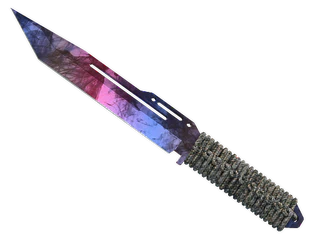
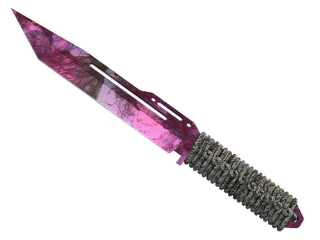
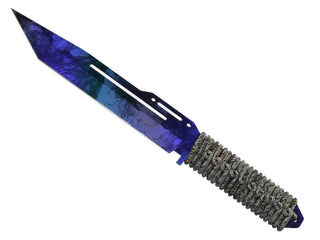
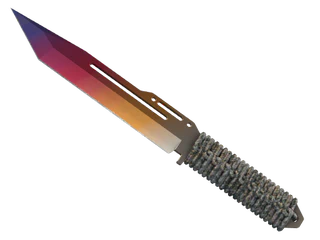
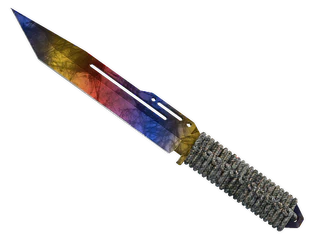
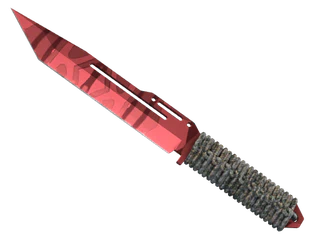
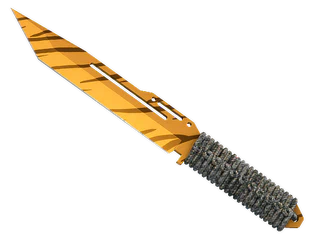
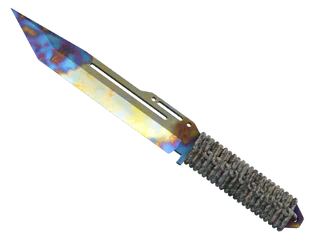
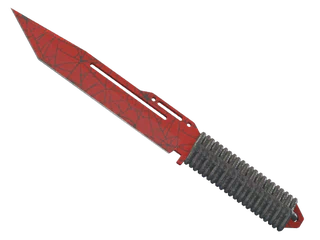
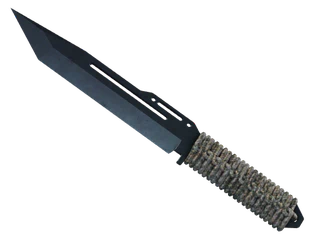
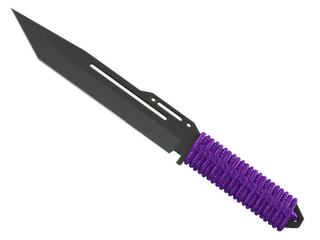
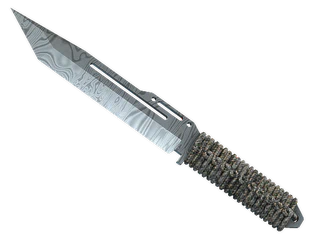
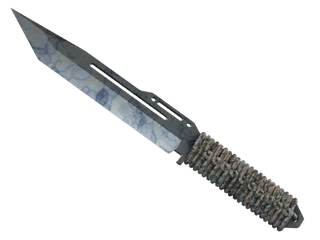
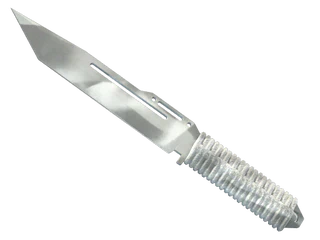
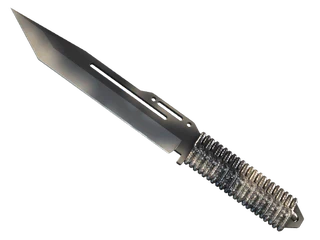
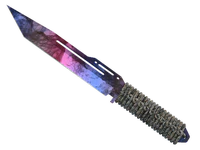
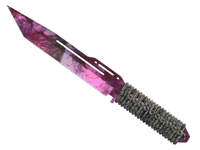
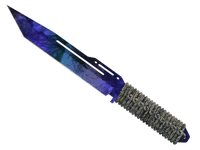
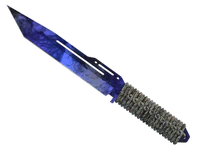
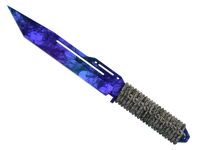
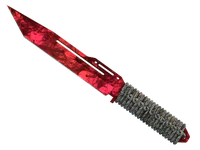
Top-tier demand concentrates at the clean end for this Doppler Phase four Paracord Knife, and the market treats it like a premium blade rather than a run-of-the-mill drop. With a tight historical range and a strong floor, sellers can expect few deep swings but should price for scarcity at the best floats.
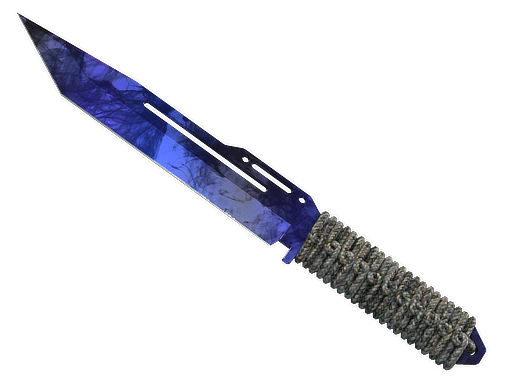
Top-tier demand concentrates at the clean end for this Doppler Phase four Paracord Knife, and the market treats it like a premium blade rather than a run-of-the-mill drop. With a tight historical range and a strong floor, sellers can expect few deep swings but should price for scarcity at the best floats.
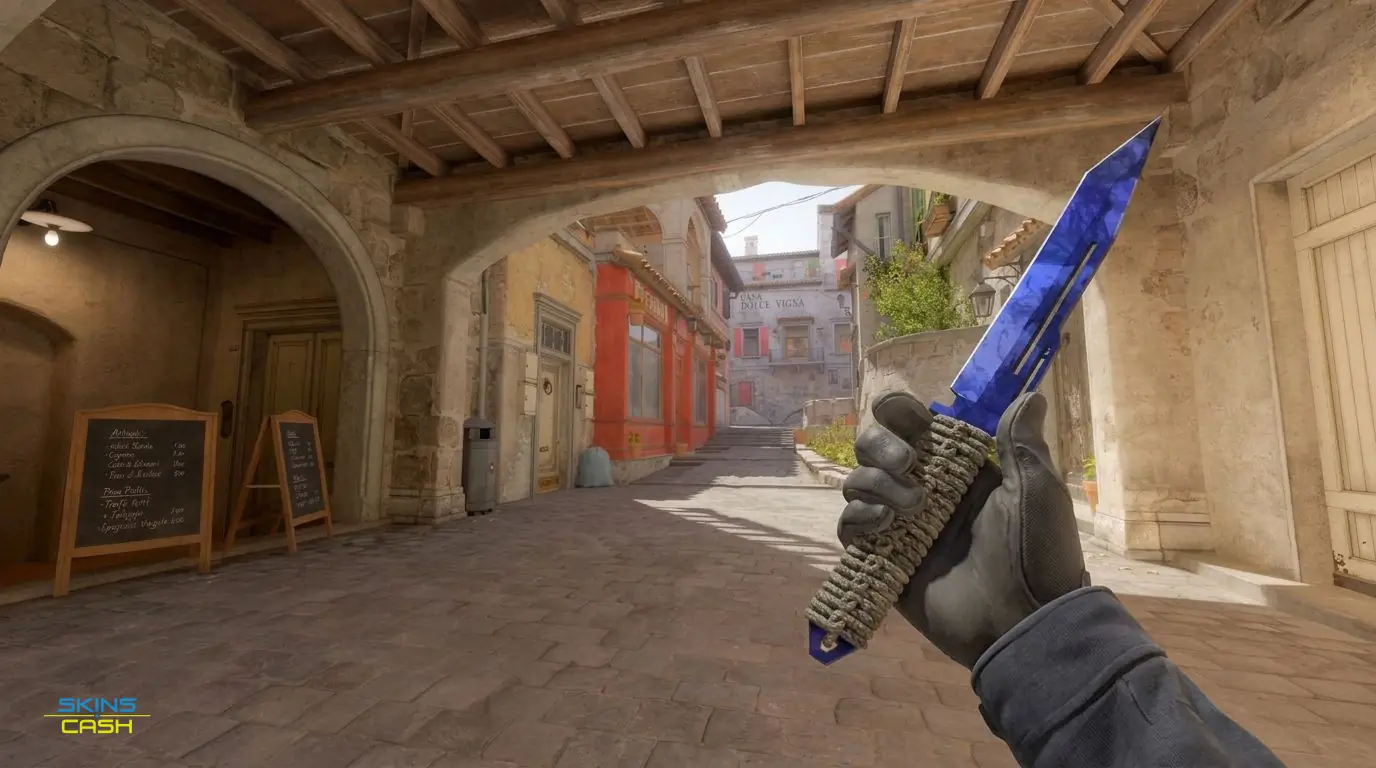

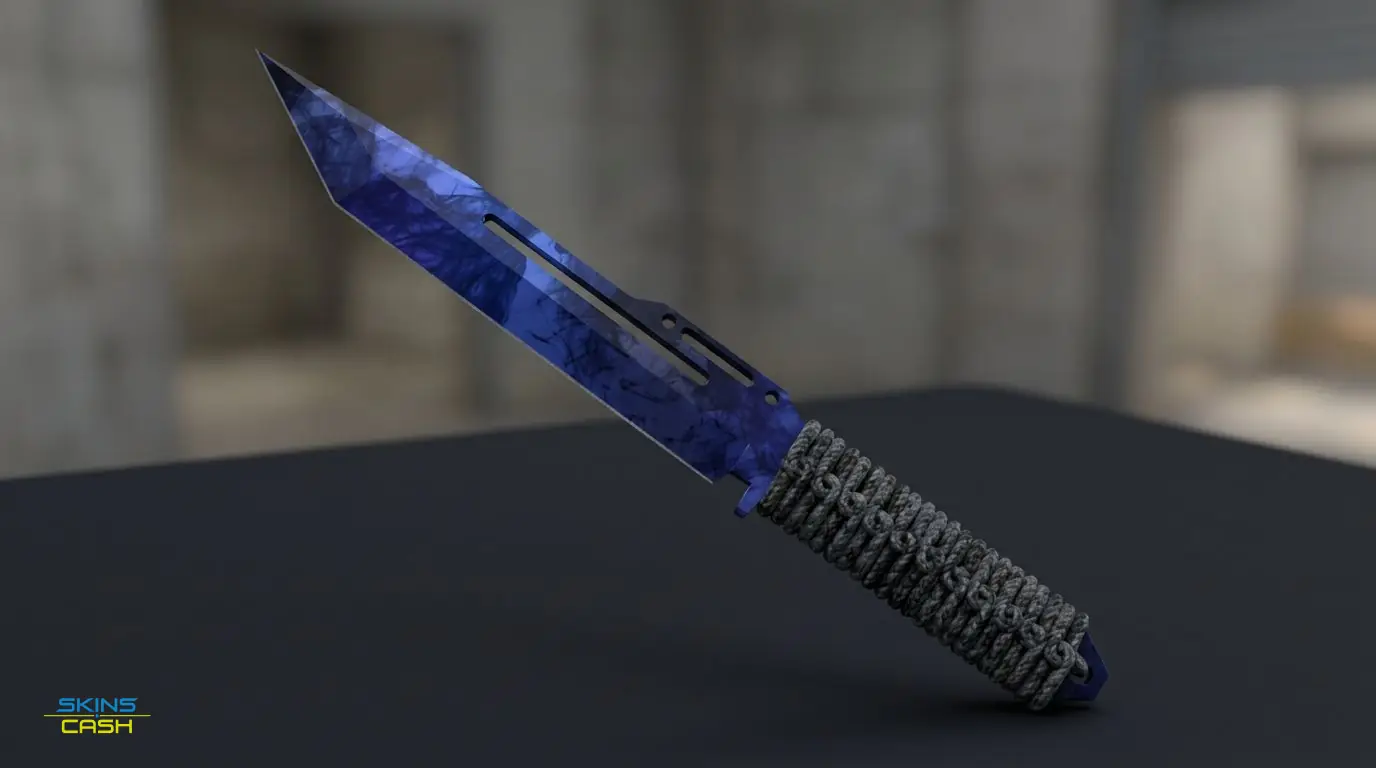
This lives in the premium bracket for covert knives and behaves like a collectible more than a utility flip. Buyers are selective; listings move when the float and phase line up, so sellers get fewer quick bidders but the ones who do buy are decisive and pay for the right copy.
The wear ladder is capped and compressed toward the cleaner end, not a long gradual slope. Expect a clear kink where the payout compresses, with most value stacked among the cleanest floats and a gentler drop after that point.
Mid-clean floats deliver the most skin-for-money because the jump toward absolute clean copies is steep and only rewards buyers chasing that top look. If you want liquidity, aim for the band before the premium kinks; those copies spend less time listed.
Sticker prices on listings sit above what you actually net; the gap widens on higher-tier copies because buyers factor in the rarity and choose offers conservatively. For sellers, that means calibrating expectations and setting a realistic ask if you want a fast fill versus hunting top bids.
The anodized multicolored finish keeps its visual pop until the topmost wears, so small float differences can still change perceived quality noticeably. Clean faces attract attention; once patina or scuffs appear, the visual step down is obvious to collectors.
StatTrak copies exist and act like a parallel market with its own appetite; the premium is consistent but not outsized. StatTrak moves on a separate curve and will usually trade through different buyer types, so treat it as a distinct listing strategy.
Phase four carries its own appeal within the Doppler family, and seeds that hit the right micro-pattern can push a listing above comparable floats. Always check the phase alignment and pattern before pricing - a favorable seed will close the listing faster and draw the serious collectors.
The blue-dominant palette reads cold and sharp on-screen, and Valve's anodized multicolored finish gives that mirror-like sheen that plays well in rotations. It photographs clean and the blue tones sit well with darker glove combos, which keeps demand steady among style buyers.
This knife drops from the Fever Case, so supply is tied to that container rather than a generic case pool. That origin keeps available copies concentrated and helps maintain the premium character versus more common case sources.
Over the past cycle the rating has softened and the trajectory points downward overall, though recent movement has been flat at the current levels. The downwards arc means buyers are choosier; sellers finding strong offers should consider taking them rather than waiting for a reversal.
The historical band is tight, so this skin hasn't traded through a huge spread historically. Being within a compressed range reduces headline volatility, which favours sellers who price to current market bids rather than chasing rare peaks.
On a premium piece like this, patience matters because the right float and phase line up only occasionally and buyers for top copies are selective. If you can sit on the listing you often secure a better fill, but quick selling means pricing into the more liquid mid-clean band rather than holding out for peak bids.