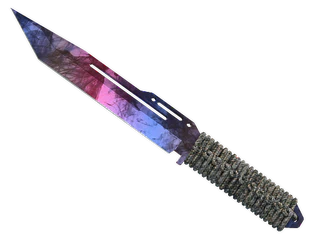
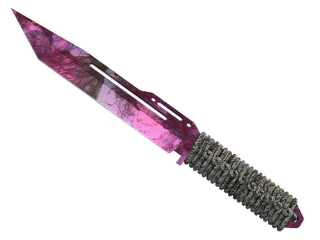
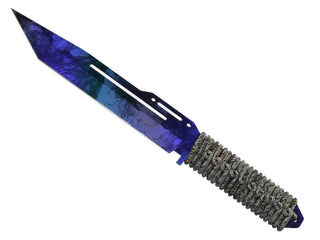
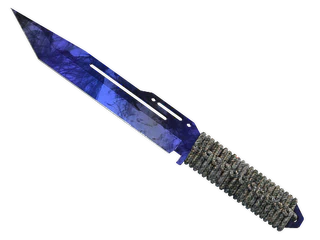
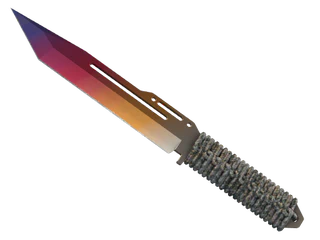
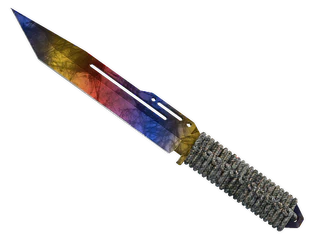
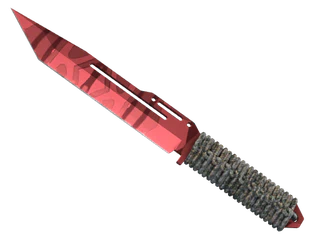
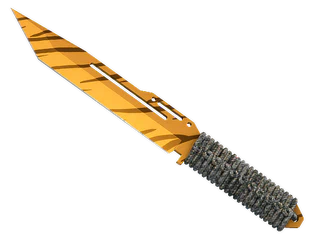
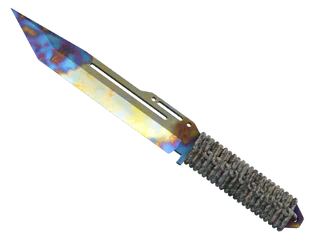
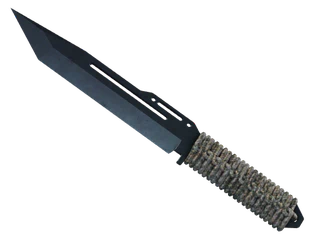
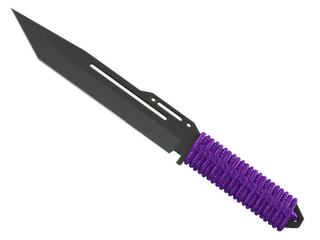
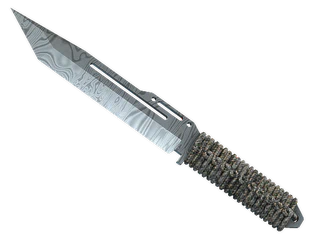
Mid-tier demand with a clear split between cleaner and worn copies. The market has been weakening recently, so clean specimens are where attention and bids concentrate while worn pieces trade in a compressed band. Sellers should check float and the live block before pulling the trigger.
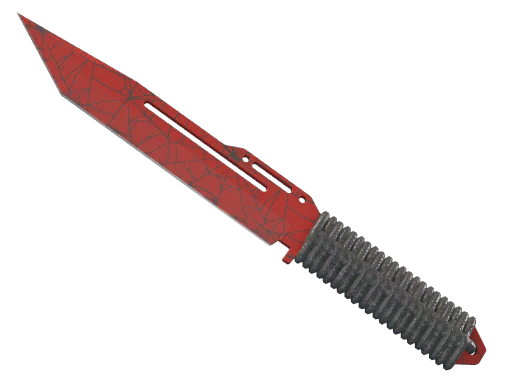
Mid-tier demand with a clear split between cleaner and worn copies. The market has been weakening recently, so clean specimens are where attention and bids concentrate while worn pieces trade in a compressed band. Sellers should check float and the live block before pulling the trigger.
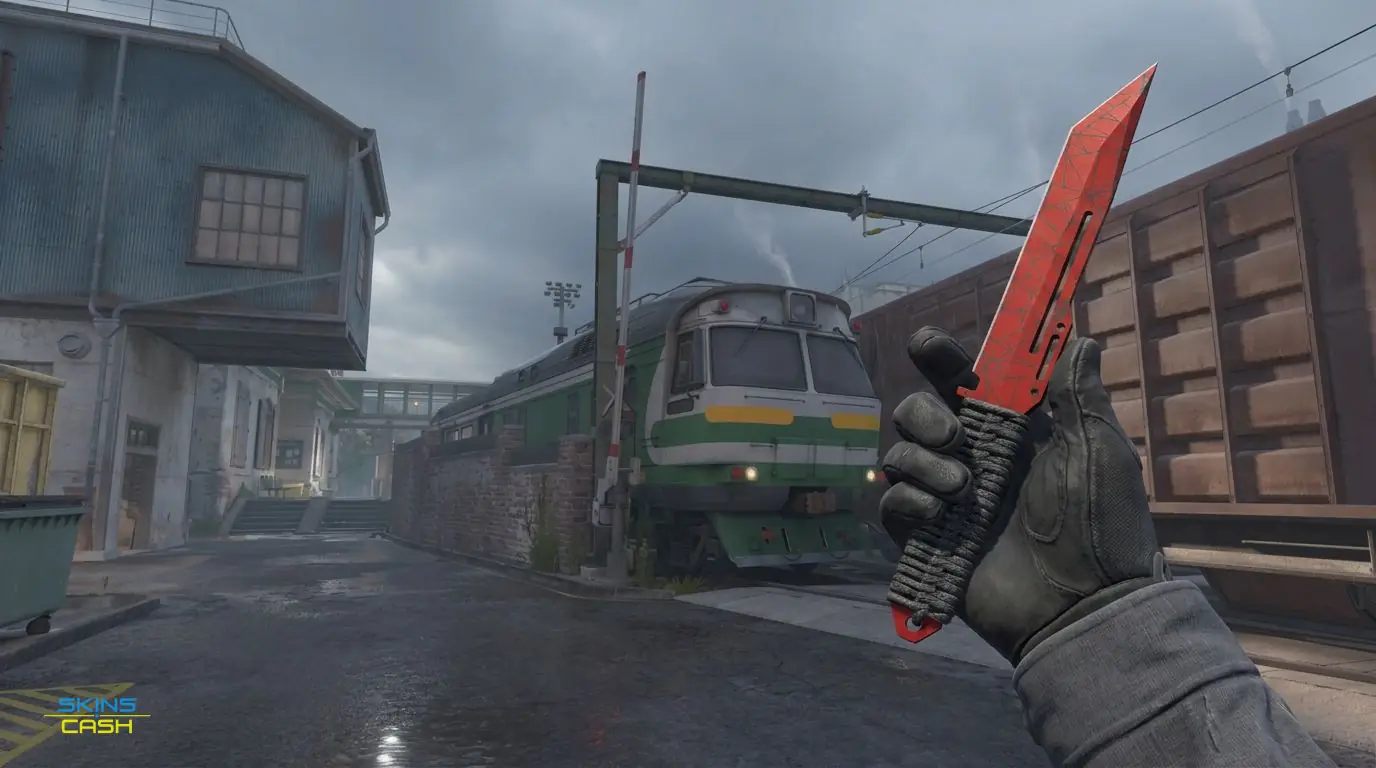
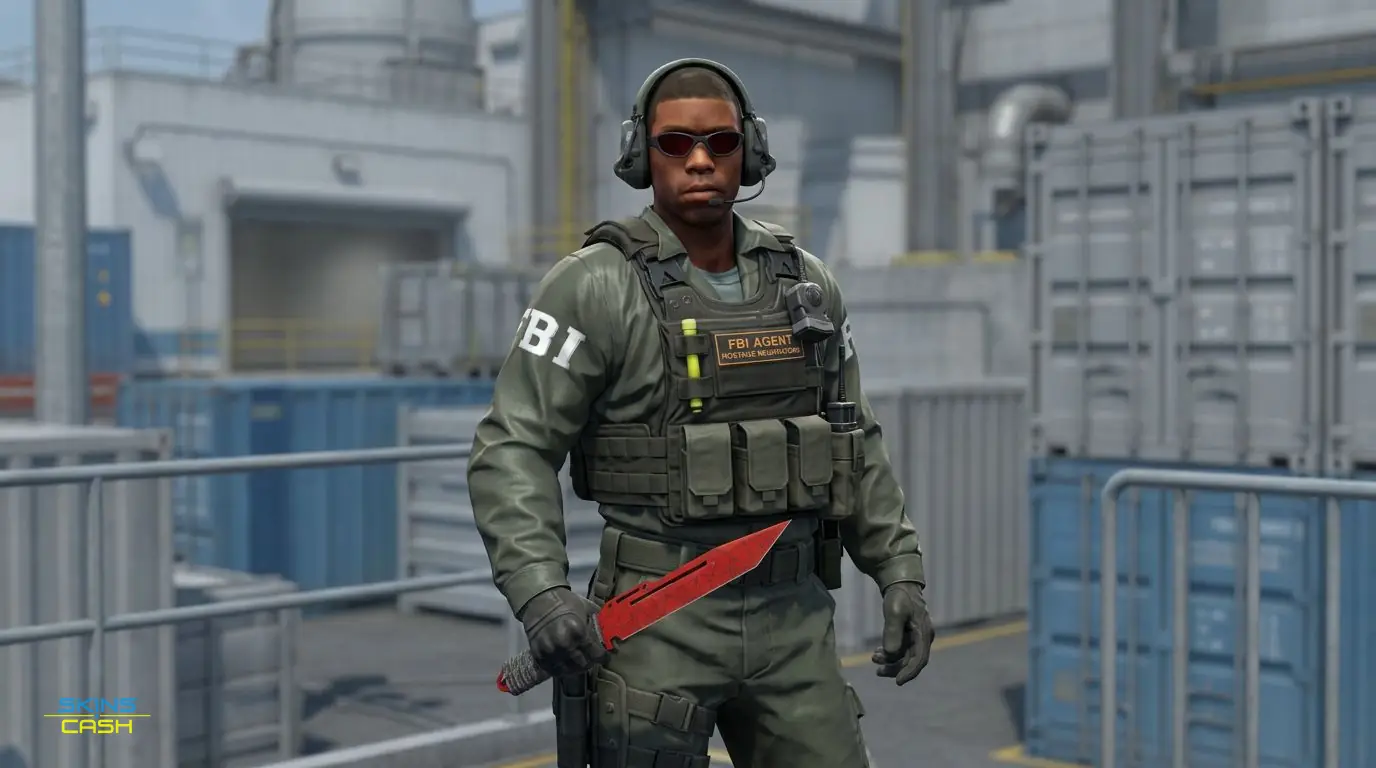
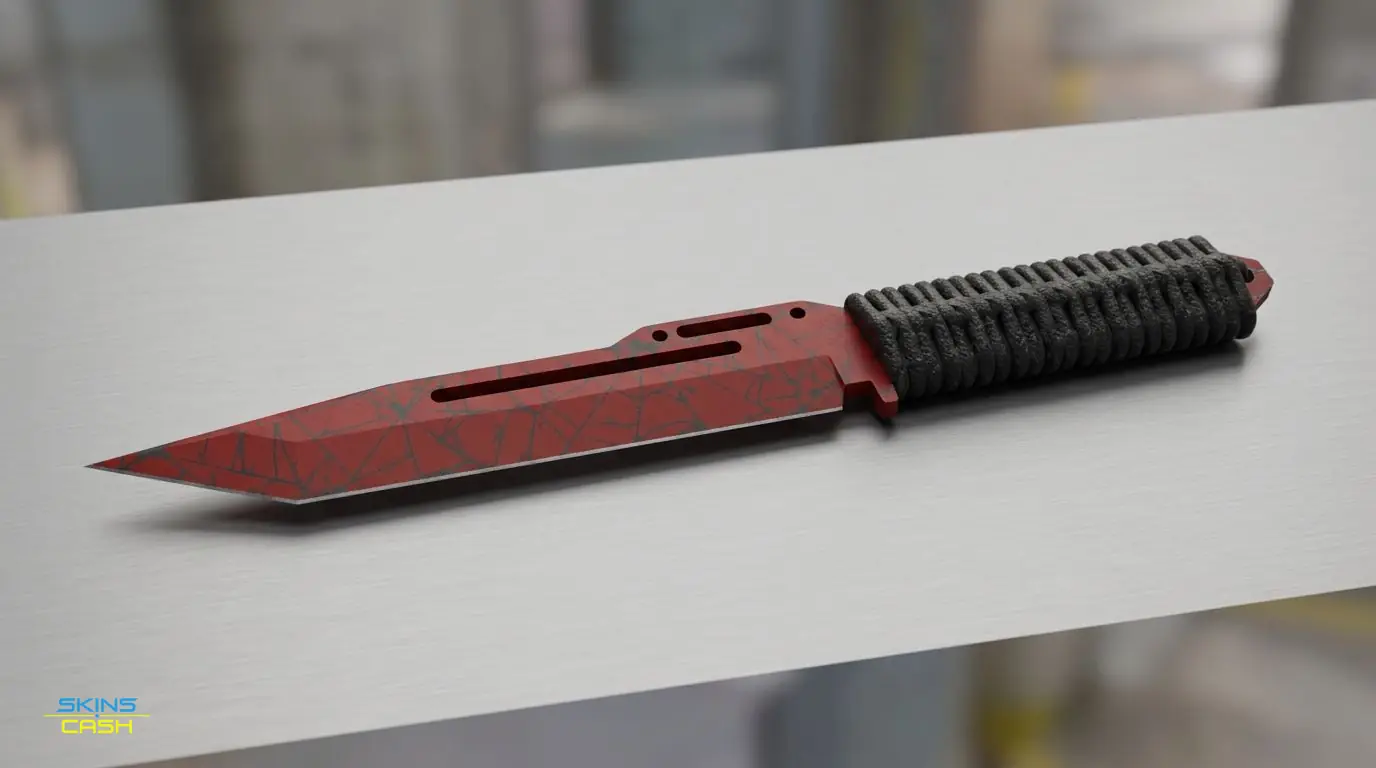
This is a mid bracket covert blade that sits below premium knife lines but above budget options; it appeals to buyers who want a named knife without the grail hangar price. For a seller that usually means steady, patient demand rather than frantic bidding - list clean copies for buyers who target looks, and accept that worn pieces move more slowly.
The ladder is capped and tilted toward the clean end, with a relatively steep step away from fresh rounds and then a flatter span across the lower wears. Expect a visible jump where the clean finishes start and a long tail of modest changes thereafter.
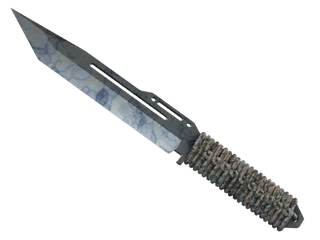
Mid-clean wear tends to be the best skin-for-money: it preserves the hydrographic Crimson Web look while avoiding the top-end premium buyers pay for near-perfect examples. Sellers holding those mid-clean copies will often see the most efficient tradeoff between payout and appearance.
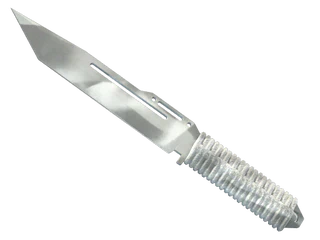
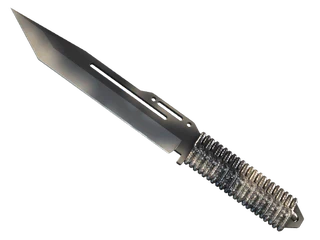
Worn copies cluster tightly together in payout, so a heavily played Paracord Knife | Crimson Web rarely underperforms its worn peers by much. If you own a worn example, the market treats it as interchangeable with other low wears, which makes quick sales easier but upside limited.
The hydrographic finish here does not reach the usual worst wears, so the bottom of the ladder reads cleaner than a typical uncapped skin. That reduced spread at the bad end keeps the worn band from collapsing entirely and changes where you'd expect meaningful jumps.
There is no pattern index play to hide behind; visual quirks tied to seed do not alter price here. Price moves are simple float moves and buyer preference, so list by wear and buyers will understand the offer without guessing over pattern rarities.
Being a covert knife gives the low end a structural floor that worn finishes of cheaper tiers lack, so even the less pretty Crimson Web examples hold a baseline value. That underlying rarity softens downside when wider market pressure pushes prices lower.
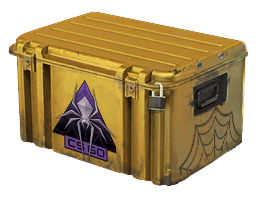
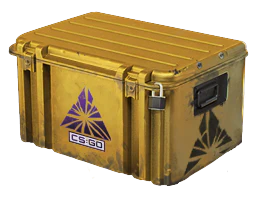
This blade comes from the Shattered Web Case, which shapes its supply profile and buyer awareness. Cases with familiar names keep a steady trickle of supply into the market, so sharp scarcity spikes are unlikely unless demand reappears.
The Hydrographic finish leans hard into red, which reads crisply on this paracord silhouette and stands out in most lighting. Valve's clean design treatment keeps webbing contrast tight; buyers who chase red blades know what this one delivers at a glance.
Short-window action is down hard, and the market has been drifting lower rather than flat. That makes patience useful for clean examples and realistic expectations appropriate for worn copies.
Traders often list without checking float caps and end up mispricing worn units as if the ladder were full-range; don't. Another common error is treating worn copies as distinct tiered items when the low end is compressed; price those to sell, not to wait for a phantom uplift.
Names like TaZ, boltz, and DANK1NG have been associated with the skin, which keeps a faint halo among collectors who track pro inventories. It's not a demand engine by itself, but those links nudge attention toward the cleaner samples when buyers browse.