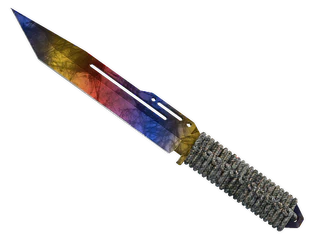
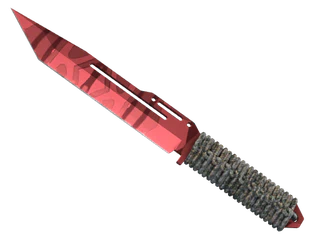
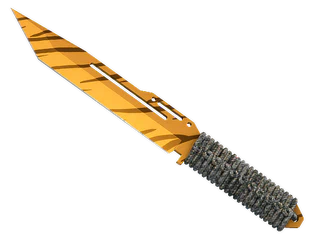
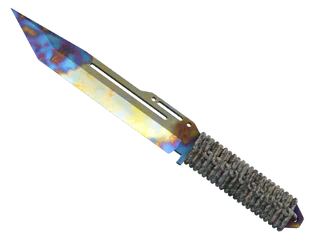
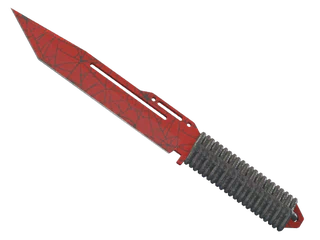
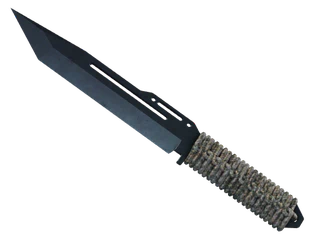
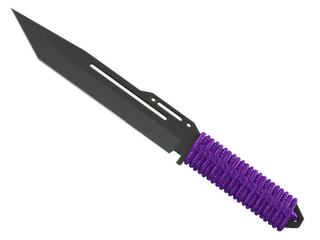
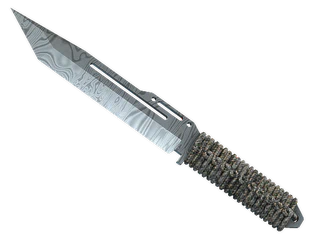
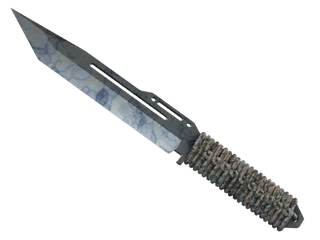
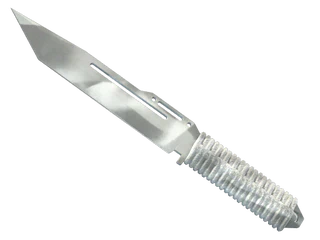
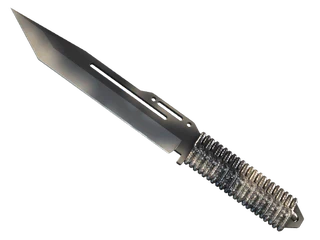
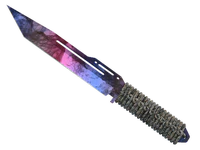
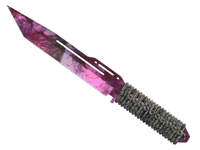
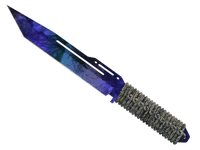
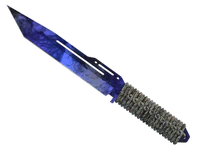
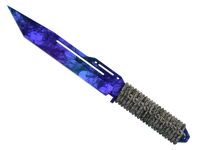
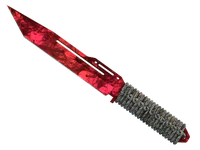
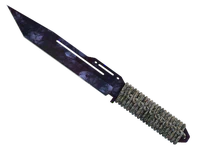
Premium demand concentrates at the cleaner copies of this Paracord Knife Doppler Phase 2, with a tight low end that keeps worn pieces tradeable. Sellers should treat this as a premium-item play: clean floats move for real money, but the capped float profile reshapes where the value actually stacks.
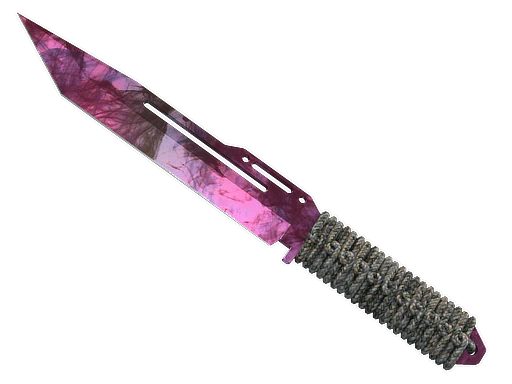
Premium demand concentrates at the cleaner copies of this Paracord Knife Doppler Phase 2, with a tight low end that keeps worn pieces tradeable. Sellers should treat this as a premium-item play: clean floats move for real money, but the capped float profile reshapes where the value actually stacks.
This is a premium-tier Covert with a trader buyer pool rather than a mass-market play. It sits above everyday knives in attention; expect selective bids from buyers who chase finish and pedigree, not bargain browsing.
The ladder is skewed toward the top; value thins out steadily away from the clean end before flattening into a compact lower band. That steepness makes the clean copies the real liquidity drivers while mid and lower wears trade in a tighter window.
Mid-clean copies give the most skin-for-money if you want visual impact without paying the extreme top. Once a copy slides past the mid point of the ladder the payout stops rewarding cleaner floats in a way that meaningfully changes return.
Worn examples live in a compressed range where small wear differences barely move price, so an owner of a dull copy still has a saleable asset. For holders with a worn finish there is less urgency to chase micro-improvements; the market pays for rarity more than tiny wear gains here.
The Doppler Phase 2 finish does not span the usual full float spectrum, so the worst-looking copies are cleaner than with unconstrained finishes. That cap pulls the bottom of the ladder higher than similar knives with a full range, and it also tightens buyer expectations for what 'worn' actually means.
Being a Covert stabilizes the low end: even the lower wears carry a base level of demand because of rarity alone. That backing keeps worn copies from collapsing entirely and supports a steady if muted market for those pieces.
StatTrak versions exist and behave as a distinct lane; they attract collectors who ignore the cheapest rung and focus on condition. Expect separate bids for StatTrak, with liquidity thinner but buyers more committed when they show up.
It comes from the Fever Case, which constrains new supply to players cracking that box rather than a broad drop stream. That origin keeps fresh listings intermittent and helps maintain a tighter supply profile than freely dropped knives.
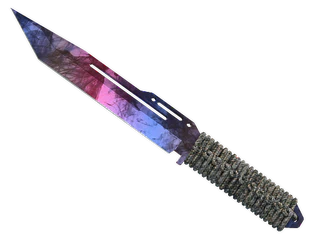
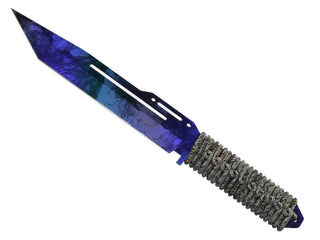
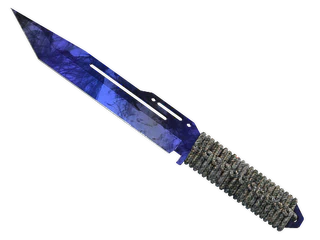
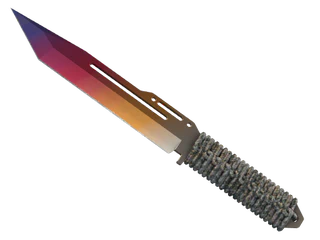
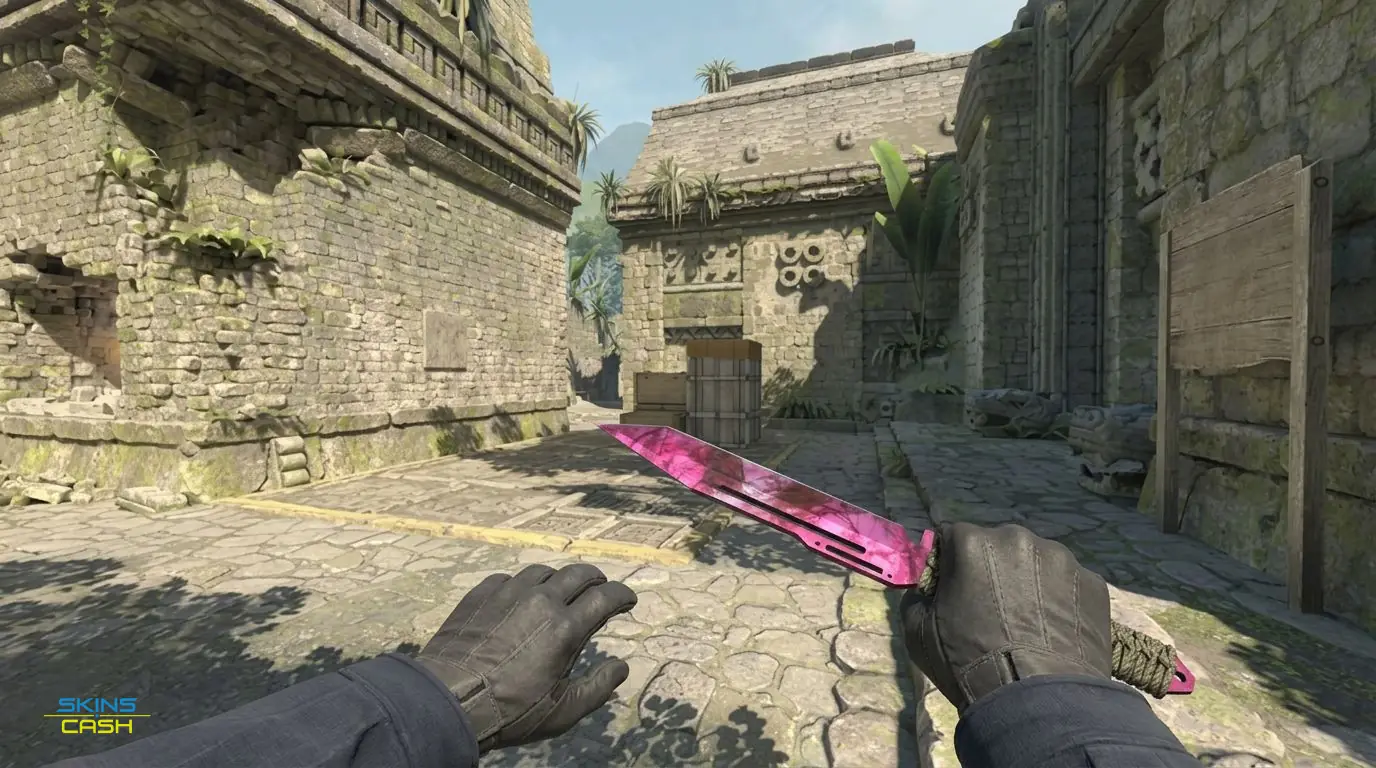
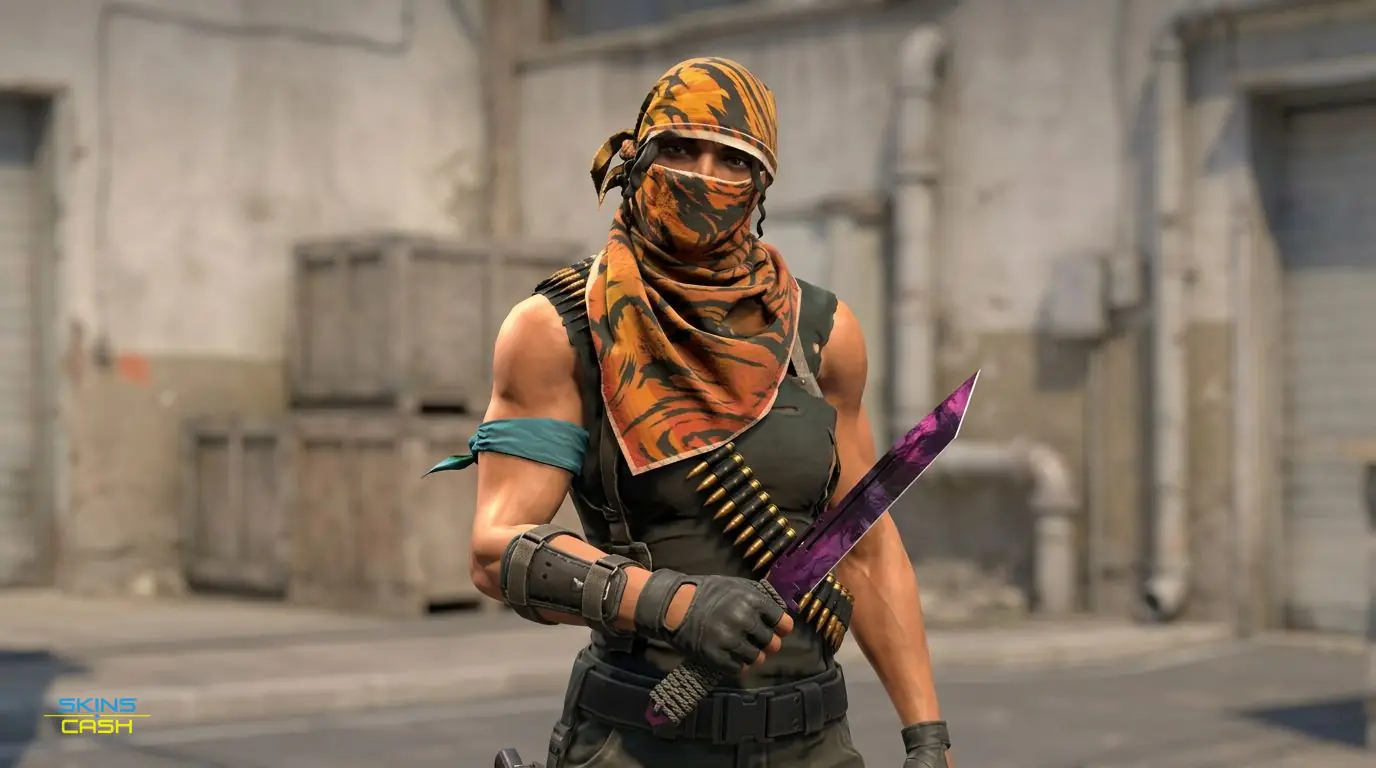
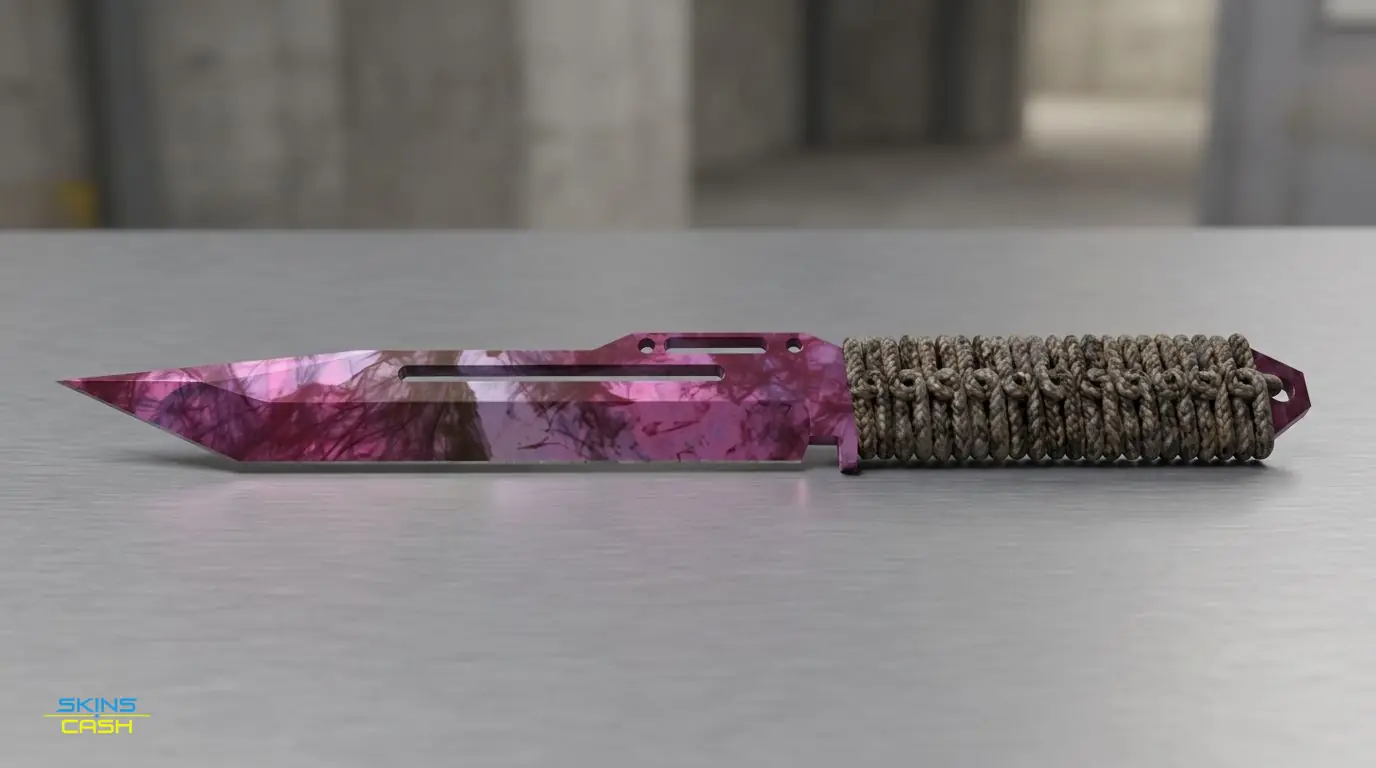
The knife reads pink and vivid thanks to the anodized multicolored finish; the palette punches in bright pink highlights over a darker base, which plays clean in match lighting. Valve's designer touch gives the piece crisp contrast that stands out on screens without being gaudy.
Thirty-day action has been flat, with listings and bids trading in a steady corridor rather than trending higher or lower. Short-term sellers should not expect a price surge from current momentum alone.
Historically the band has been wide, with notable swings between market cycles and buyer appetite. Today the skin sits well inside that broader band rather than at an extreme, so exits are available but timing matters.
This is a higher-value play where patience pays; waited sells at the top of the ladder routinely outperform quick, impulsive listings. If you can hold until a clean copy appears or a buyer shows targeted interest, the payoff improves noticeably.