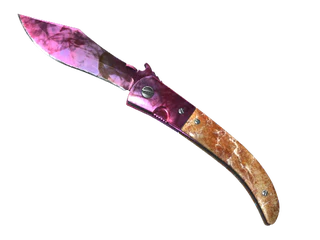
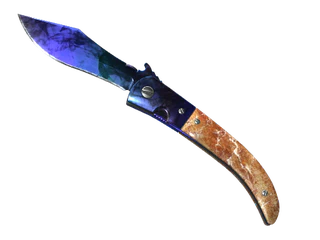
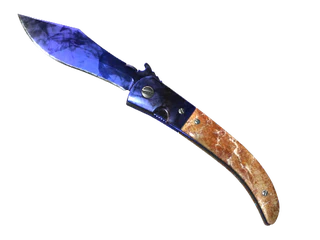
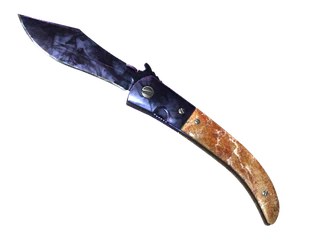
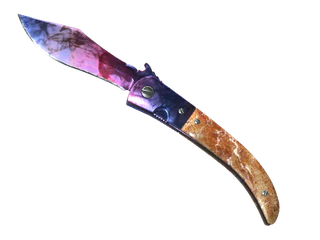
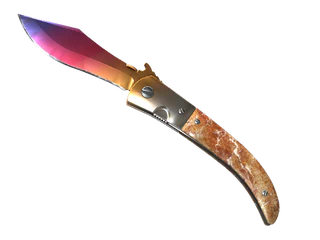
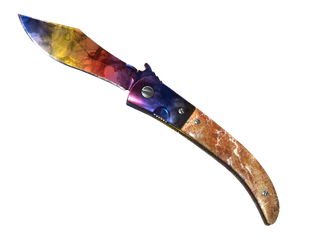
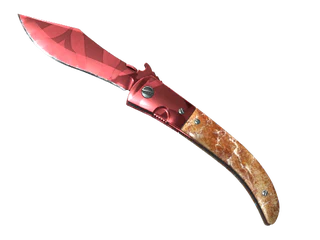
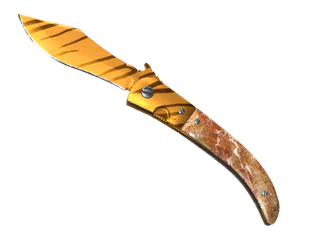
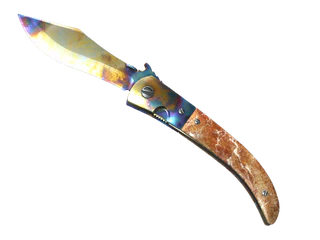
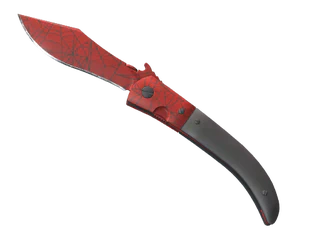
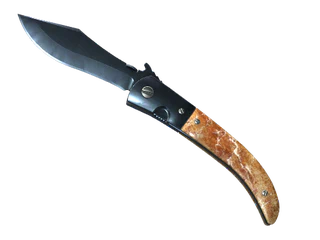
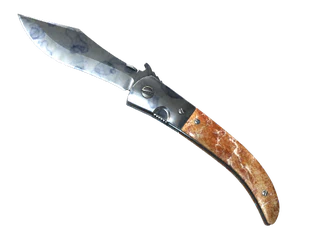
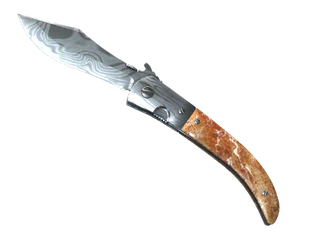
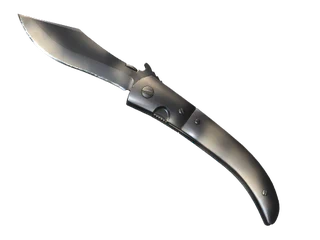
Mid-tier demand meets a weak floor: the Navaja Knife Rust Coat sits squarely in the middle value bracket but the bottom is soft. Clean examples still command attention because the payout curve is capped toward the top and buyers treat wear as the main gate.
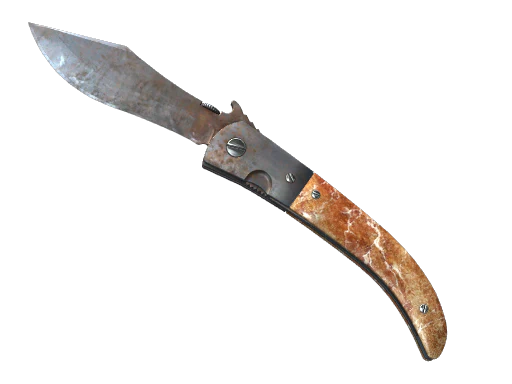
Mid-tier demand meets a weak floor: the Navaja Knife Rust Coat sits squarely in the middle value bracket but the bottom is soft. Clean examples still command attention because the payout curve is capped toward the top and buyers treat wear as the main gate.
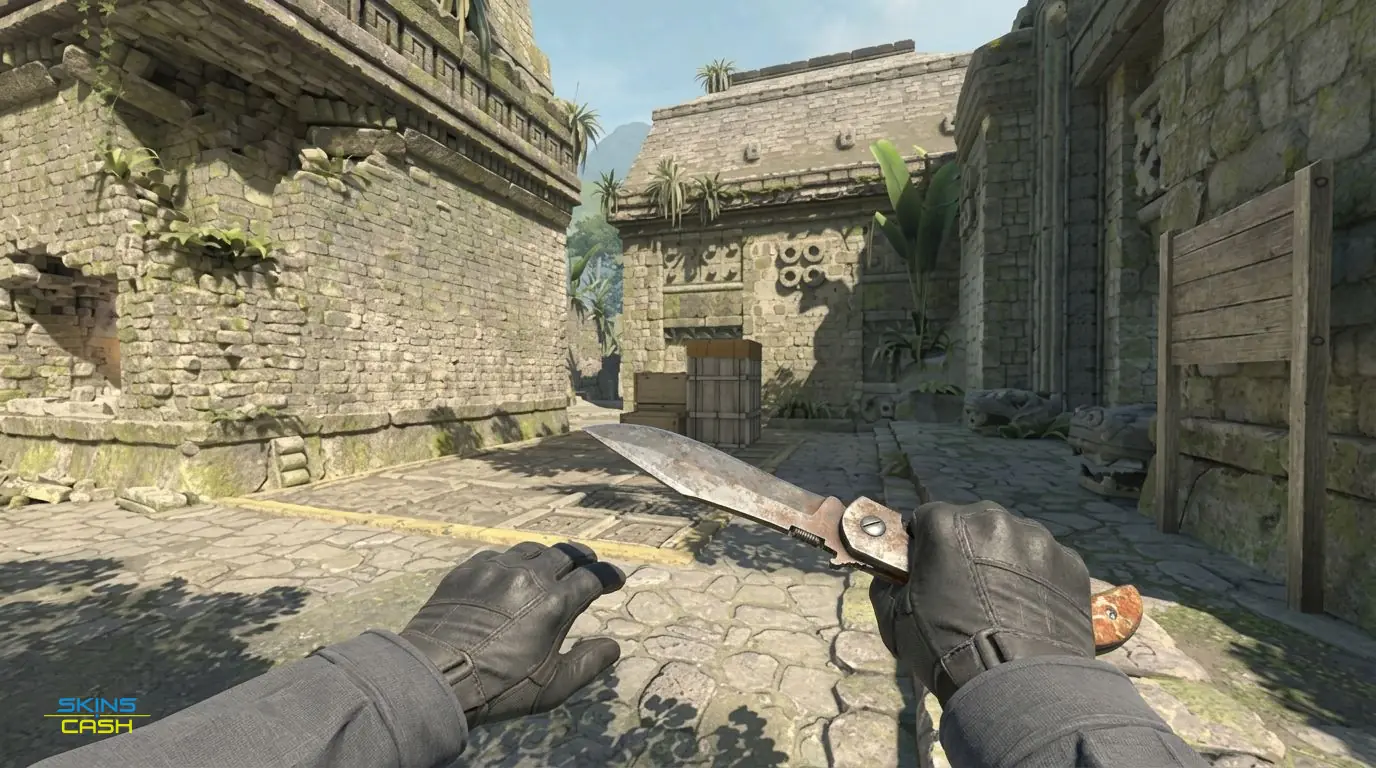

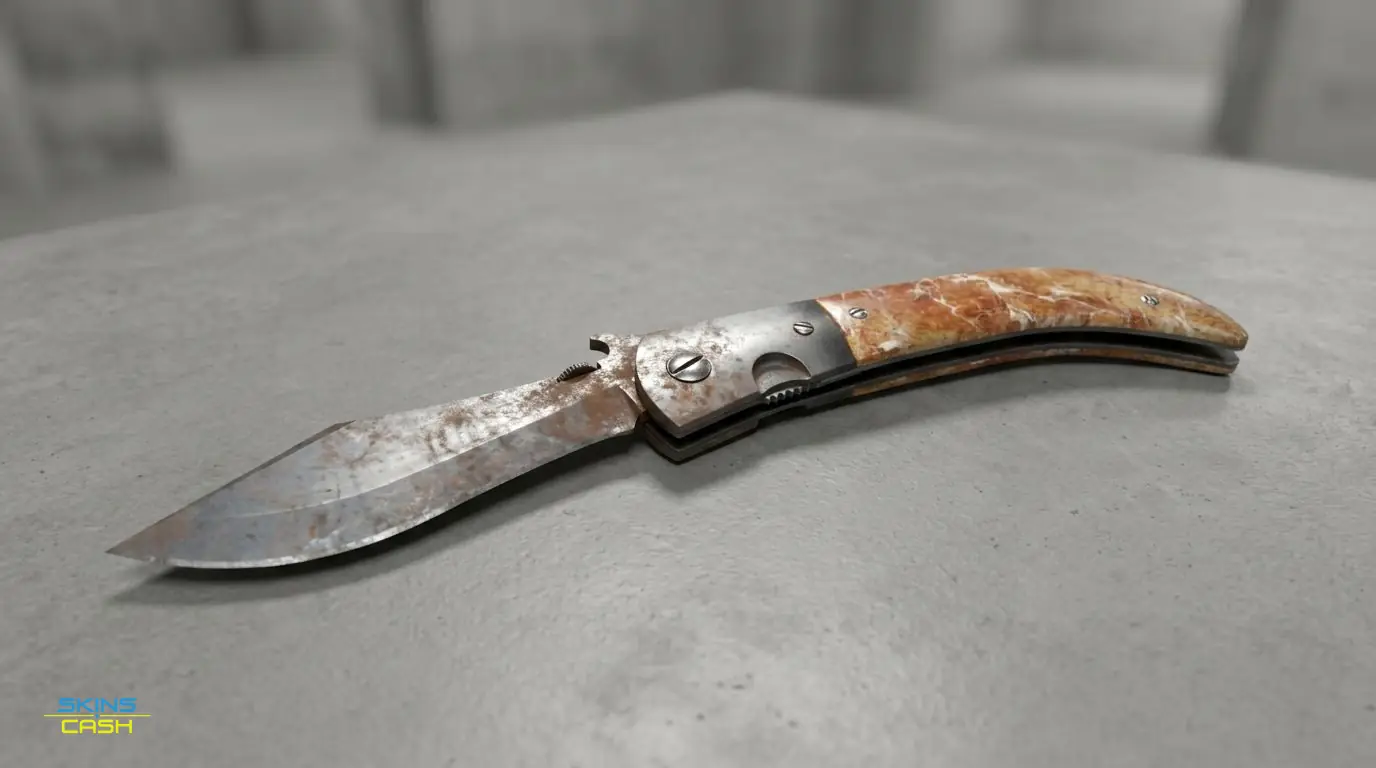
This is a mid-level Covert knife that trades like a mainstream choice rather than a grail. Expect steady interest from buyers who want a budget-to-mid folding blade with Valve provenance, but don't expect deep, high-end bids - the floor sits soft and turnover is driven by obvious clean copies.
The ladder is capped at the clean end with a noticeable plateau before the top; after that the curve drops into a broad middle. That capped profile means the premium for the very clean specimens is limited by the market shape, while the rest of the ladder forms a long tail.
Worn copies live in a tight band where payout differences are minimal, so float variation down there rarely moves a sale. If you hold a heavily worn Rust Coat, you're sitting on a pack of similar-value items rather than a single standout, which makes quick liquidation simpler.
Expect a visible gap between the sticker you see on listings and what lands in your hand when you sell - the market's weak floor and the lack of any finish premium widen that seller gap. Factor in that mainstream audience and you'll understand why net cash is noticeably below top listing figures.
Patina on this Gray Rust Coat shows wear plainly; buyers reward cleaner faces because the finish reads much sharper when less wrecked. That said, because the ladder is capped, the jump for near-perfect floats is constrained compared with more premium knives.
Being a Covert knife keeps the lower band from collapsing entirely; rarity underwrites a baseline even for lifeless, battered copies. That layer is the only thing propping up the weak floor and stops the worn end from becoming complete junk.
There is no pattern noise to chase here - price moves with float alone, not with pattern index. That simplifies pricing: check wear, check StatTrak if present, then list; seed fiddling is wasted effort.
The Gray palette with a Patina finish gives the blade a weathered, utilitarian feel that reads well in fast frames and on darker maps. It's understated; buyers pick it for subtlety rather than flash, which keeps demand consistent among practical users.
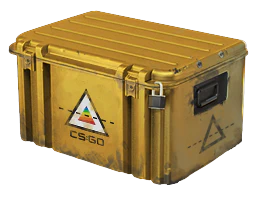
Supply flows from the Prisma Case, so availability is tied to that container's circulation rather than rarer capsule drops. That origin means regular introductions into the market rather than tight, one-off scarcity.
This skin has shown a massive historical band, so past swings have been wide and sometimes dramatic. Current activity sits somewhere in that broad envelope, influenced by the weak floor and a capped top that compress ongoing movement.
When buying to flip, target asks that respect the cap on clean premiums and avoid chasing near-top listings - the market does not sustain huge clean-end lifts here. Good entries are about spotting sellers who accept the mainstream demand rather than overpricing the knife's designer name.
In the community this Navaja sits as a practical, liked option rather than a collector's trophy; sentiment is steady but unspectacular. That temperament supports regular trades without creating fanatic demand spikes.